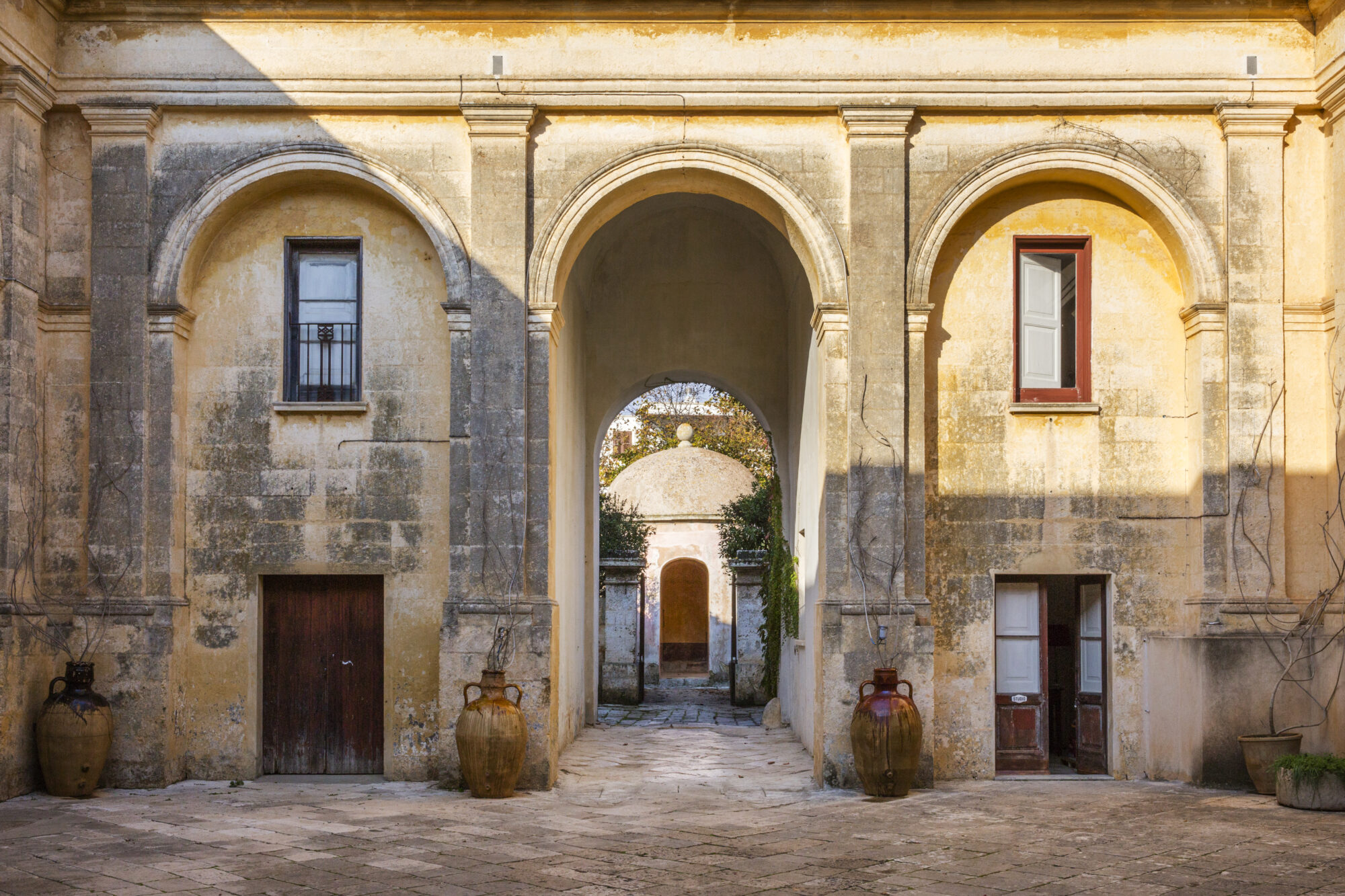
The Berber Soul in the Medina
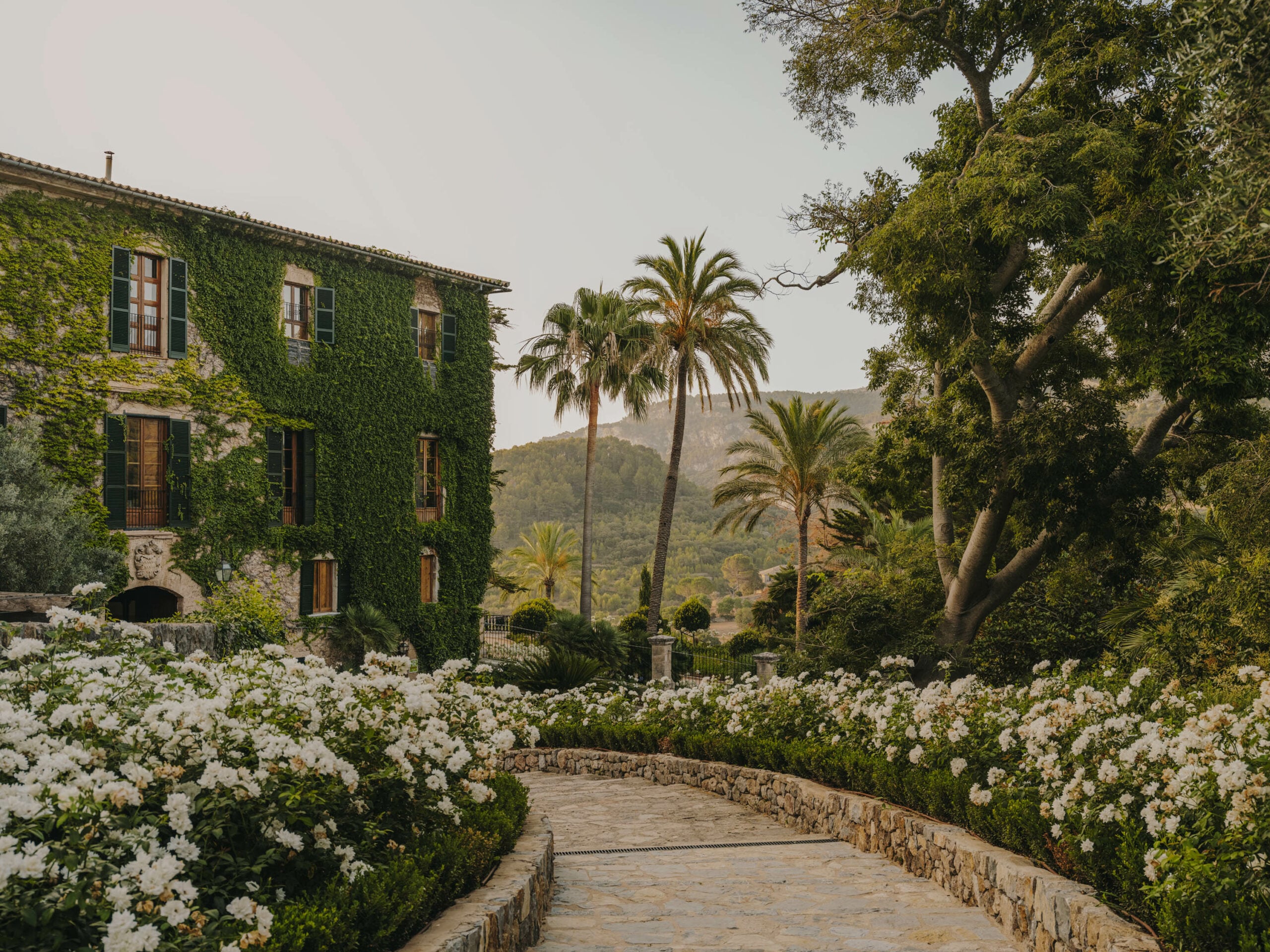
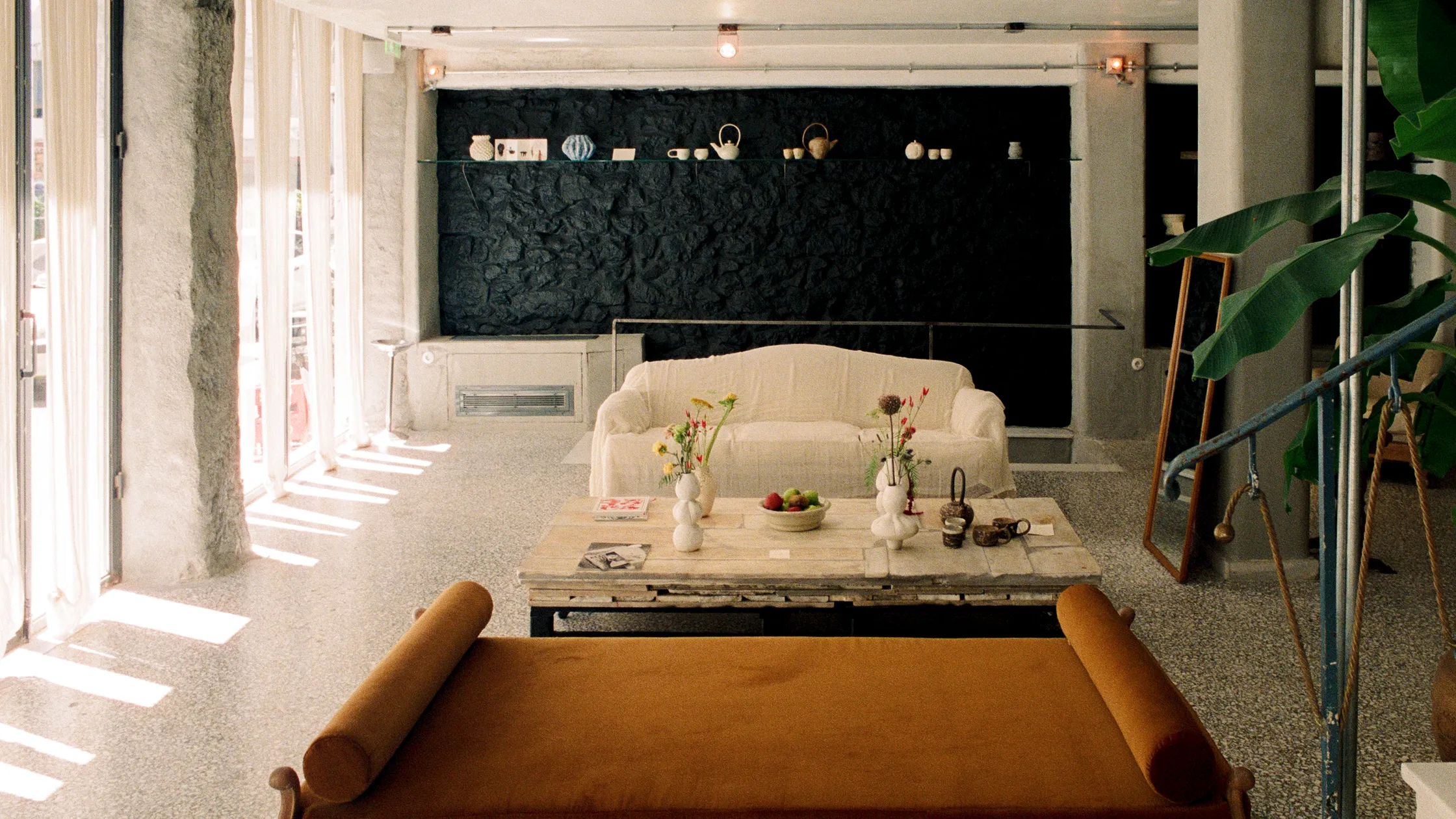
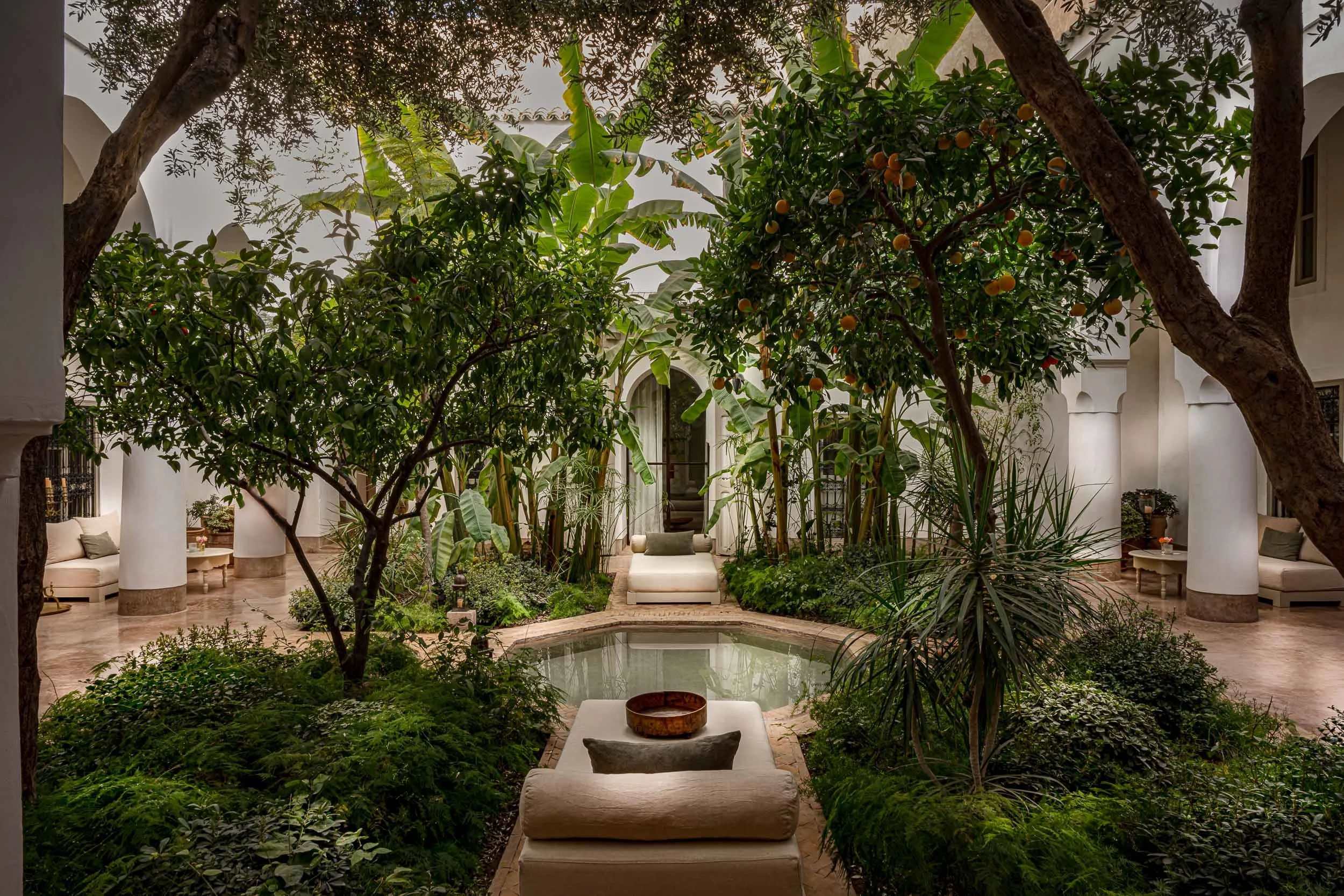
Hidden at the end of a narrow derb in the Kaat Benahid quarter of Marrakech’s medina, Riad Berbère is the quiet creation of interior designer Sandrine Henry, whose passion for Moroccan craftsmanship sets the tone throughout. Five rooms — three suites and two doubles — are arranged around a sunlit patio, garden and delicate arches, every surface layered with hand-knotted Berber rugs, hammered copper, hand-thrown ceramics and antiques gathered on the road. A palette drawn from the surrounding Ourika Valley — ochre, saffron, green, dust — grounds the whole, and the noise of the medina never quite reaches in.
- Best price guarantee
- Full access to content library
- Personalized itinerary
- A gift for every booking over three nights
- 24/7 support
Photography © Riad Berbère.
Rooms & Availability



Yay Yay

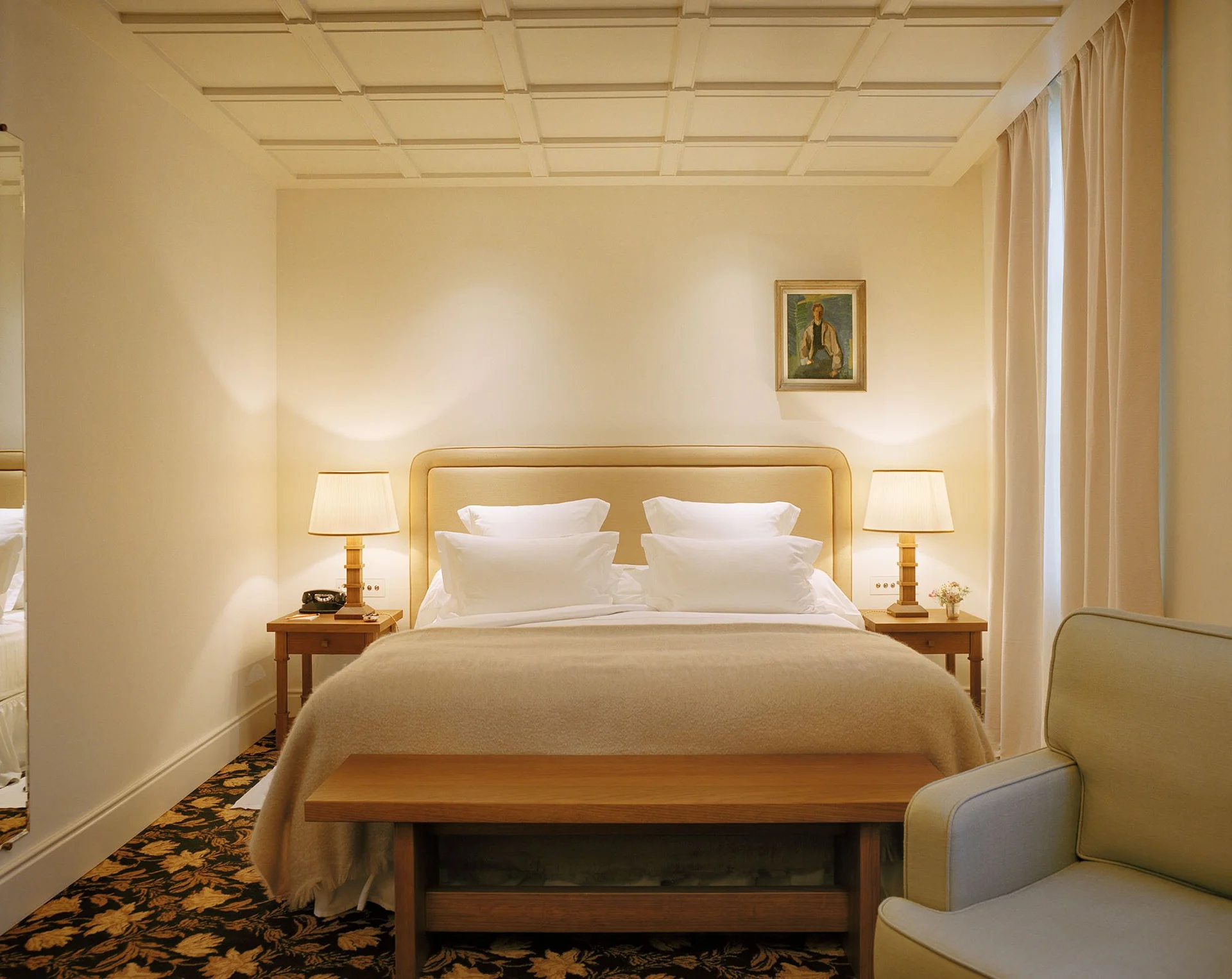
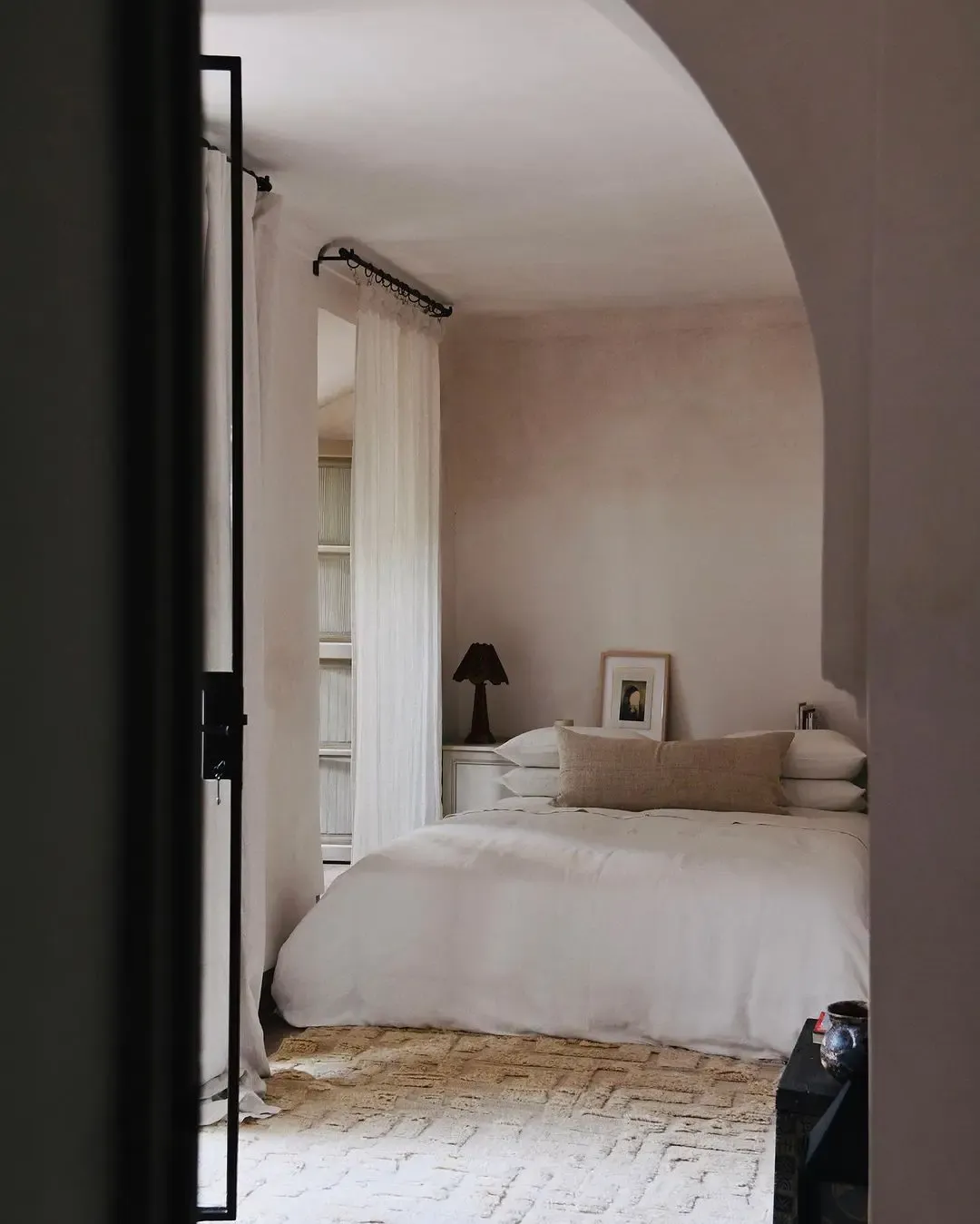
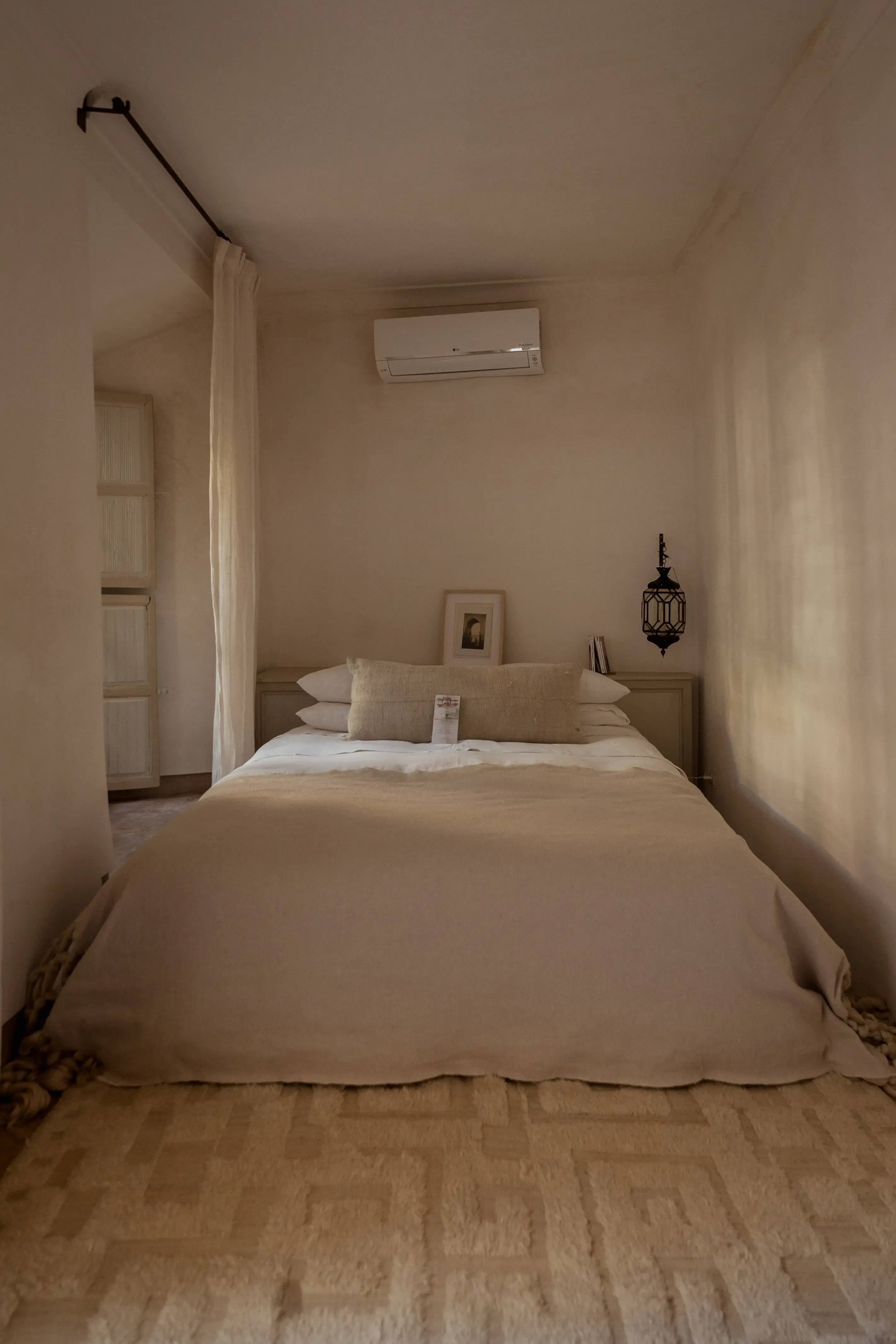
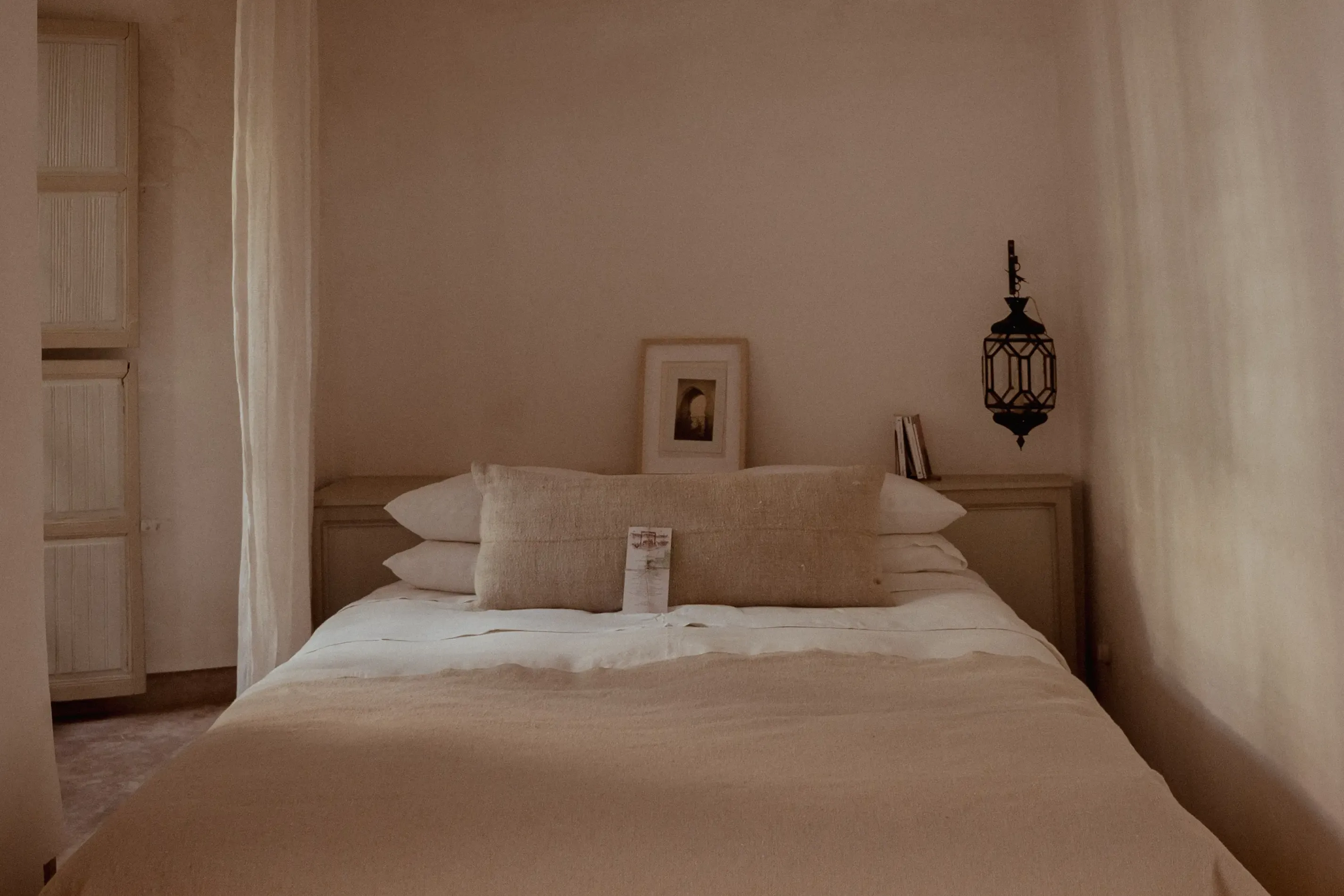
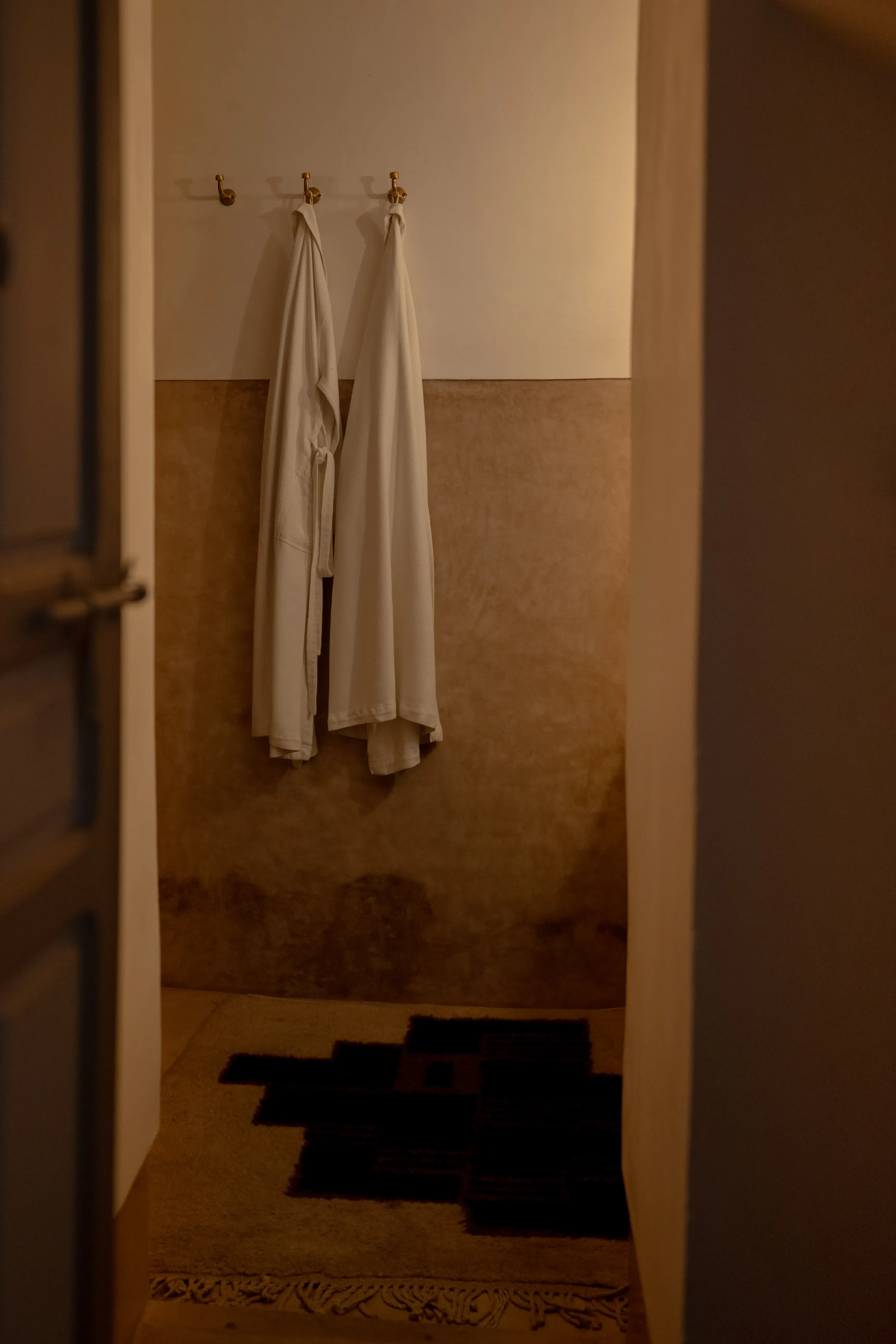
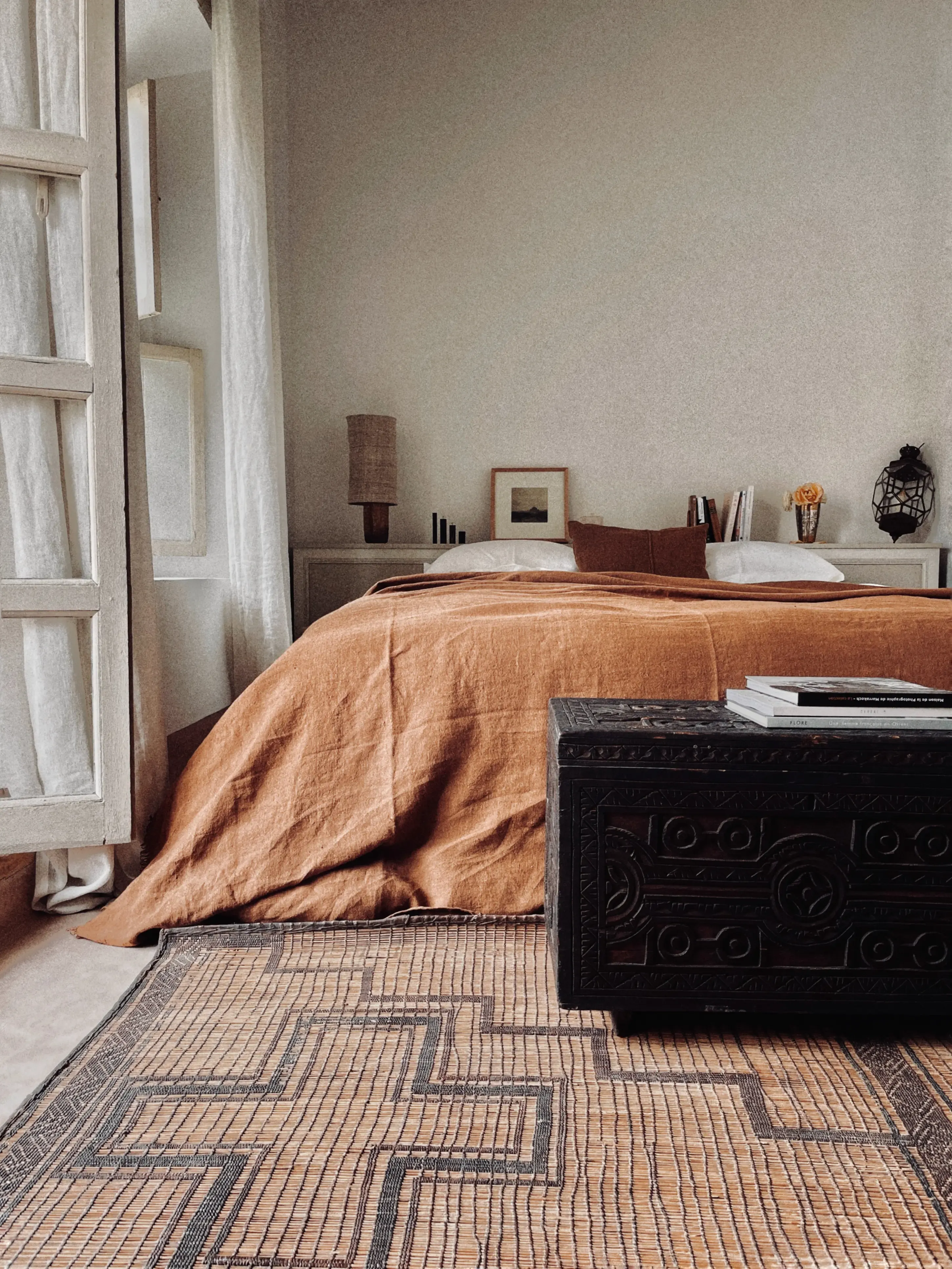
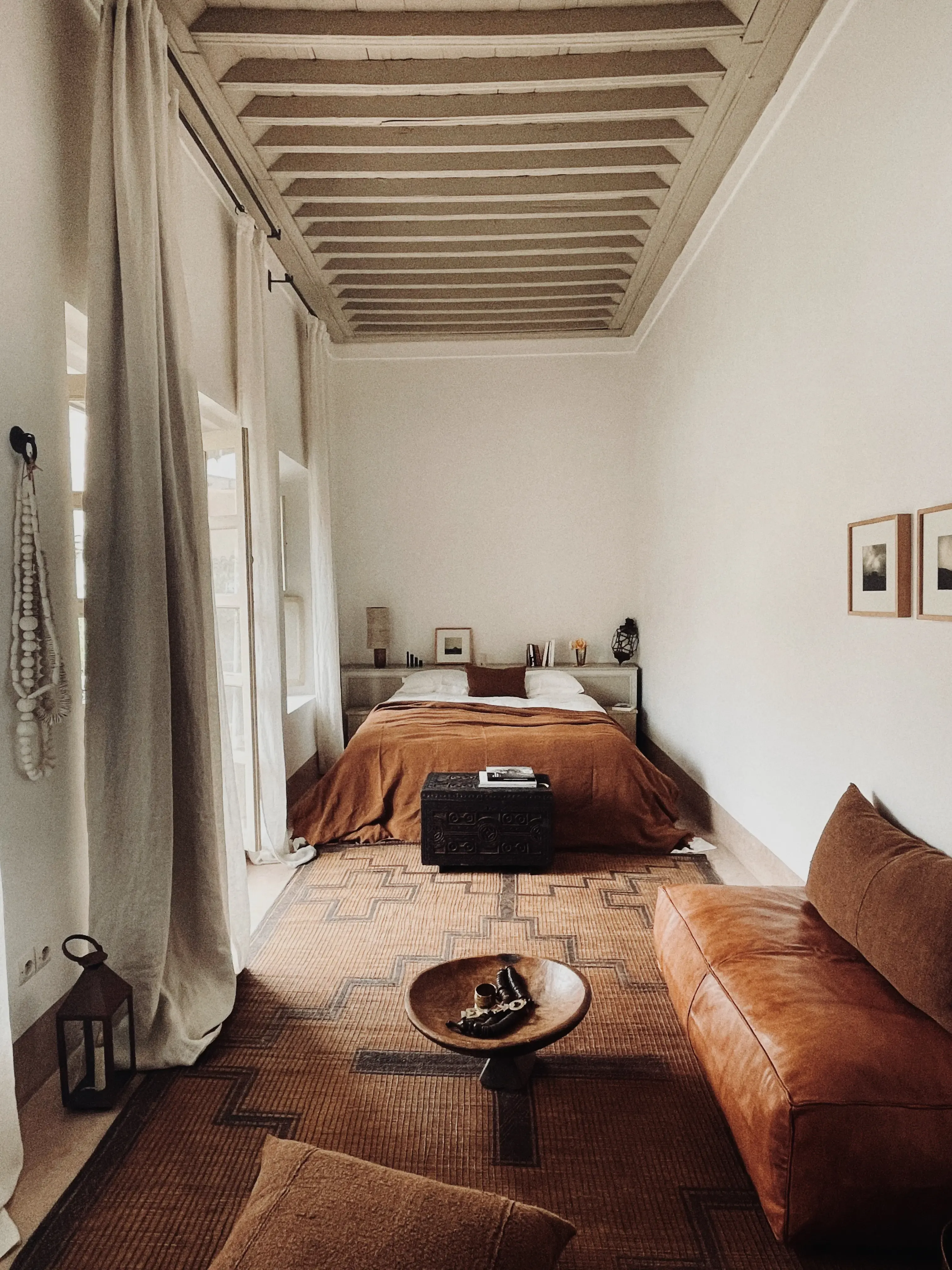
One of two double rooms set around the patio, looking into the inner garden through the arches. Queen-size bed, dressing room, air conditioning and a safe, with bathrobes, slippers and a hair dryer.
Yay Yay


Yi Yi
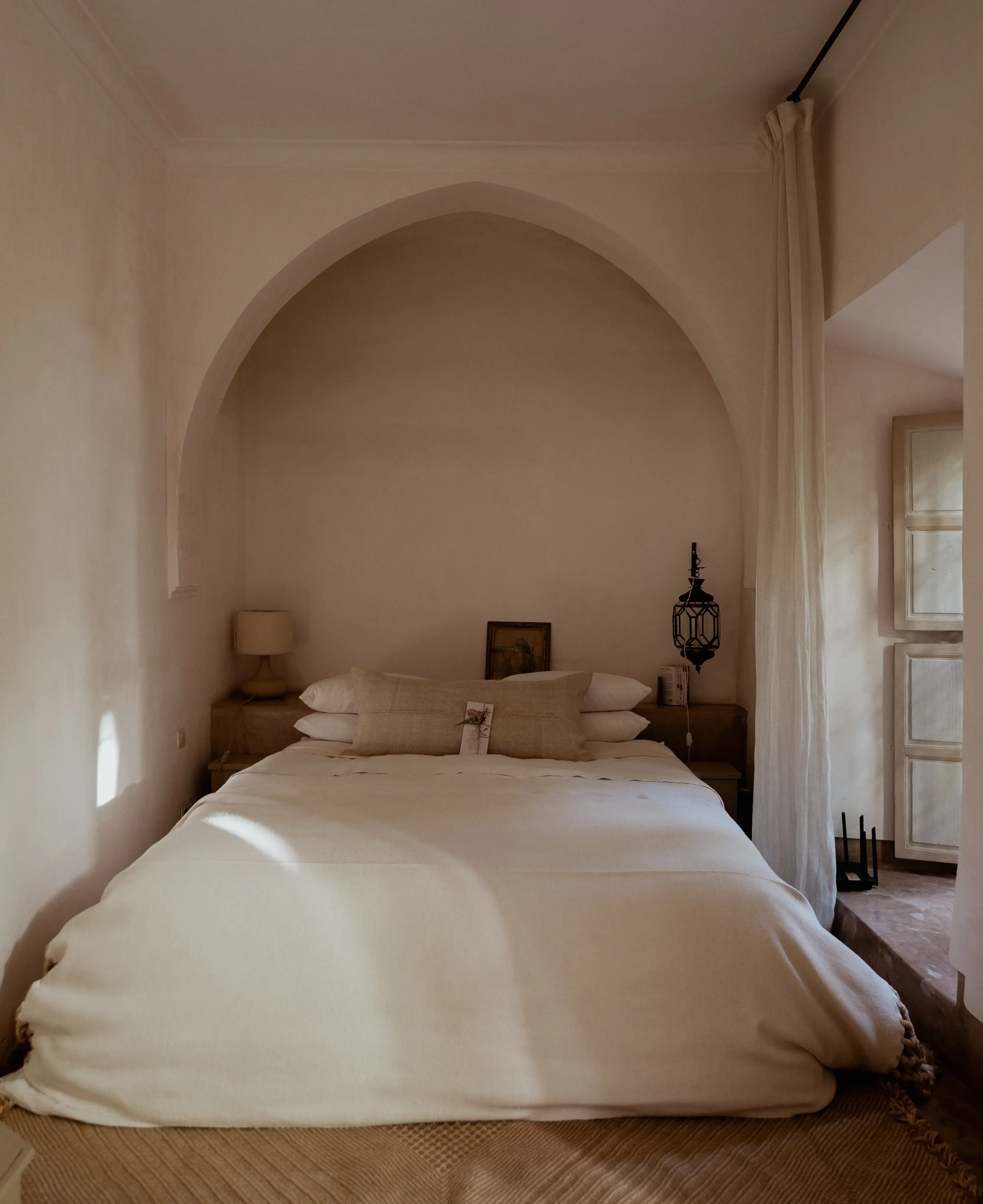
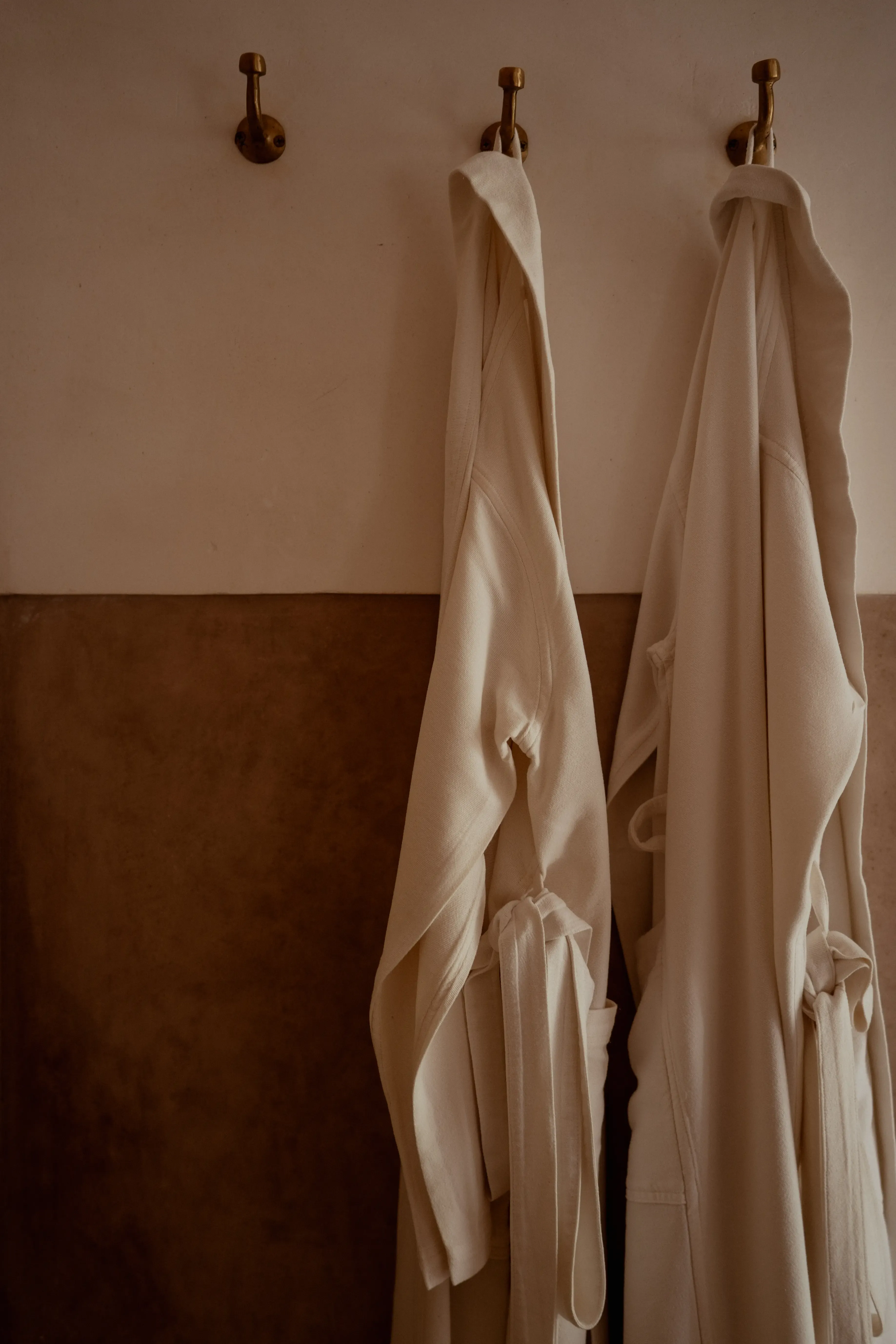
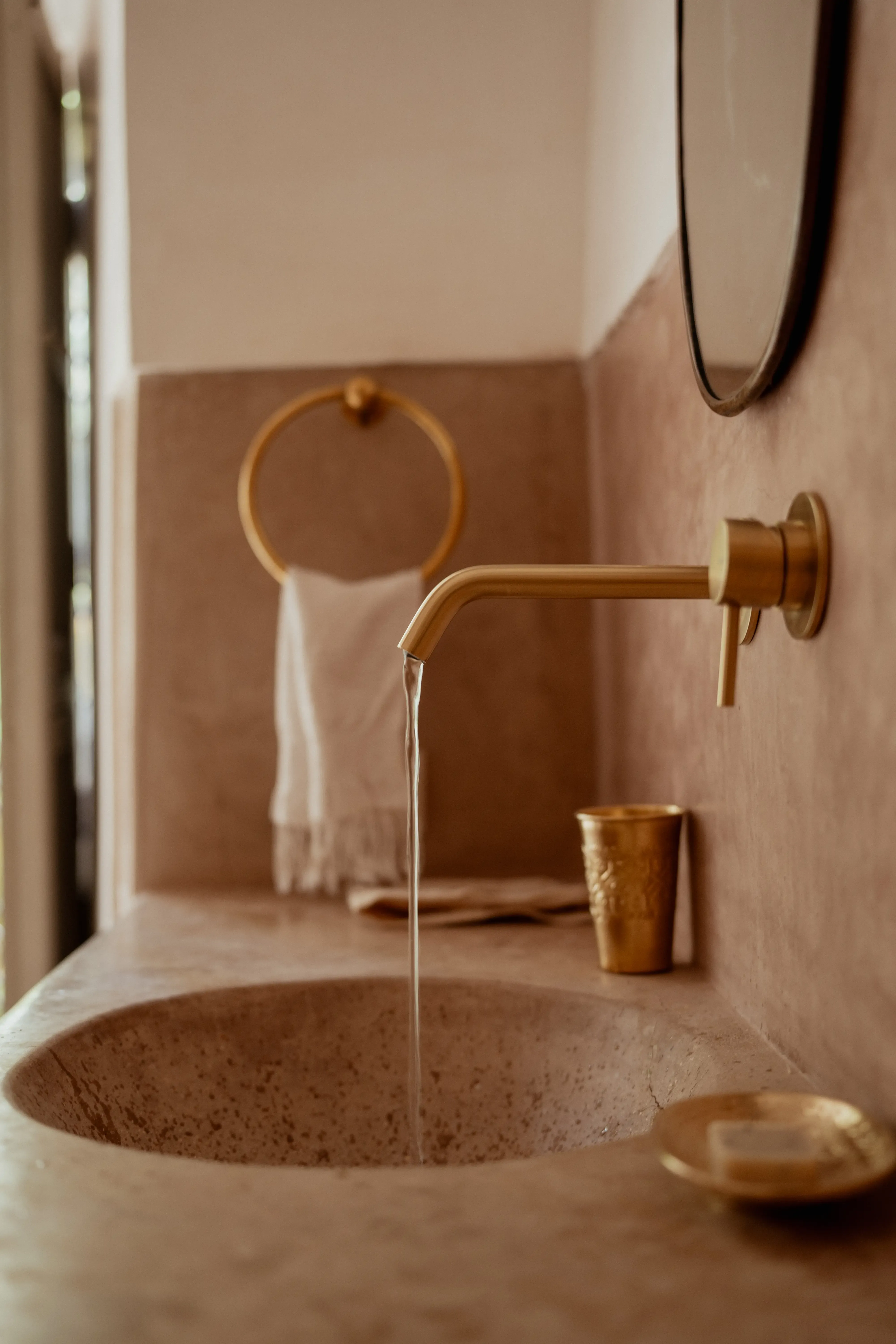
A double room on the patio with a view of the inner garden, a touch larger than its neighbour. Queen-size bed, dressing room, air conditioning and a safe, with bathrobes, slippers and a hair dryer.
Yi Yi
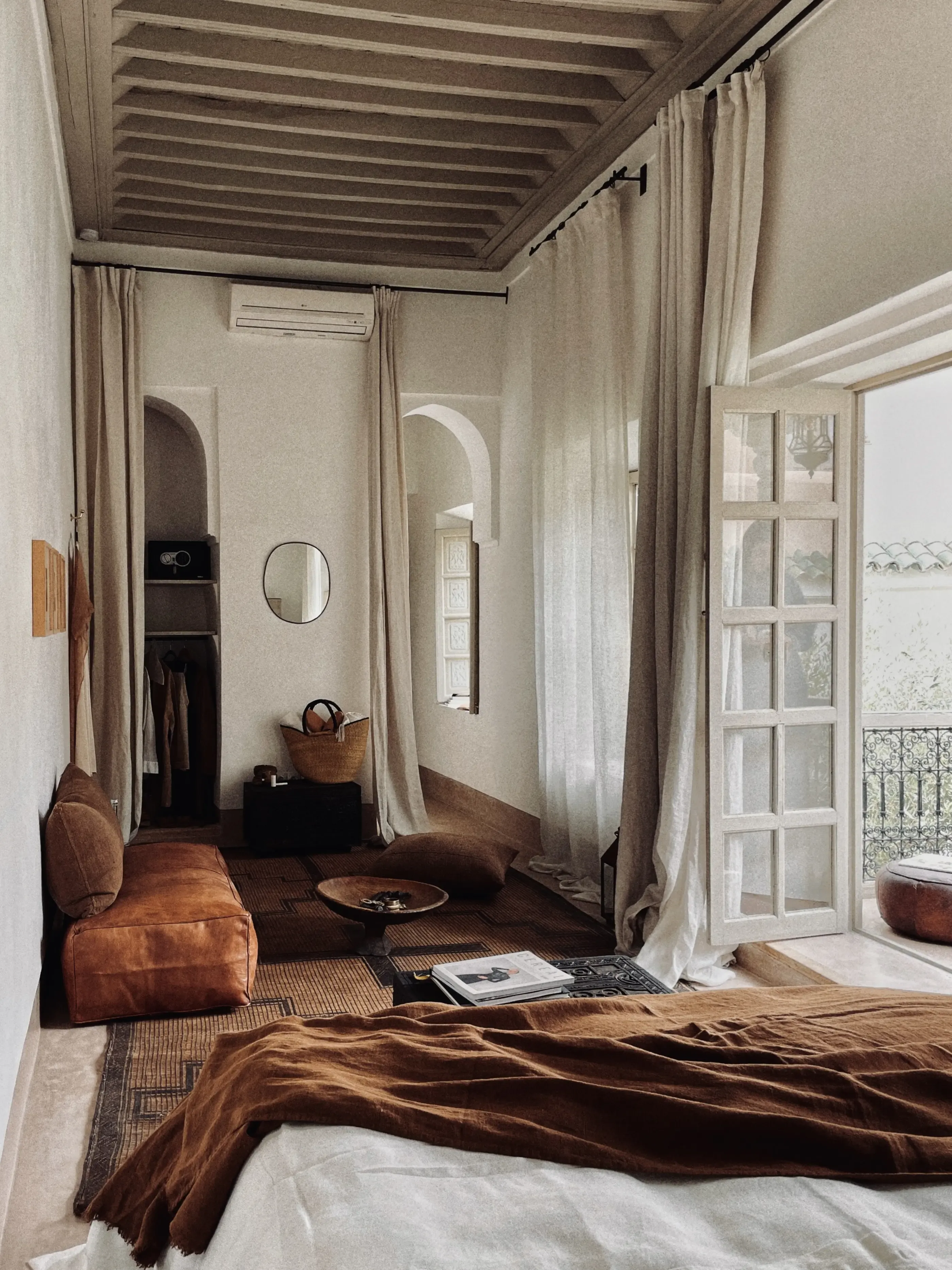
Yaz
A junior suite that opens onto its own balcony above the courtyard, where the light shifts through the day. Queen-size bed, dressing room, air conditioning and a safe, with bathrobes, slippers and a hair dryer.
Yaz

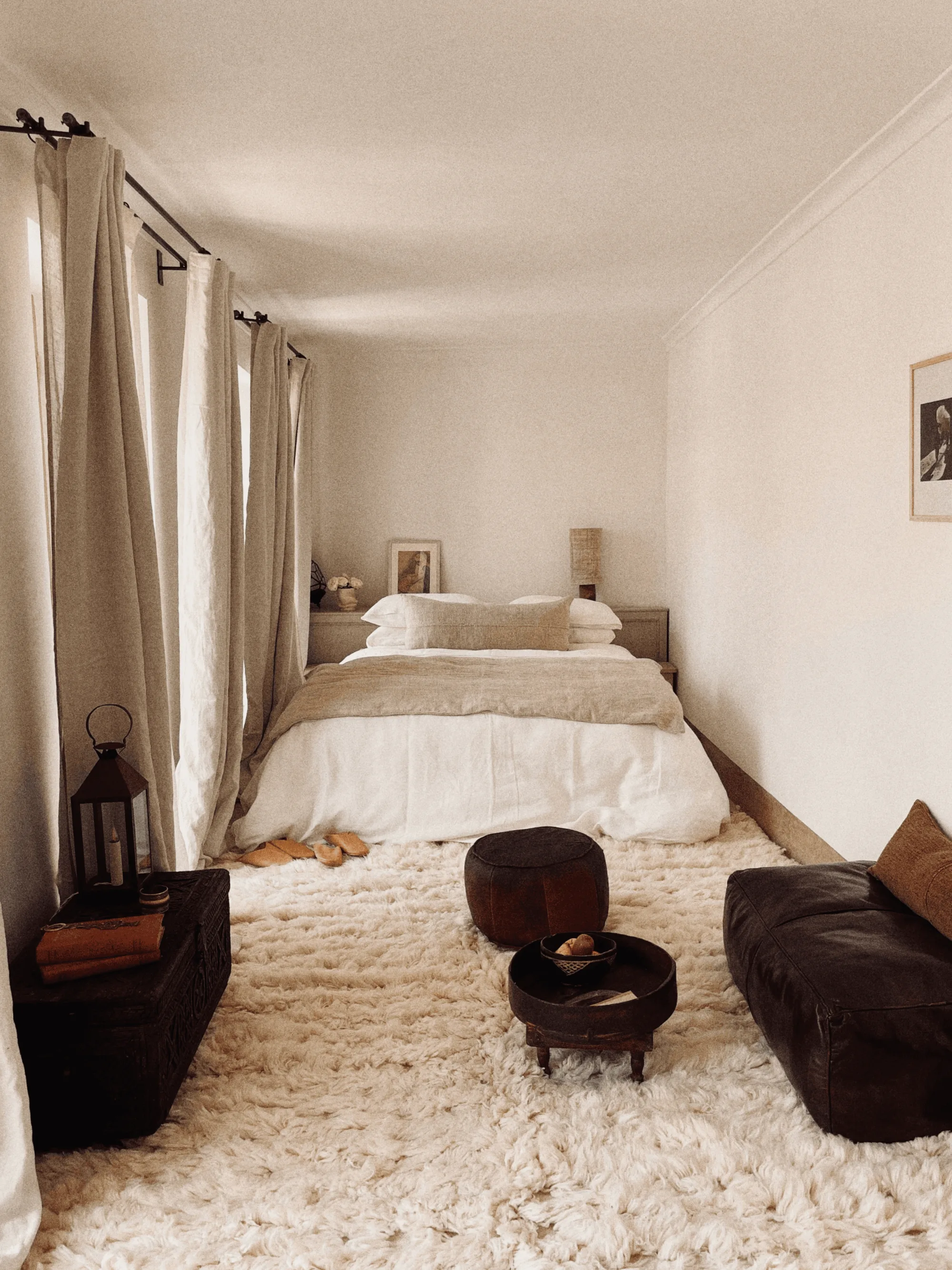
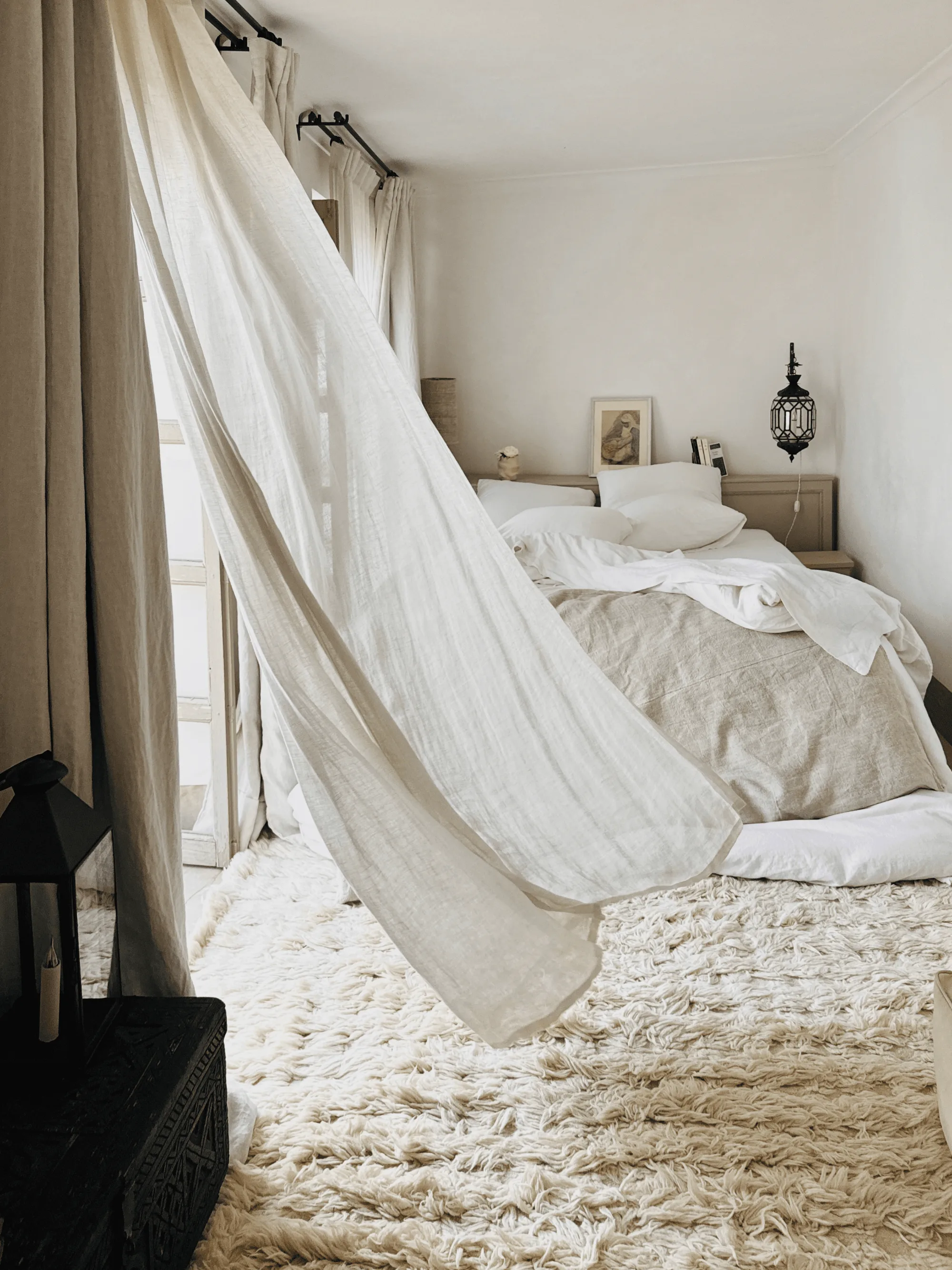
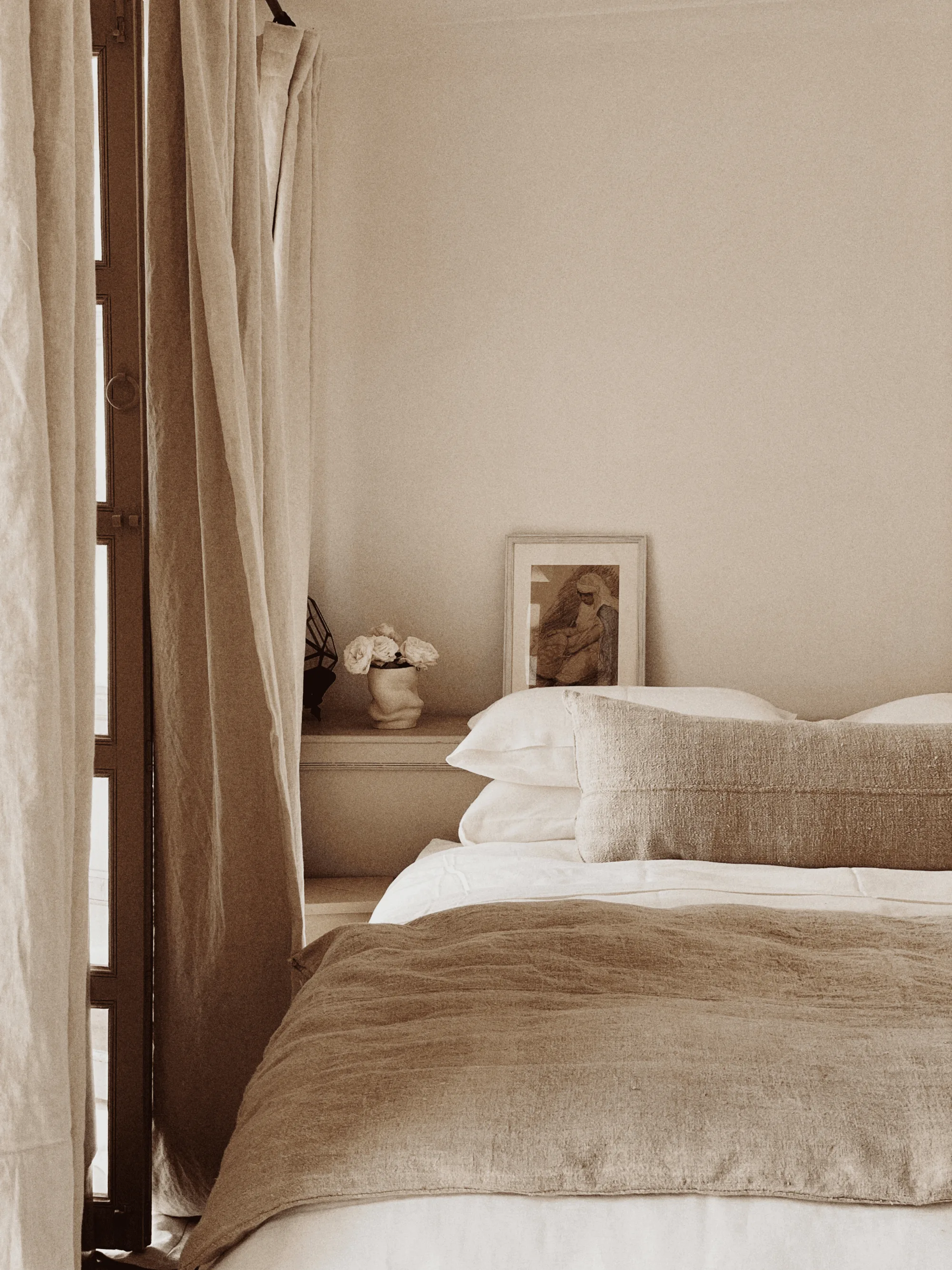
Yab
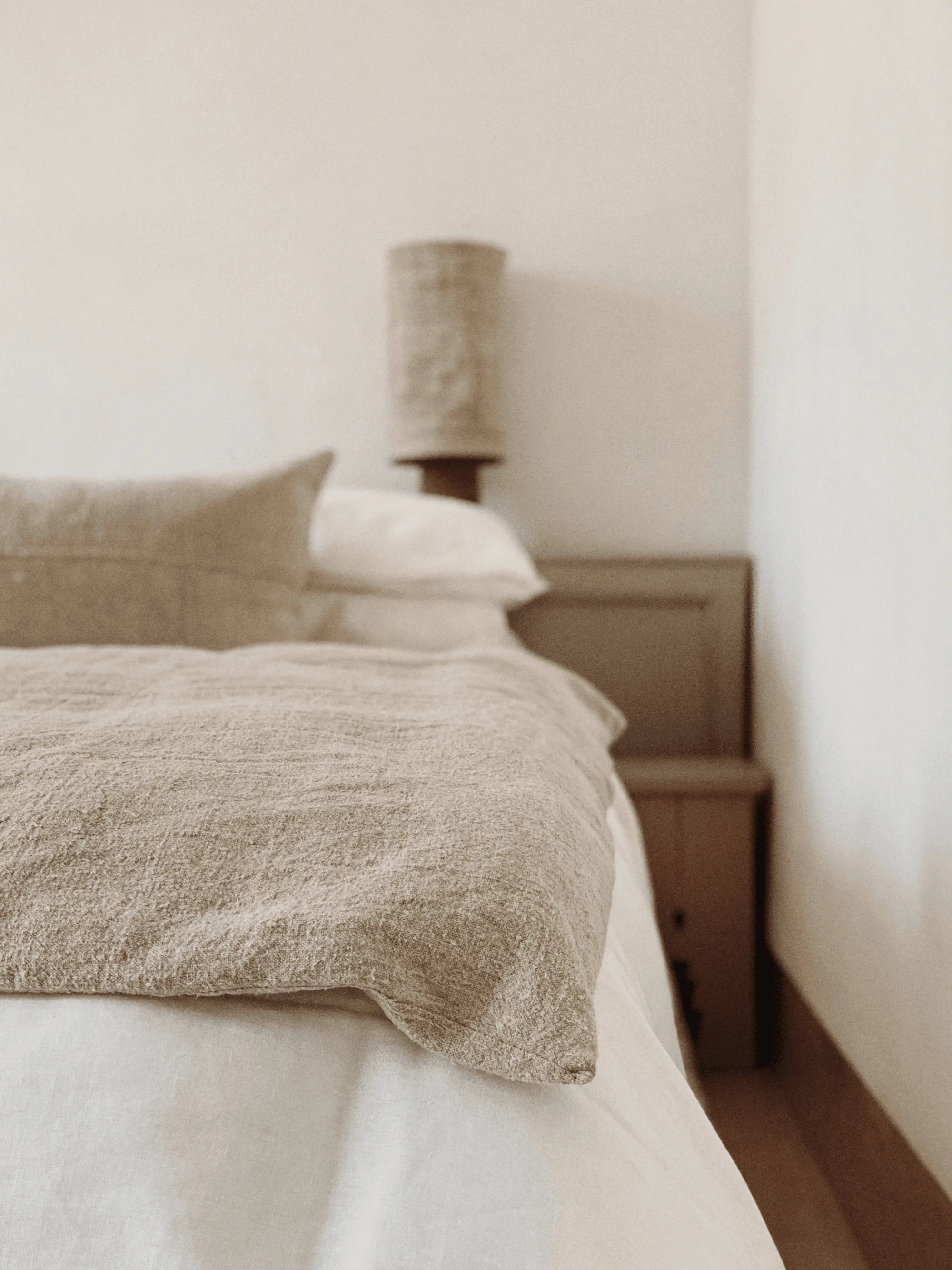
The largest of the junior suites, with a private rooftop terrace over the medina. Queen-size bed and dressing room inside, plus a coffee machine, kettle and mini fridge, air conditioning and a safe.
Yab


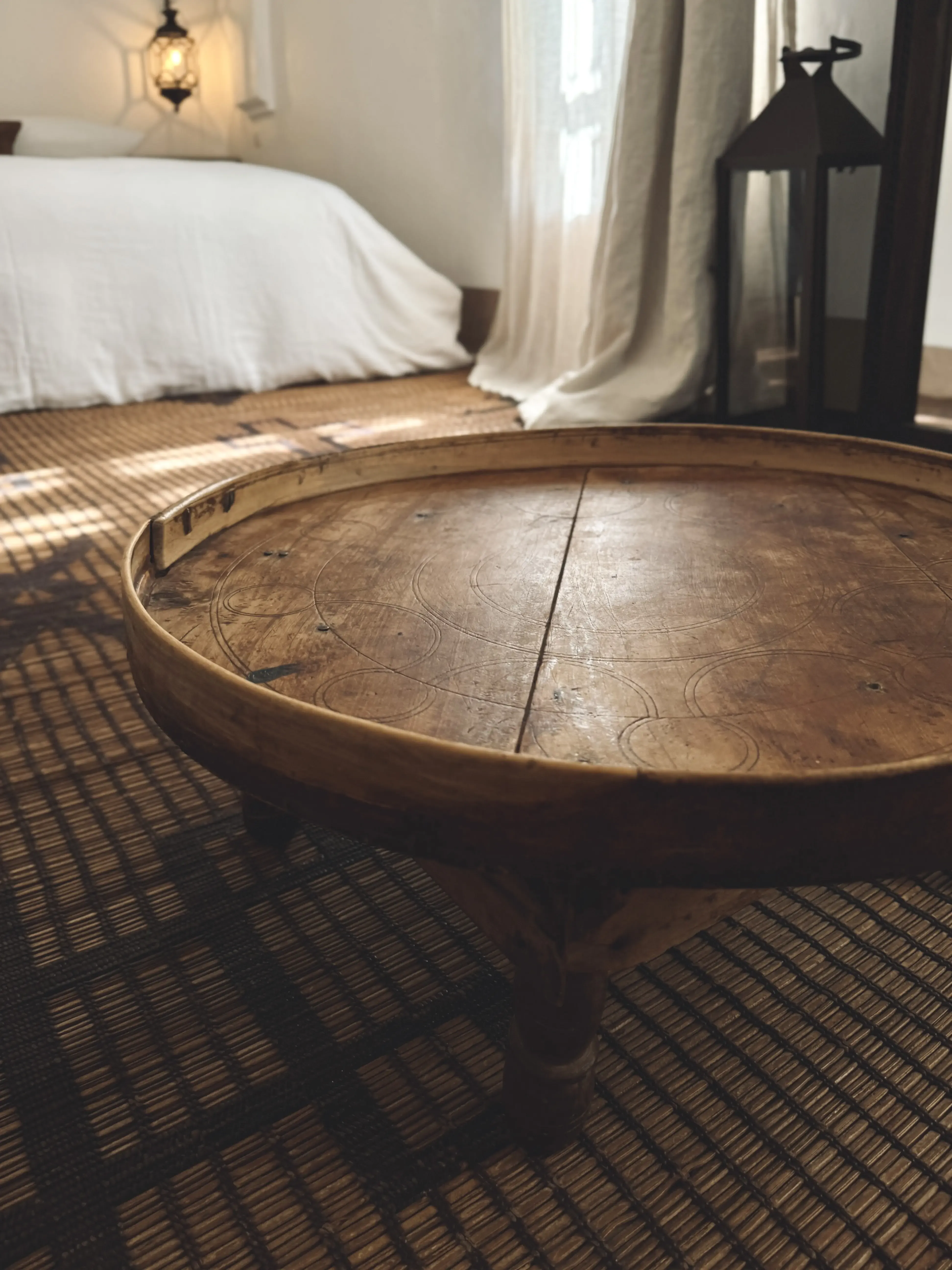
Yaf — Pacha Apartment
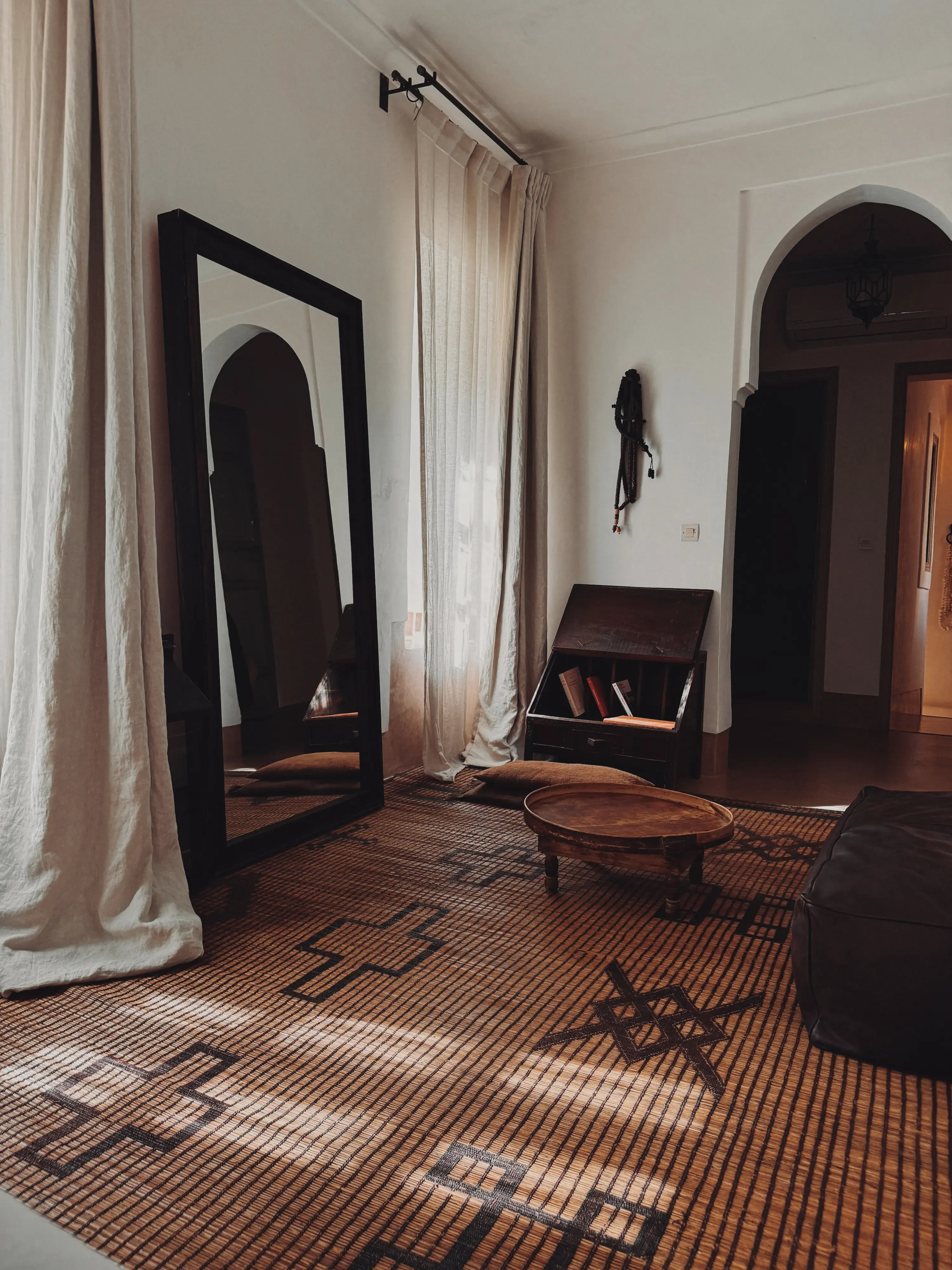
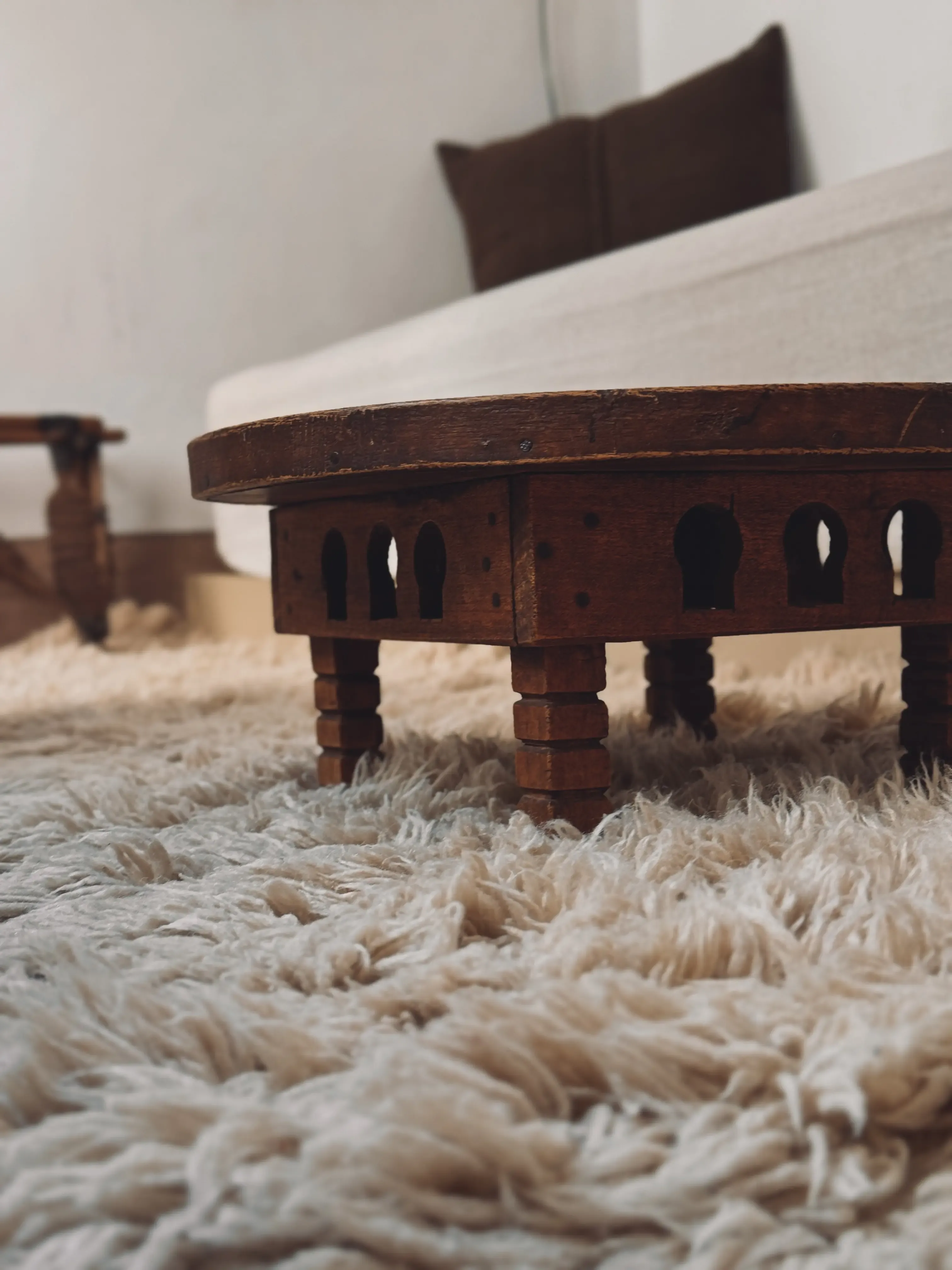
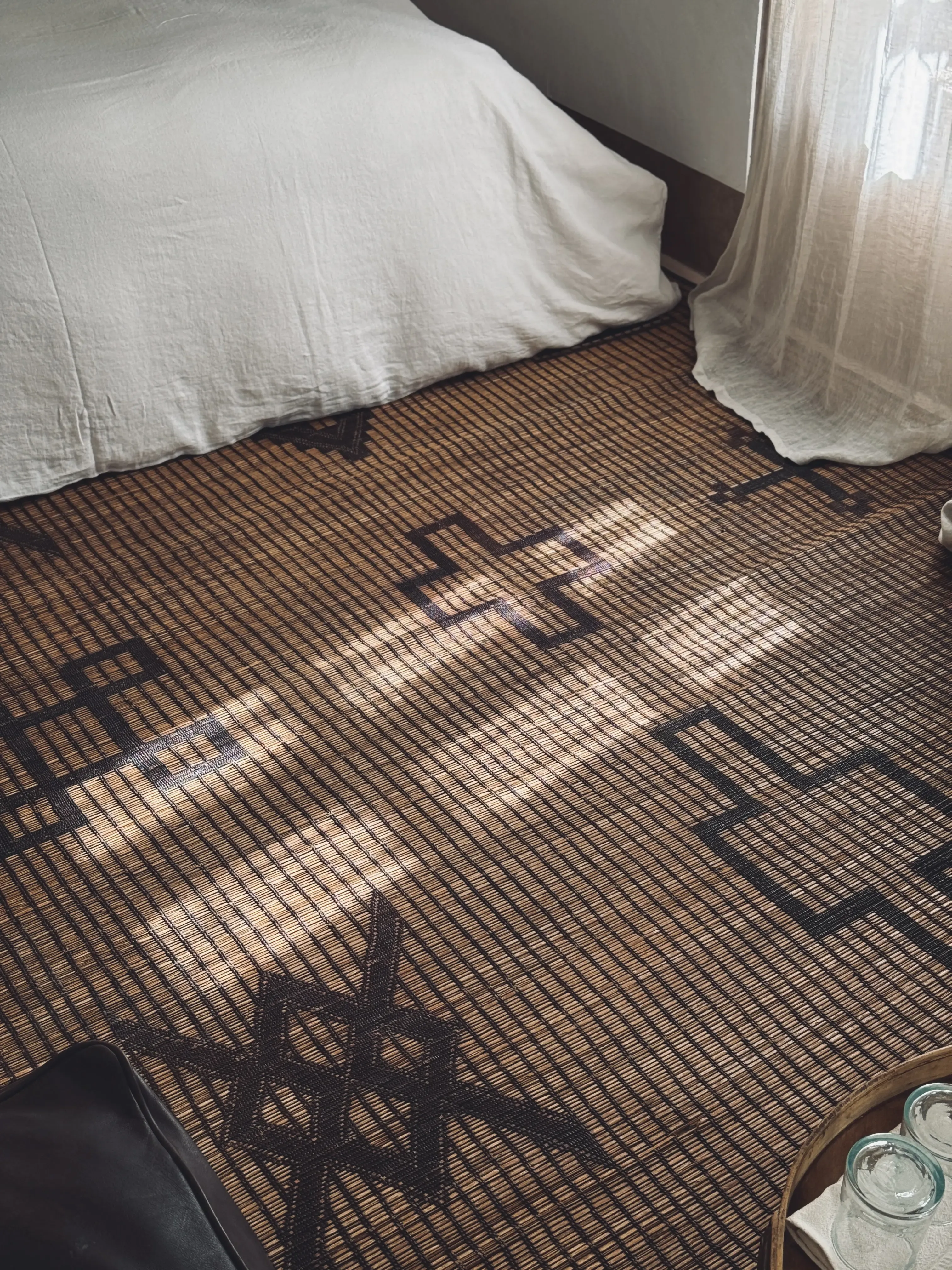
The Pacha apartment, with its own lounge, a sunlit terrace and a private pool — room for four, well away from the rest of the house. Queen-size bed, dressing room, coffee machine, kettle and mini fridge, air conditioning and a safe.
Yaf — Pacha Apartment
Why book with us

Best Price Guarantee

Full Access to Content Library

Personalized Itinerary

A Gift with Every Booking

24/7 Support
Amenities
A tiled courtyard with a plunge pool, a garden, a lounge and a roof terrace over the Medina; the kitchen cooks breakfast and dinner.
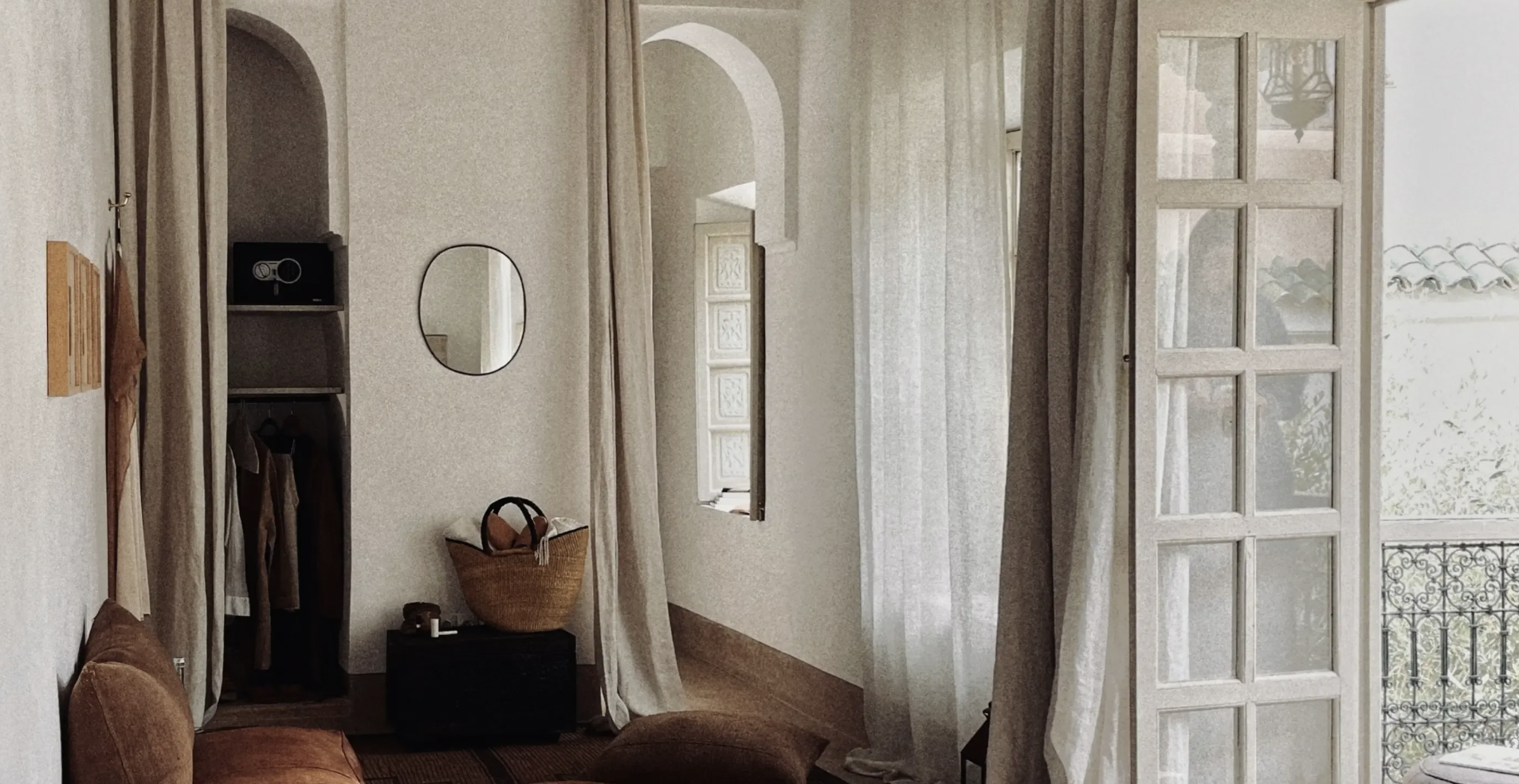
Photography © Riad Berbère.
MARRAKECH | MAY 2026
A Berber Sanctuary Hidden in the Heart of the Marrakech Medina
Step off Jemaa el-Fna and into the medina’s tangle of alleyways, and the city pulls its own volume down. Within a few minutes’ walk, the tourist-heavy souks give way to the quieter quarter of Kaat Benahid, where children play football in the narrow derbs and metalworkers’ hammers keep their steady rhythm. At the end of one such passage, a heavy cedar door opens onto Riad Berbère — a thirteenth-century house remodelled in the seventeenth, and today a guesthouse of just five rooms that operates less as a hotel than as an extended home.
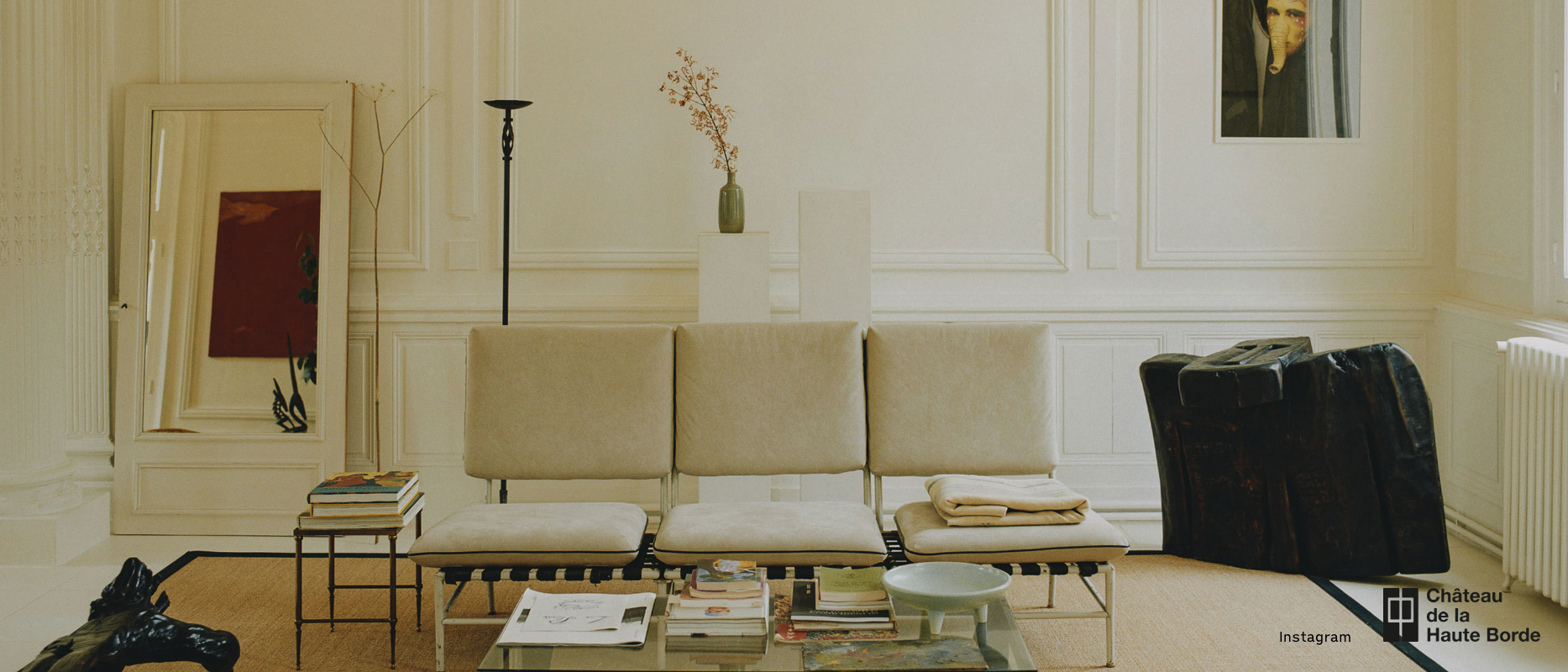
The riad is the work of Sandrine Henry, its French interior designer and co-founder, whose deep affection for Morocco is evident in every gesture. Rather than import a polished expatriate aesthetic, Henry has chosen to foreground Berber craft — the rugs, ceramics, textiles and metalwork of the Atlas Mountains and the Ourika Valley — and to layer it with antiques gathered over a decade of travel. The effect is unforced, more home than hotel. Walls are finished in tadelakt the colour of desert dawn; floors are warm terracotta; doors are carved cedar; and alcoves cradle groupings of hammered copper pots and hand-thrown pottery.
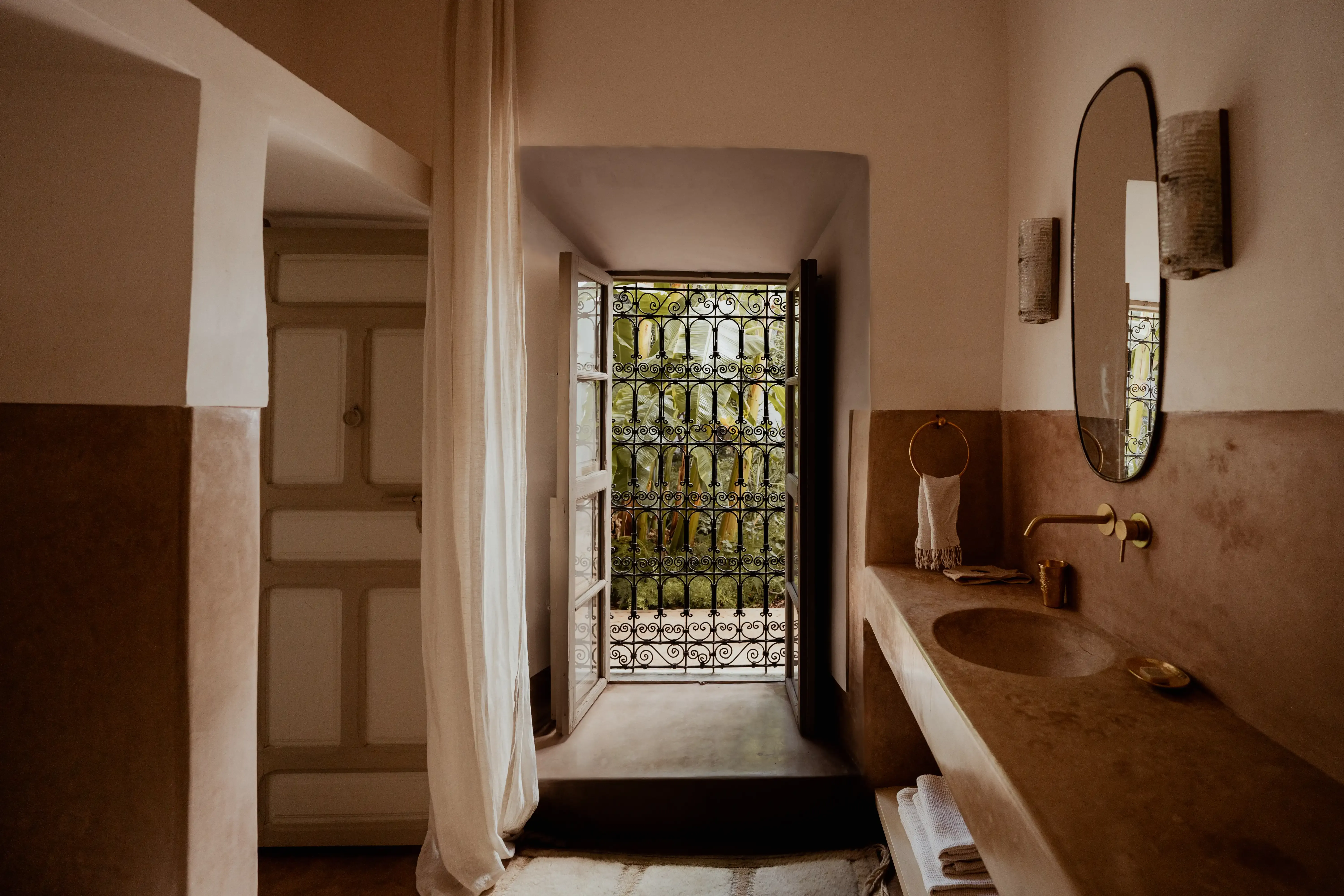
The three suites and two double rooms are each arranged around the central patio — a sunlit courtyard planted with orange and olive trees and centred on a small plunge pool. The suites lean antique: heavy textiles in burnt orange and deep green, vintage kilims and framed hand-drawn Amazigh motifs; the double rooms feel more garden-bound, opening directly onto the patio with shutters that can be thrown back on cooler mornings. Bathrooms are finished, again, in tadelakt — silky to the touch, softening every surface with its characteristic sheen.
Meals at Riad Berbère are unshowy and domestic in scale. Breakfast is a long, slow affair of msemen, fresh figs, labneh and mint tea taken on the patio or the rooftop; dinner is served by request, a single changing Berber-inflected menu built around whatever the market has offered that morning. The rooftop terrace, lanterns hung overhead, is where guests tend to end their days, looking across the medina’s tiled roofs towards the Atlas in the distance. For those who want a hammam, one of the medina’s best sits minutes away. What Riad Berbère offers, more than anything, is the rare pleasure of being a guest rather than a customer.