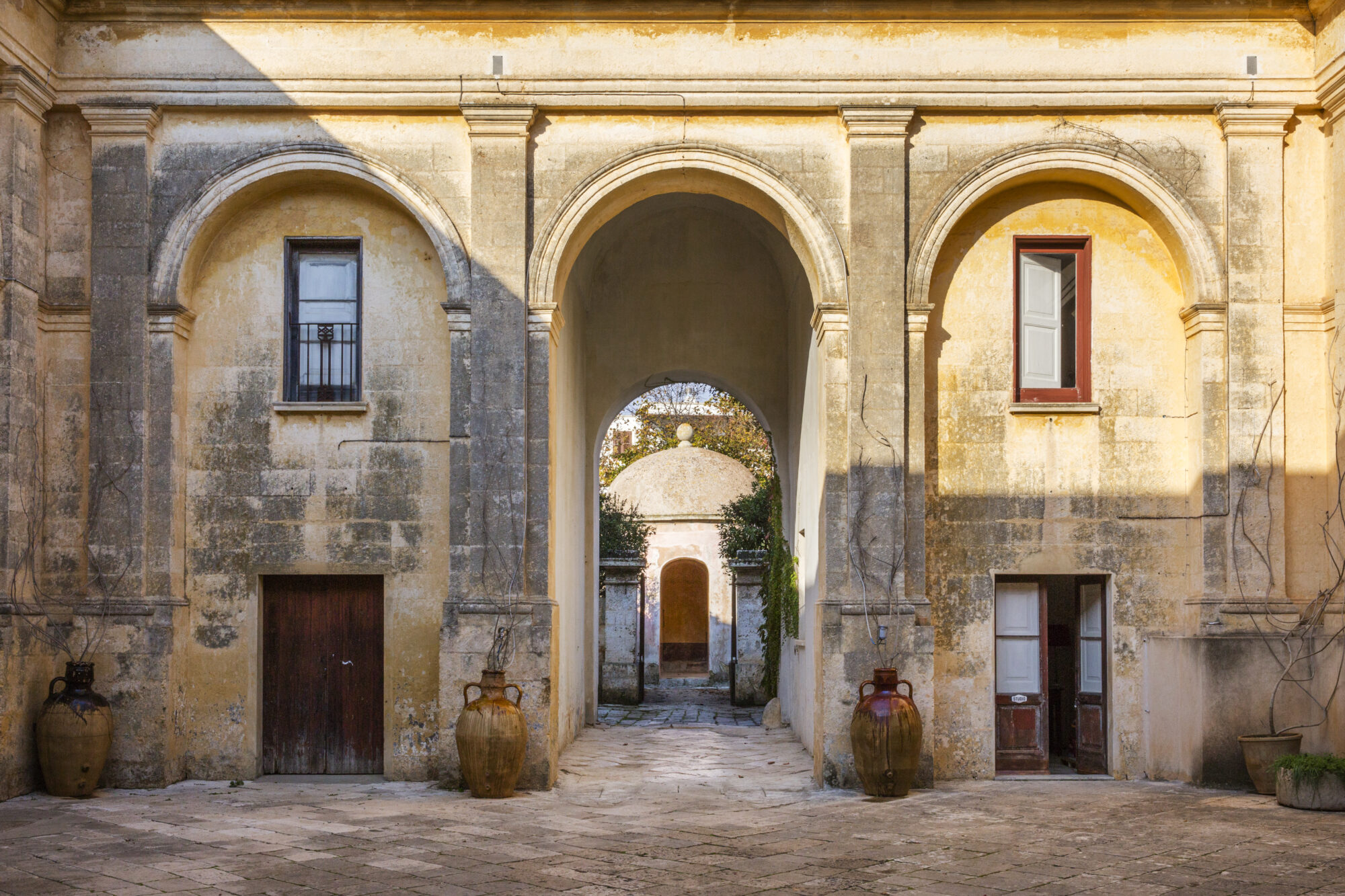
Three Houses Around a Courtyard That Was Not There Before
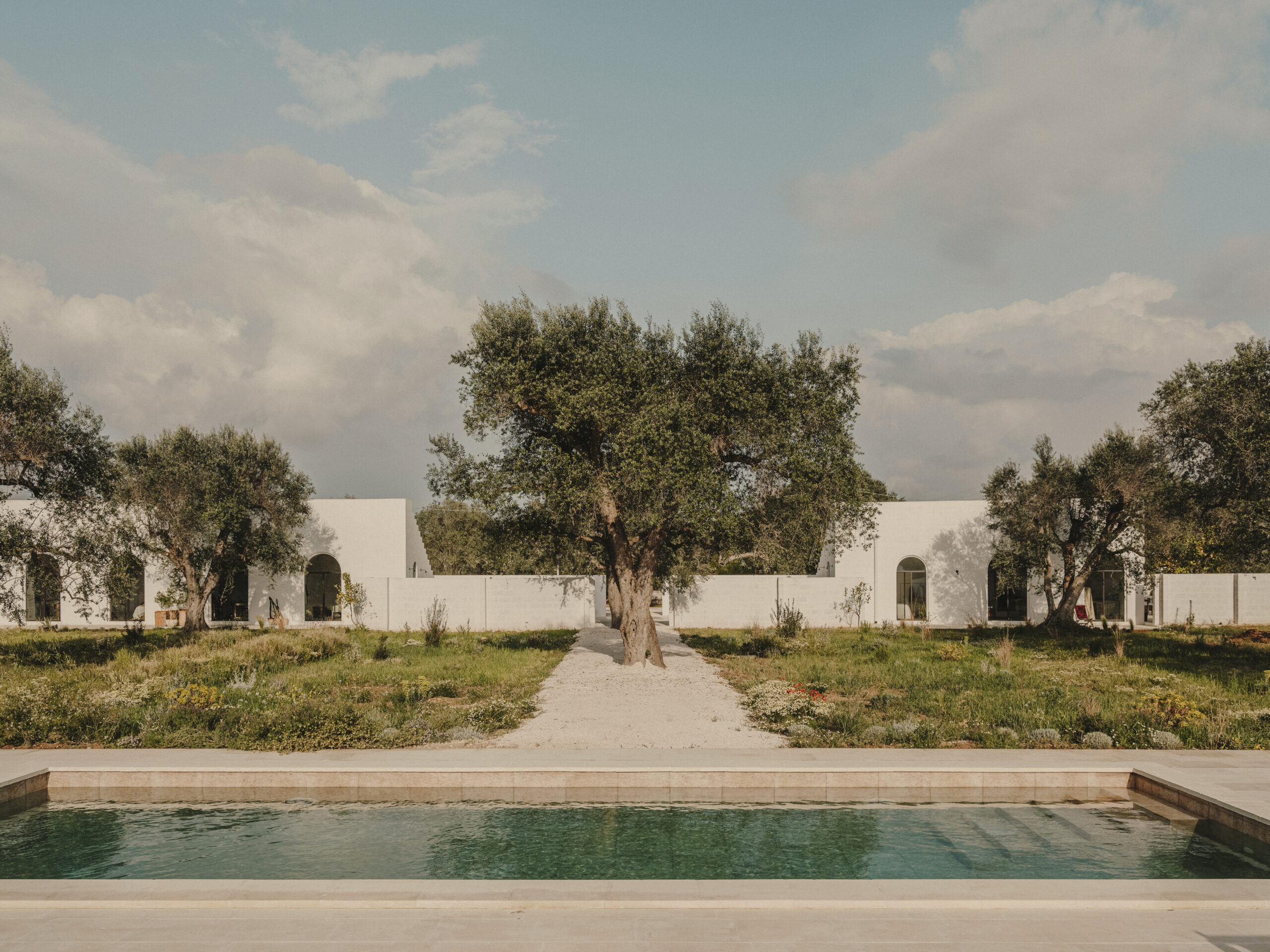
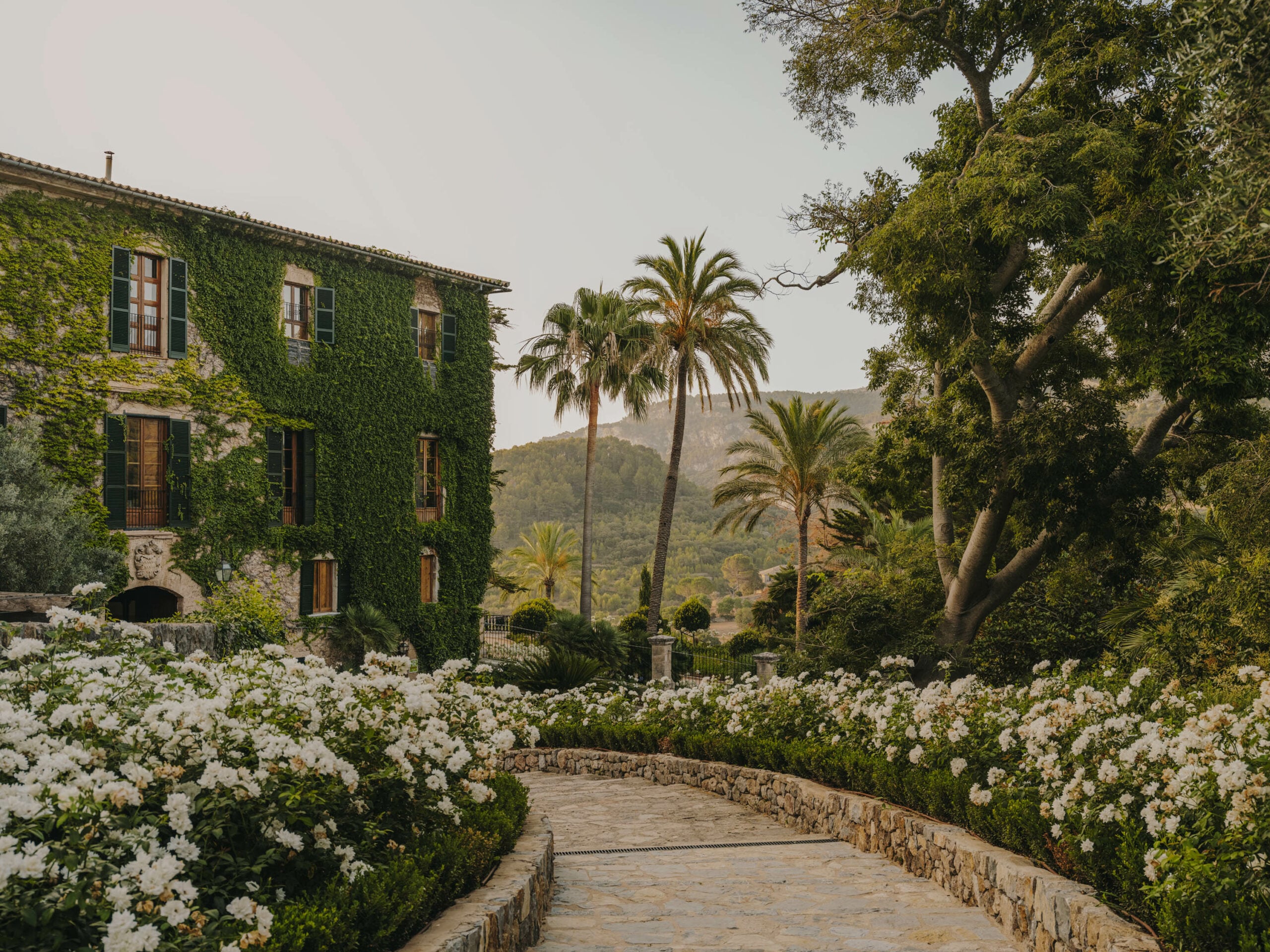
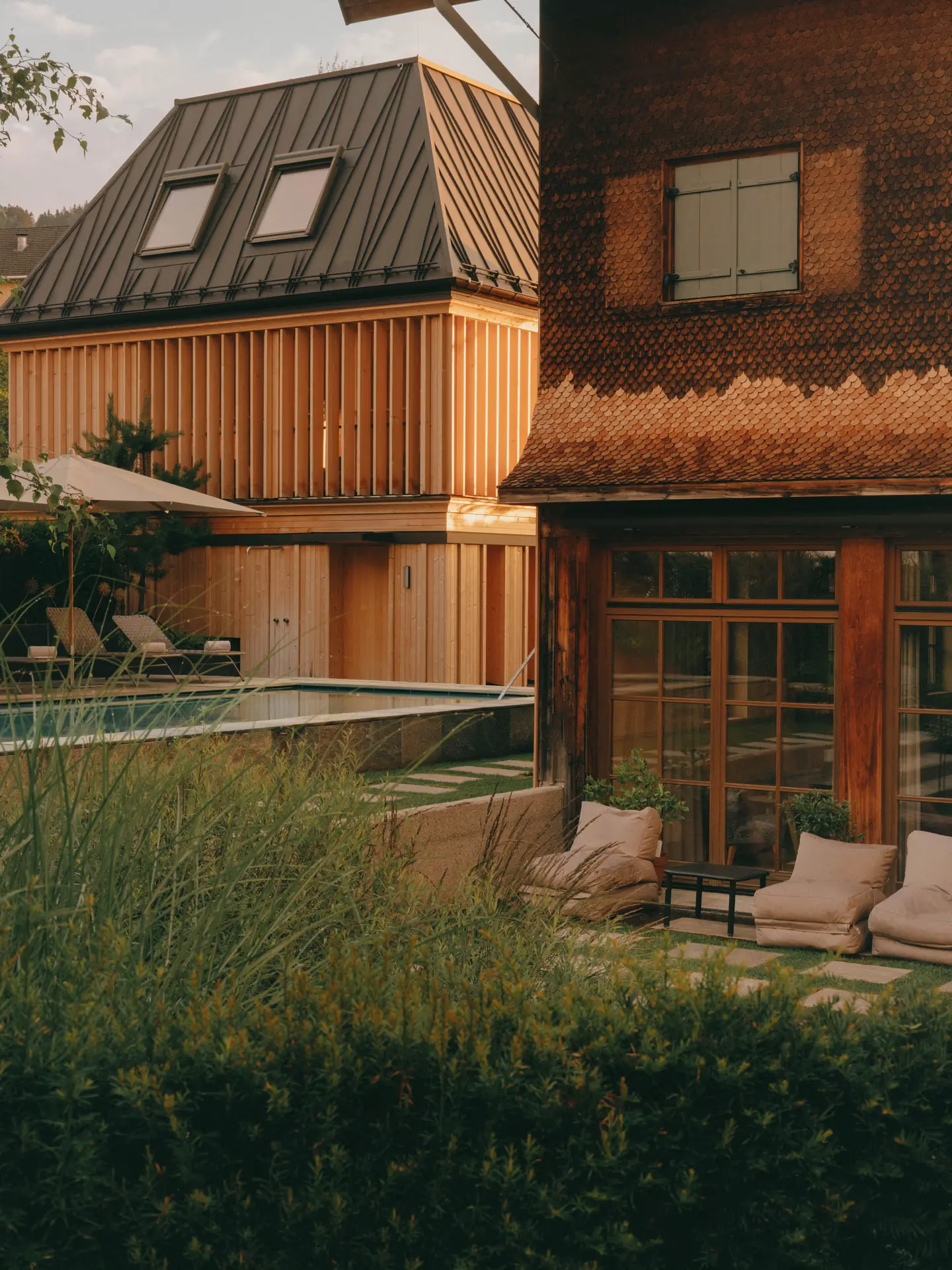
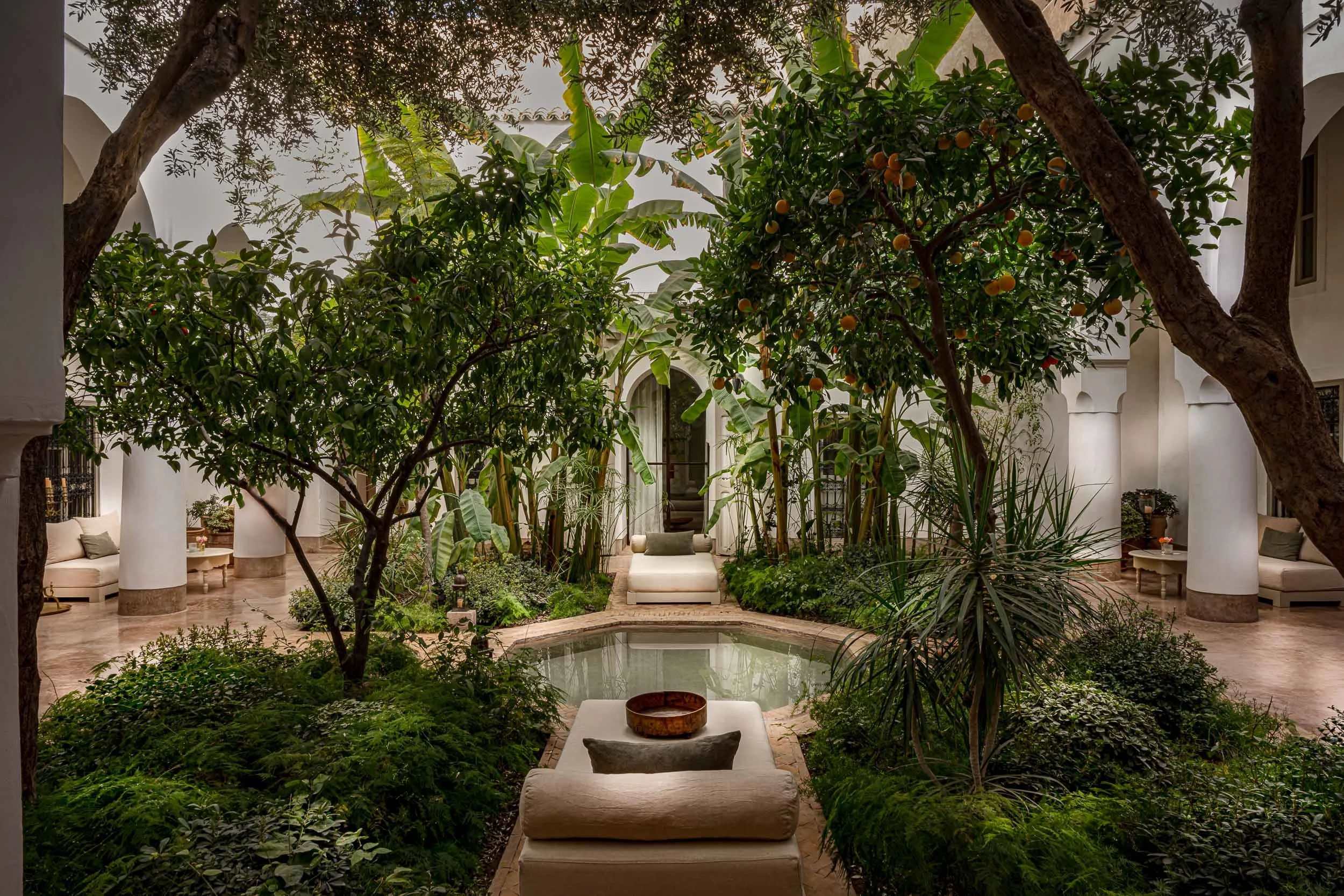
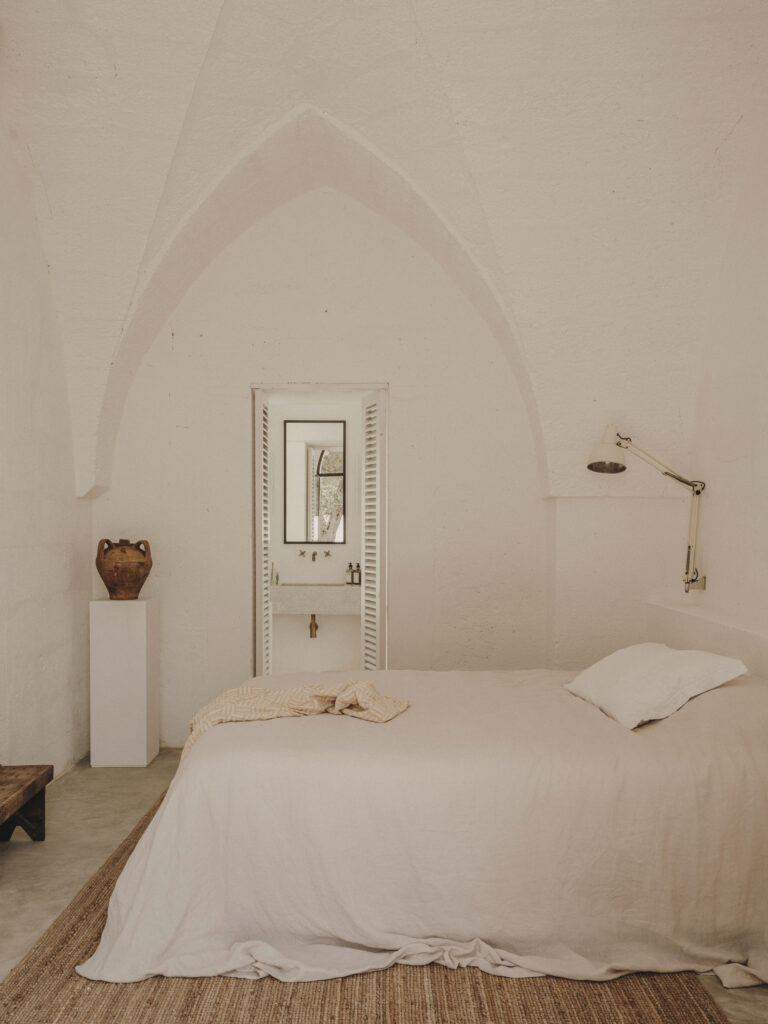
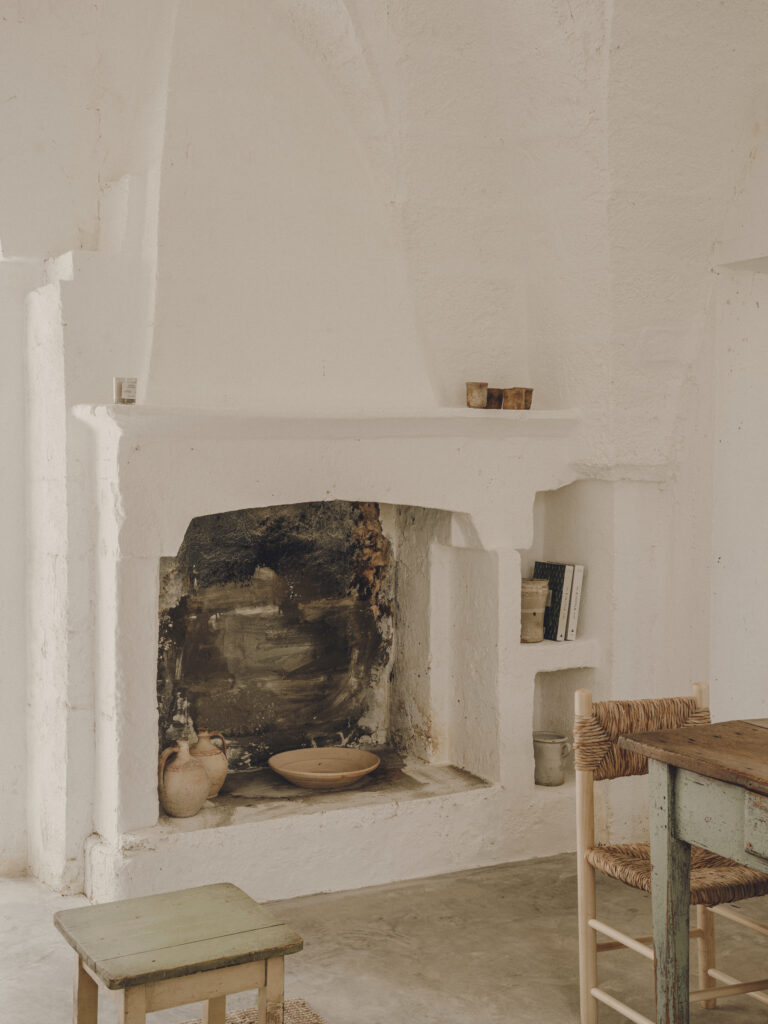
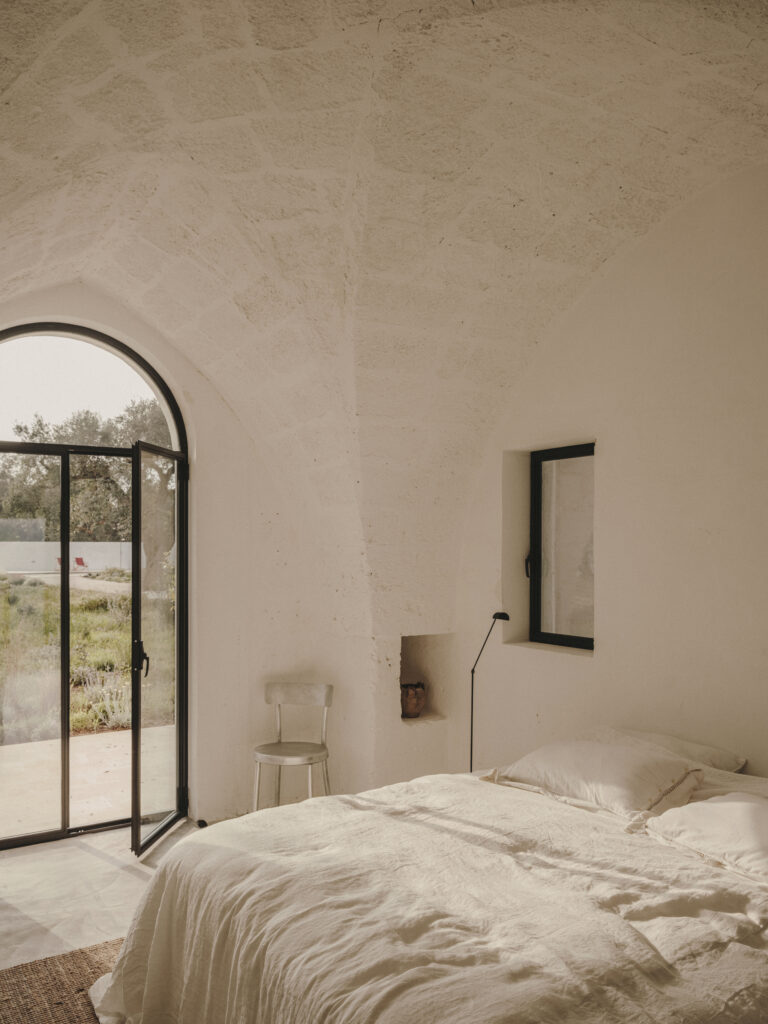
Giuseppe De Vanna grew up in Puglia, left for Milan at eighteen, and came back to a pair of derelict farm structures in the countryside outside Oria, beside an olive grove that has been there for centuries. Andrew Trotter cut a courtyard between the two buildings, added two outside staircases and a pair of extensions, and turned them into three self-contained one-bedroom houses — Camino, Luce and Limone. They are built in the local sandstone, whitewashed, with vaulted ceilings, poured cement floors, stone sinks cut to measure and slim black steel windows. Each has its own garden with a pergola and a barbecue, and a masonry bathtub outdoors. Between them: a lawn, fruit trees, a ten-metre pool and the olive grove.
- Best price guarantee
- Full access to content library
- Personalized itinerary
- A gift for every booking over three nights
- 24/7 support
Photography © Borgo Gallana.
Rooms & Availability
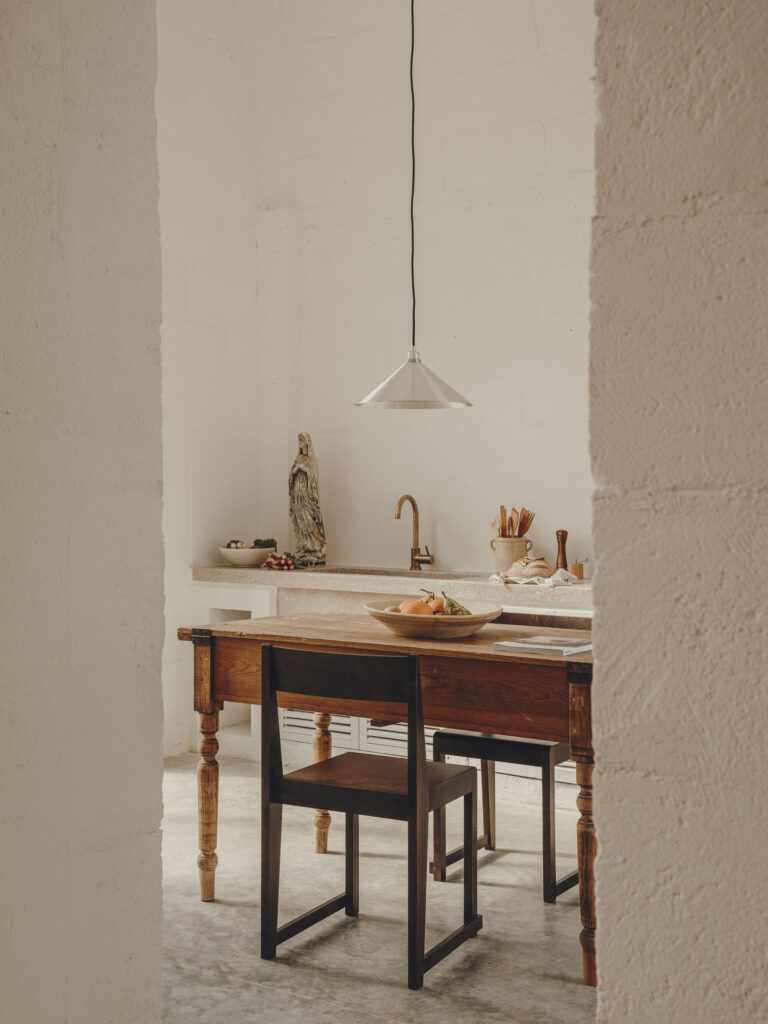



Casa Limone

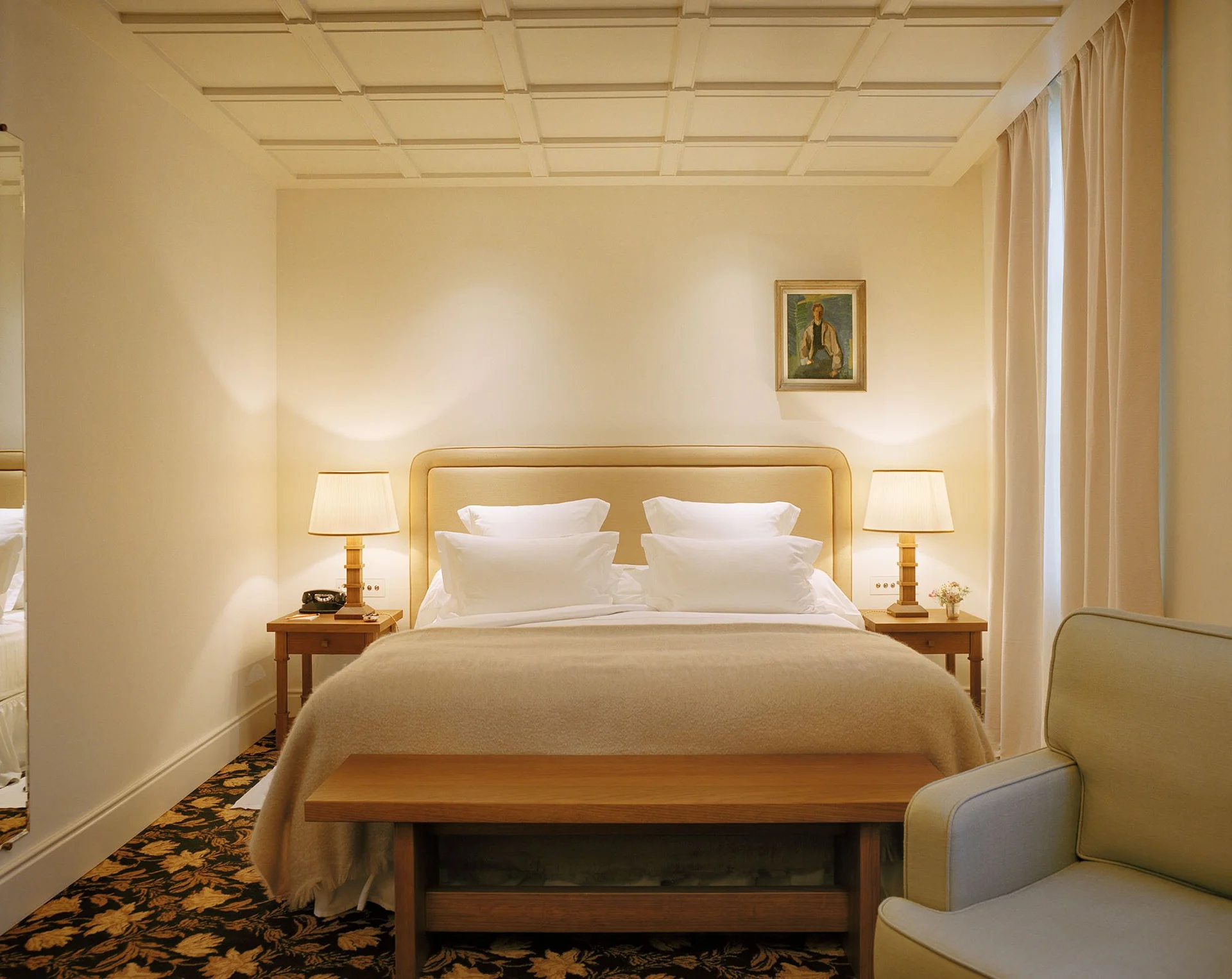
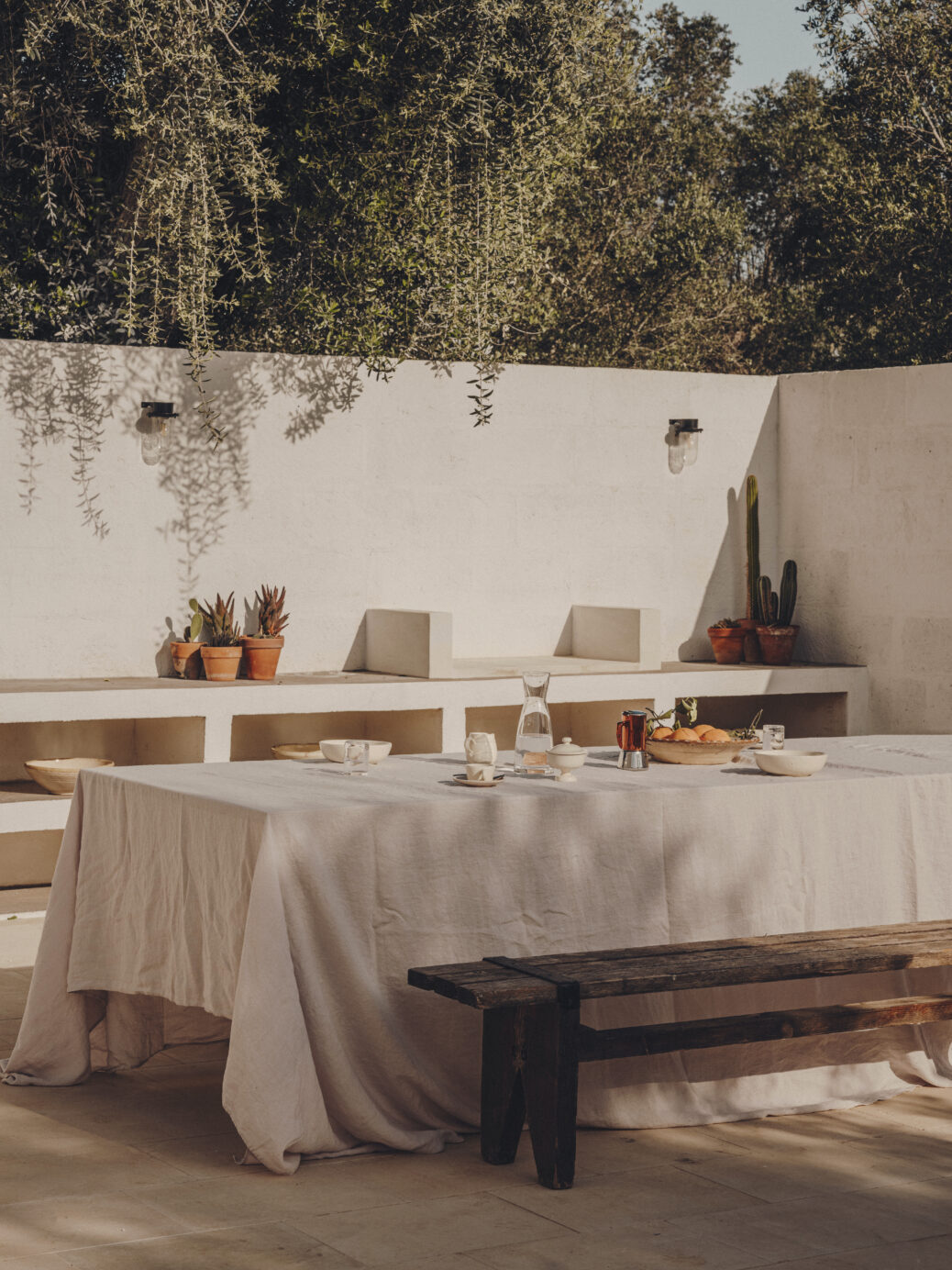
The smallest house inside and the one with the largest garden — seventy square metres of it, under a pergola, with a dining table and a barbecue. King bed, ensuite with a walk-in shower, a masonry bathtub outdoors, and a kitchen of its own.
Casa Limone


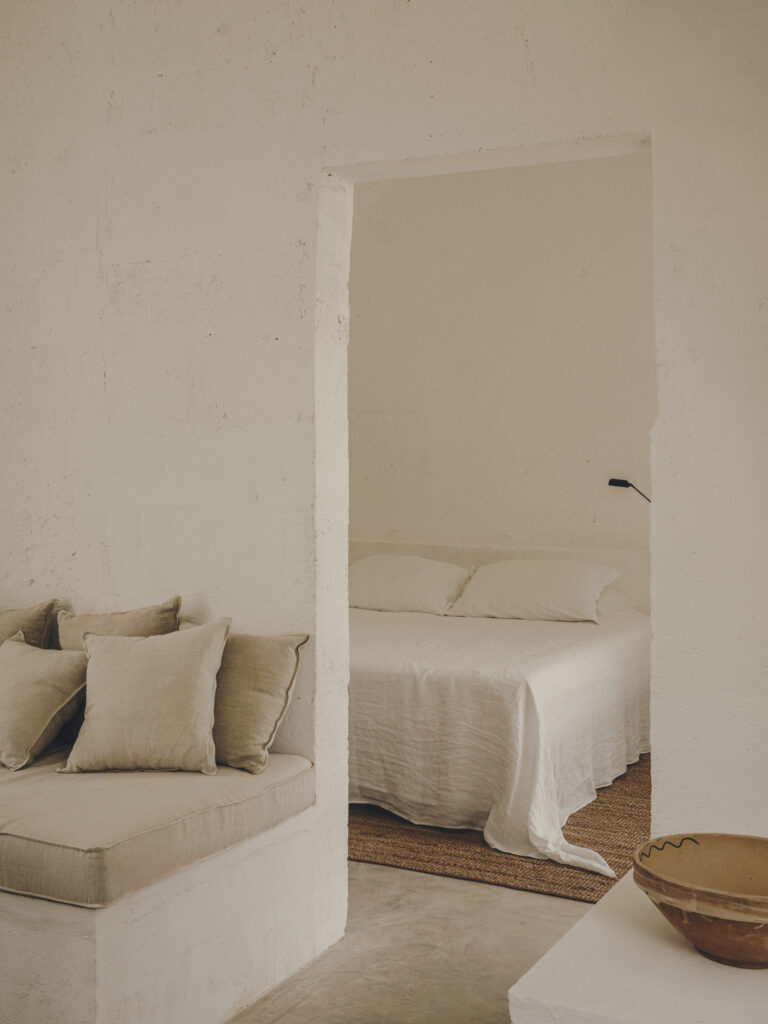
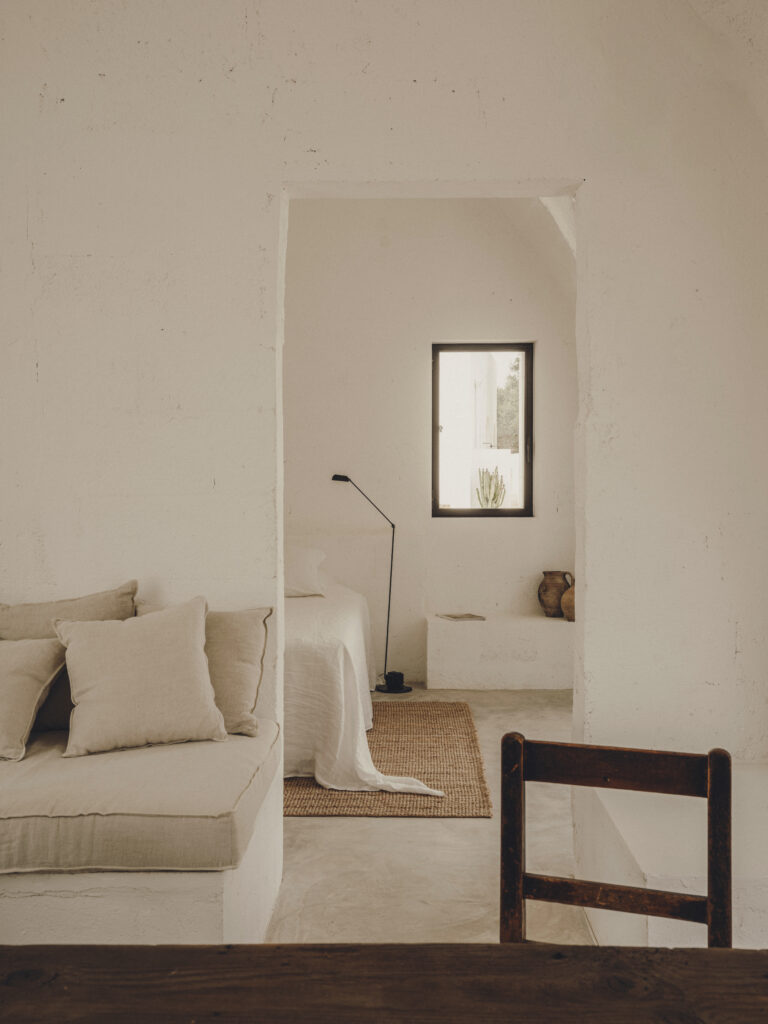
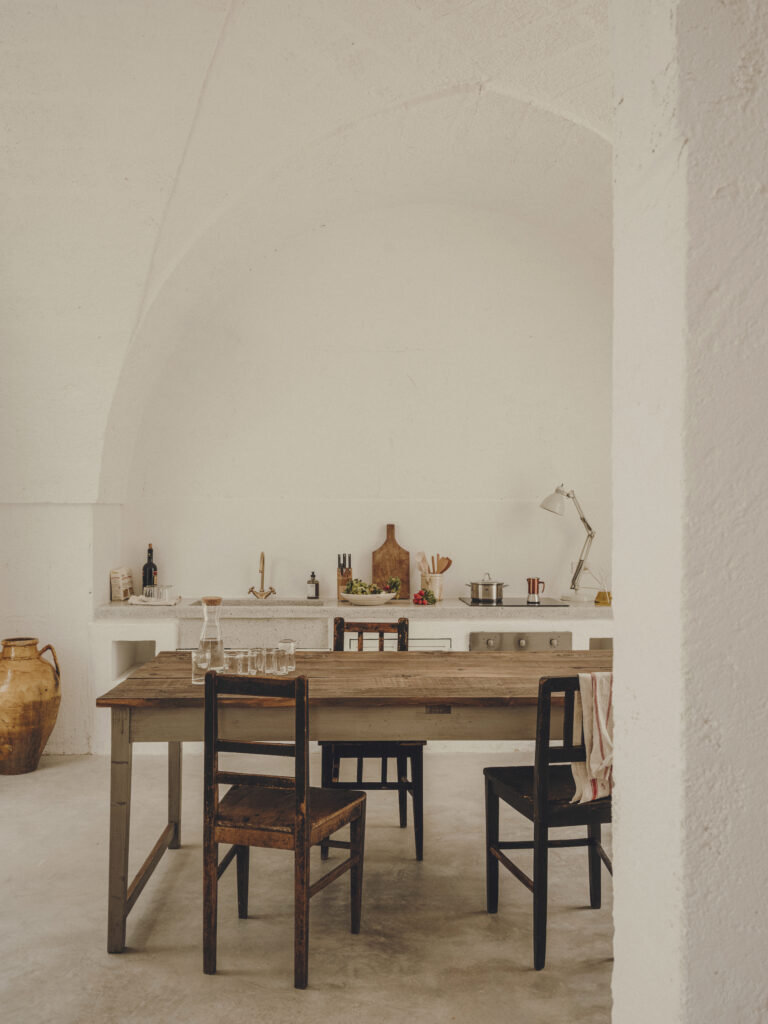
Casa Luce
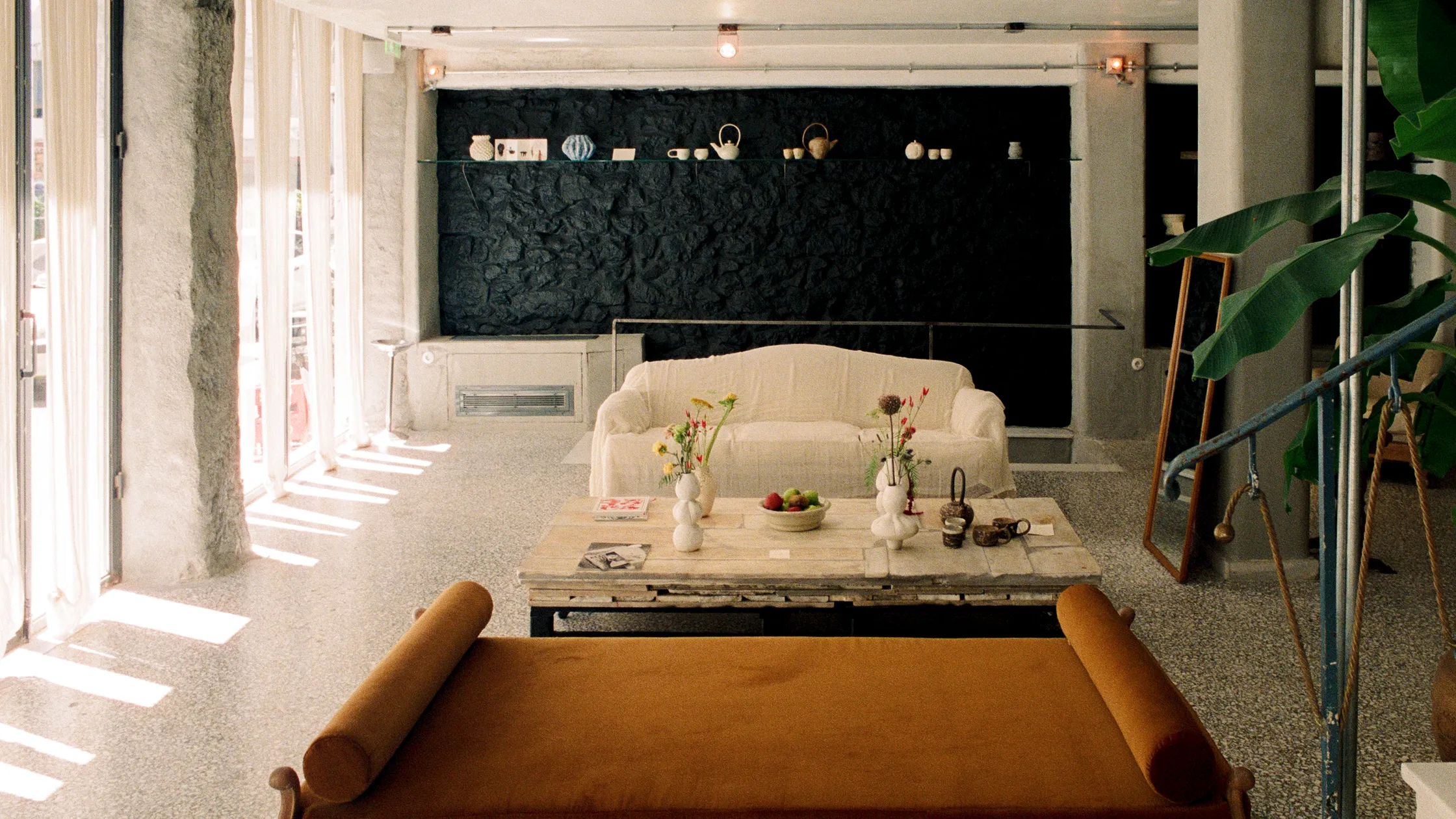
A living room with the kitchen open into it, and a garden with a full outdoor kitchen and a barbecue. King bed, ensuite with a walk-in shower, and a masonry bathtub in the open air.
Casa Luce
Casa Camino
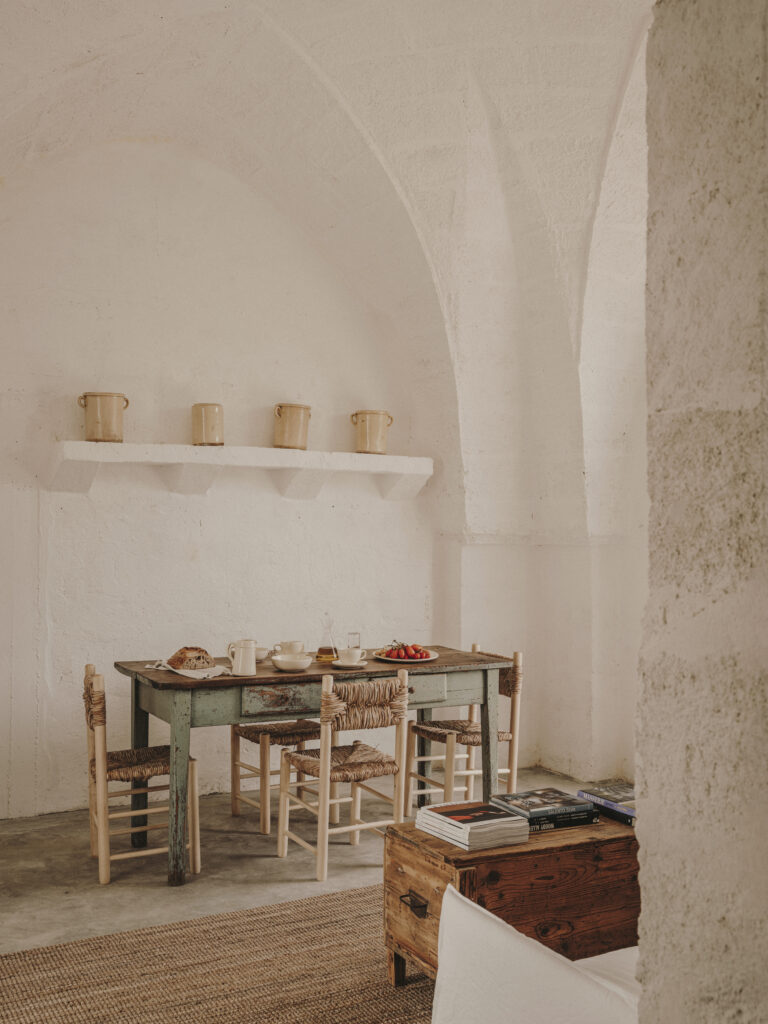
The largest of the three, and the only one with a separate living room and a separate kitchen. A sofa bed takes it to four. Its garden has a pergola, a dining table and a barbecue; the bathtub, as everywhere here, is outside.
Casa Camino
Why book with us

Best Price Guarantee

Full Access to Content Library

Personalized Itinerary

A Gift with Every Booking

24/7 Support
Amenities
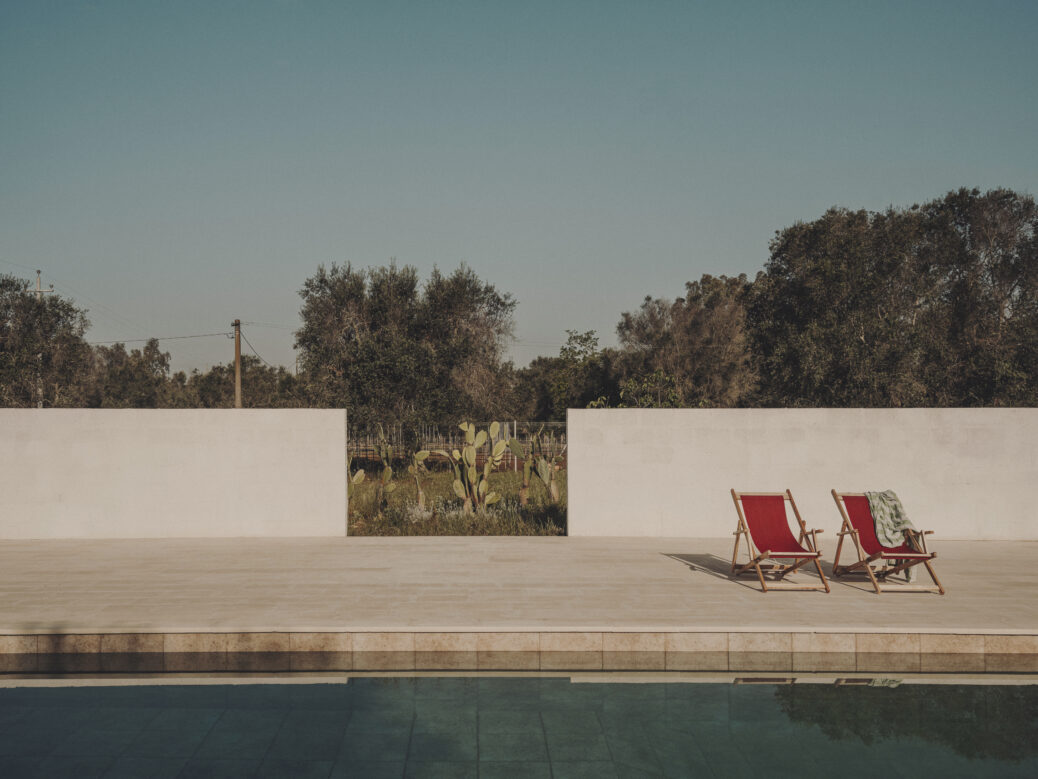
No reception and no restaurant: three houses with their own kitchens and gardens around a shared lawn, a ten-metre pool and an olive grove that has stood here for centuries.
Photography © Borgo Gallana.
ORIA | SEPTEMBER 2026
Whitewashed Tufo, Black Steel and a Kitchen in Every House
Oria is a hill town of fifteen thousand in the province of Brindisi, inland from the Adriatic, with a Swabian castle on top of it and, below, the flat farmed country of the Alto Salento. Borgo Gallana is five kilometres out, at the end of a track: two old rural buildings that had been left to fall down, and an olive grove of considerable age around them. It belongs to Giuseppe De Vanna, who was born and raised here, studied economics and went to work in Milan at eighteen, and describes the place as his mother's Puglia and his grandmother's.
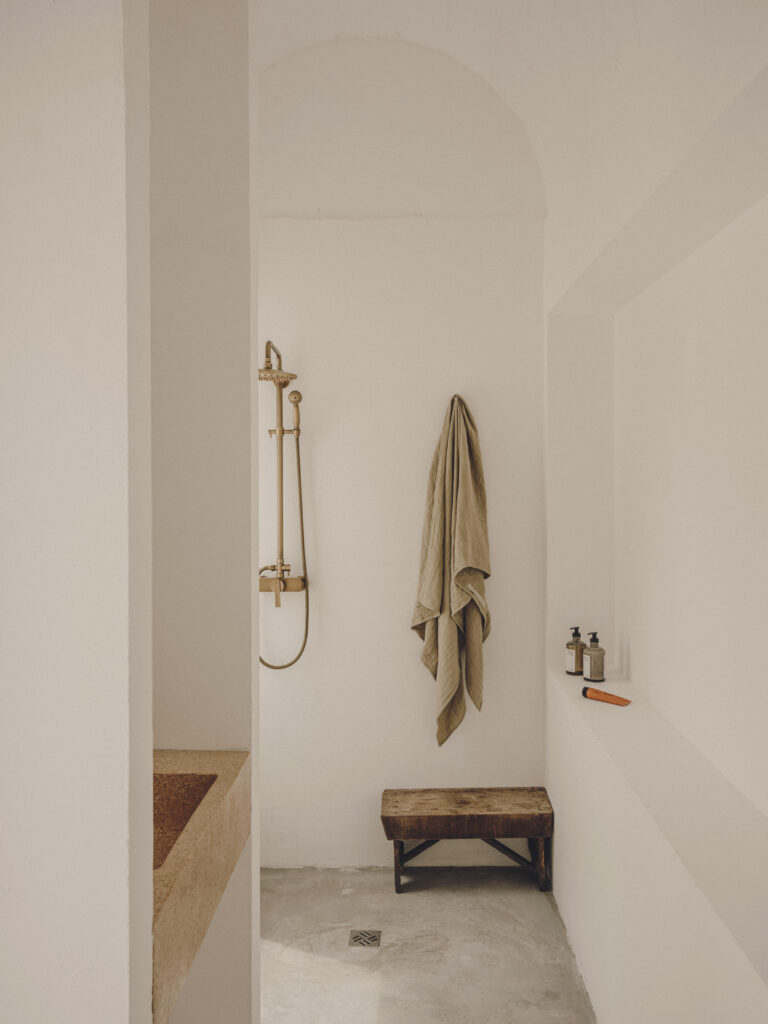
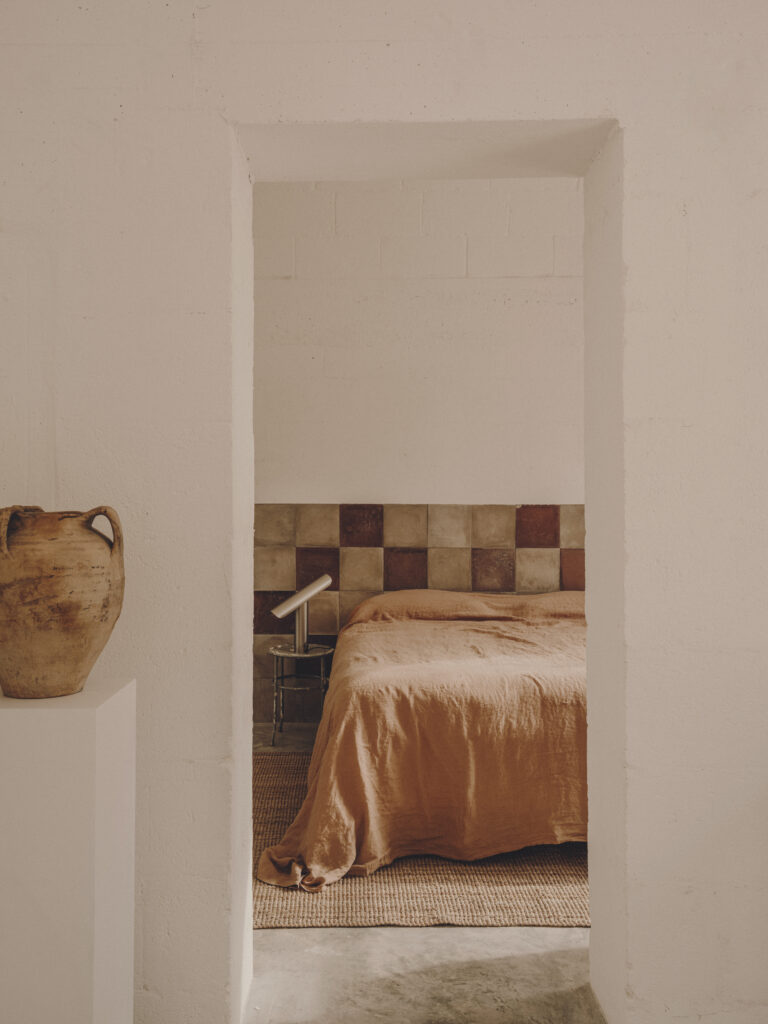
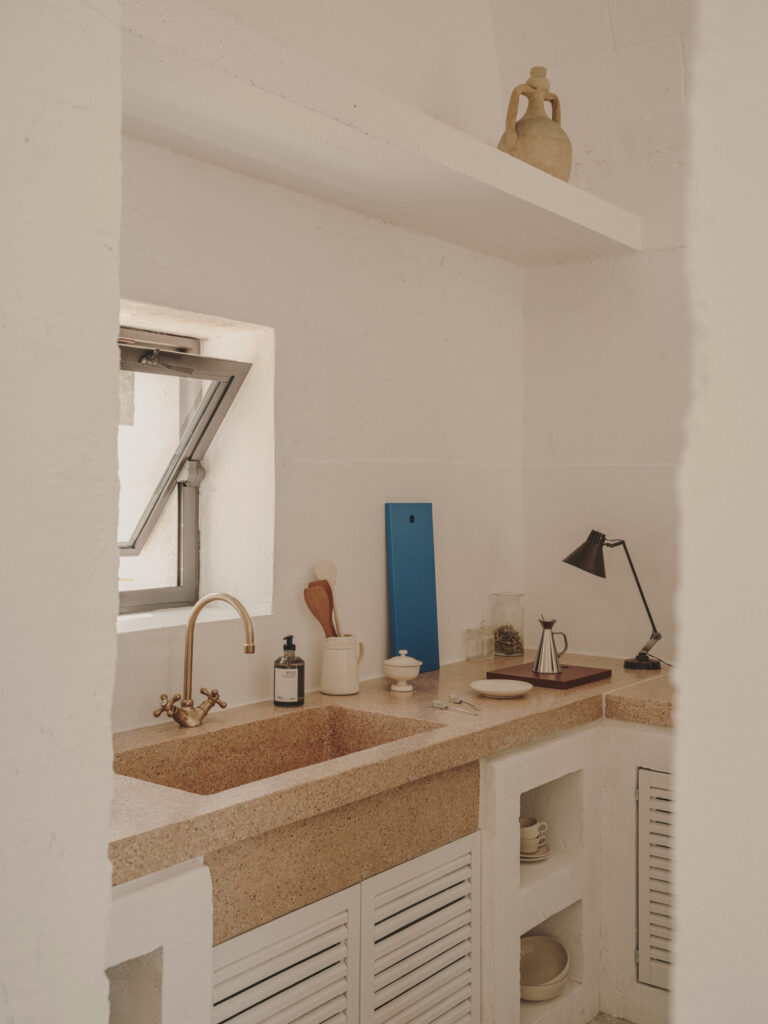
The architect was Andrew Trotter, who works out of Barcelona and has done much of the region's better-known recent restoration. His move was to make a courtyard where there had not been one, between the two structures, and to hang two external staircases and two extensions off them. The result reads as one small hamlet with three front doors. The walls are the local tufo sandstone, limewashed; the ceilings are vaulted; the floors are poured cement; the sinks and kitchen counters are cut from stone on site; the windows are slim black steel profiles. The furniture is Frama, Gervasoni and Tine K Home, the ceramics are by Nicola Fasano from Grottaglie down the road, and the garden — lawn, fruit trees, Mediterranean and medicinal planting among the olives — was made by the artists behind Lamia Santolina.
Camino is the largest at seventy square metres, with a separate living room and a separate kitchen, and a sofa bed that takes it to four; Luce is fifty, with an open kitchen in the living room and a full outdoor kitchen in its garden; Limone is the smallest inside at forty and has the biggest garden, seventy square metres of it. Each has a king bed, French doors to its own garden, an ensuite with a walk-in shower, and a masonry bathtub outside with a shower beside it. Each has a proper kitchen — oven, induction hob, dishwasher, espresso machine.
There is no restaurant and no reception, and there is no spa: breakfast, a chef in the house, a massage, yoga or a car are all things you ask for in advance. The pool is ten metres by four and is shared between the three houses. The minimum stay is three nights. Brindisi airport is a half hour away, Ostuni and Ceglie Messapica about the same, and the Ionian beaches around San Pietro in Bevagna roughly forty minutes in the other direction.