The Working Palazzo
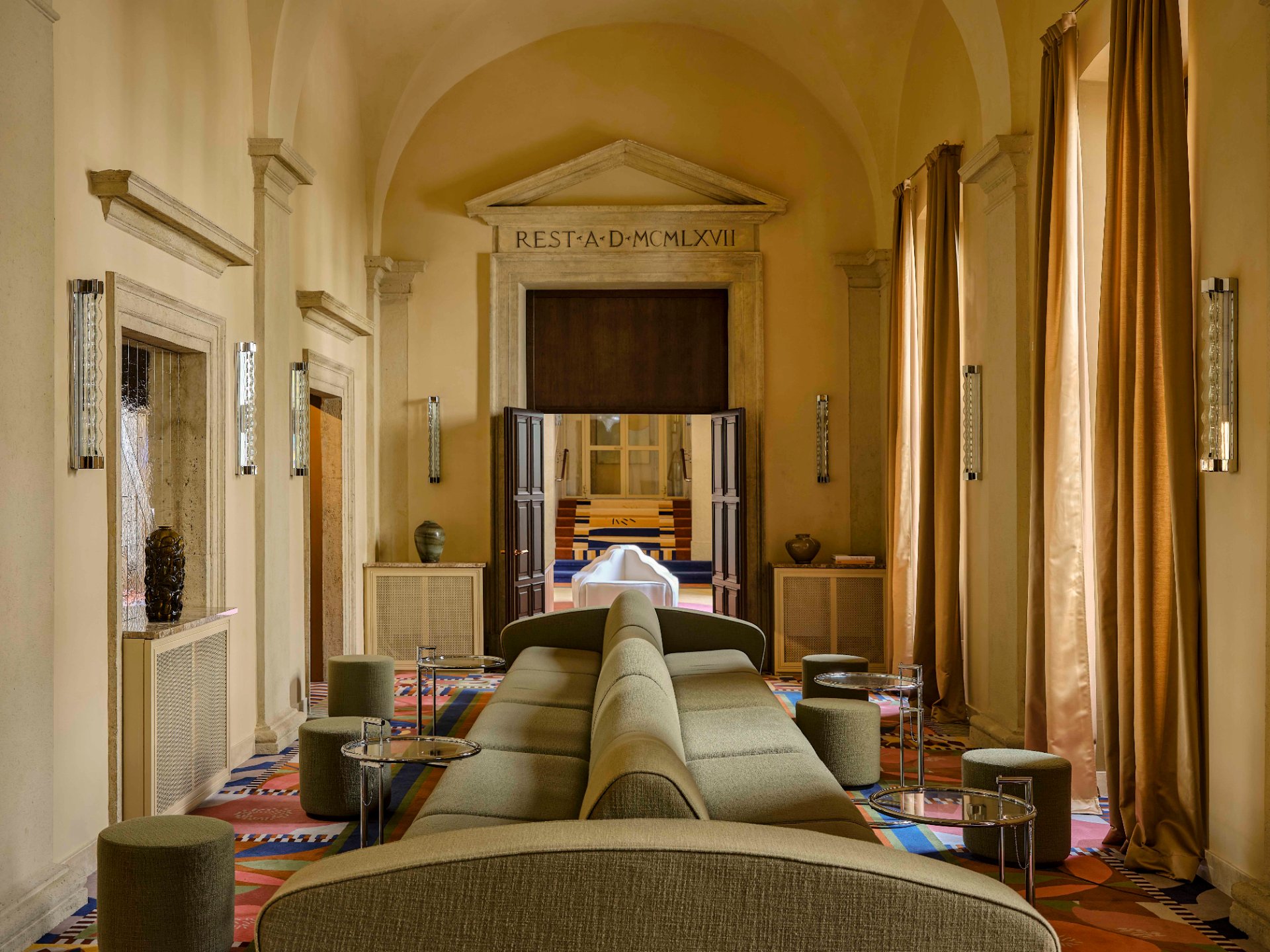
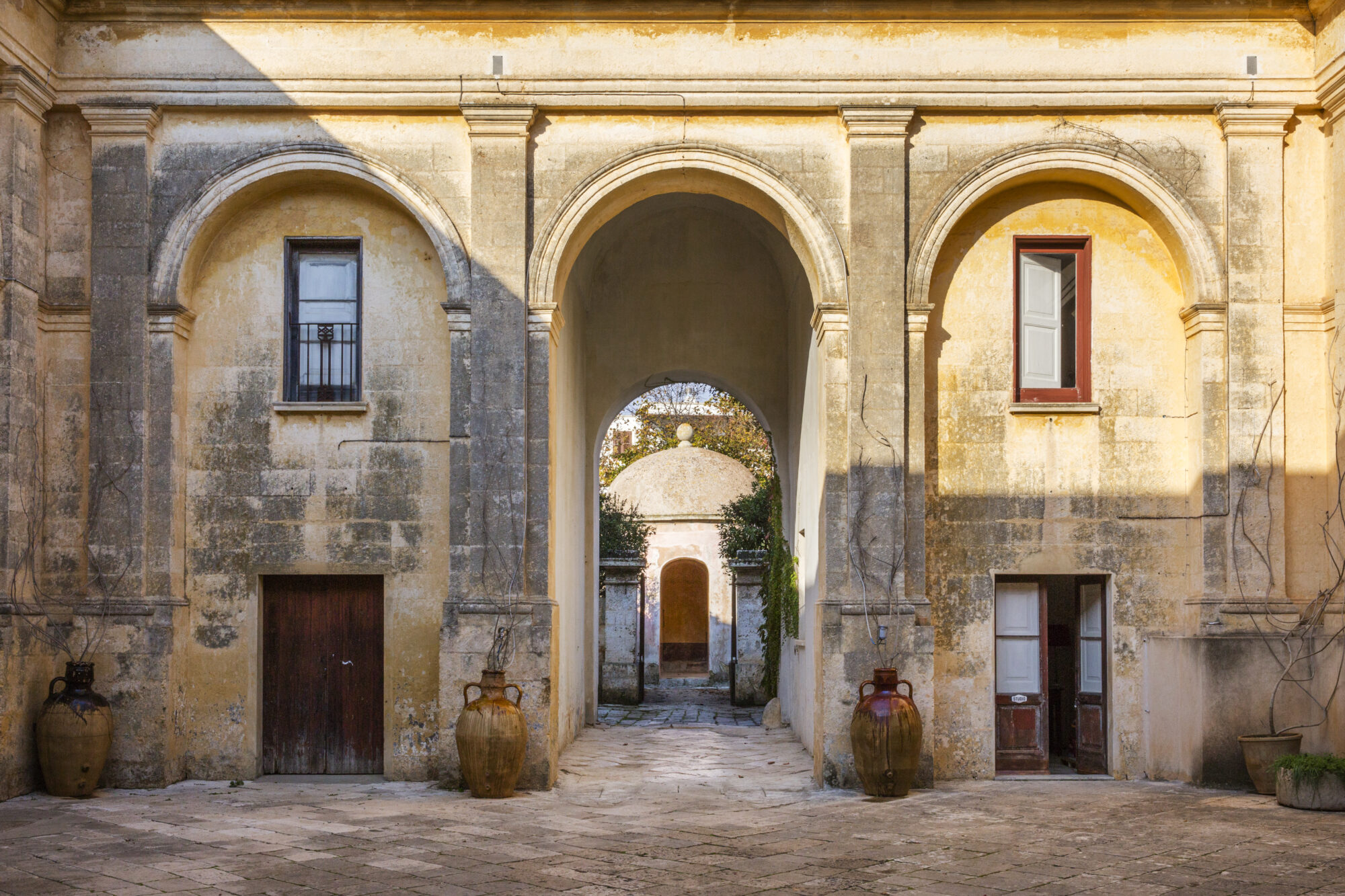
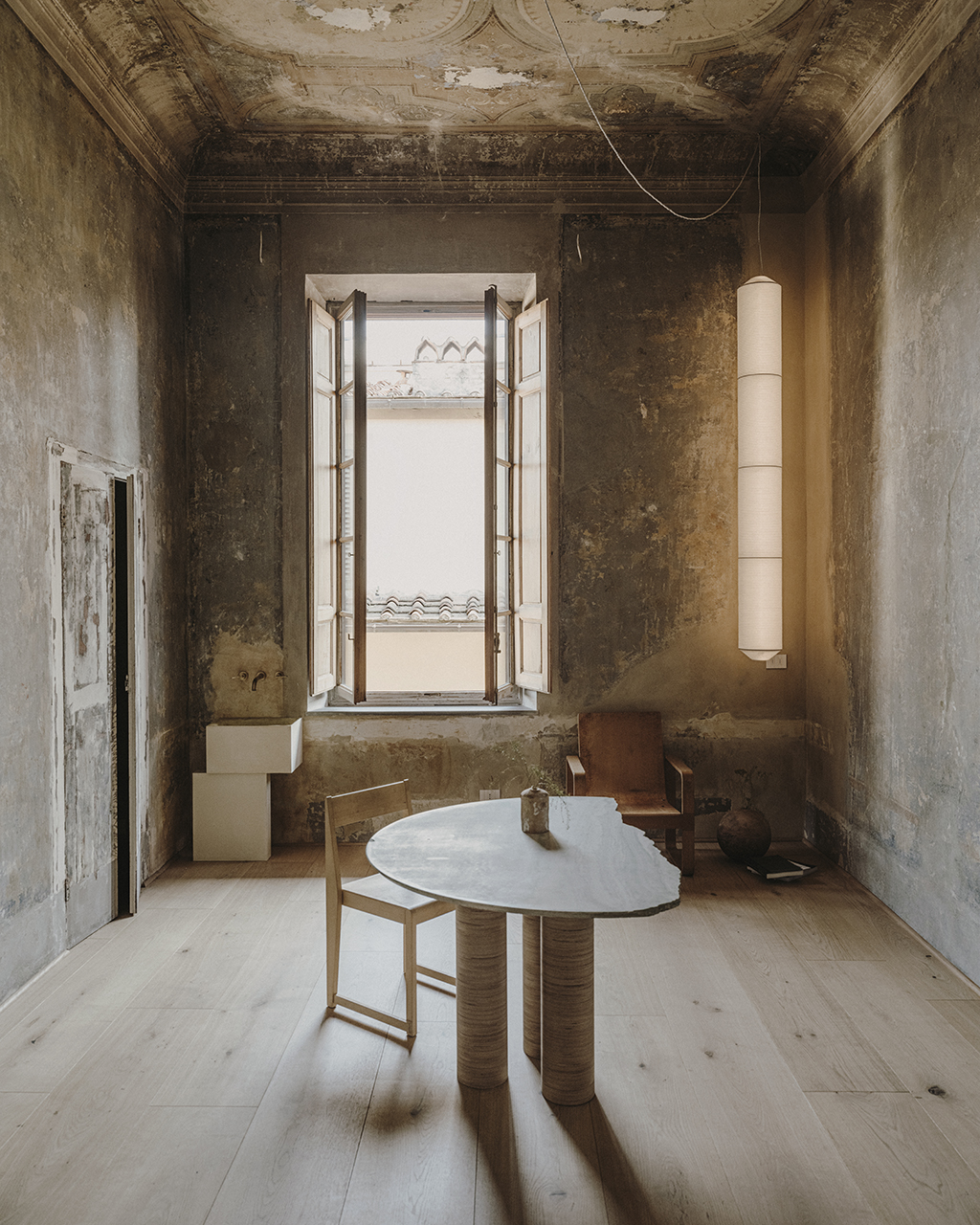
Behind an unmarked door on Via dei Pandolfini, between the Duomo and Santa Croce, Numeroventi inhabits Palazzo Galli Tassi, a 1510 noble pile with frescoes by the Baroque masters Fabrizio Boschi and Ottavio Vannini. Founded in 2016 by Martino di Napoli Rampolla, it is that rarest of hybrids: an artist residency in its bones, with seven frescoed lofts and suites kept open to curious travellers. Weathered plaster and faded frescoes were left exactly as found, set against muted finishes and vintage mid-century furniture. More a Florentine household than a working hotel — it works its magic slowly.
- Best price guarantee
- Full access to content library
- Personalized itinerary
- A gift for every booking over three nights
- 24/7 support
Photography © Numeroventi.
Rooms & Availability
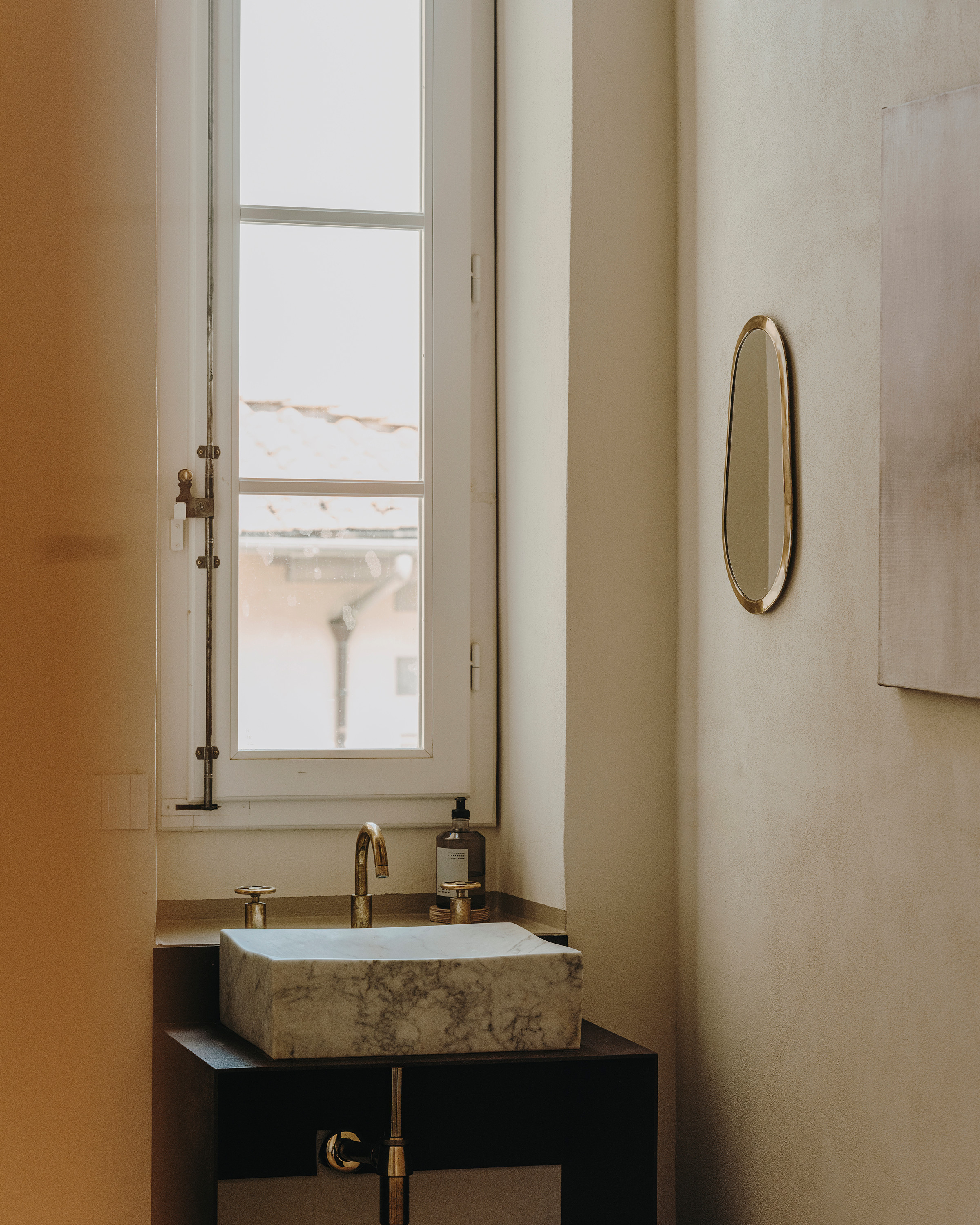



Loft 7

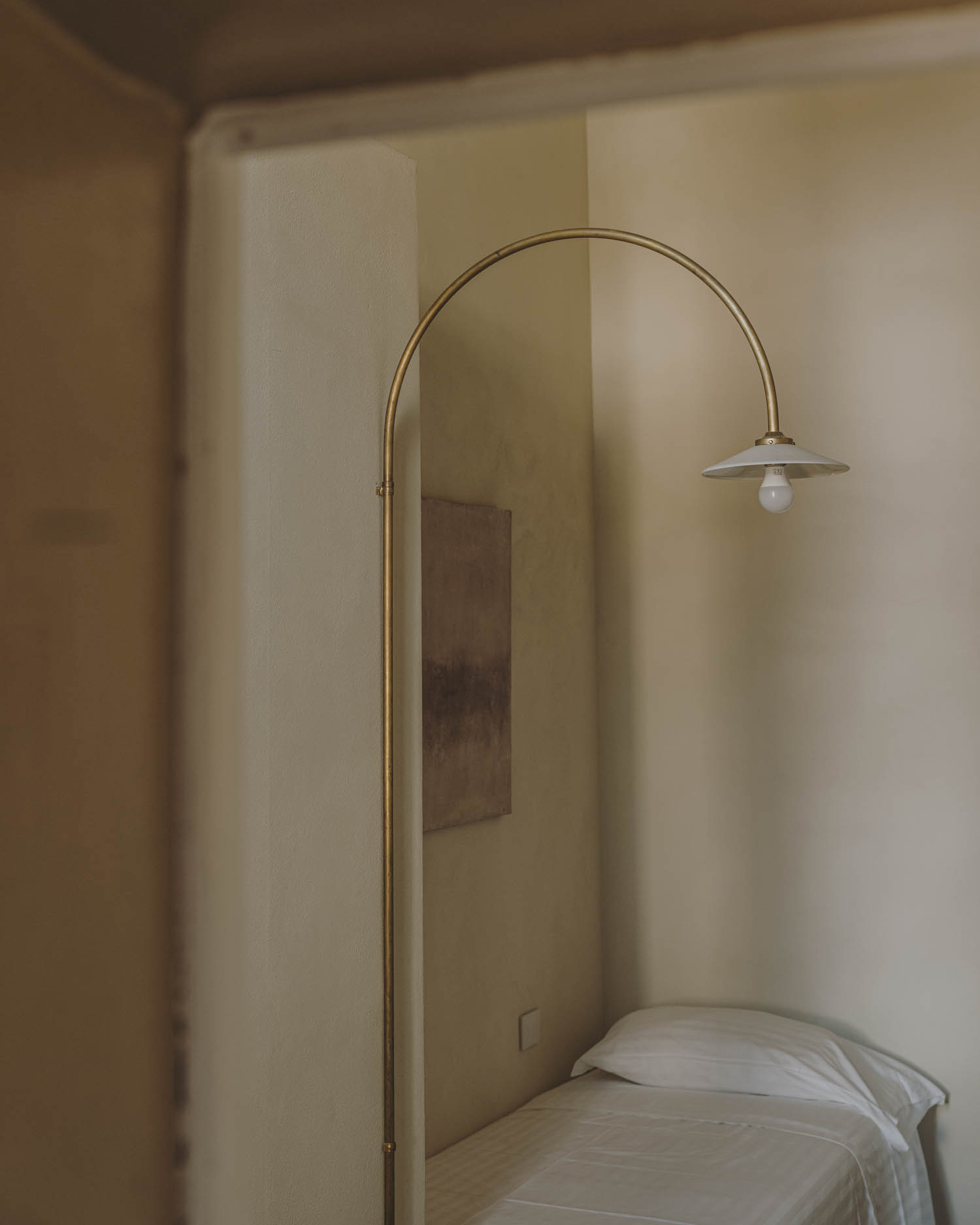
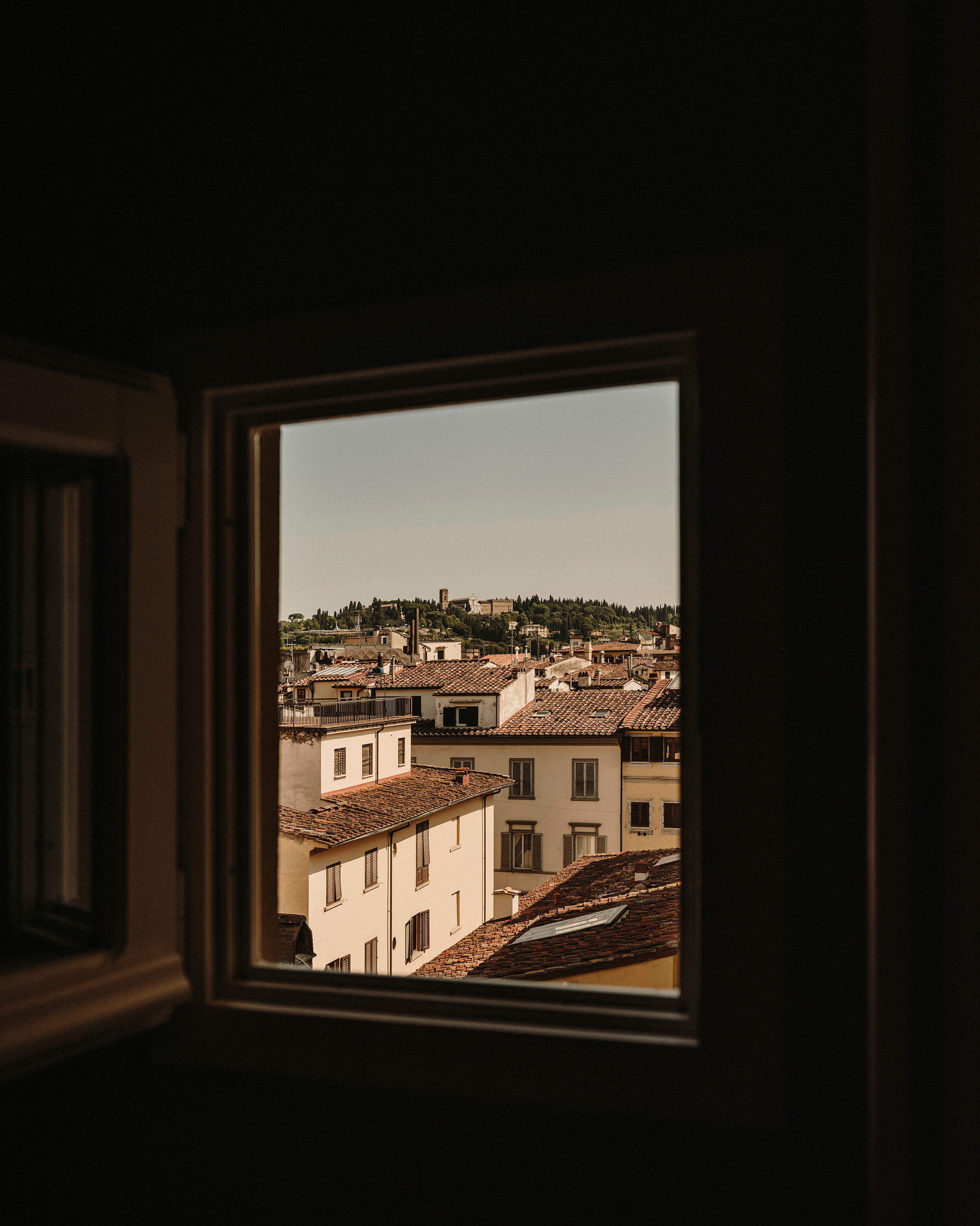
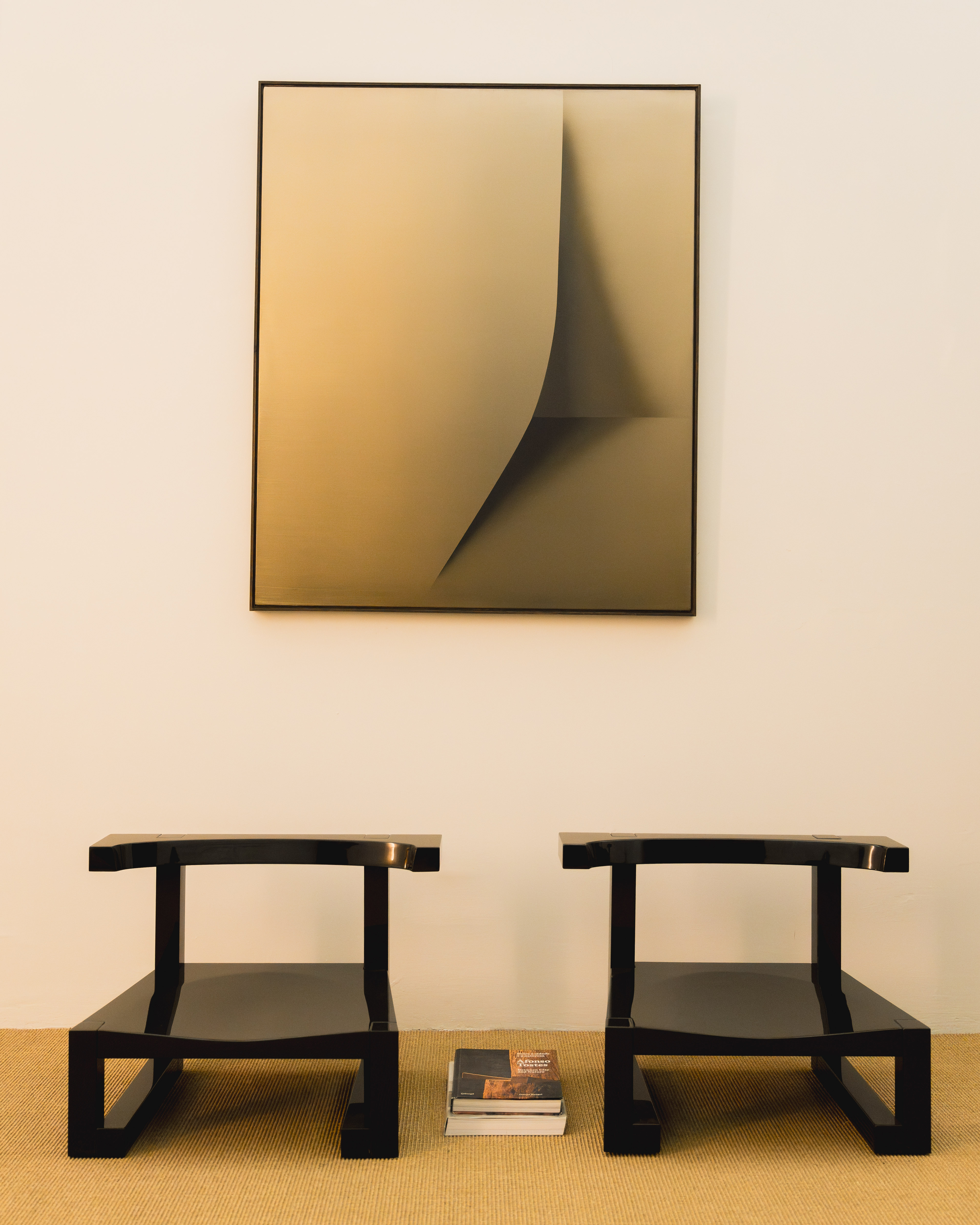
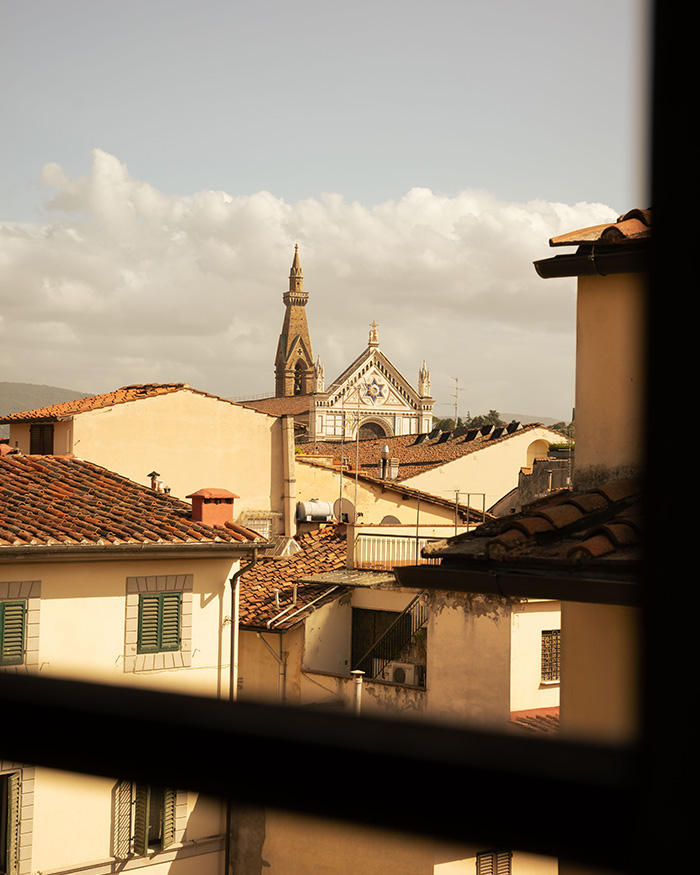
A single-bedroom apartment on the top floor, made for the solo traveller after a charming and peaceful stay. A 140 cm bed, a small desk, and a bathroom with a waterfall shower and a view over Santa Croce.
Loft 7


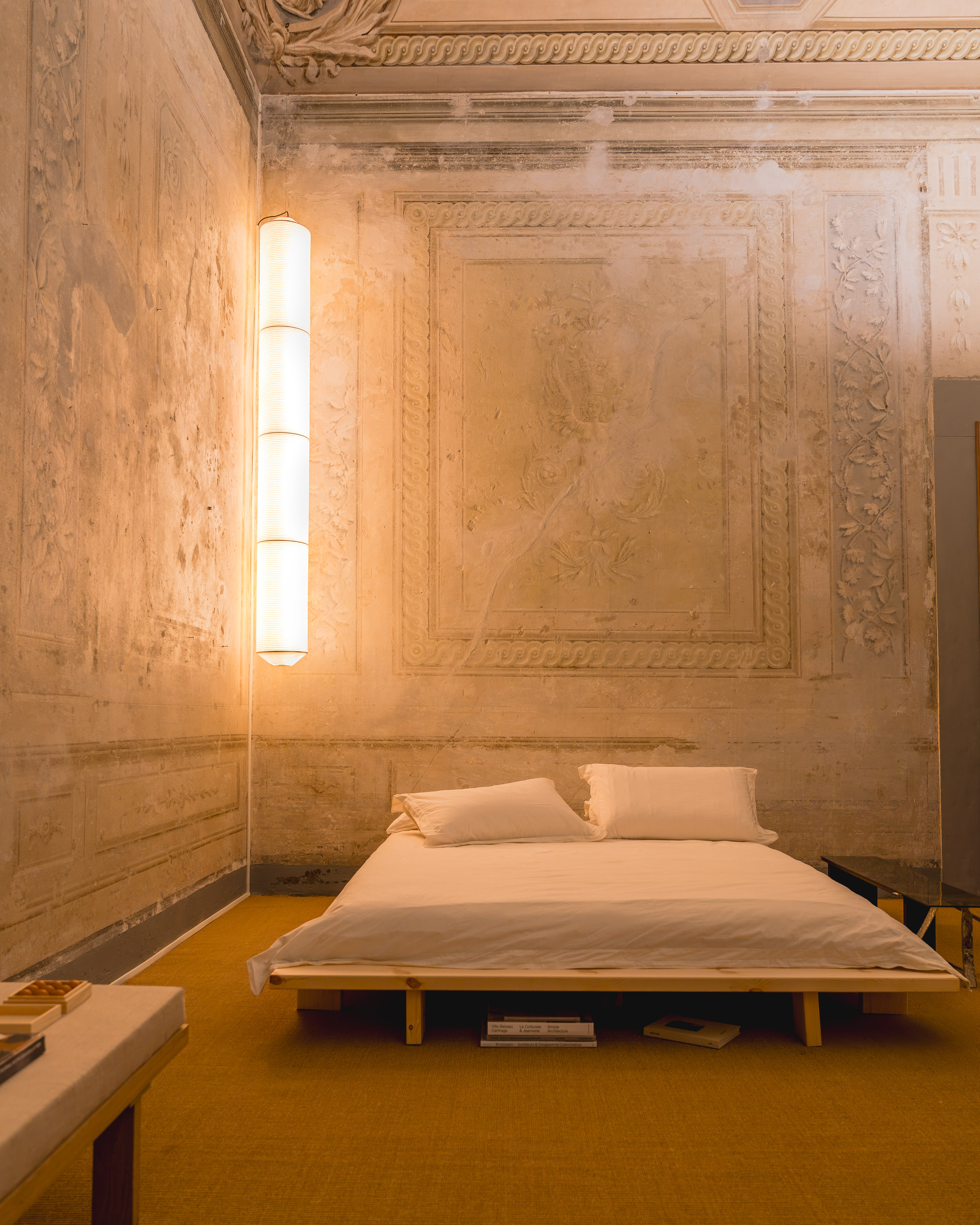
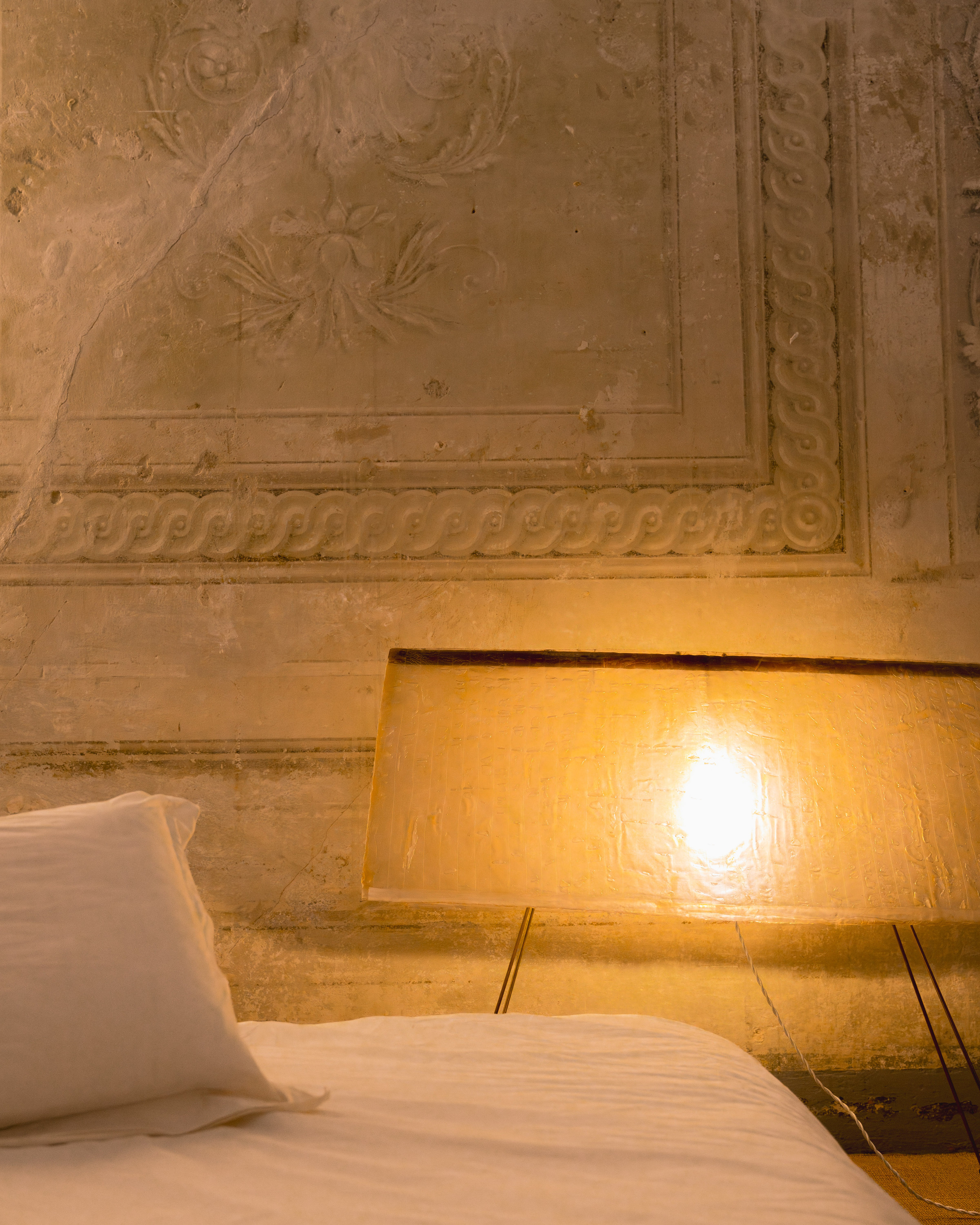
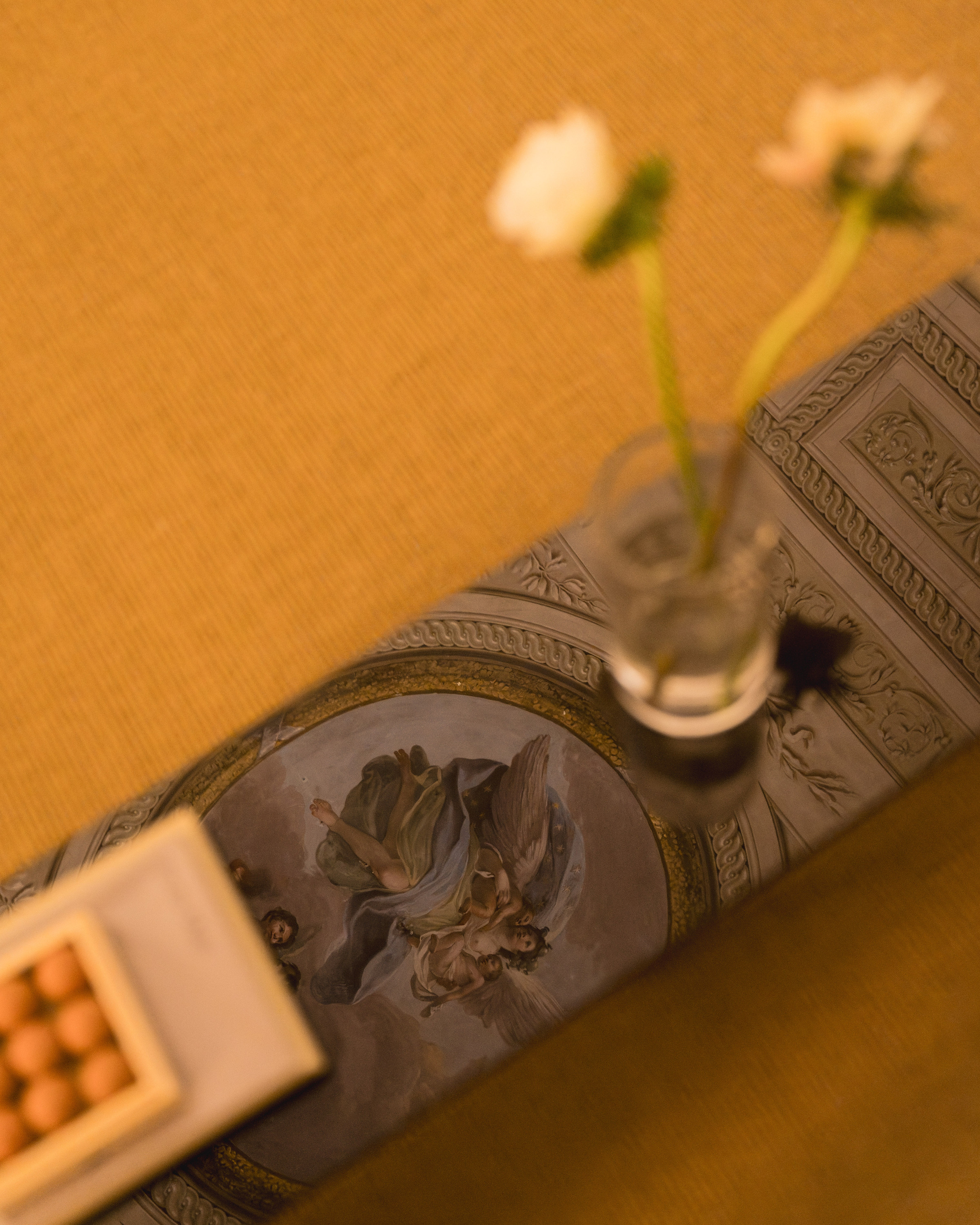
Loft 6
A ground-floor room wrapped in centuries-old frescoes, facing the inner courtyard. It takes no natural daylight — soft ambient light brings out the textures and colours of the painted walls and ceilings instead. For guests who want history, character and quiet drama.
Loft 6


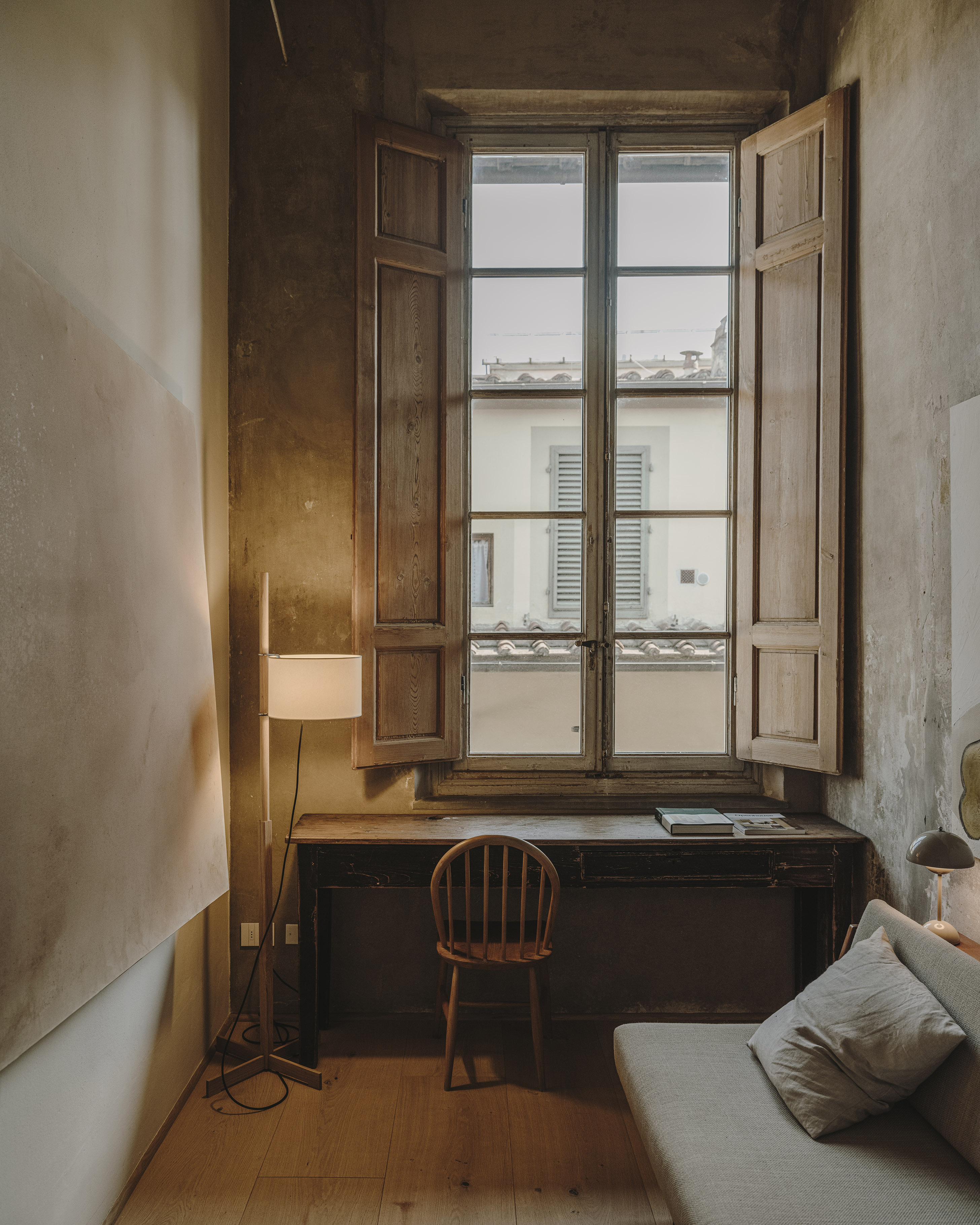
Loft 8
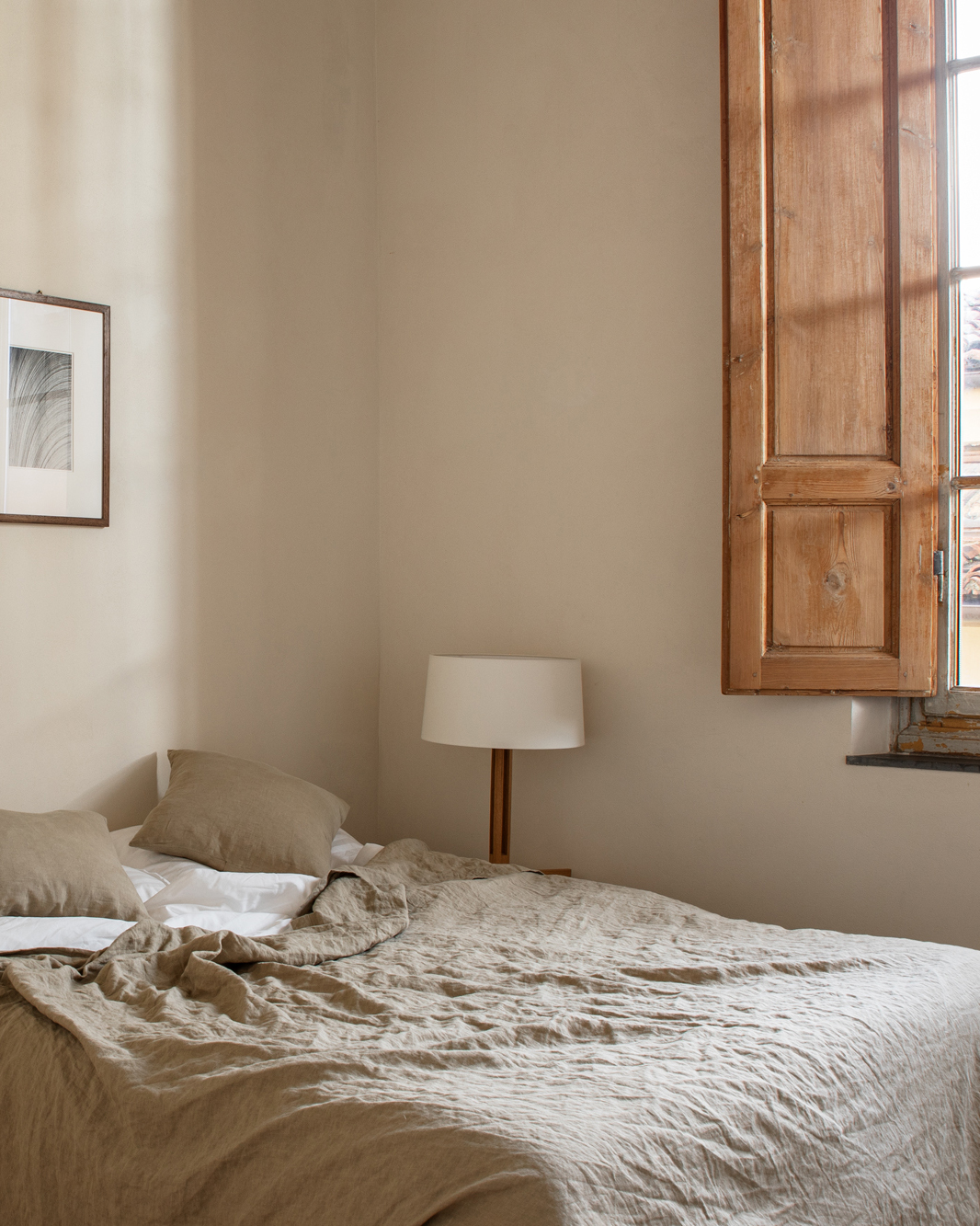
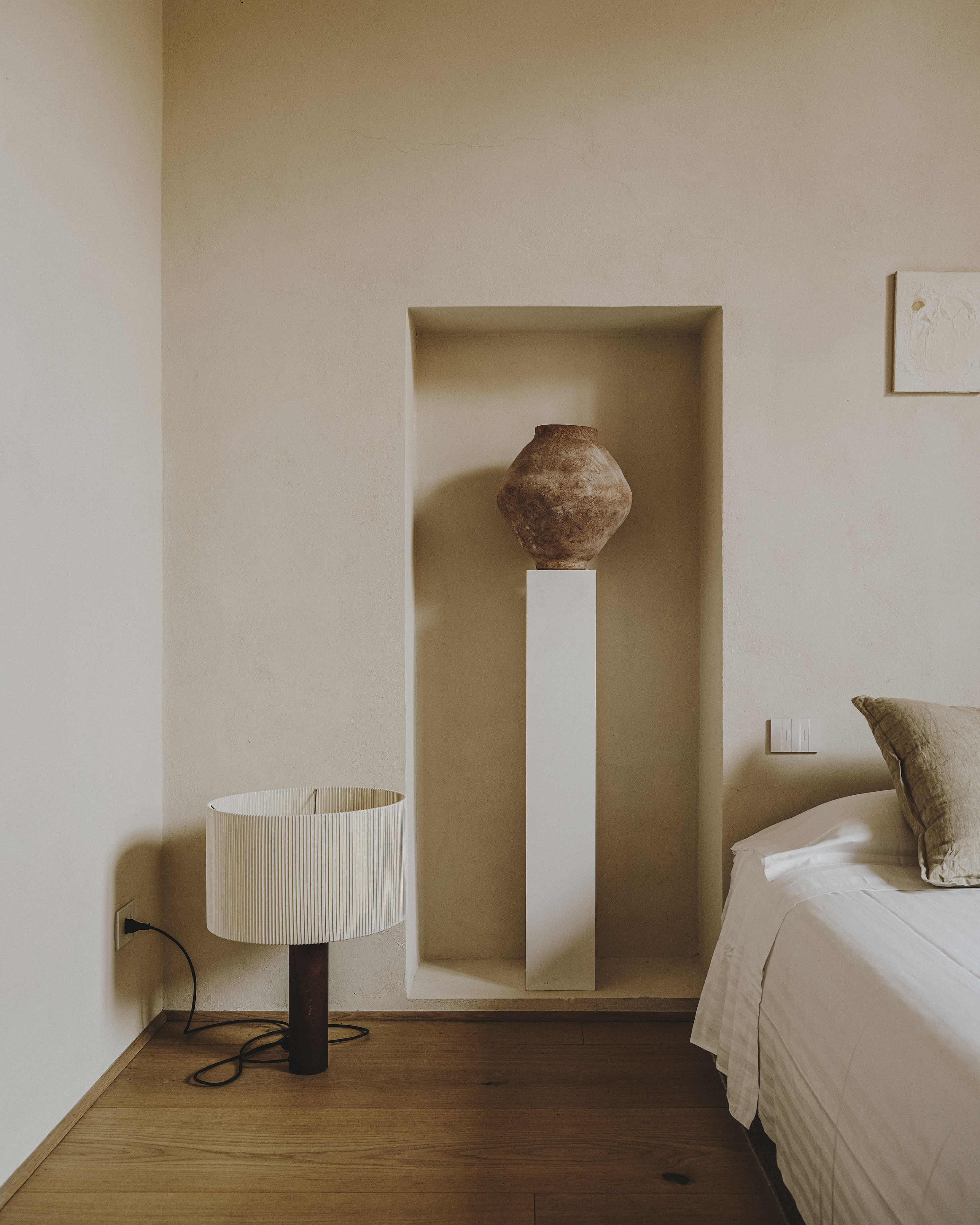
A double suite over two separate rooms on the top floor, and the only one in the house with a bath tub and a separate office space. The windows look towards the hills of Piazzale Michelangelo.
Loft 8

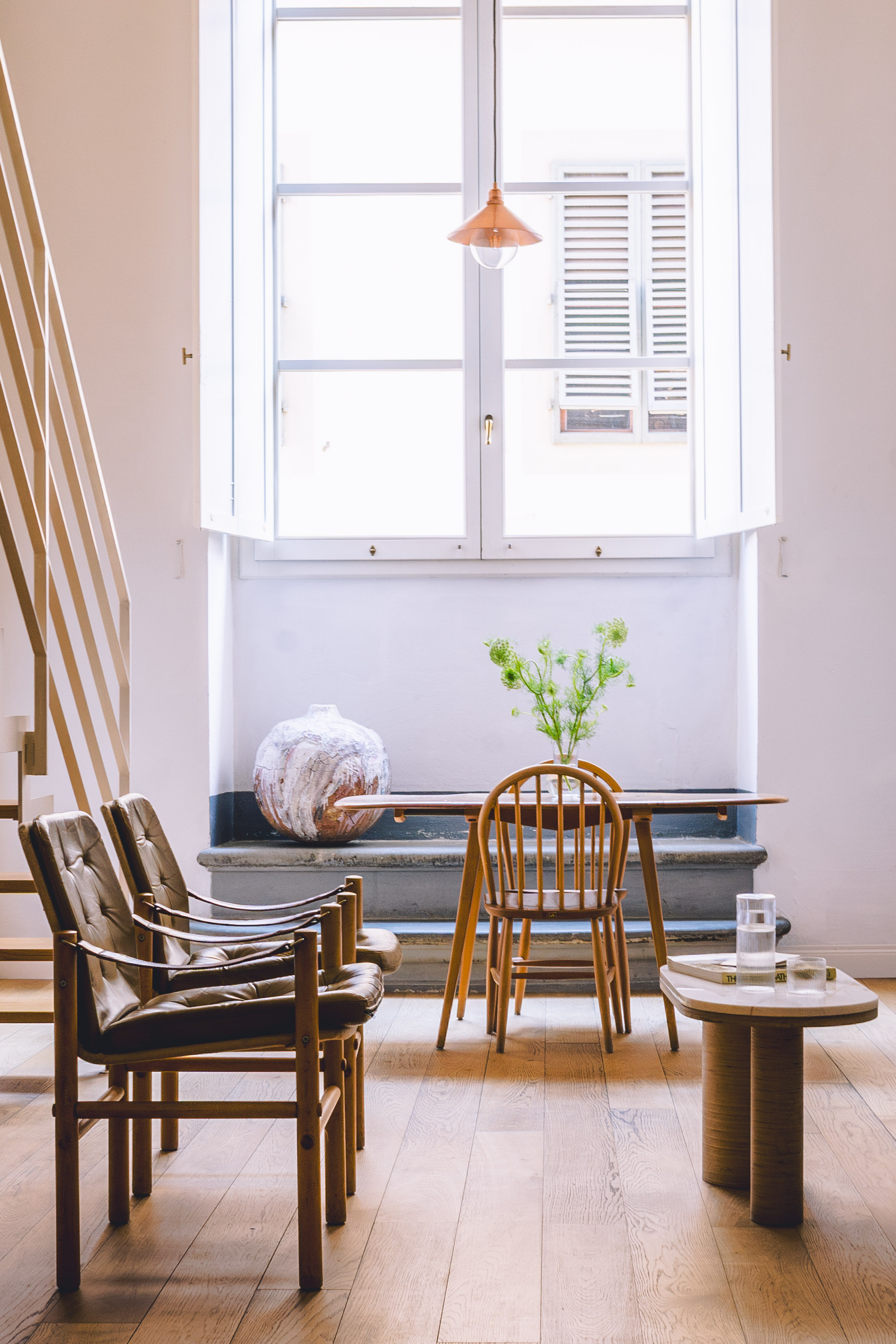
Loft 1
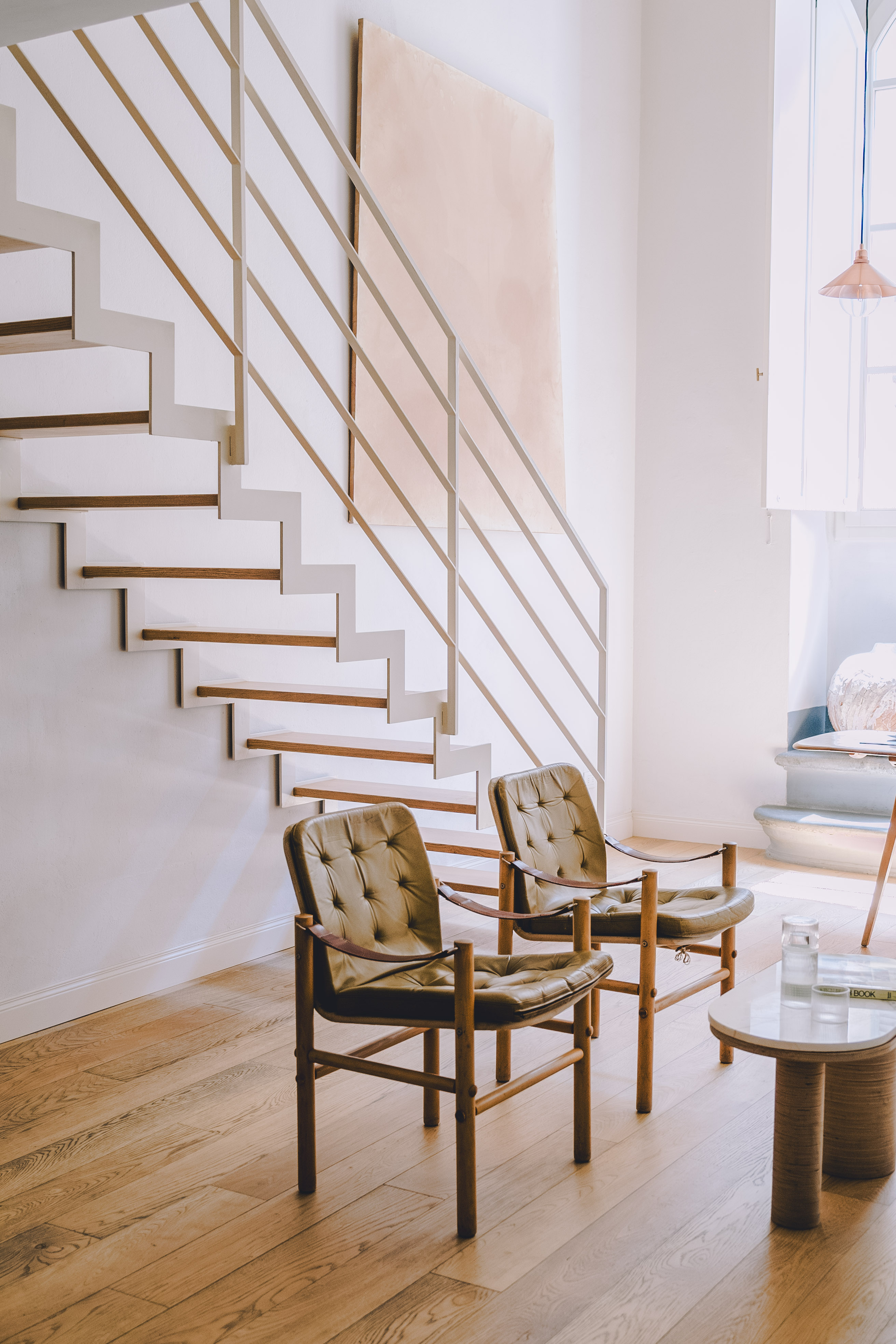
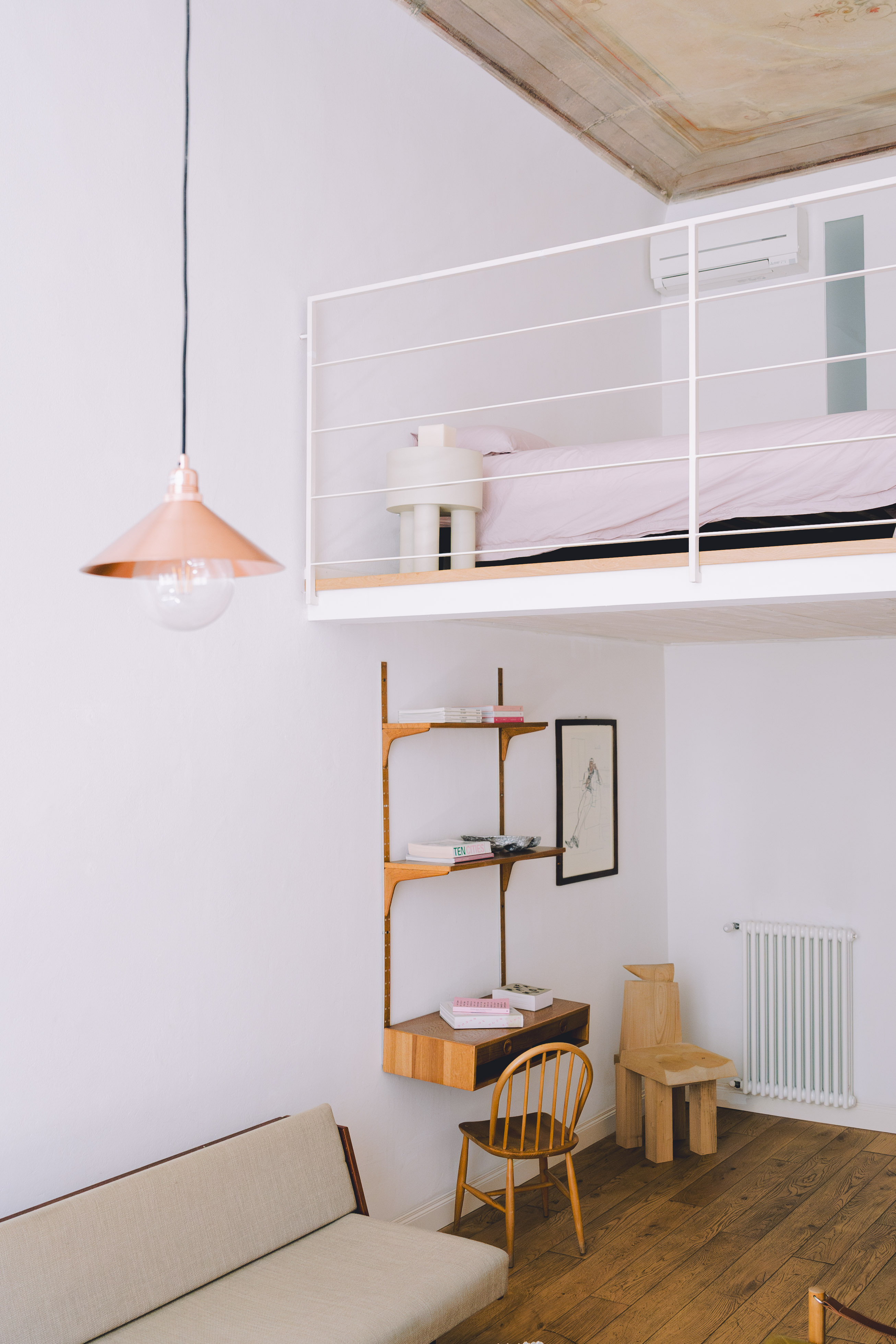
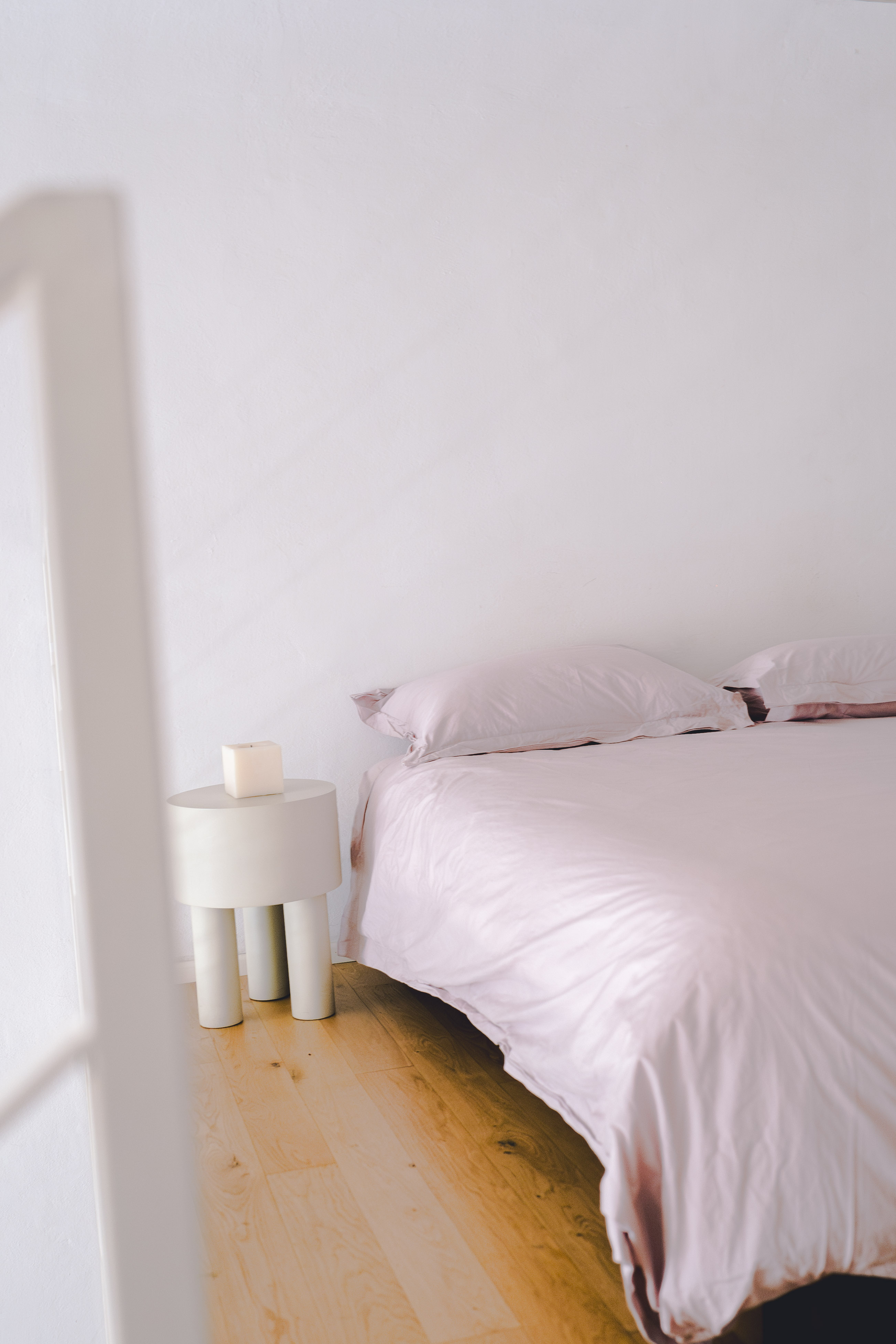
Ceiling-tall windows lead up to a soothing fresco wall, and contemporary art surrounds the living space until it feels like a true artist’s studio. A king-size bed, a coffee machine and fridge, and access to the fully equipped kitchen; a day bed can be added for a third guest.
Loft 1
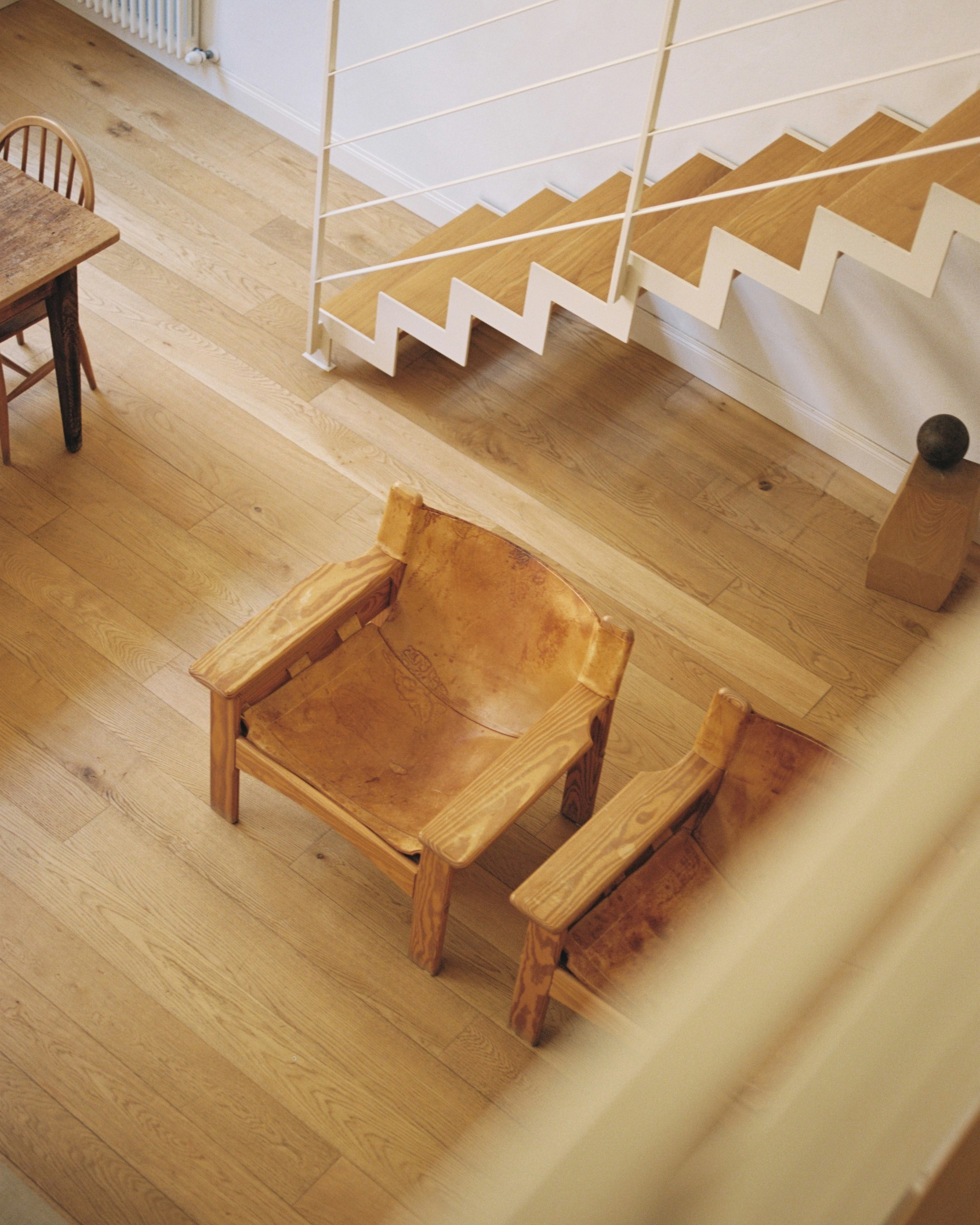
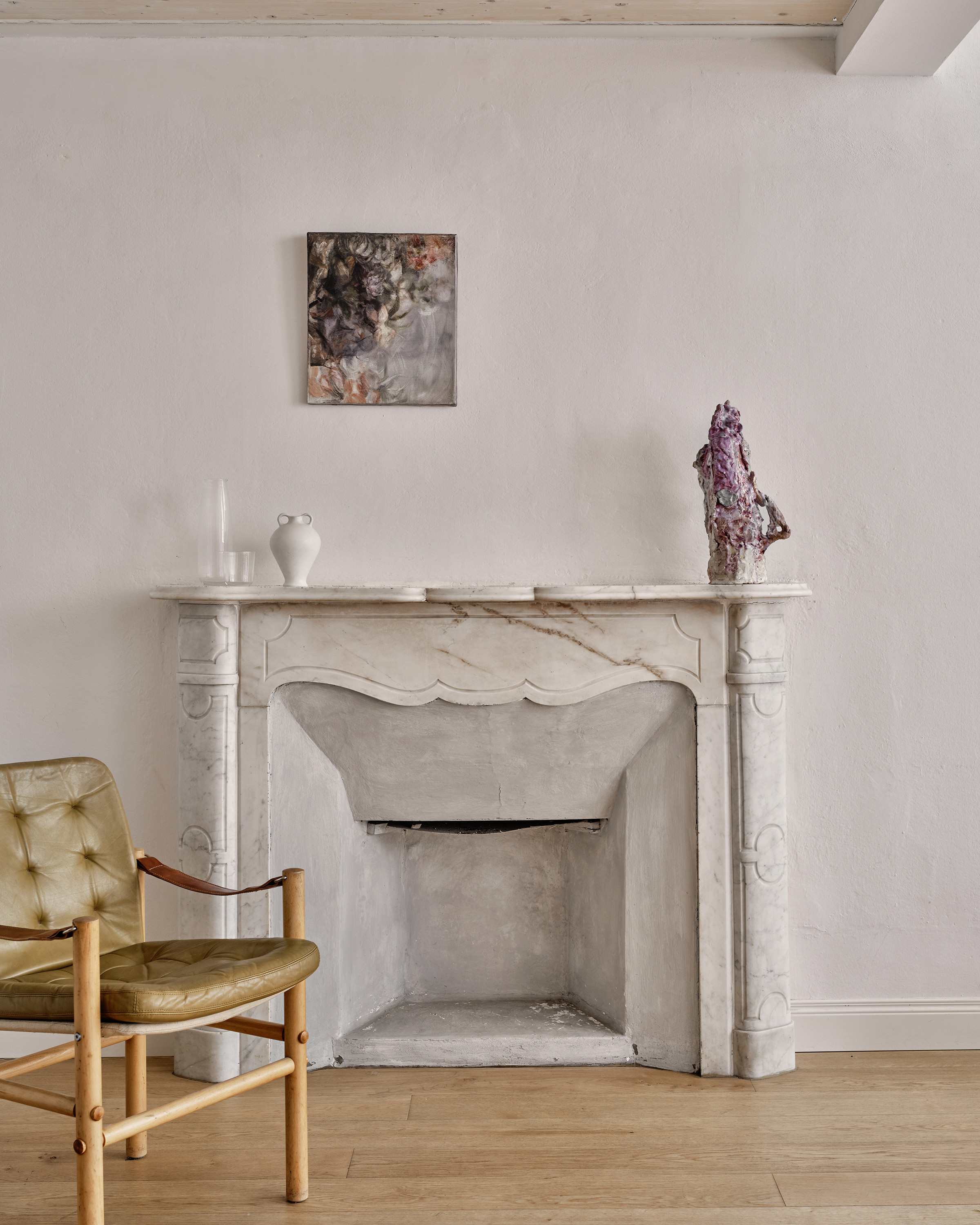
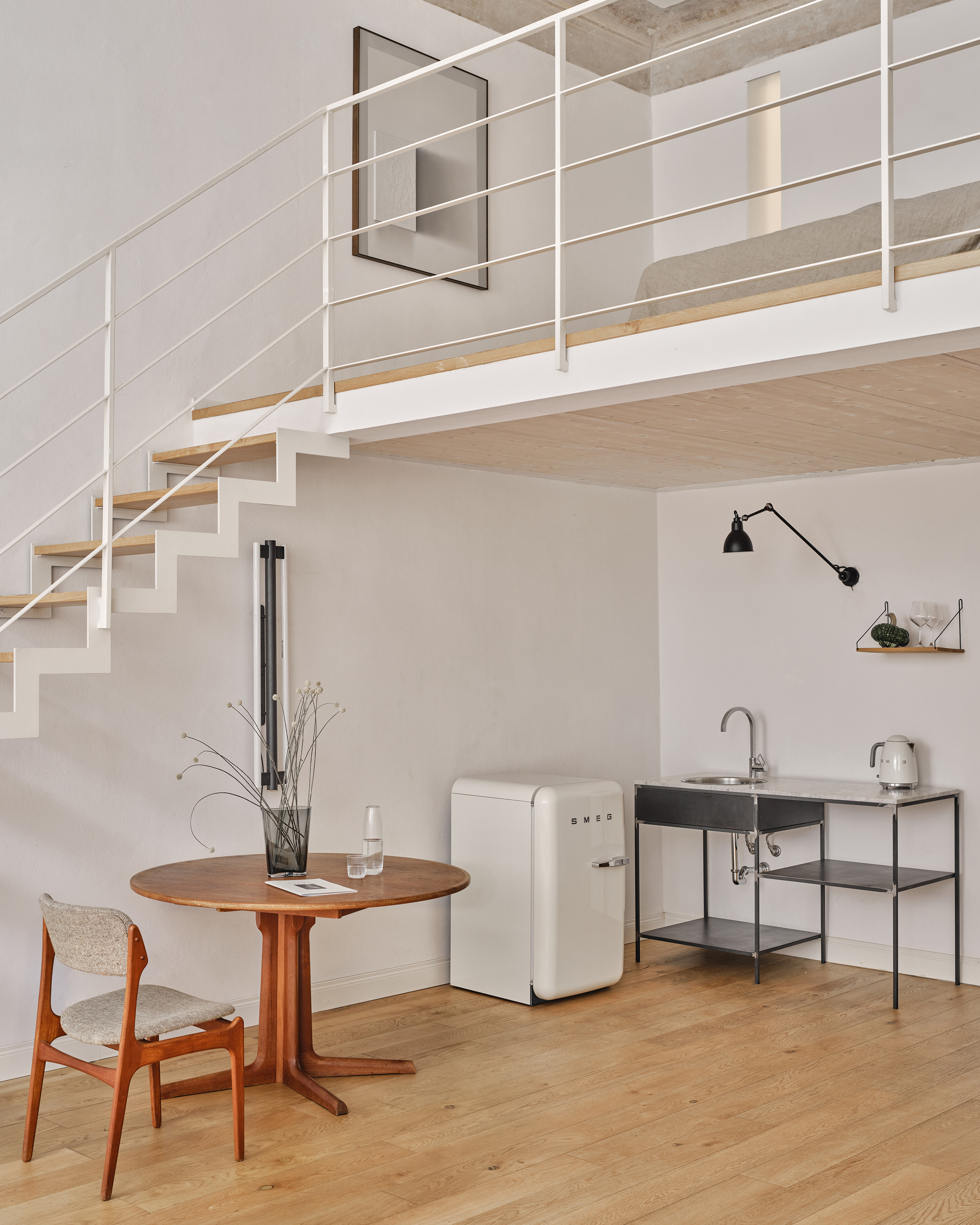
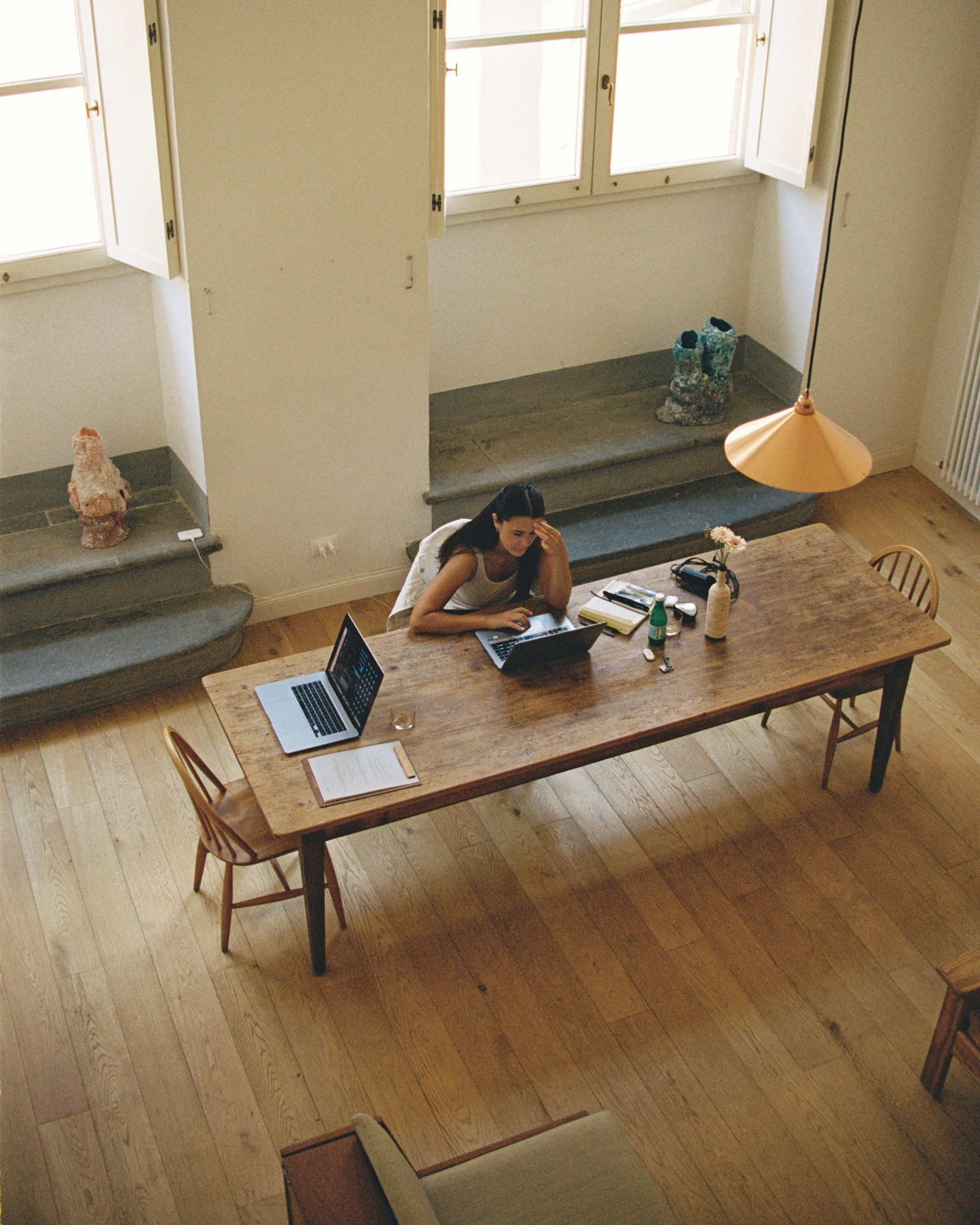
Loft 2
Ceiling-tall windows and vast amounts of space, with contemporary art and decor blended in through the organic materials. A king-size bed, a kitchenette with boiler, toaster, fridge, sink and microwave, and access to the fully equipped kitchen.
Loft 2
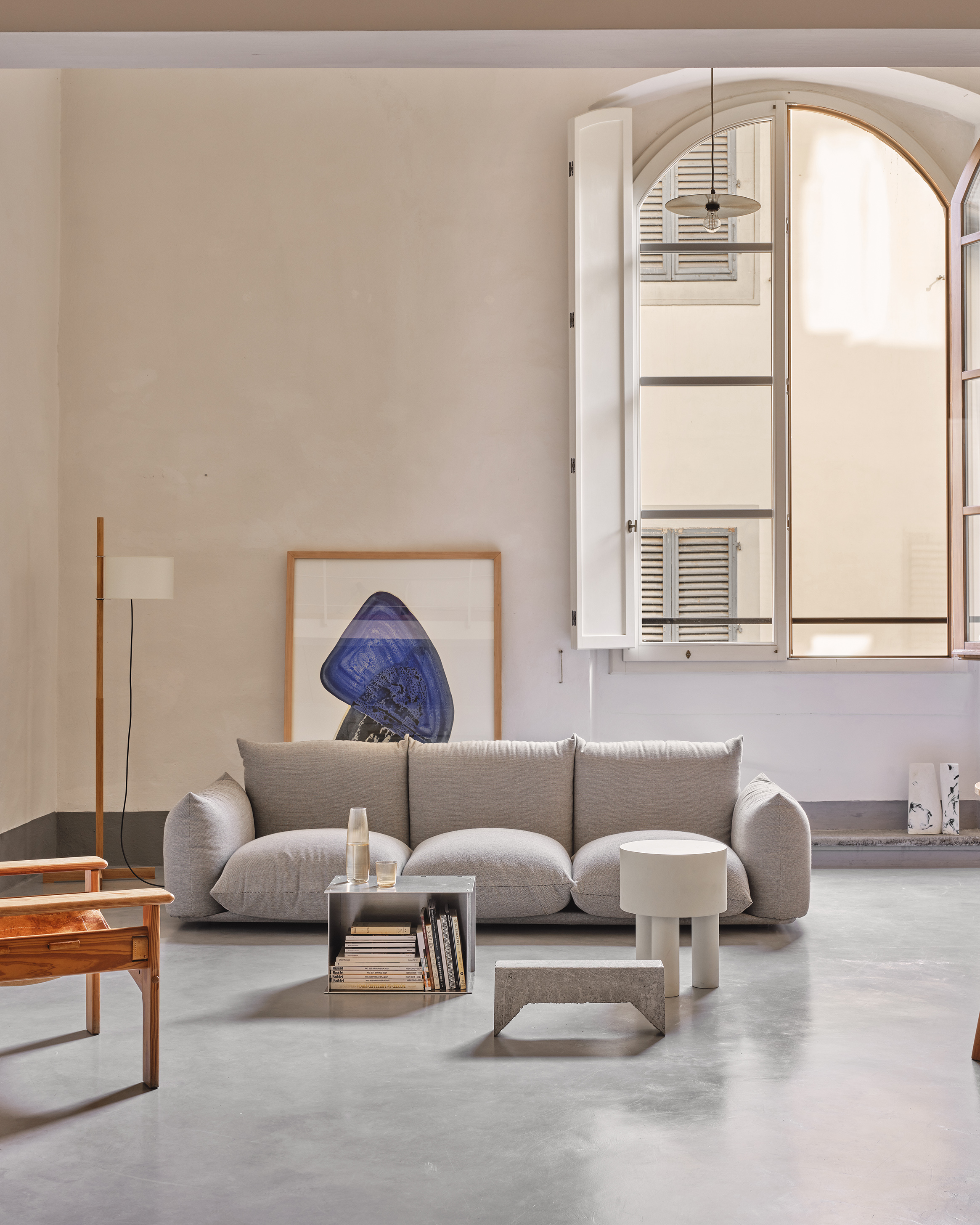
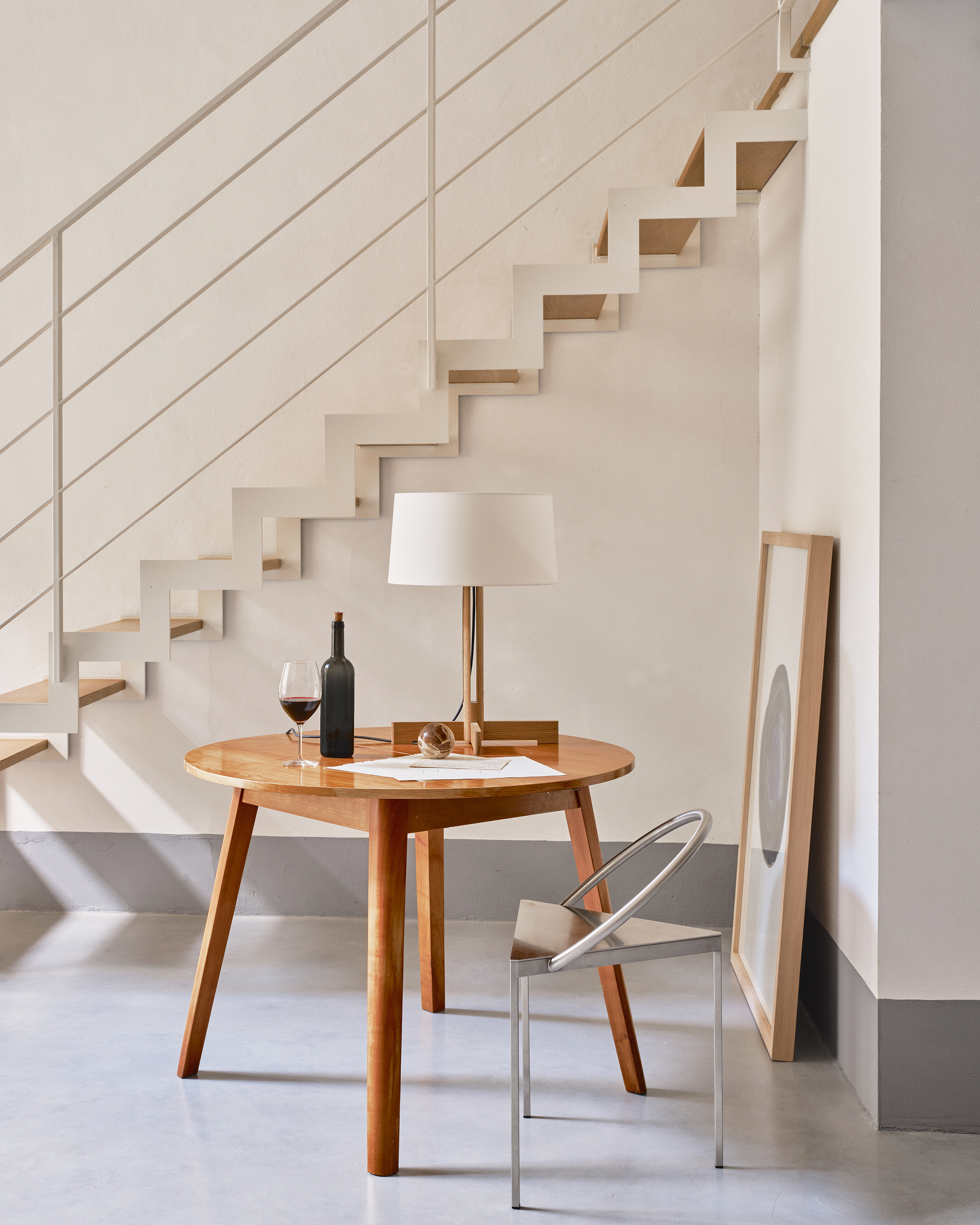
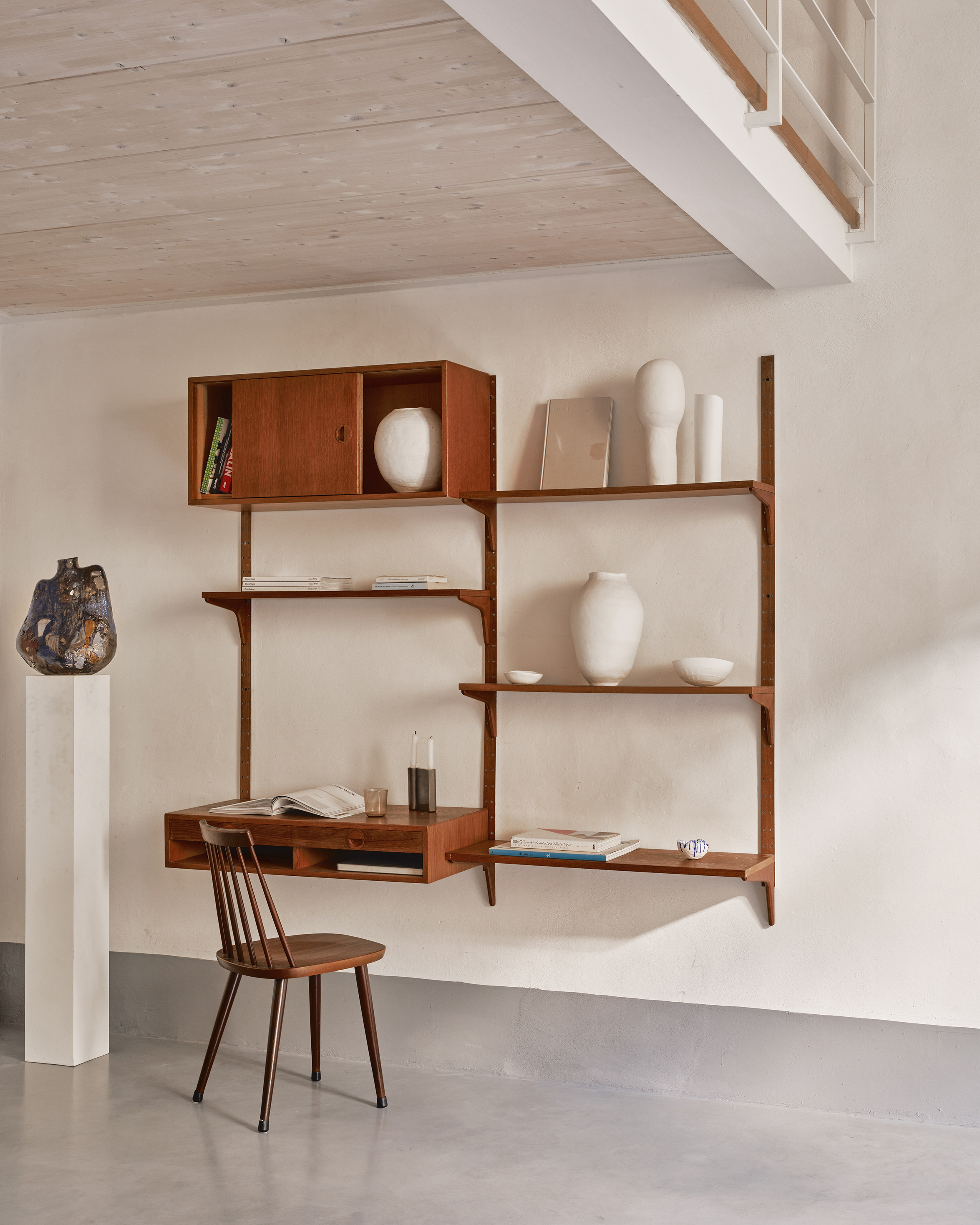
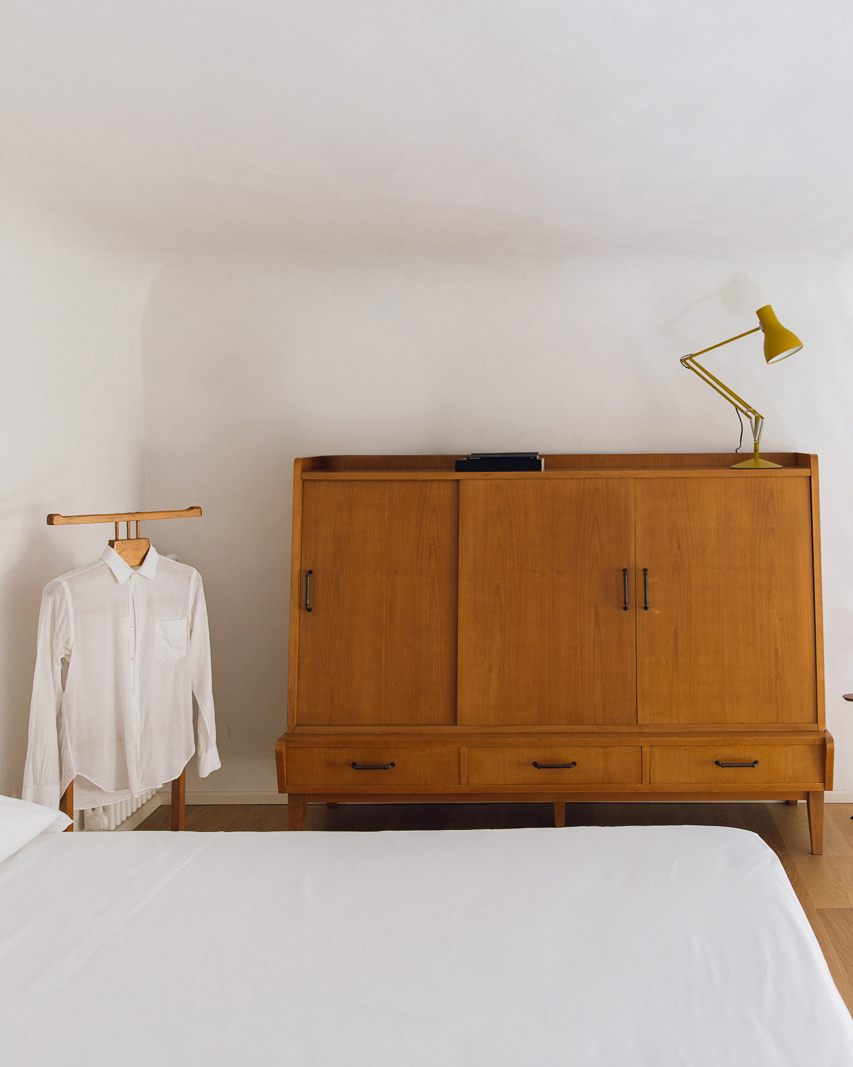
Loft 3
Windows that reach the ceiling and resin floors wake the space with natural light, while natural stone meets industrial materials in an effortless clash of past and present. A king-size bed, coffee machine and fridge, and access to the fully equipped kitchen.
Loft 3
Loft 10
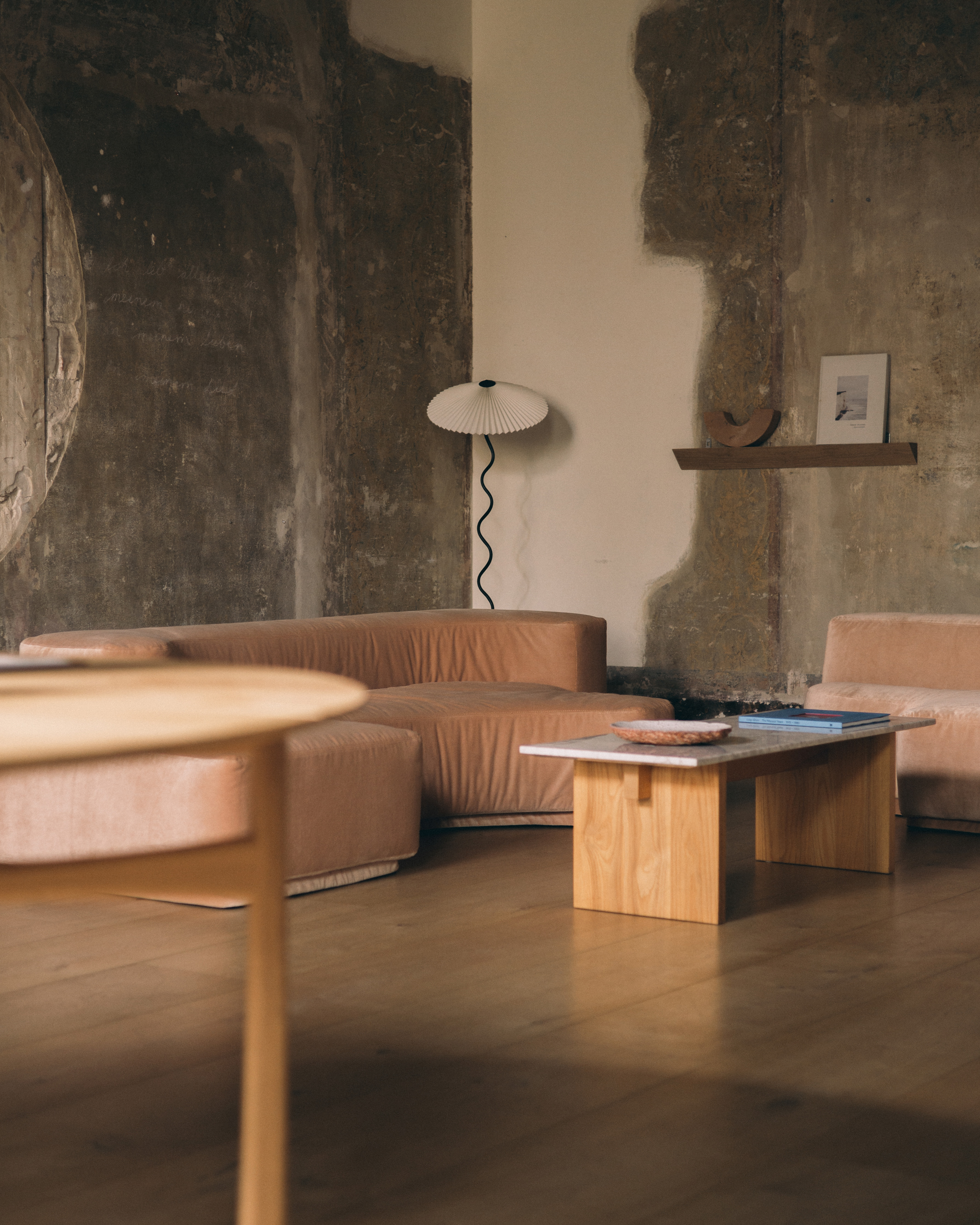
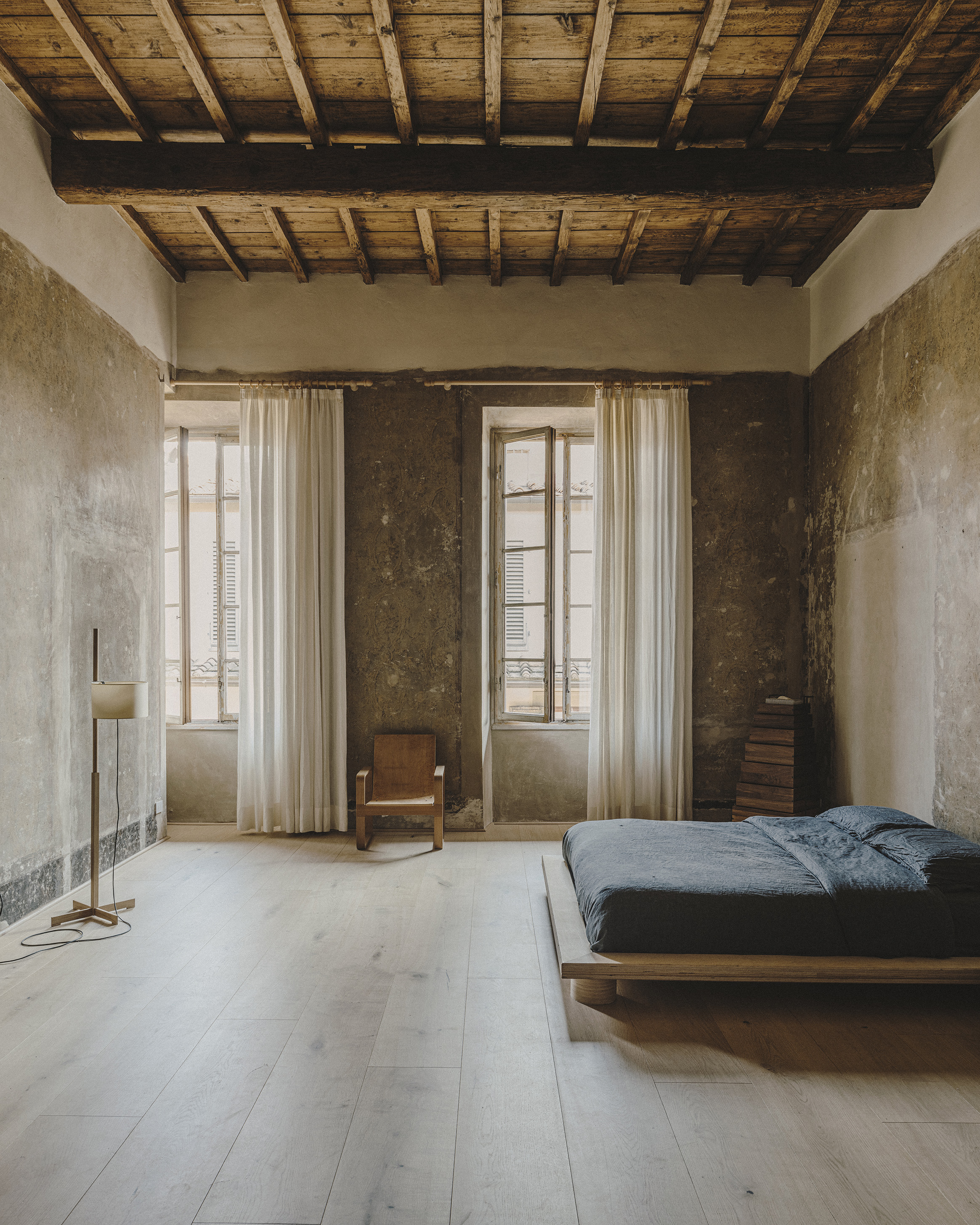
The master suite of the palazzo: a master bedroom, a private dining room and a lounge, all surrounded by breathtaking frescoes that reach back to the older years of the house. A king-size bed, coffee machine and fridge; a day bed can be added for a third guest.
Loft 10
Why book with us

Best Price Guarantee

Full Access to Content Library

Personalized Itinerary

A Gift with Every Booking

24/7 Support
Amenities
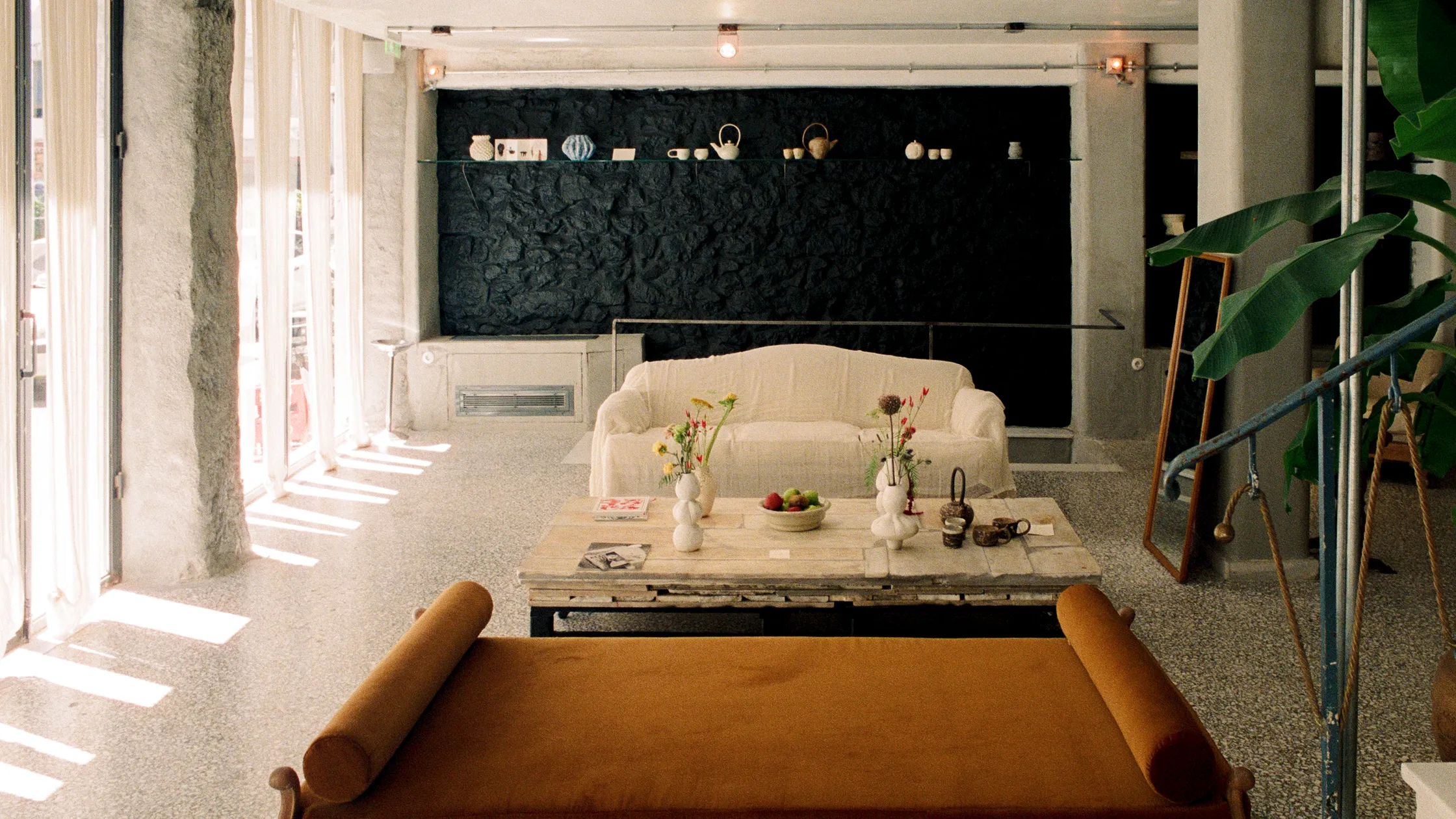
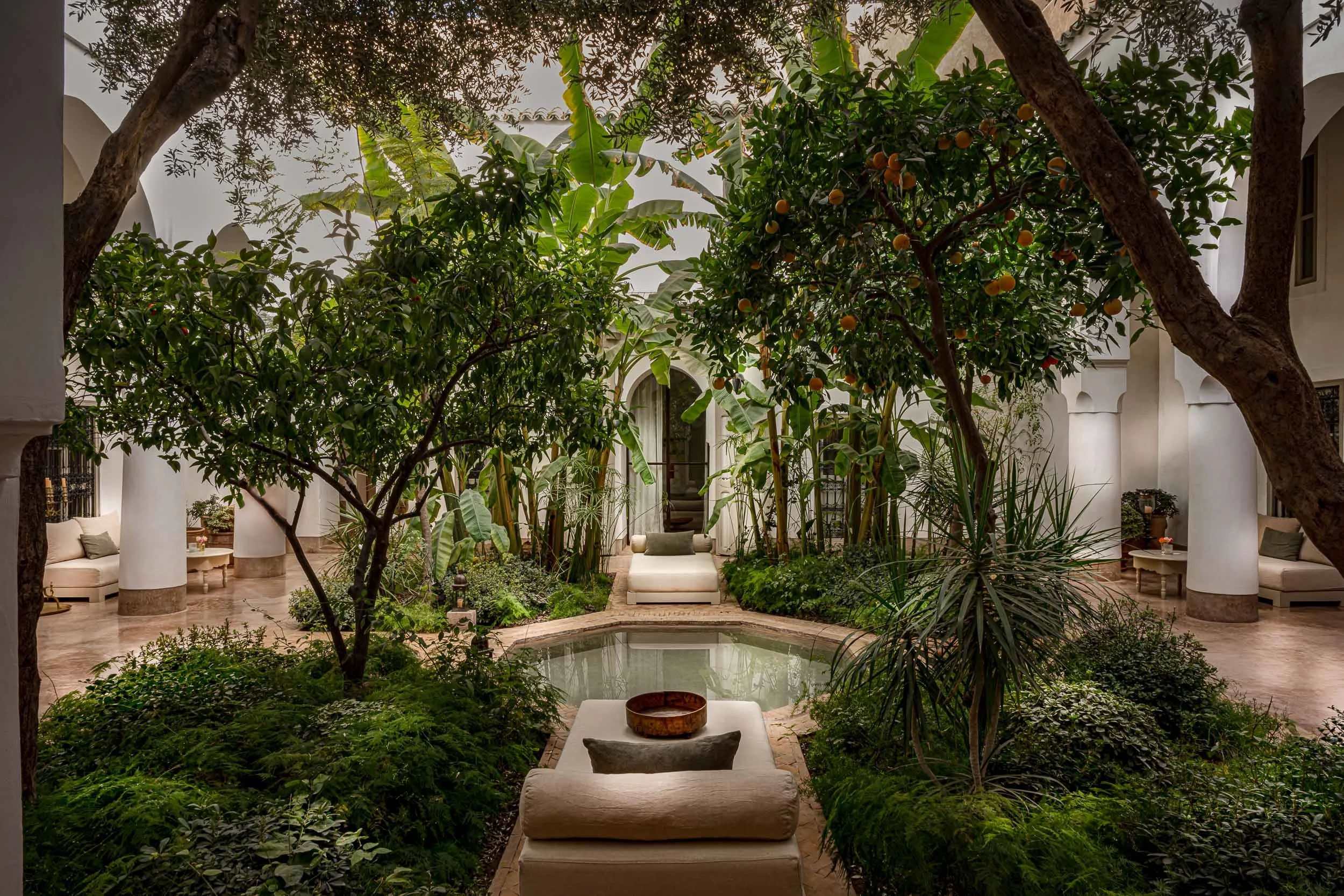
A Renaissance courtyard, a gallery, a shared kitchen and a lounge; breakfast is the only meal, and the rest of the palazzo is a working residence for artists.

Photography © Numeroventi.
FLORENCE | MAY 2026
The Renaissance Palazzo Reborn as a Working Home for Artists
Between the Duomo and Santa Croce, in the streets around the Bargello where Florence still goes about its own business, an imposing but anonymous Renaissance façade on Via dei Pandolfini gives little away. Its heavy door opens into Palazzo Galli Tassi, built in 1510 by merging several 14th-century merchant houses and frescoed in the 1630s by Giovanni da San Giovanni, Fabrizio Boschi and Ottavio Vannini. The palazzo’s later life was less exalted — a Neapolitan impresario’s syrup factory, then briefly the Ministry of Agriculture when Florence was the capital of Italy — until Martino di Napoli Rampolla, whose family has owned it since the nineteenth century, turned it in 2016 into Numeroventi: part artist residency, part place to stay, part laboratory.
Di Napoli Rampolla — Chianti-born, trained as a graphic designer in Barcelona and Ghent — and his co-founder Alessandro Modestino Ricciardelli set an unusual brief: to re-animate the building not as a museum or a hotel but as an active creative household, hosting artists and designers on residency while offering a handful of apartments to travellers curious enough to step into that ecosystem. With the architect Gianni Emiliani and the designer Andrew Trotter, they left the palazzo’s bones — the frescoes, the pietra serena doorways, the five-metre ceilings — deliberately intact and unretouched, adding only what was contemporary, minimal and often temporary. Works-in-progress sit on a common table; objects from past residents remain in the rooms where they were made; the place feels alive in a way that most hotels, however beautiful, do not.
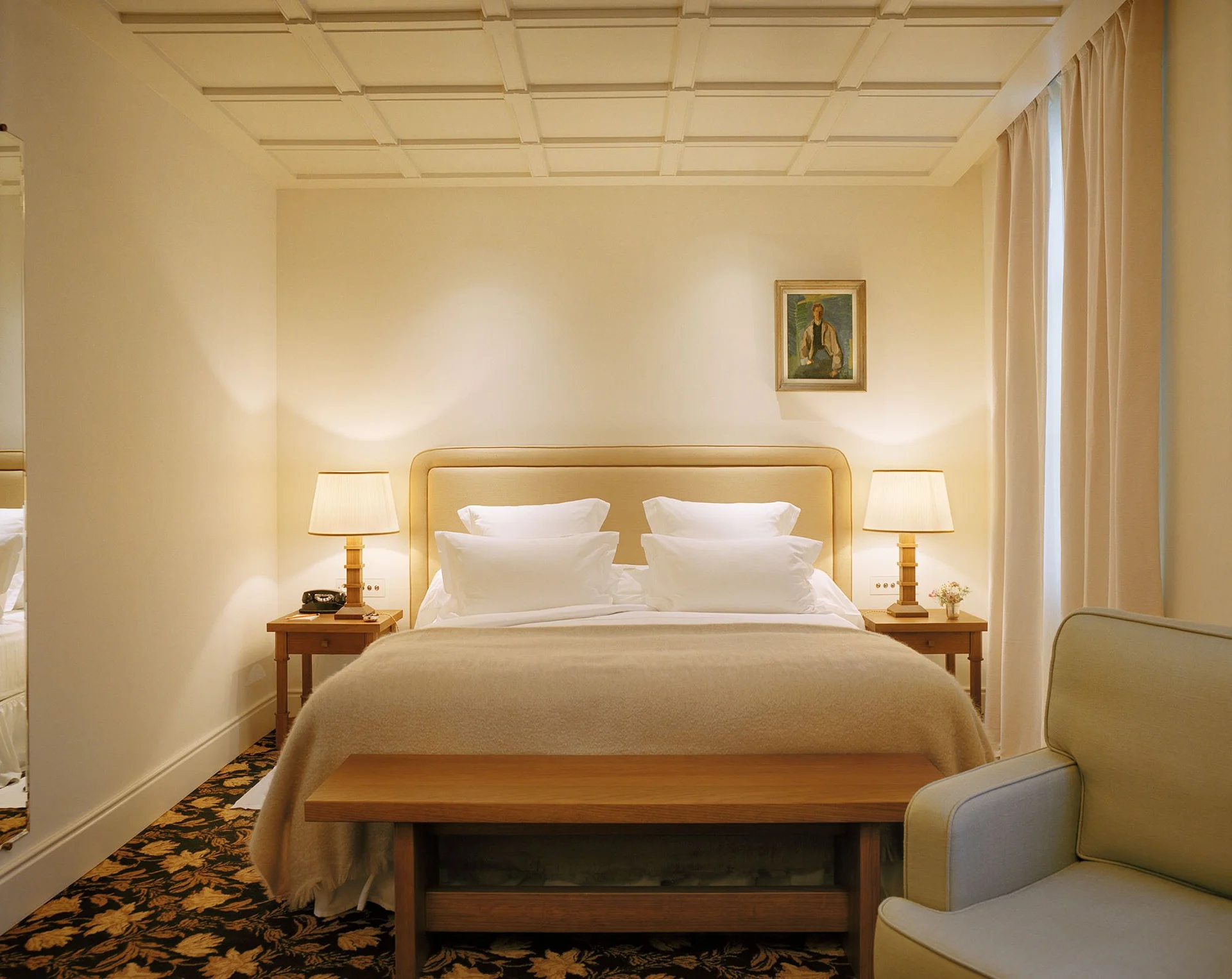
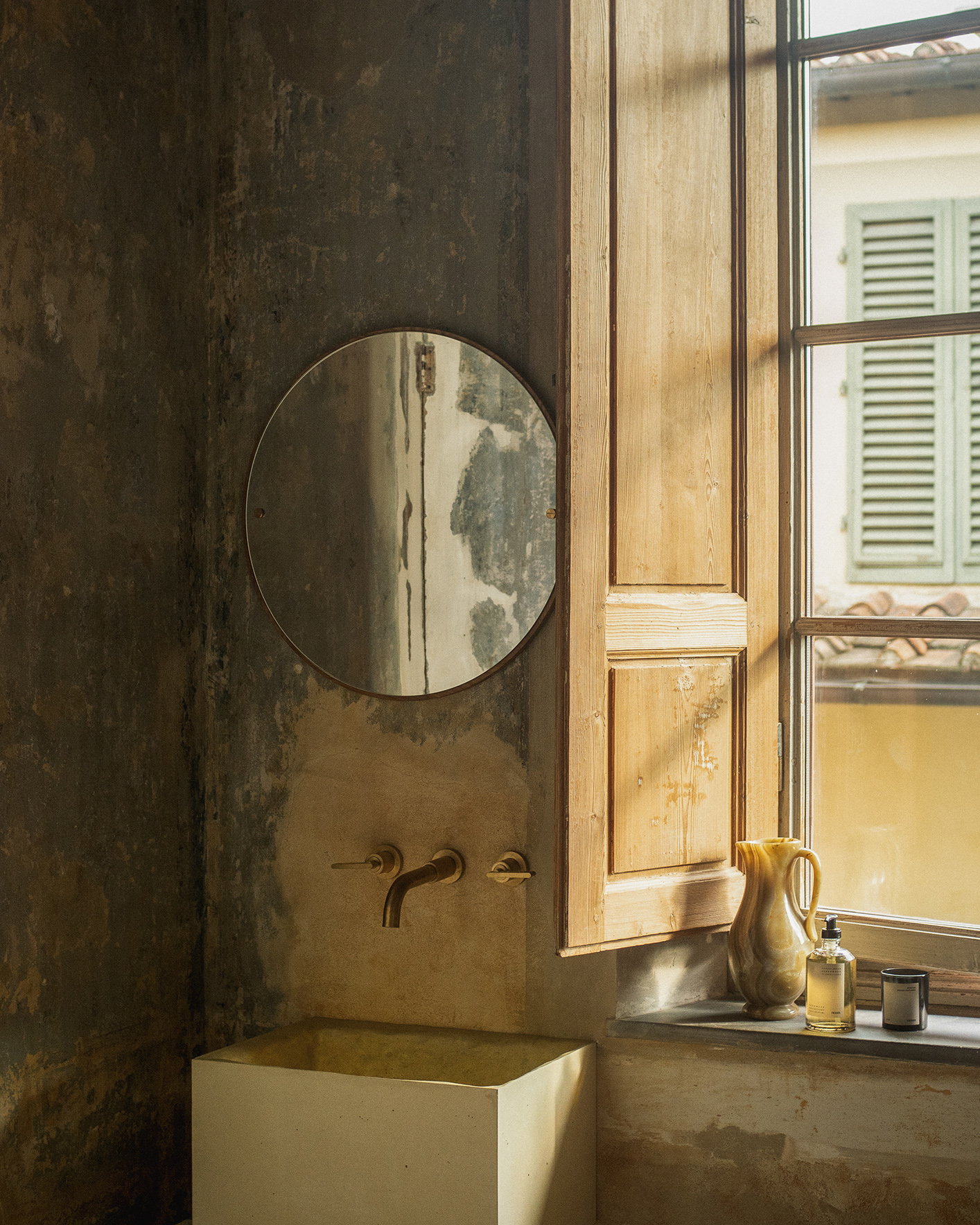
The seven lofts and suites — each an assembly of historic backdrop and mid-century furniture, some of it designed by the residency’s own alumni — make for a particular kind of stay. One is wrapped entirely in seventeenth-century fresco; another has resin floors beneath a coffered ceiling; the largest opens onto its own dining room. Lamps are commissioned from Florentine makers; kitchens are stocked for cooking, not for ordering room service; bathrooms make quiet use of Carrara marble and local terracotta.
Numeroventi’s strength is its connective tissue to Florence’s artisan economy. Guests are steered into wood-carvers’ workshops, ceramic studios, foundries and leather ateliers — extensions of an ethos in which making is a civic continuity, not a nostalgia. Meals are informal and often cooked in the palazzo’s own kitchen by whoever is in residence; since 2025 a chef-in-residence programme has brought cooks from across Europe into the building for month-long stints. What one takes away from Numeroventi is not so much the memory of a stylish bedroom as the sense of having spent a week inside a working idea.