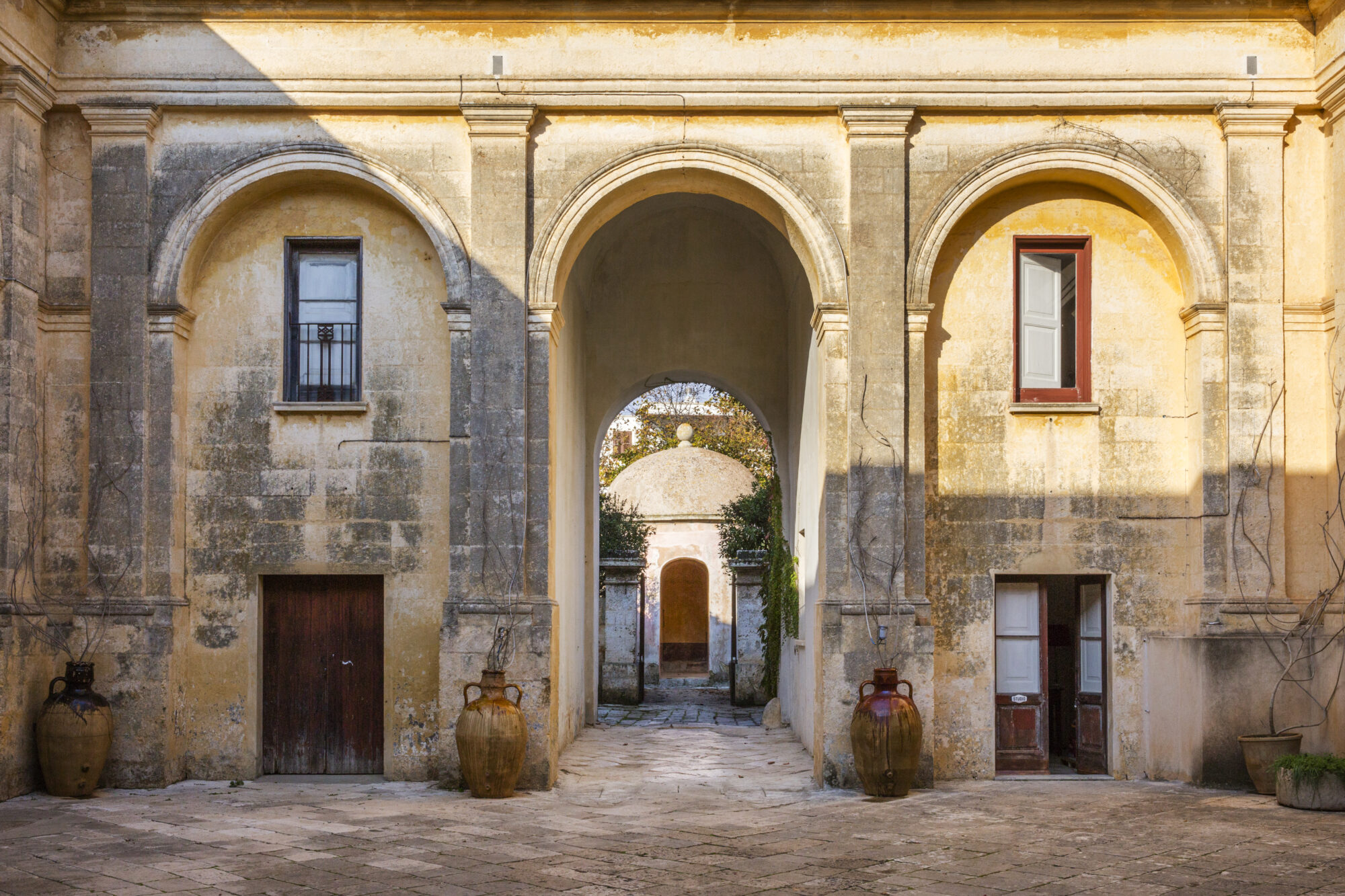
A Convent on a Rock Above the Pustertal
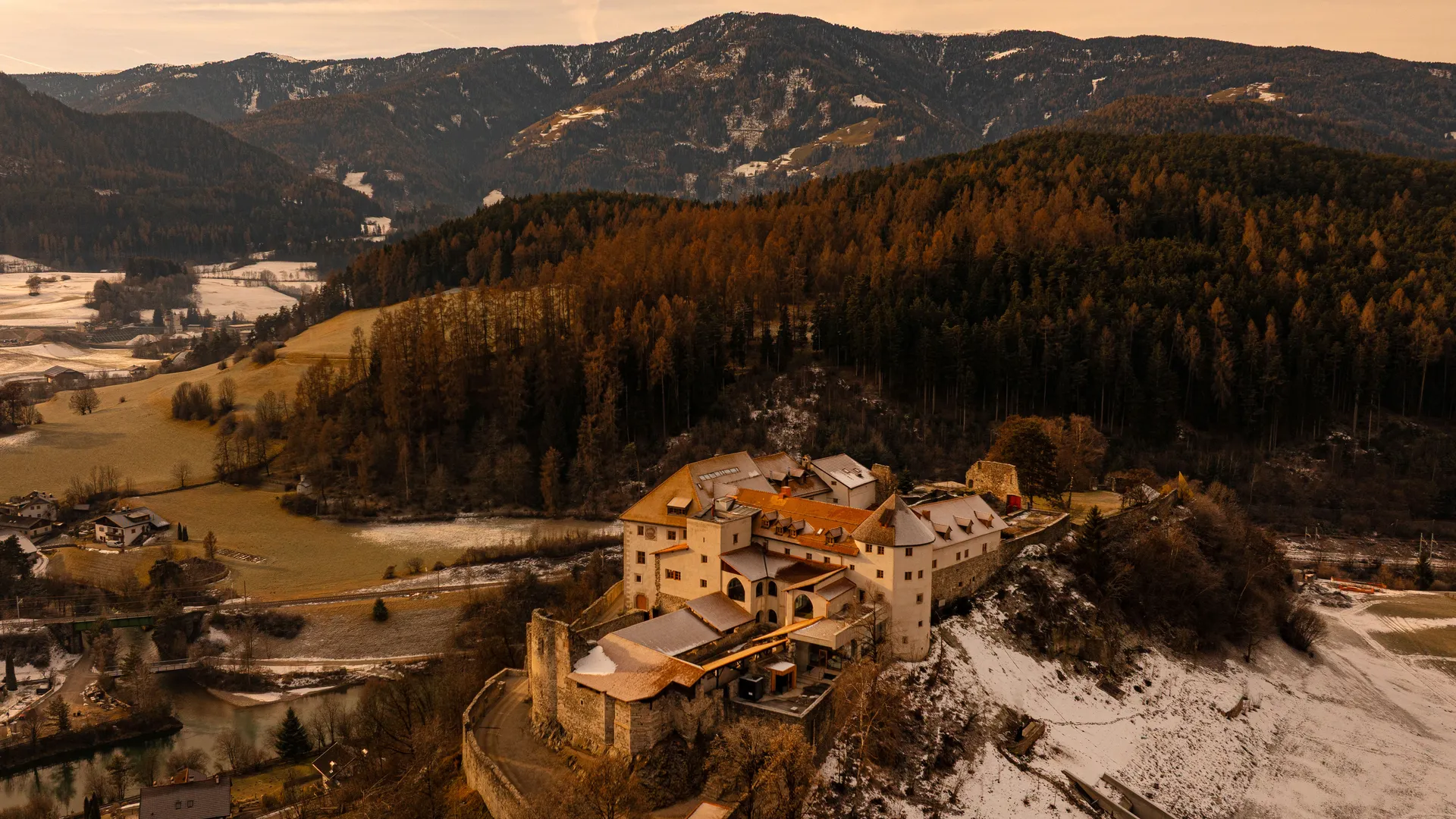
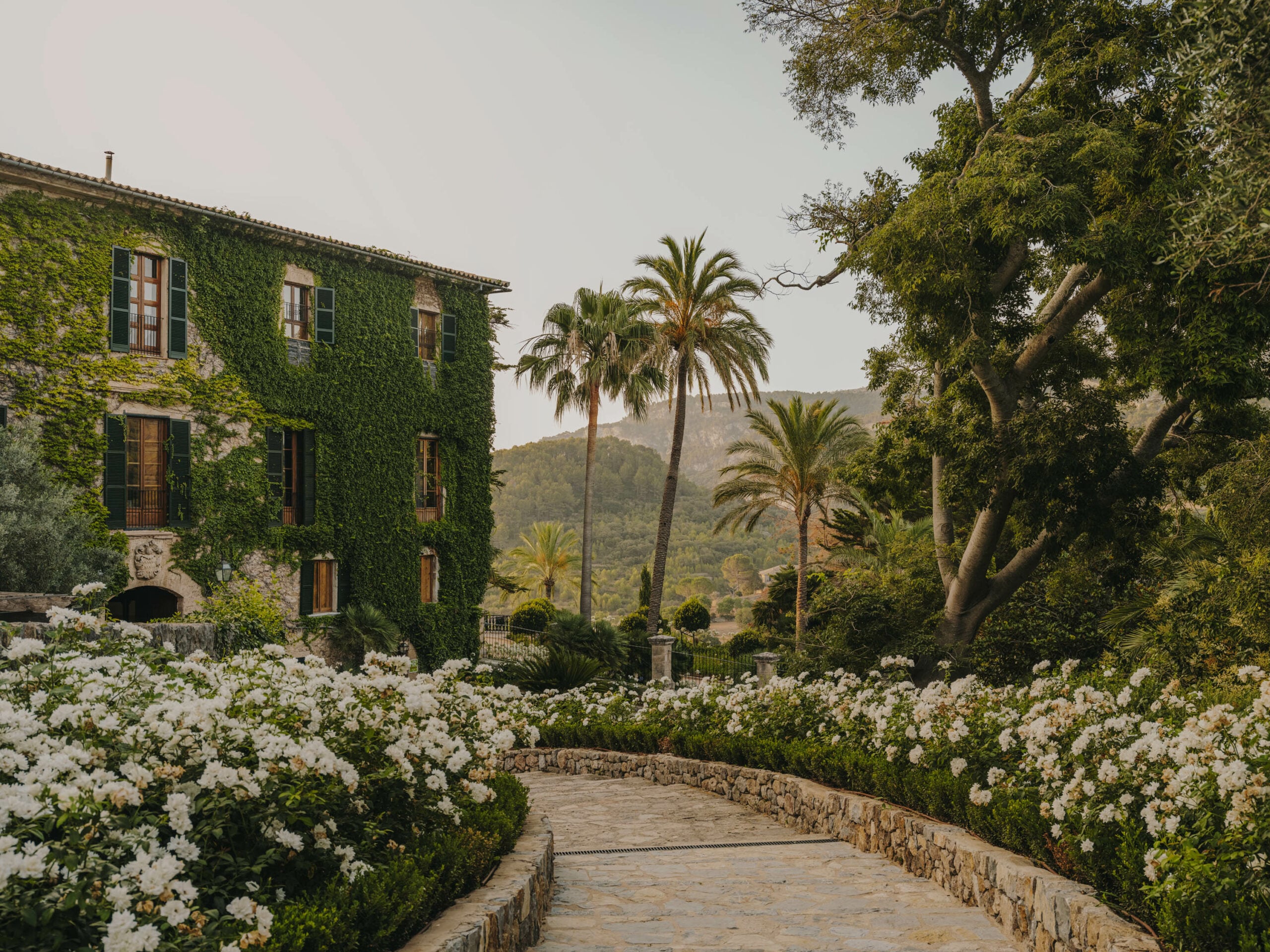
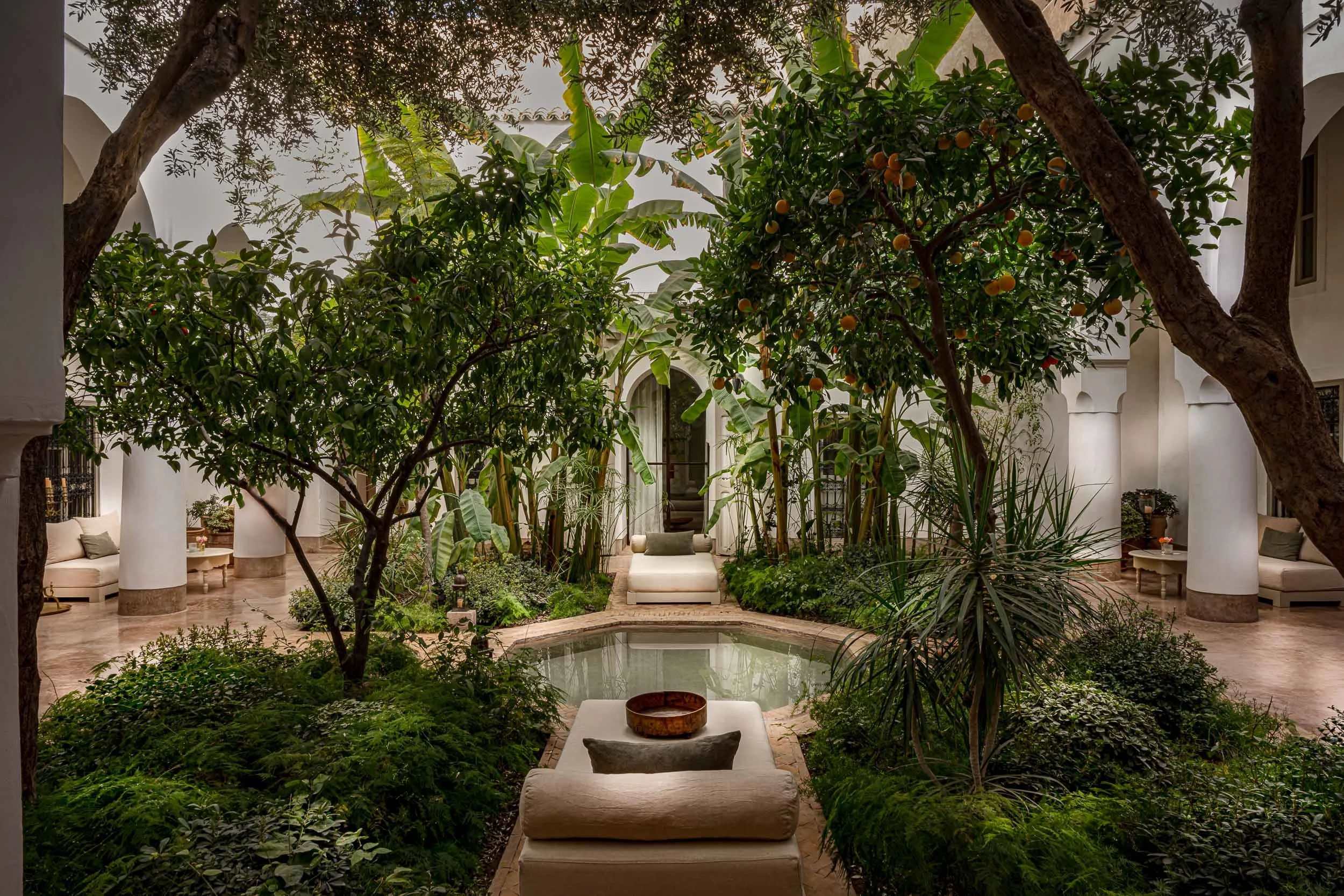
Around the year 1000 the Counts of Lurn built a castle called Suanapurc on a wooded crag above St. Lorenzen, a few kilometres west of Bruneck. In 1022 Count Volkhold gave it to the Benedictines, and for more than seven centuries it was a convent for women, until Emperor Joseph II dissolved it in 1785. Decades of decay followed, then in 1965 Karl Knötig bought what was left and made a hotel of it. In December 2025 the Sonnenburg reopened as Castel Badia after a full restoration, managed by the Melpignano family of Borgo Egnazia: twenty-eight rooms and suites, a chalet in the old convent bakery, Romanesque frescoes in the crypt, a spa laid into the medieval walls, heated pools facing the valley, and the Kronplatz five kilometres away.
- Best price guarantee
- Full access to content library
- Personalized itinerary
- A gift for every booking over three nights
- 24/7 support
Photography © Castel Badia.
Rooms & Availability



Bella

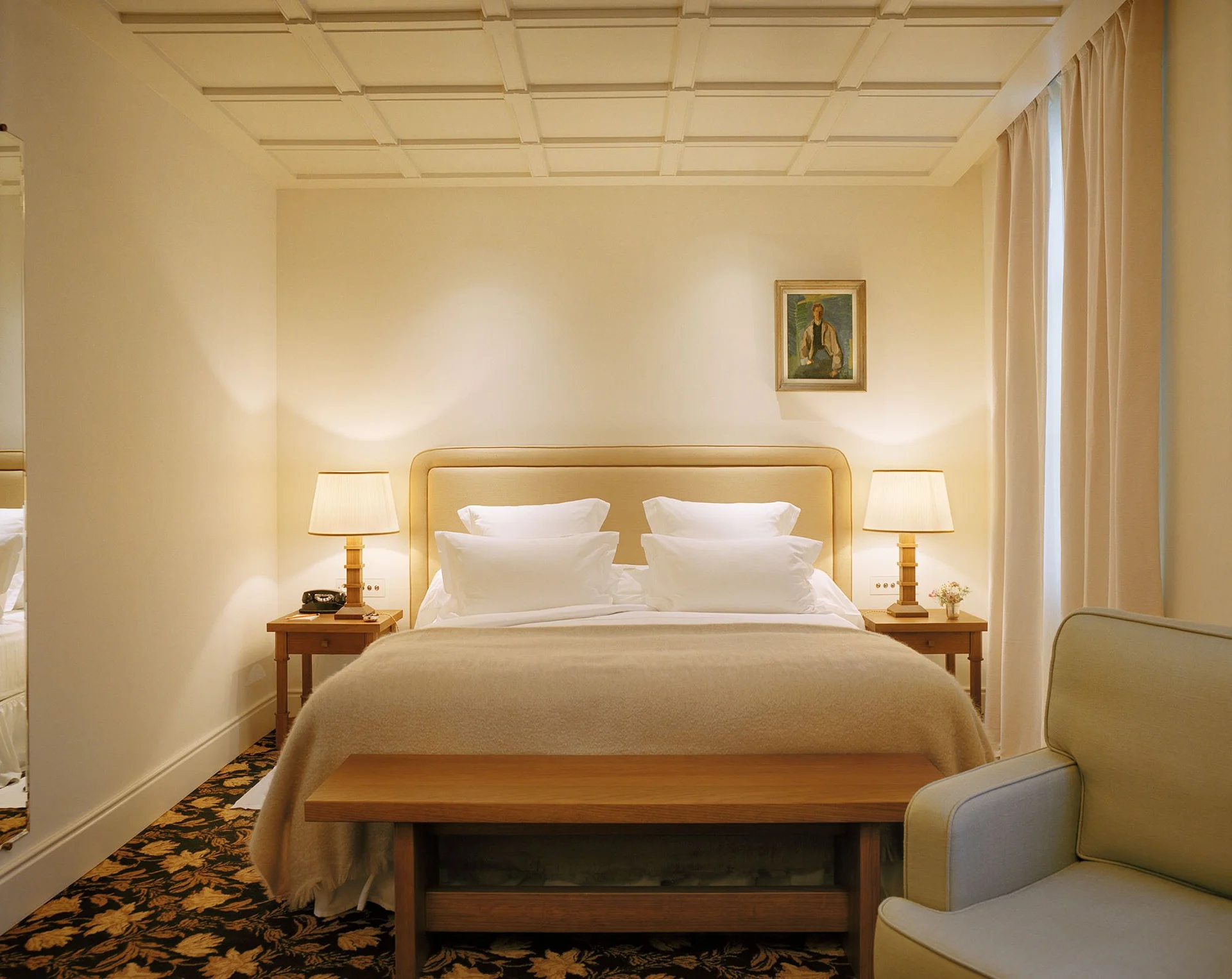
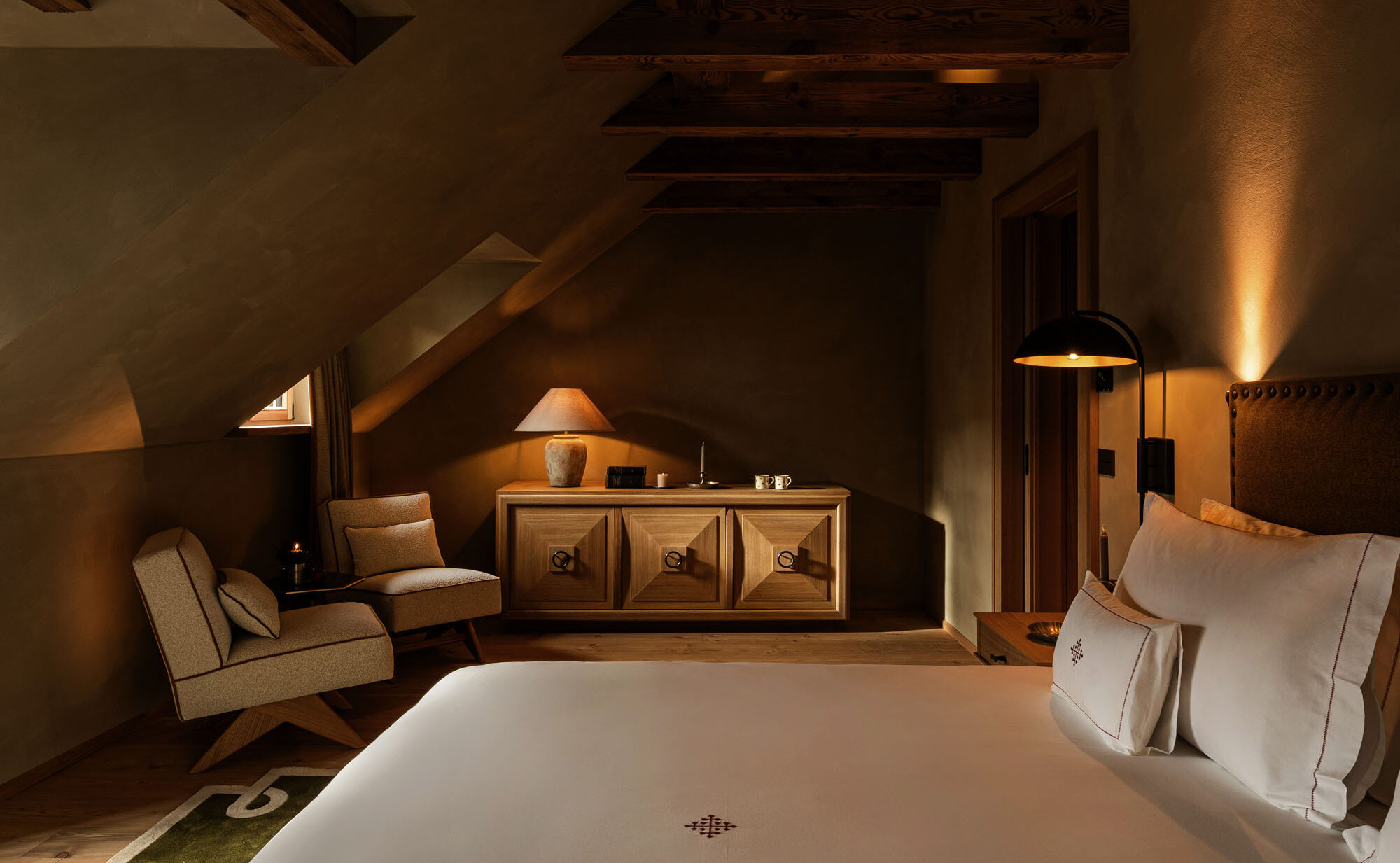
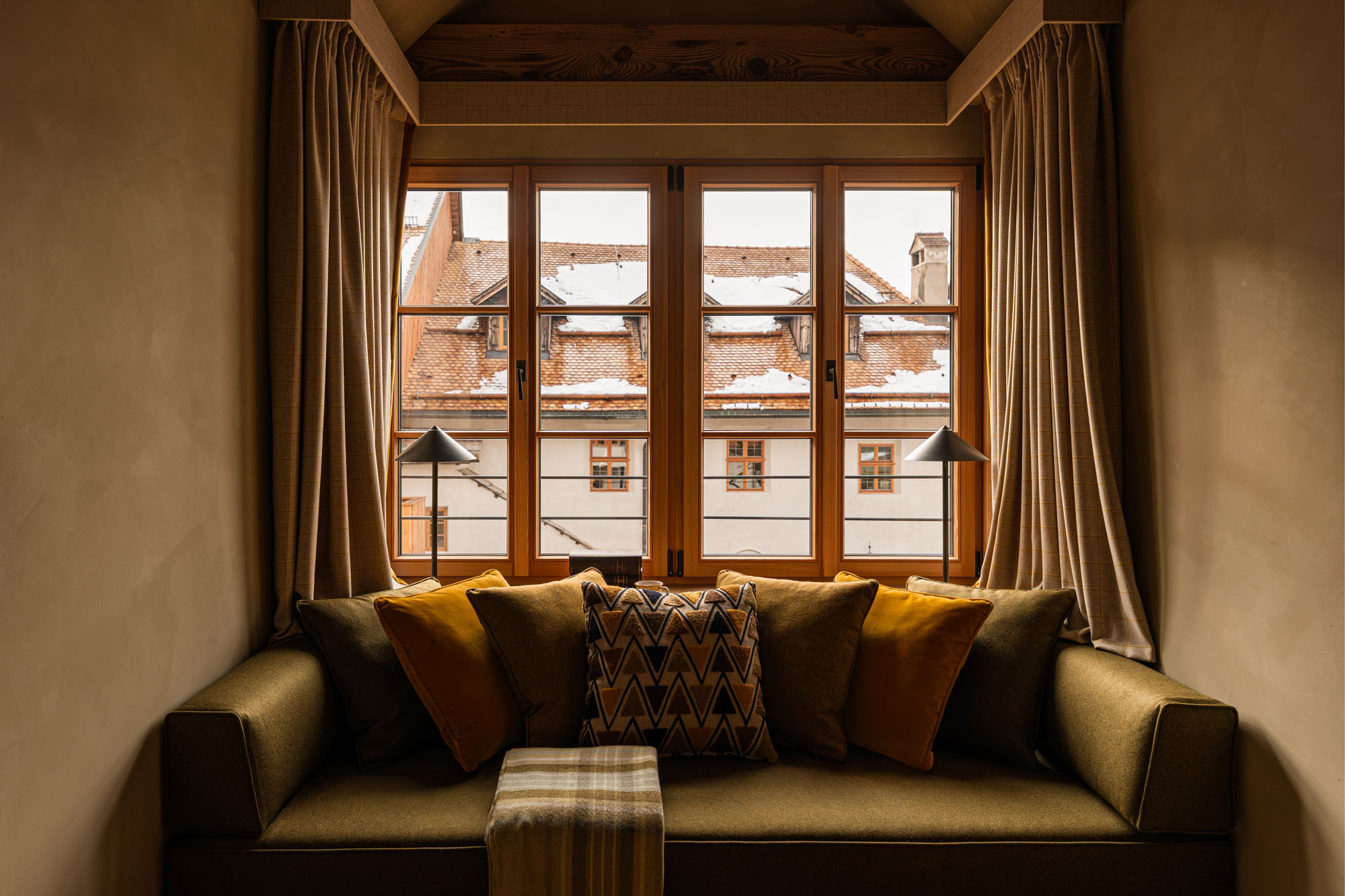
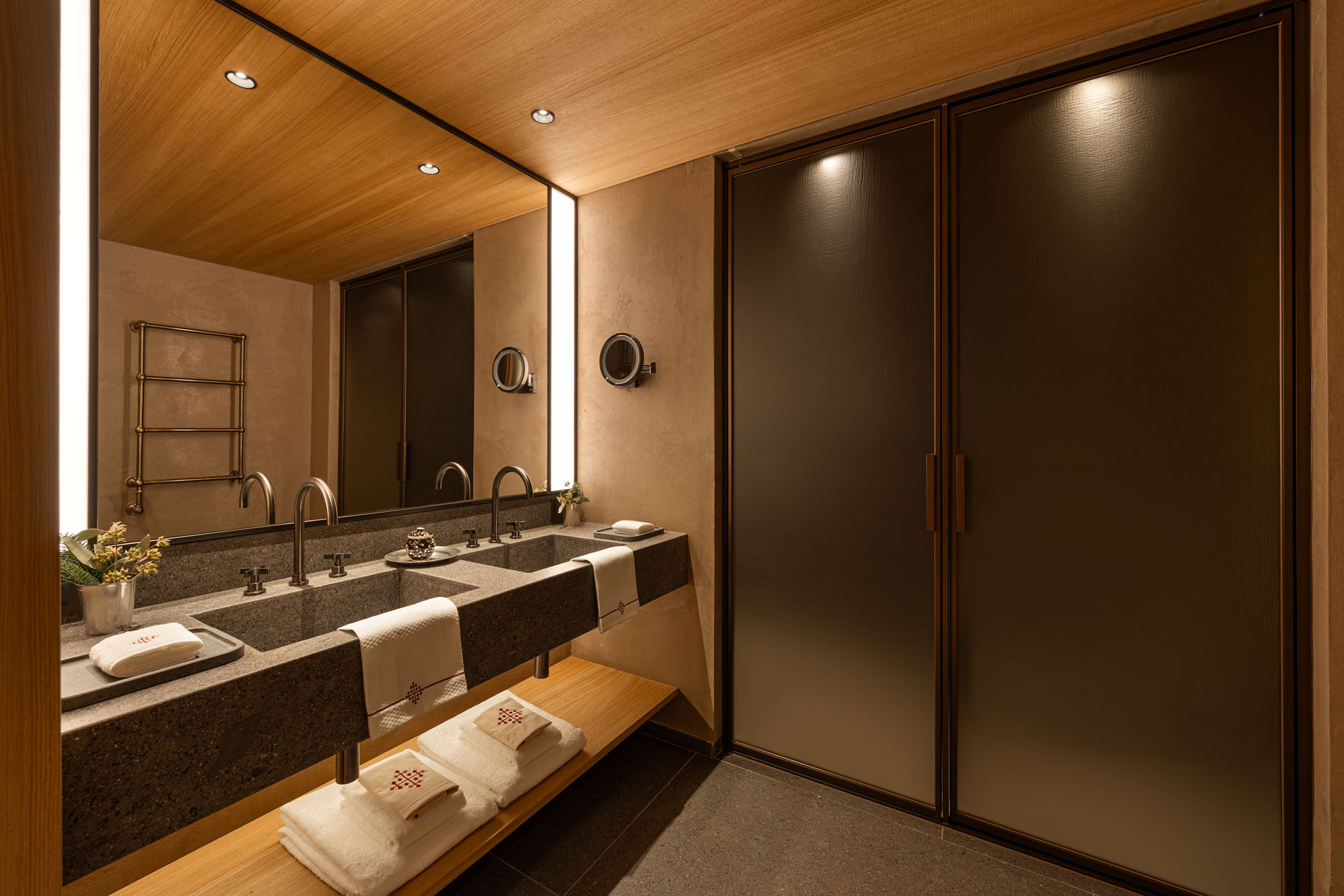
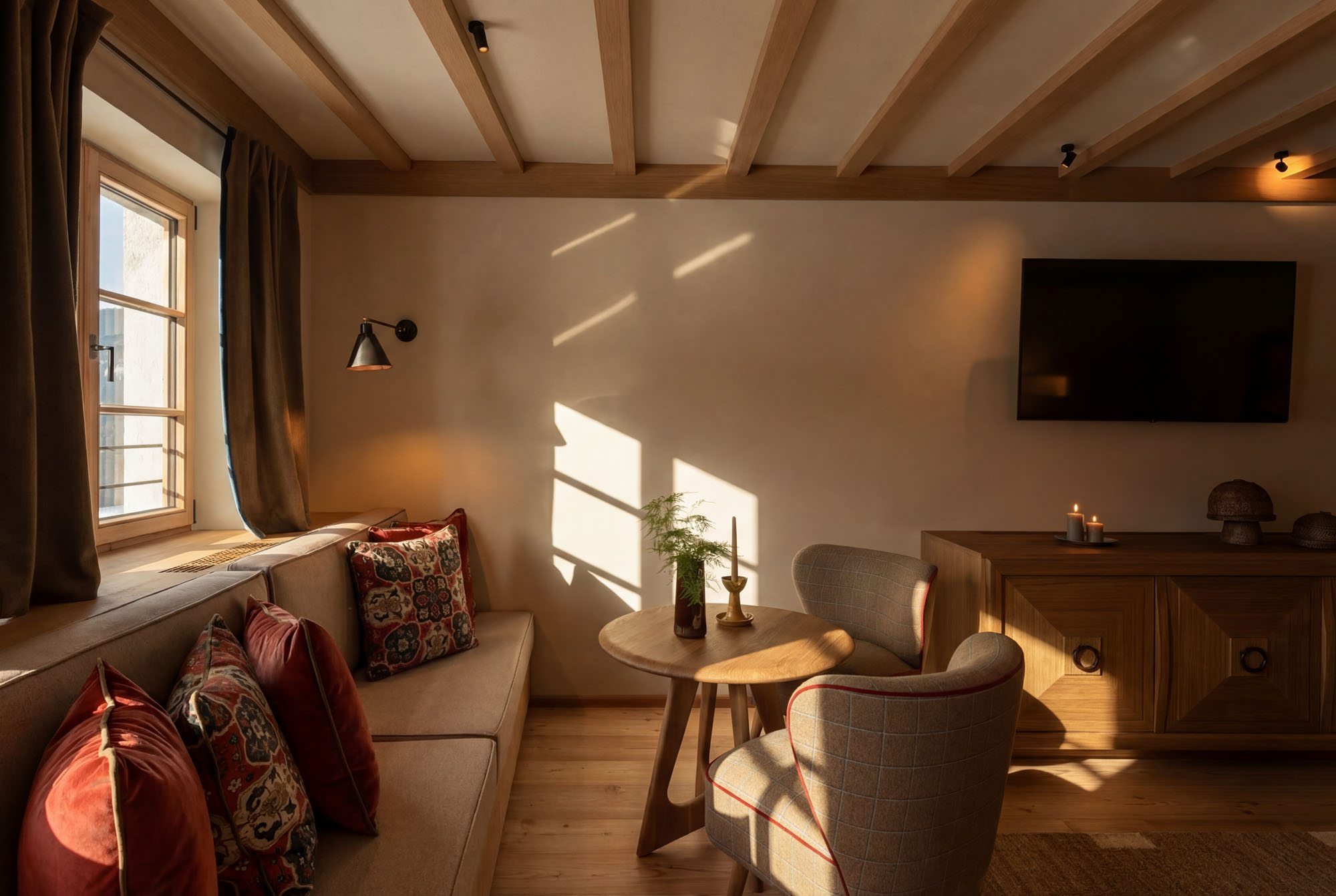
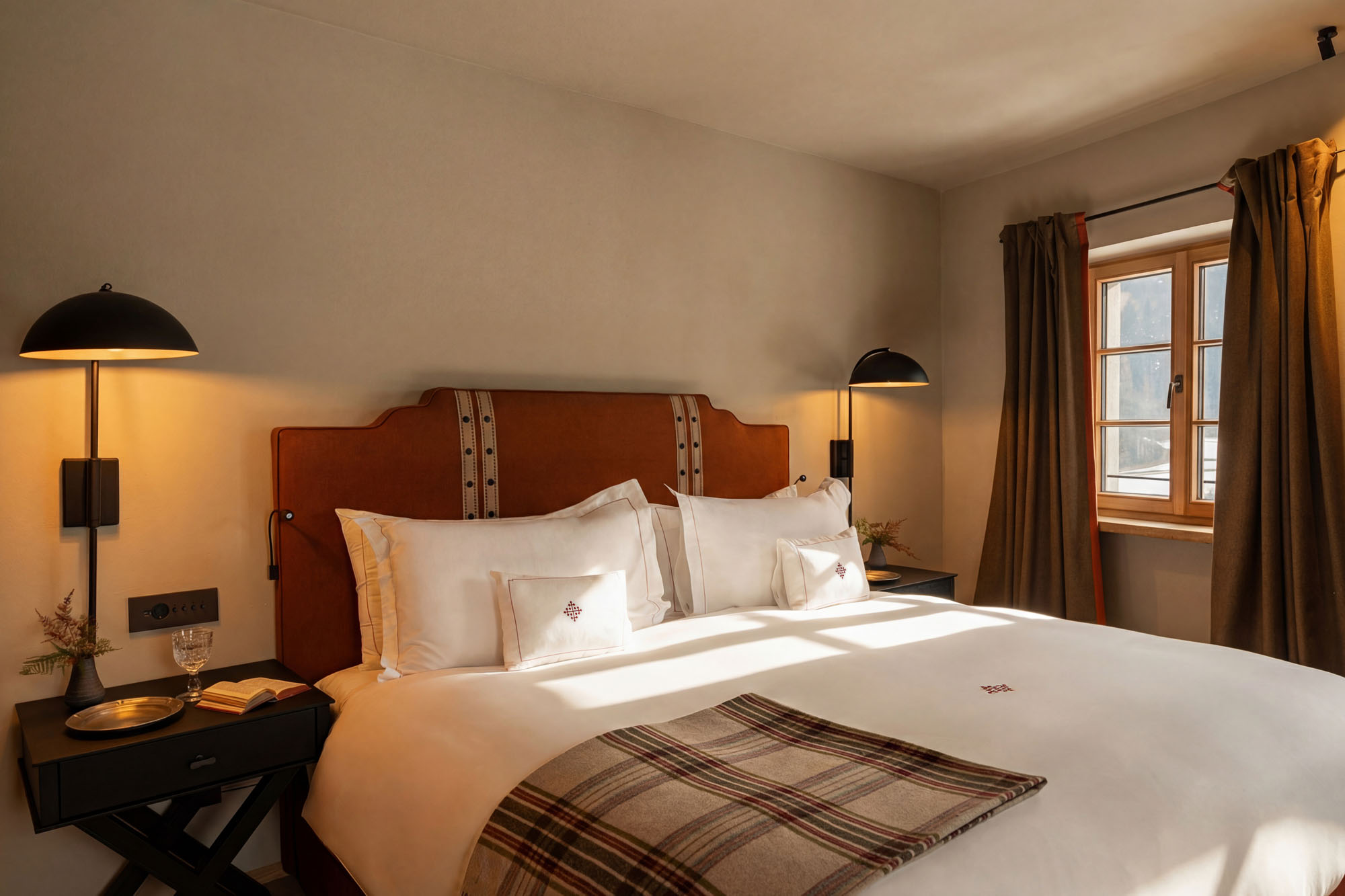
On the first or second floor, looking onto the courtyard or down the valley, with a walk-in rain shower and, in some, a sofa set into the deep window alcove of the old walls.
Bella


Splendida
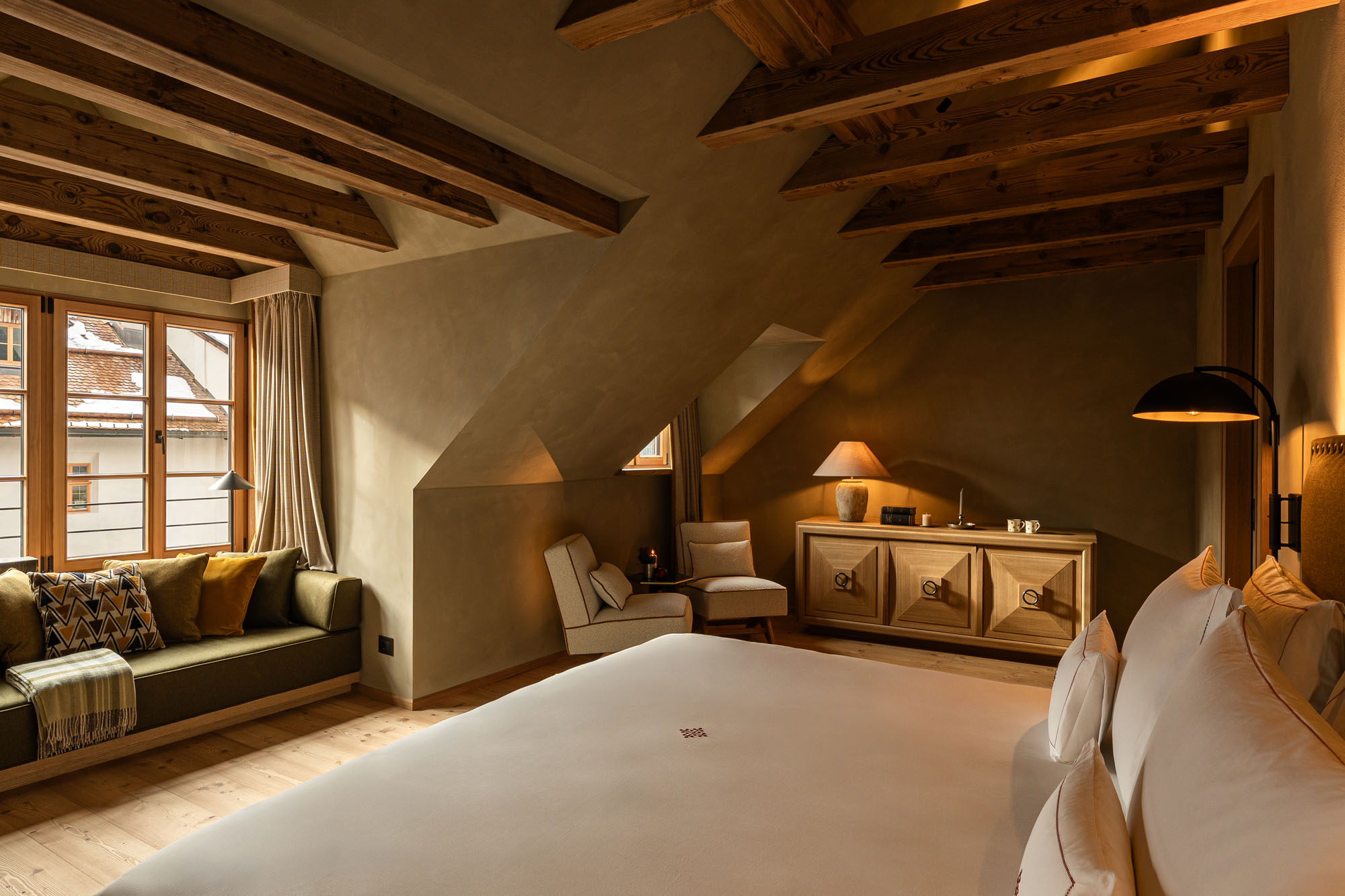
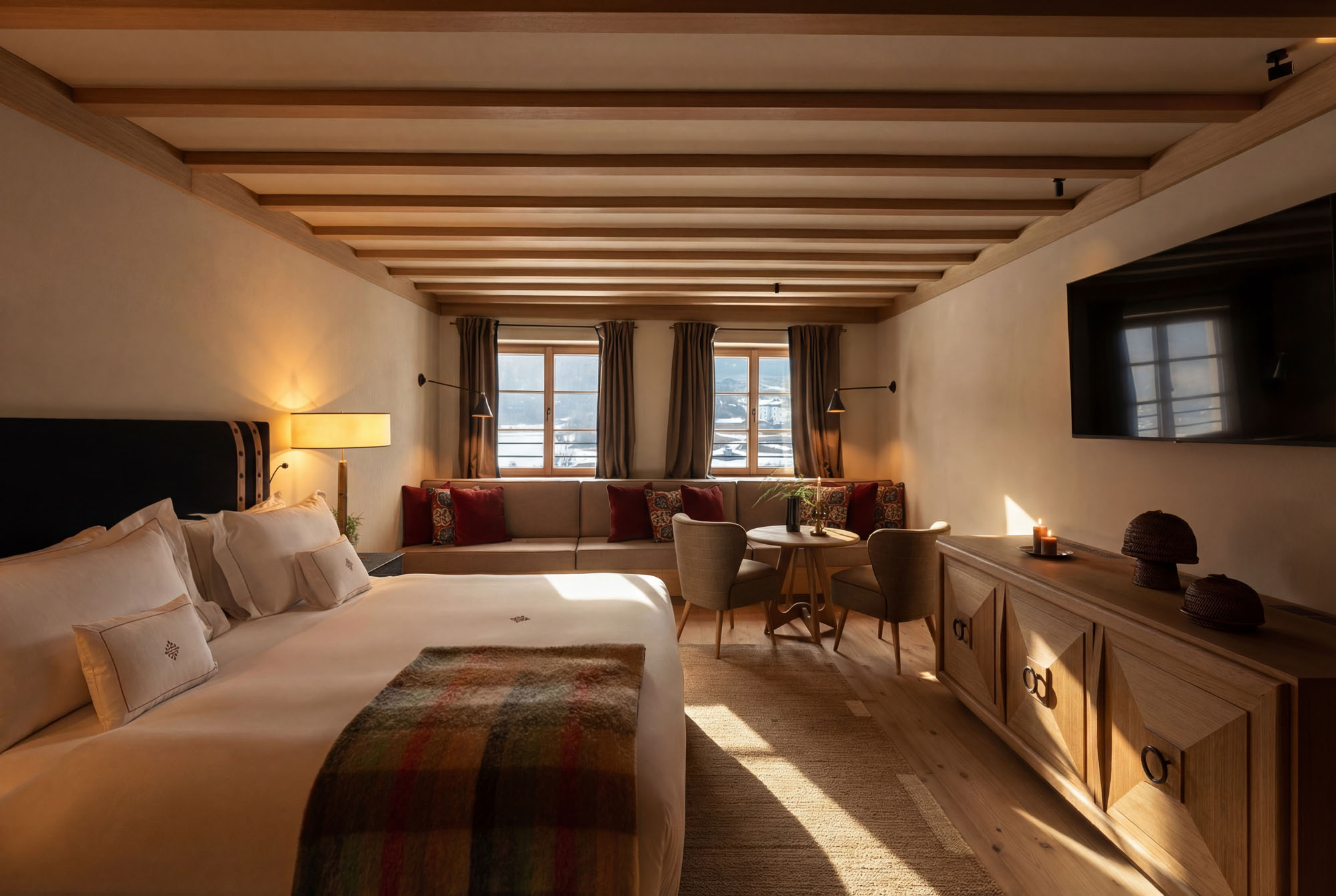
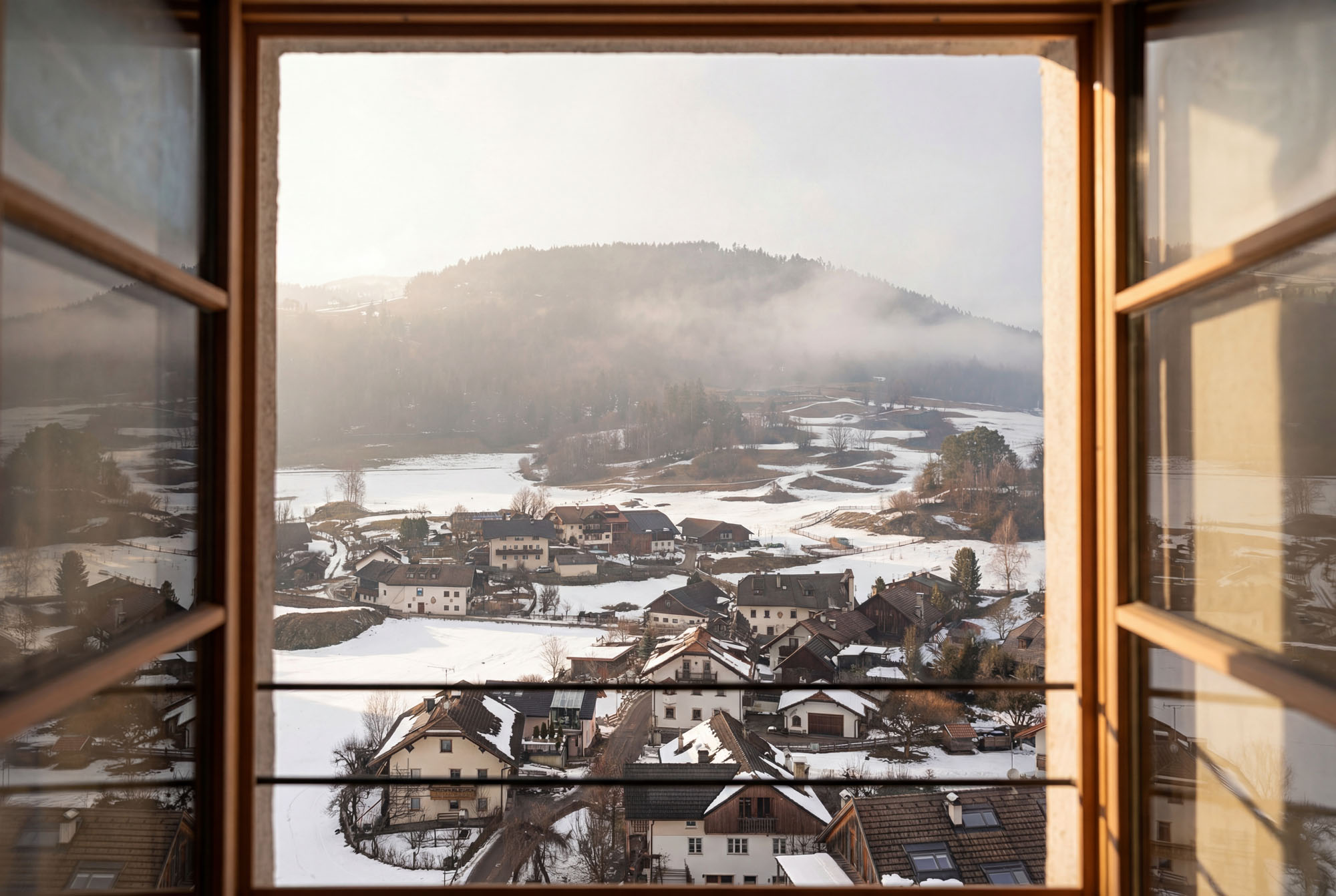
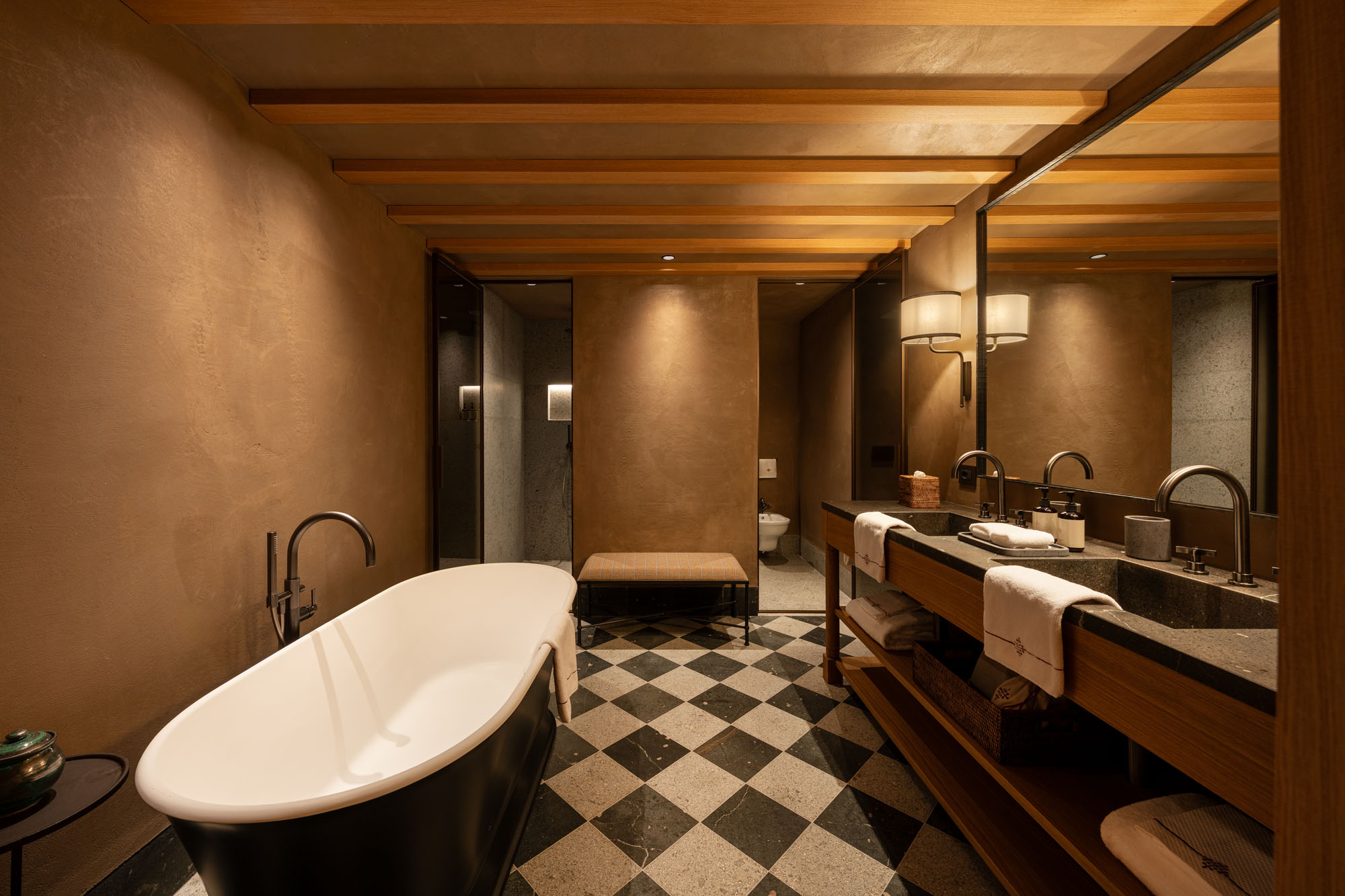
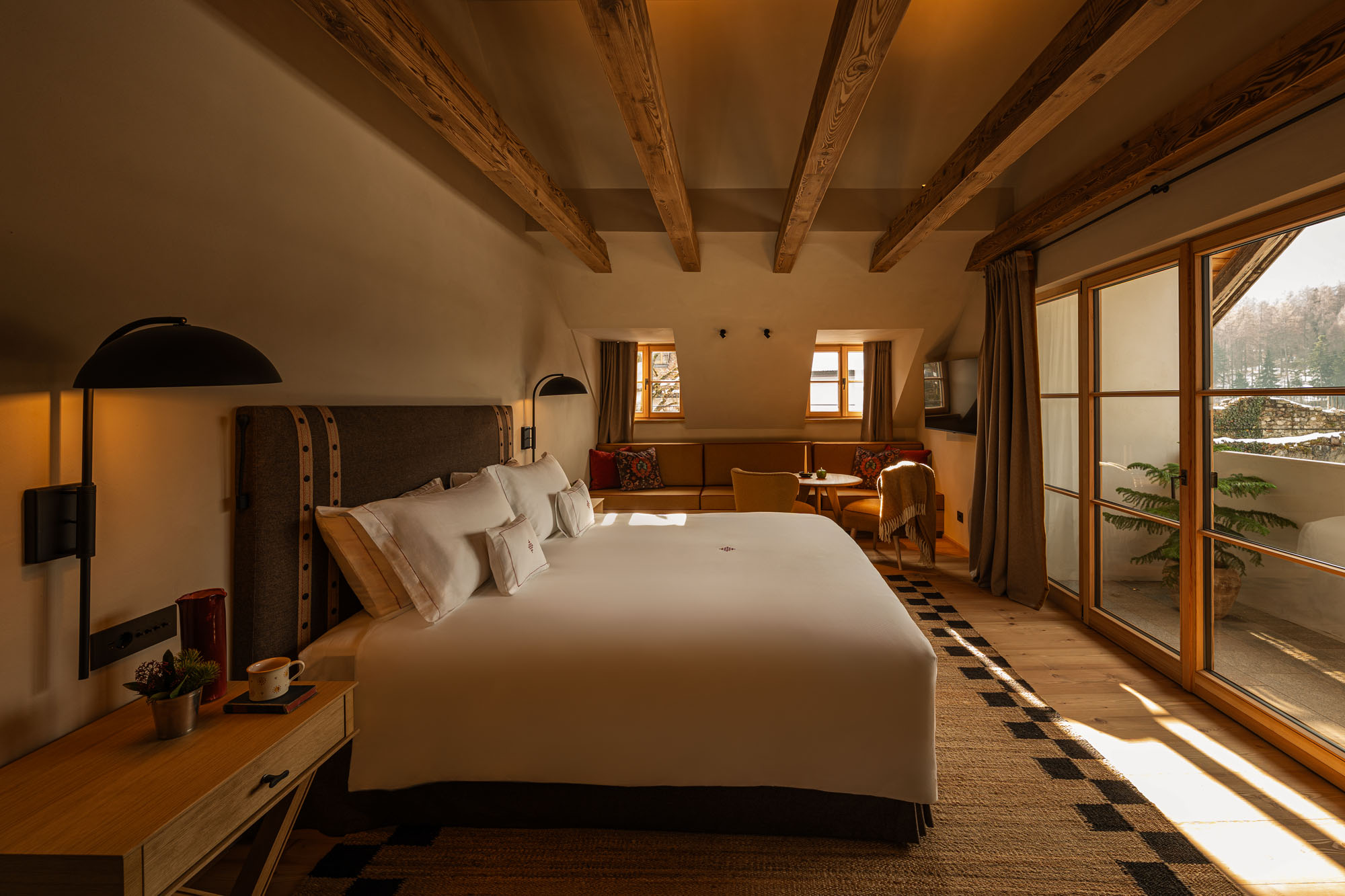
Larger rooms under timber ceilings, facing the courtyard or the valley, some with a balcony, with a walk-in shower and a freestanding bathtub.
Splendida


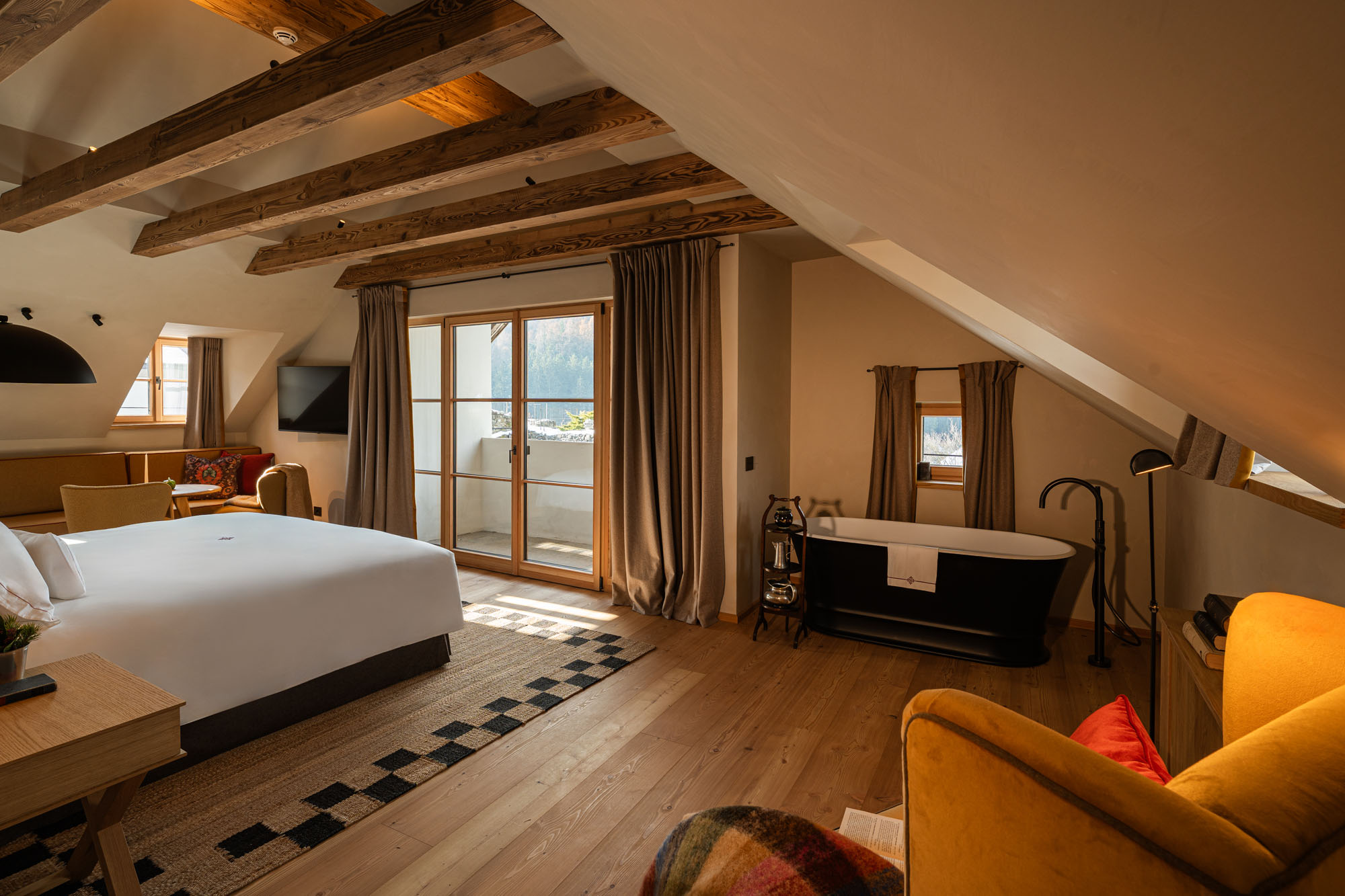
Sublime Junior Suite
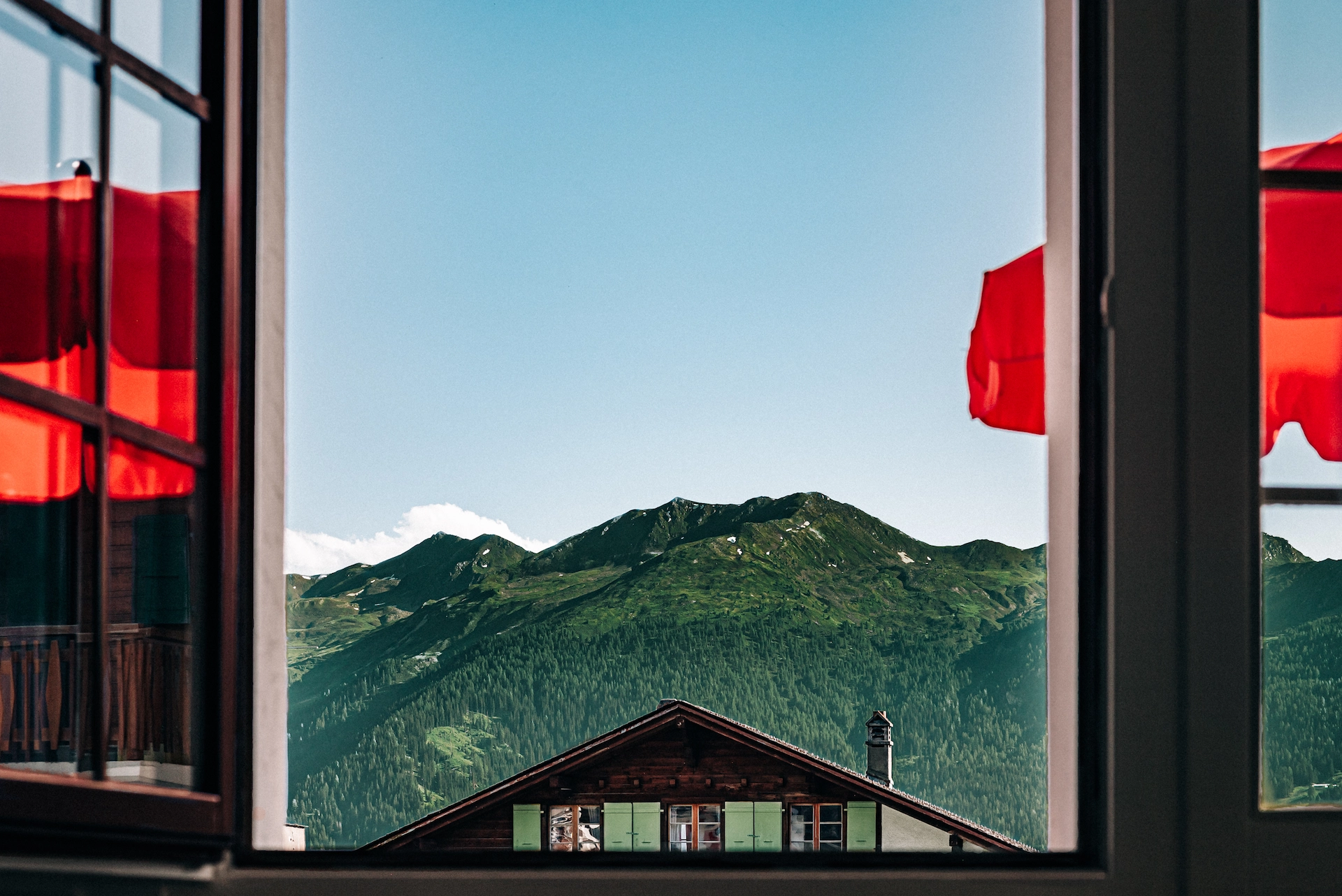
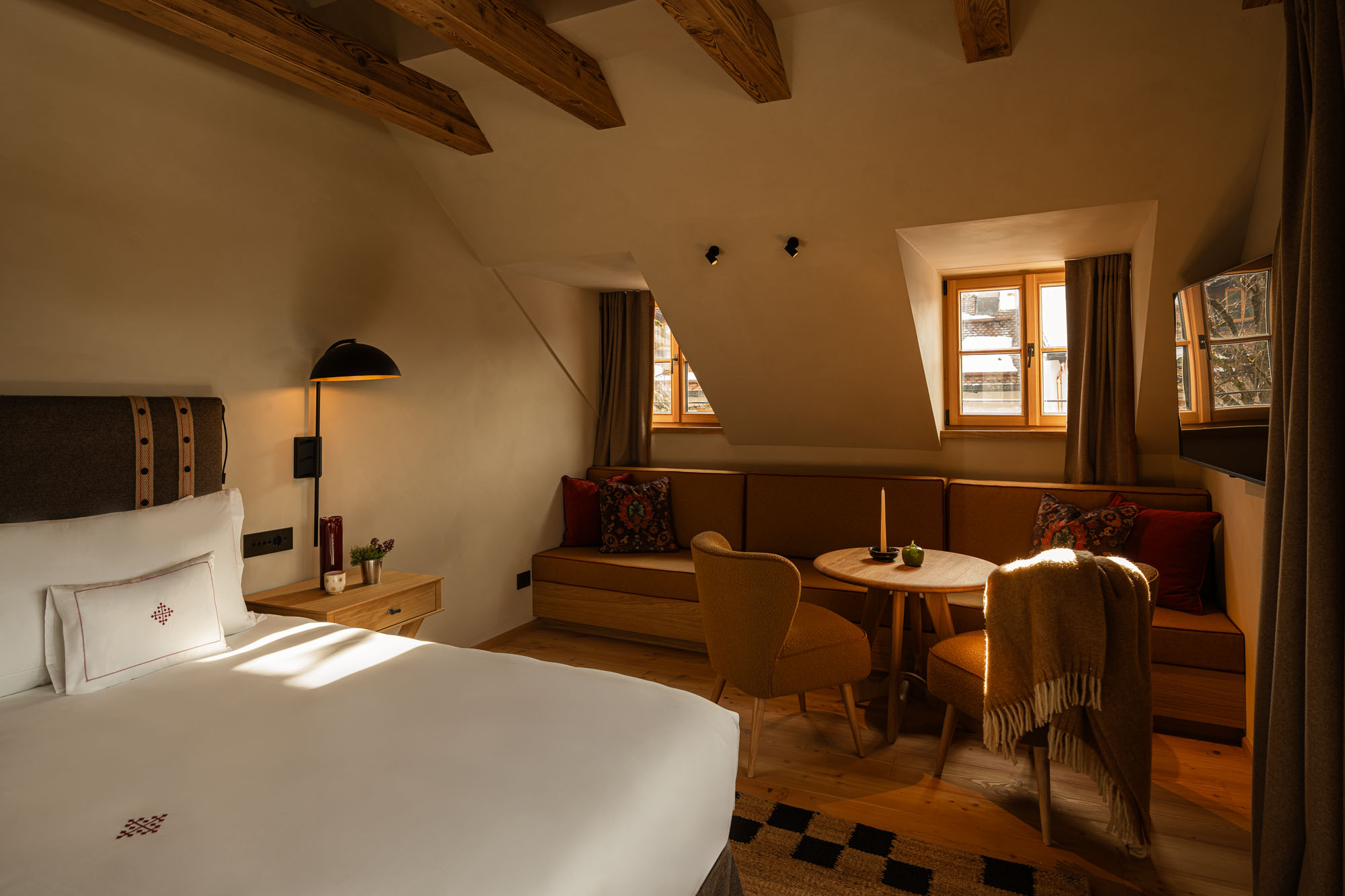
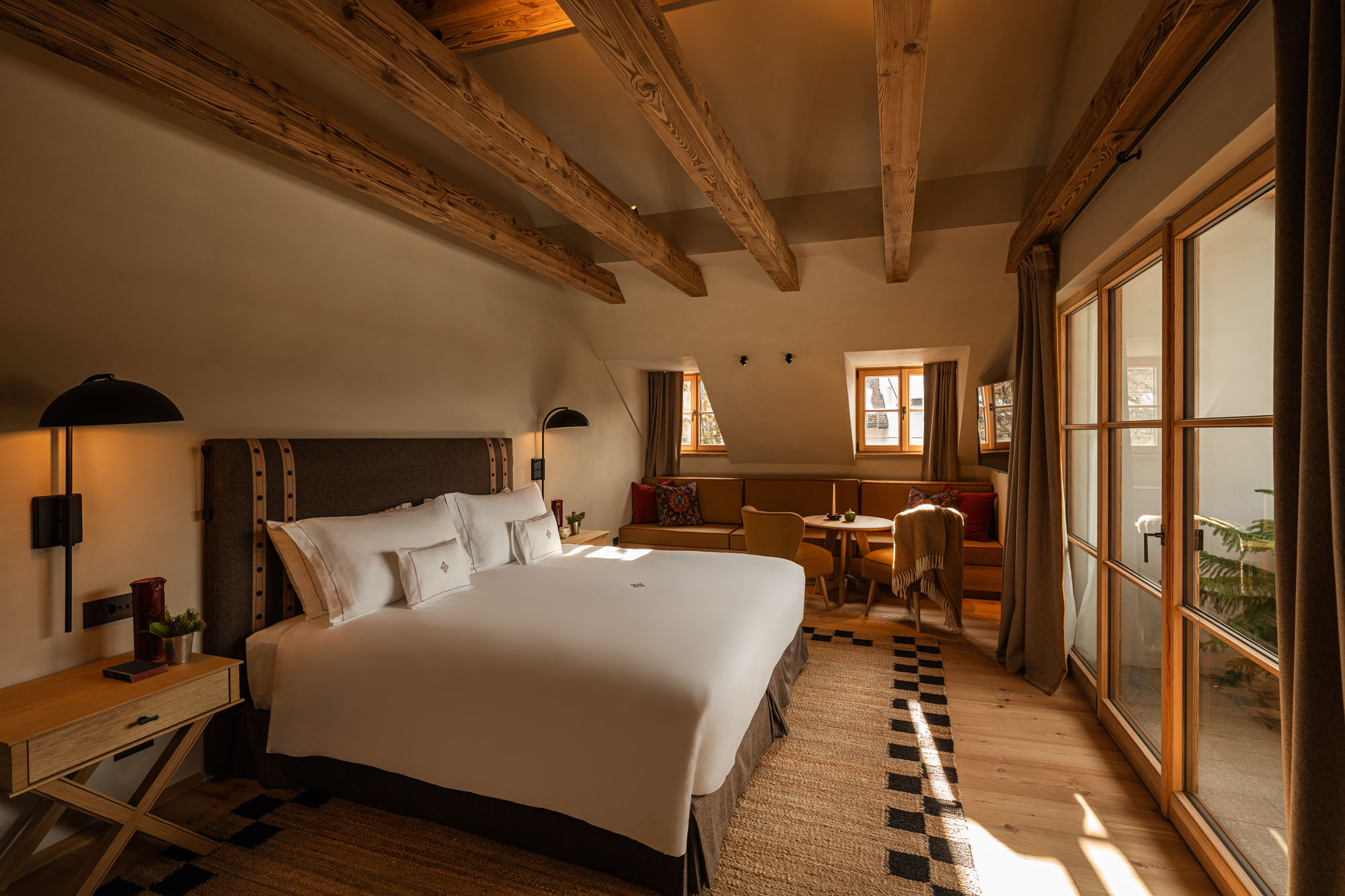
Junior suites with views over the valley and the mountains; depending on the room, a balcony, terrace or patio, a bathtub or a walk-in wardrobe.
Sublime Junior Suite
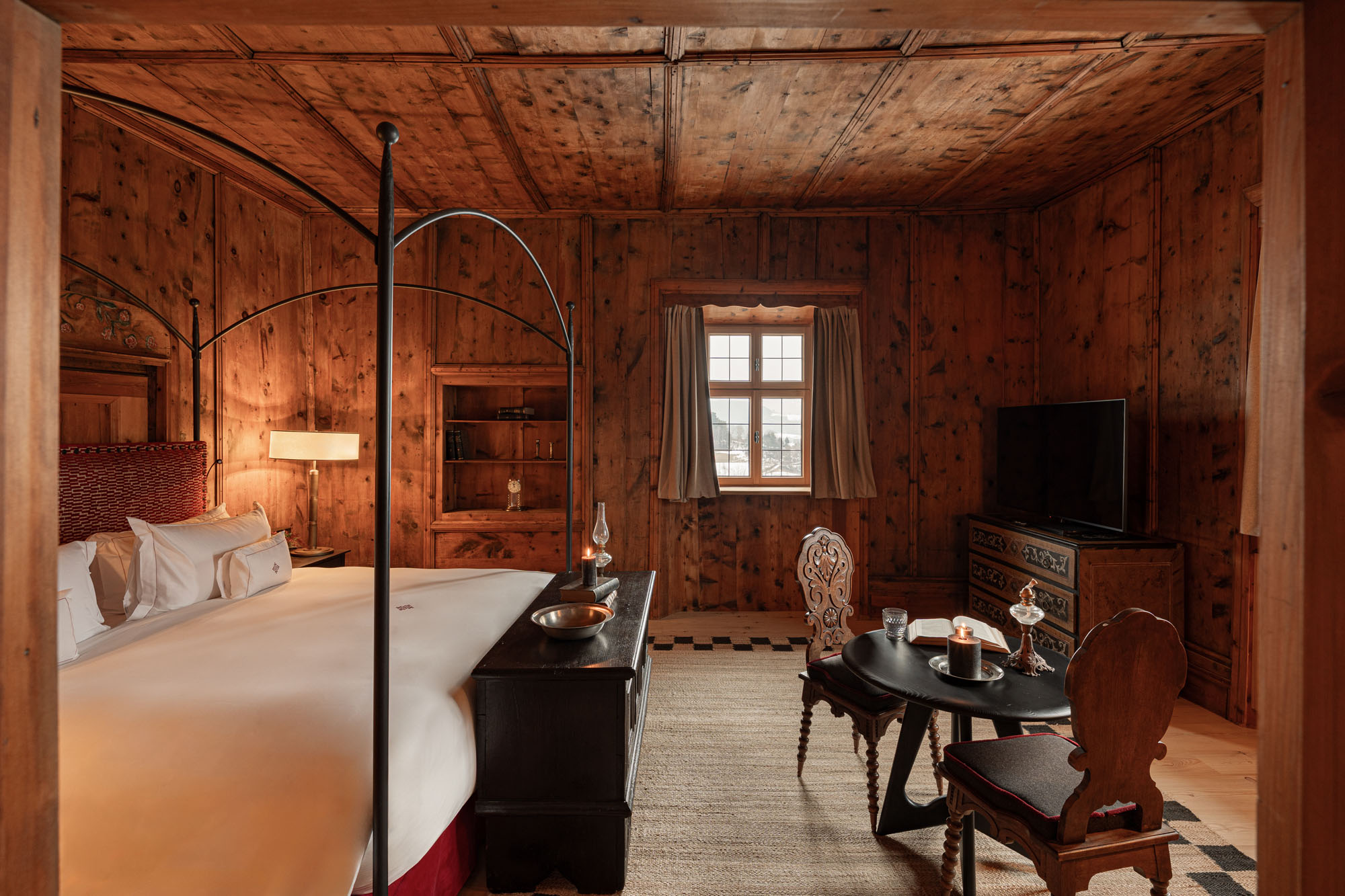
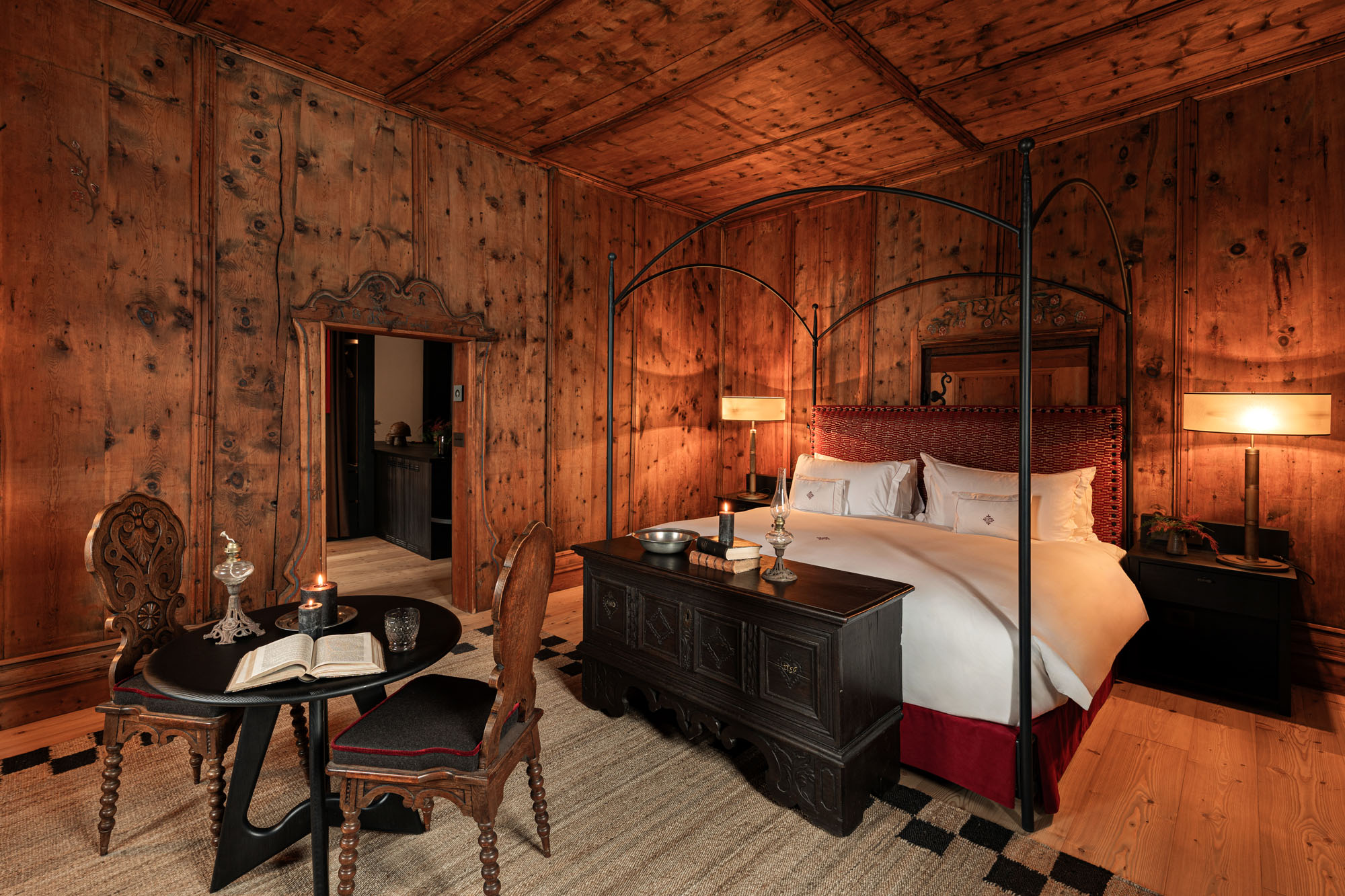
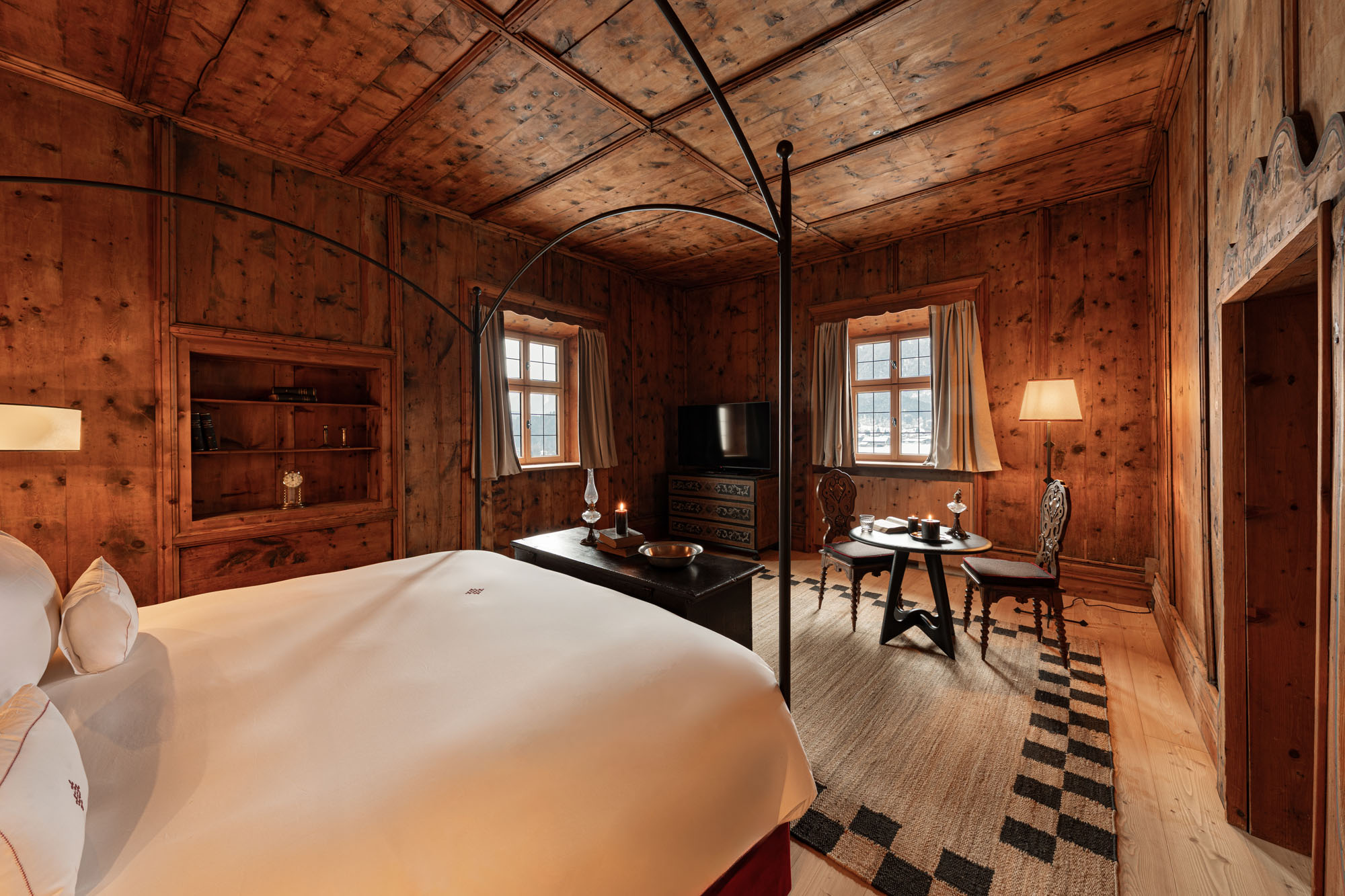
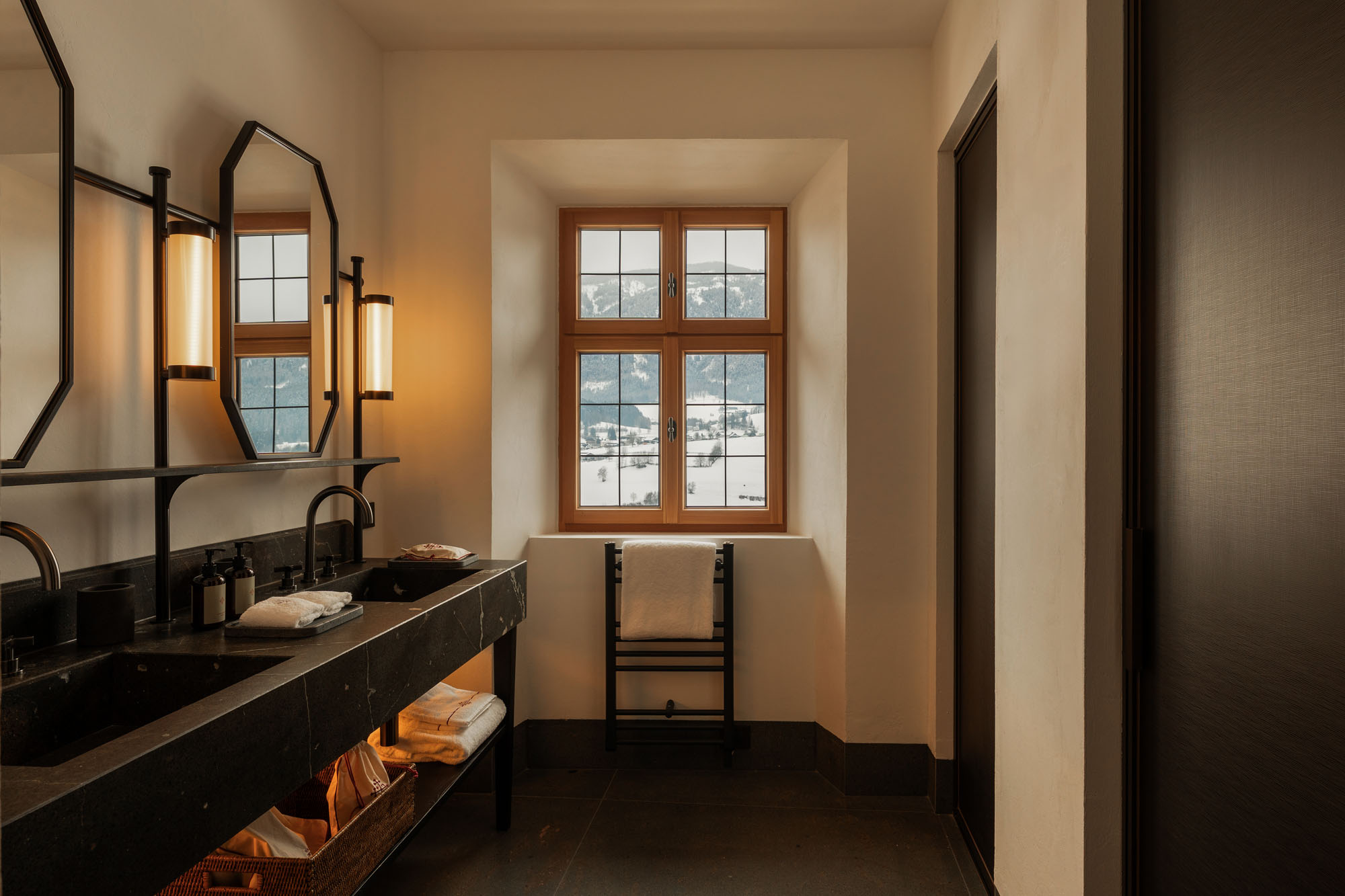
Preziosa Junior Suite
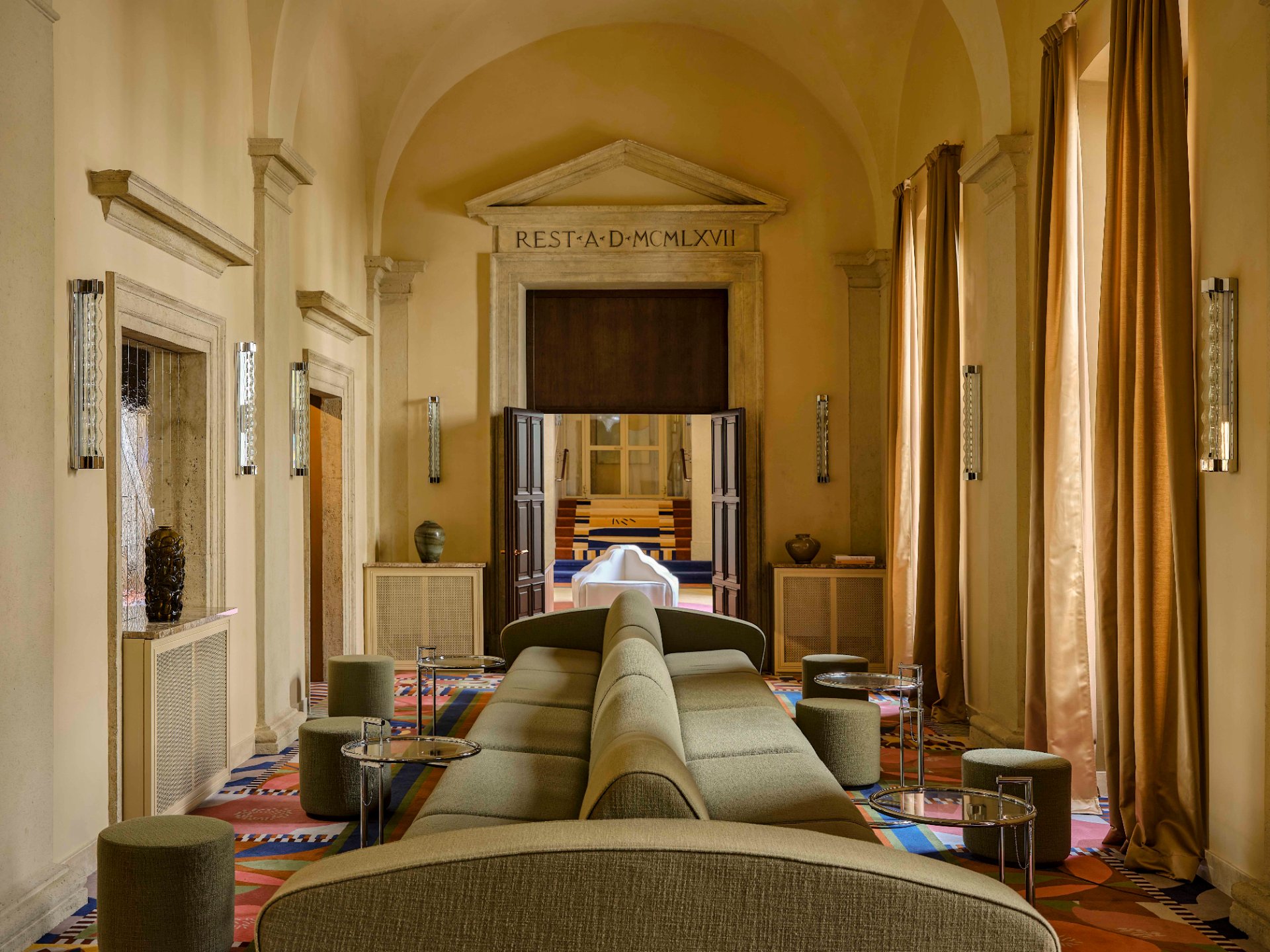
The junior suites that kept the most of the old convent: panelled walls, historic ceilings and, in some, a balcony, terrace or patio and a bathtub.
Preziosa Junior Suite
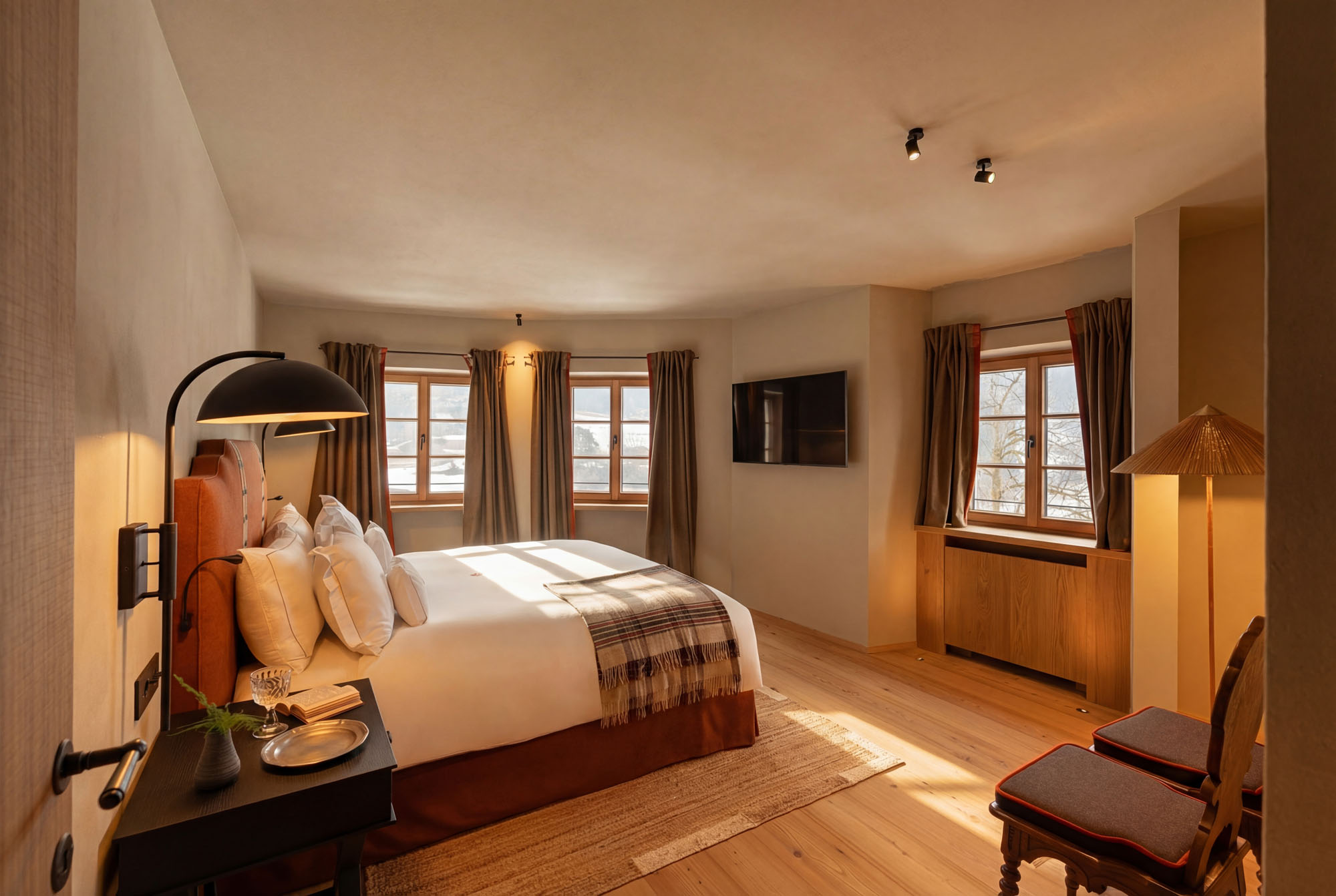
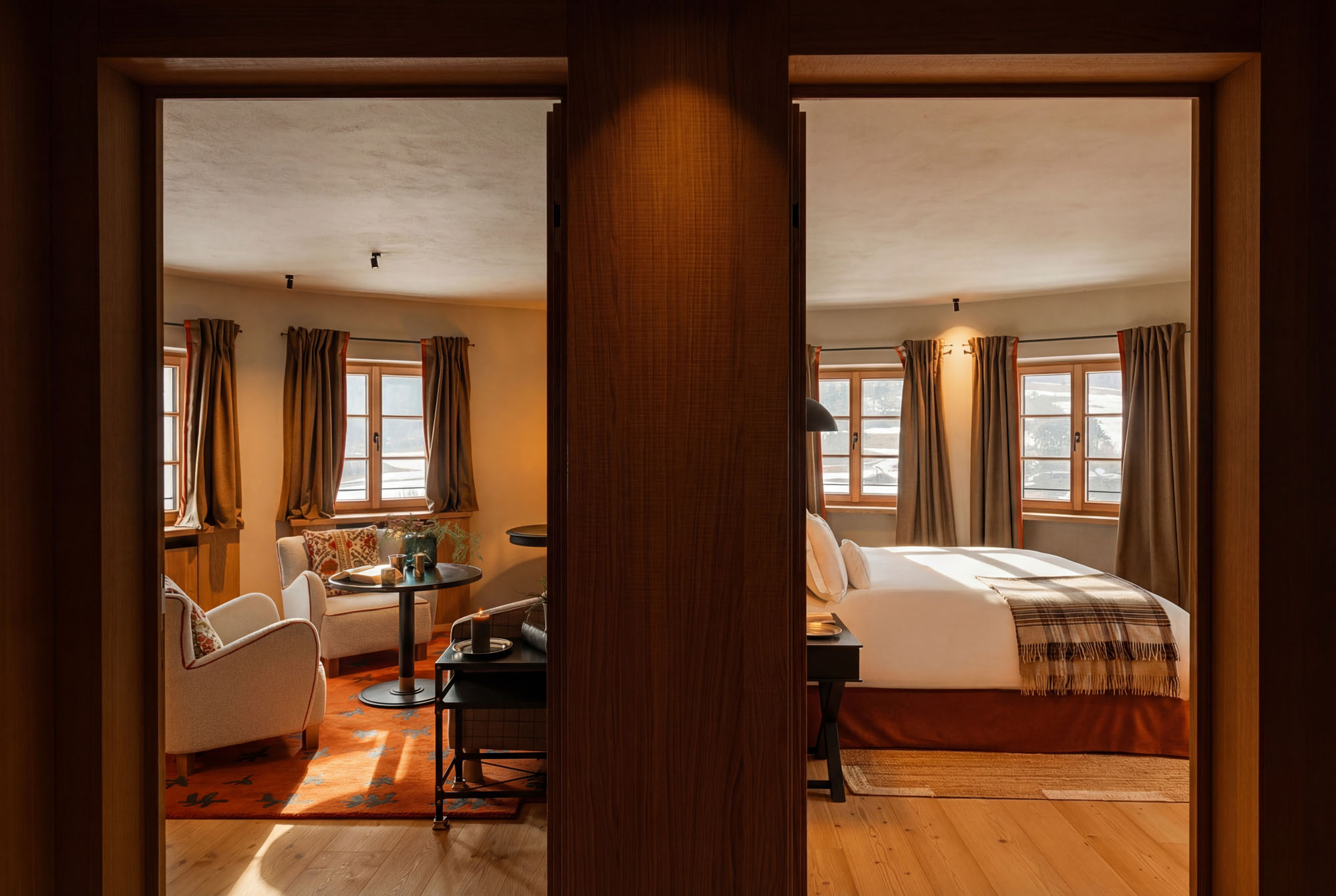
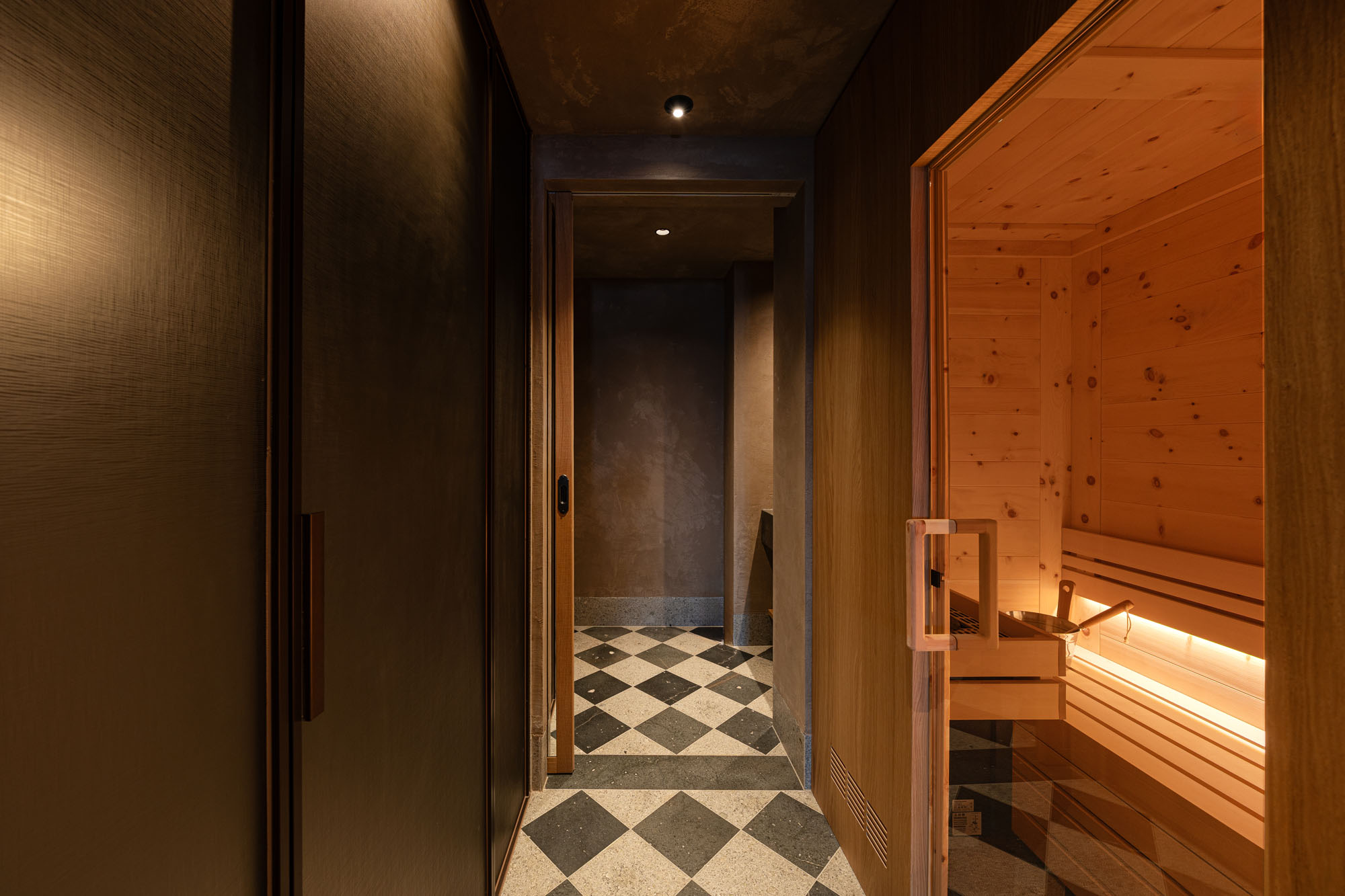
Stupenda Suite
Two suites on the first floor, each with a separate bedroom, a rain shower and a bathtub; one has a private sauna, the other sits inside one of the old towers.
Stupenda Suite
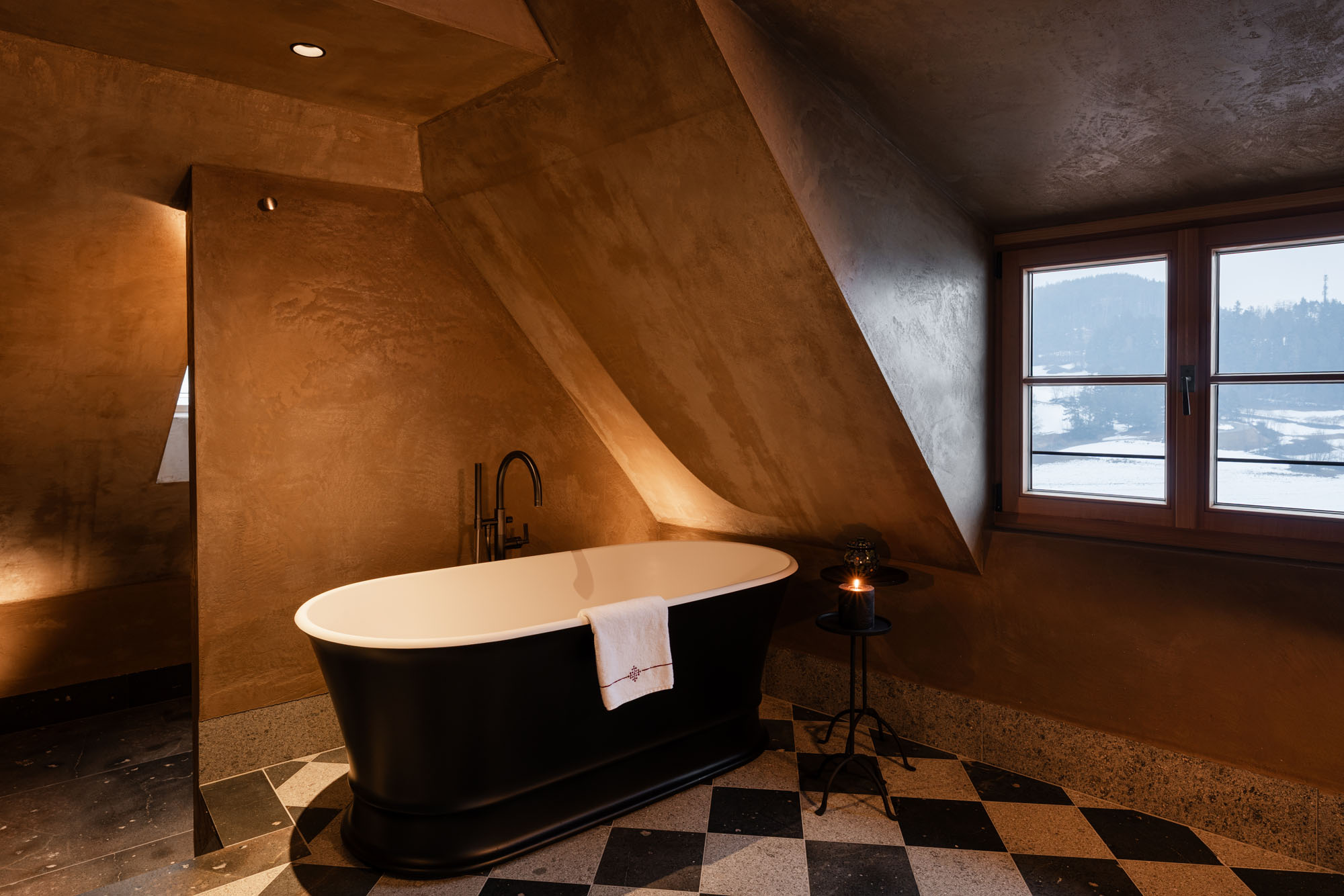
Magnifica
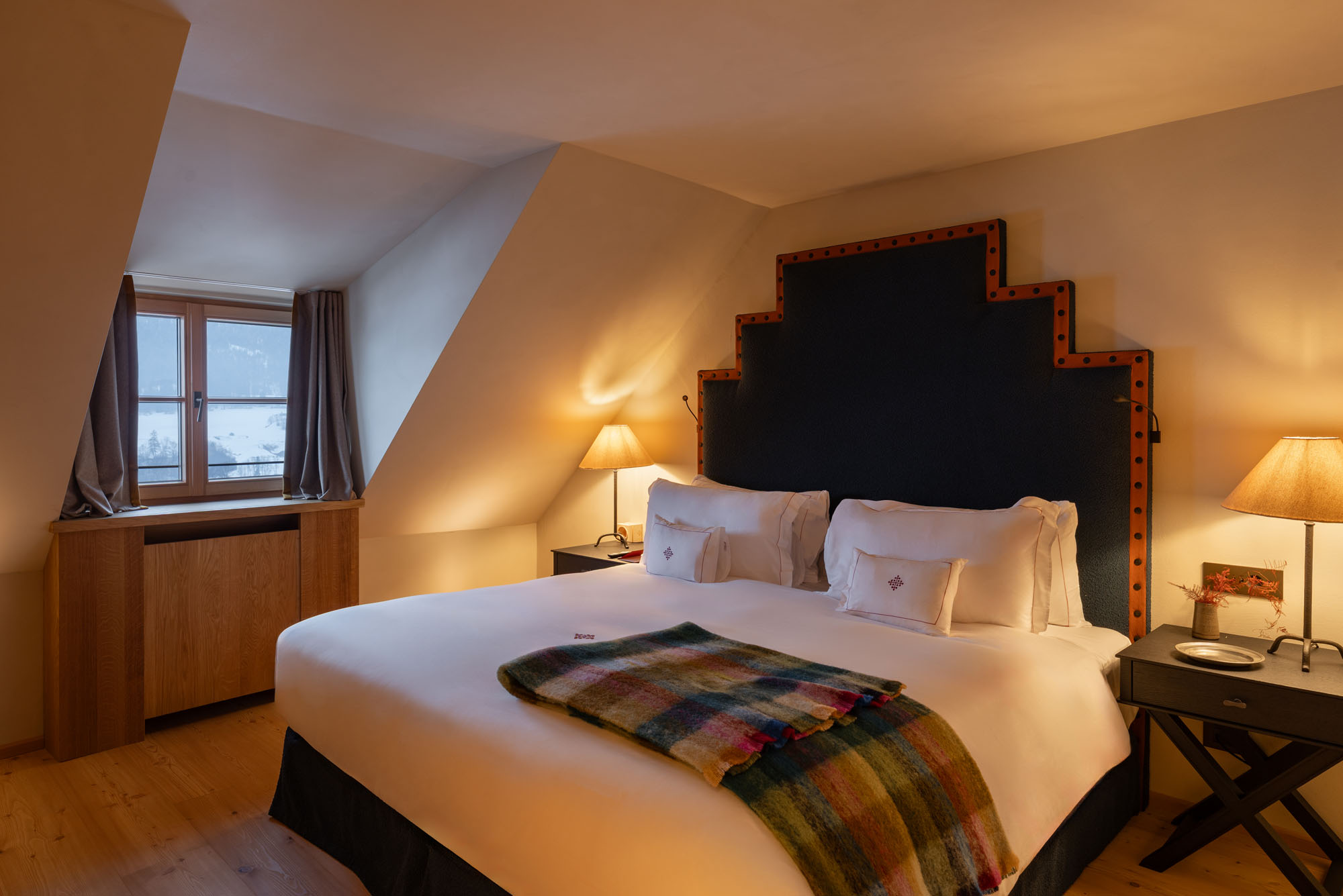
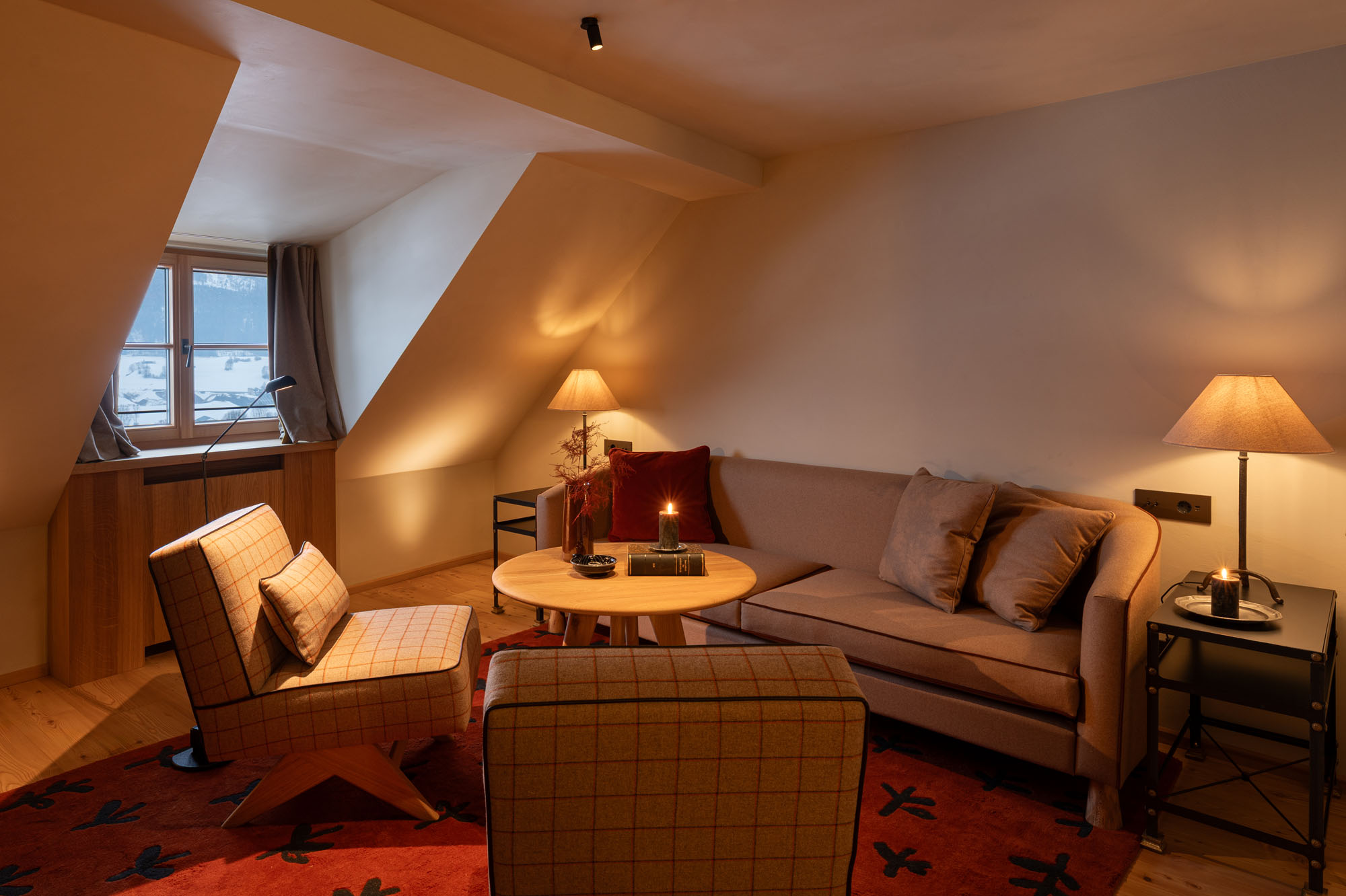
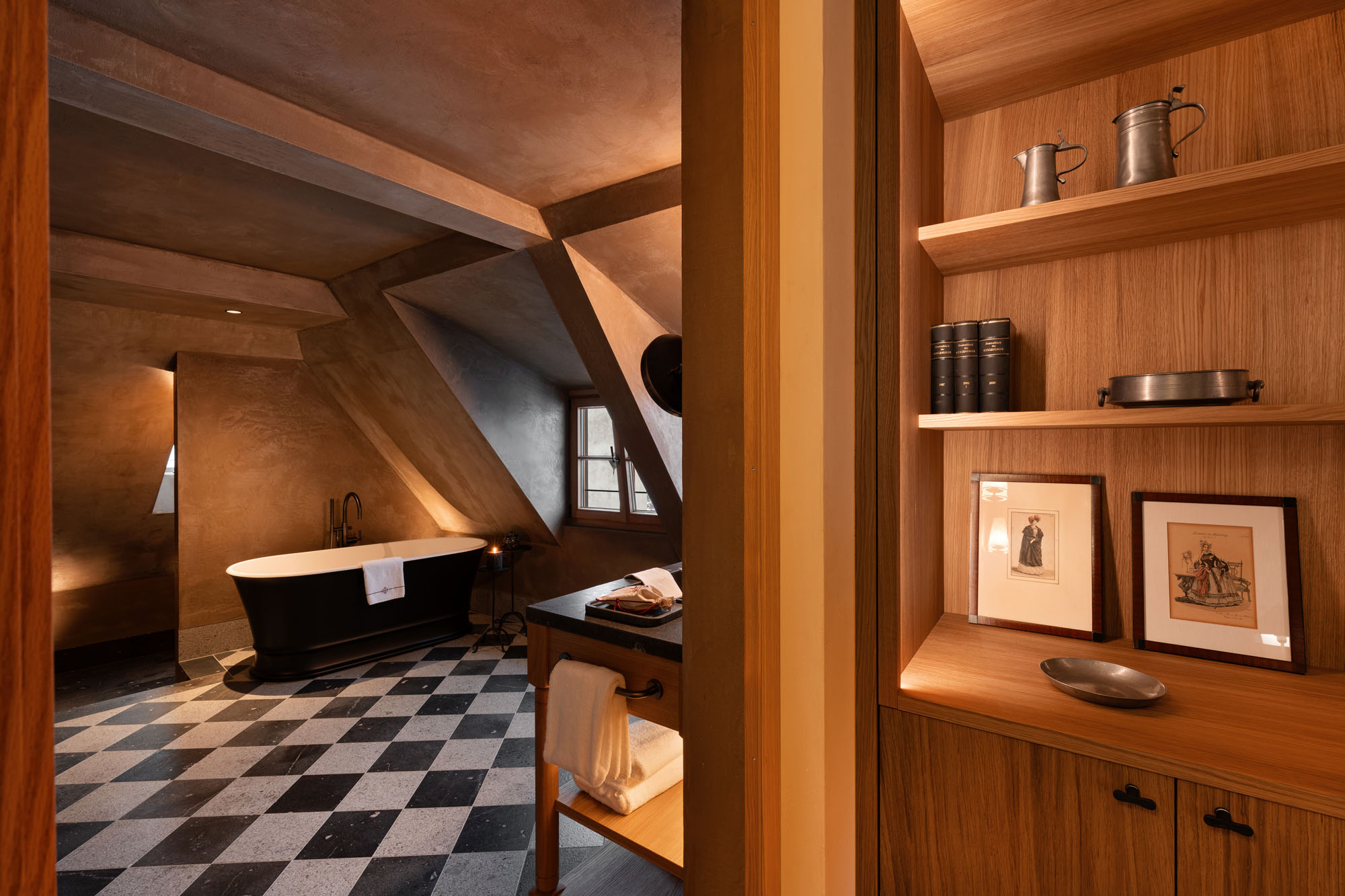
Under the sloping roof with a view of the Dolomites, heated floors and a freestanding bathtub; one of them opens onto a small rooftop terrace.
Magnifica
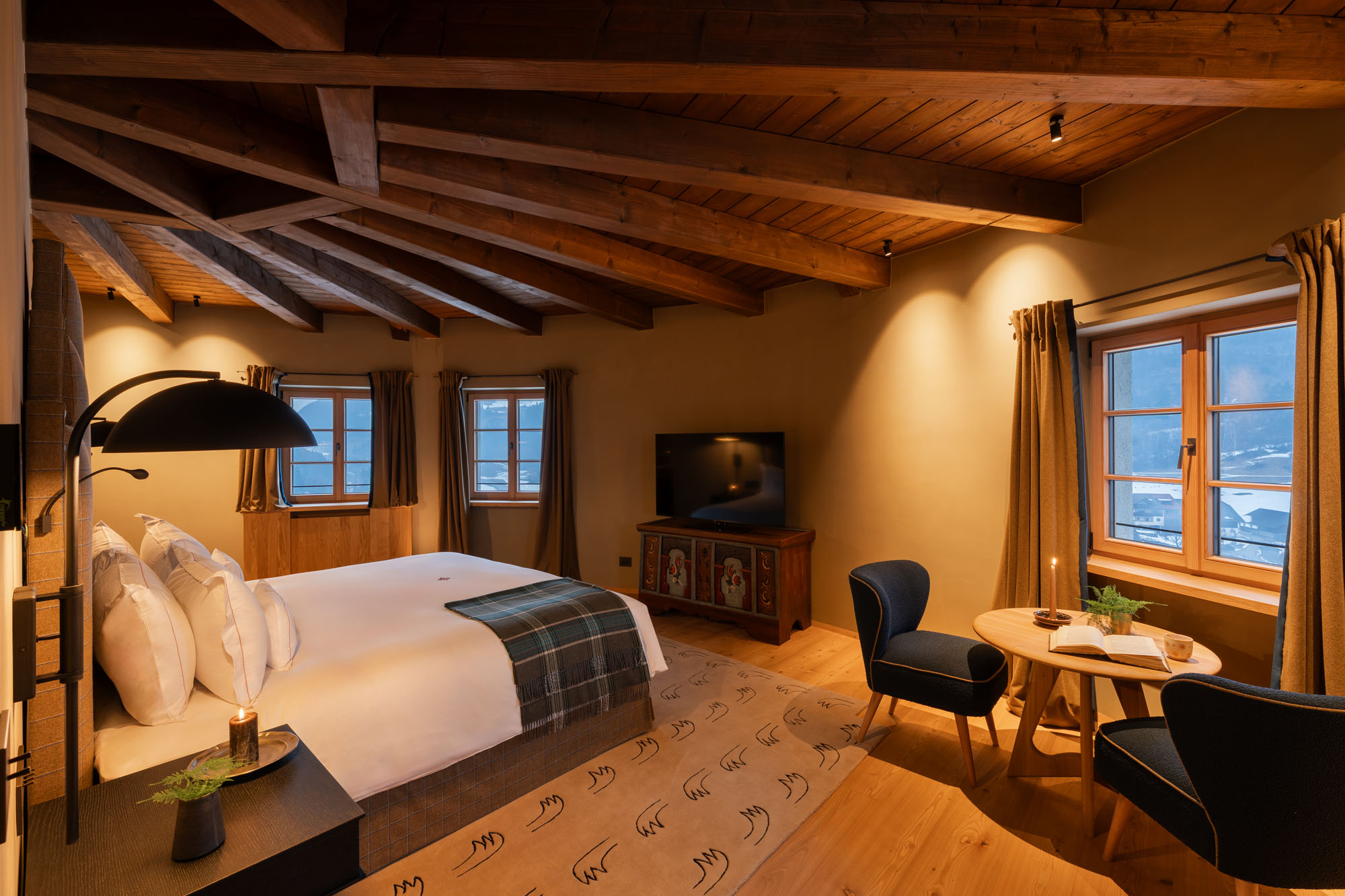
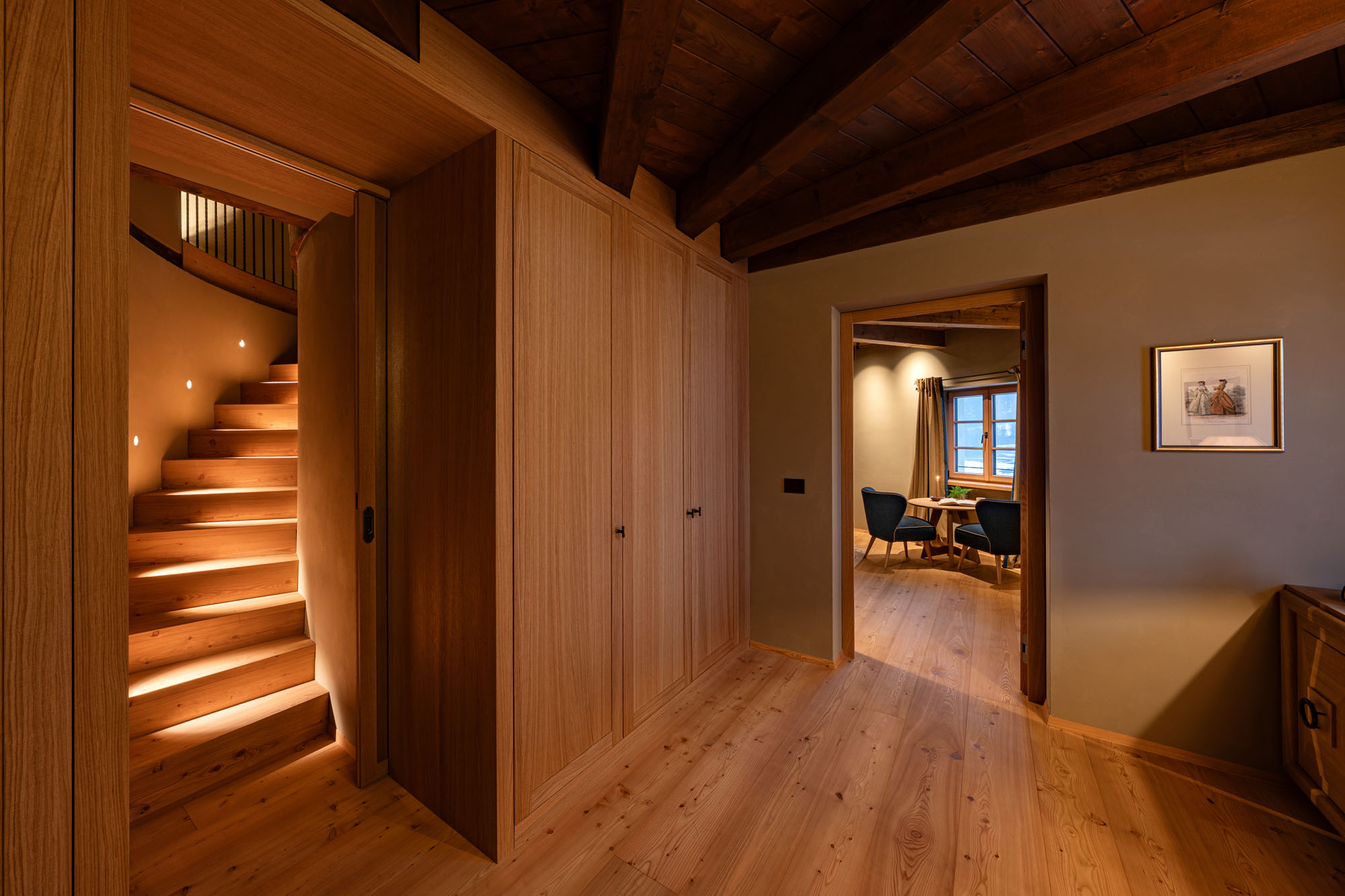
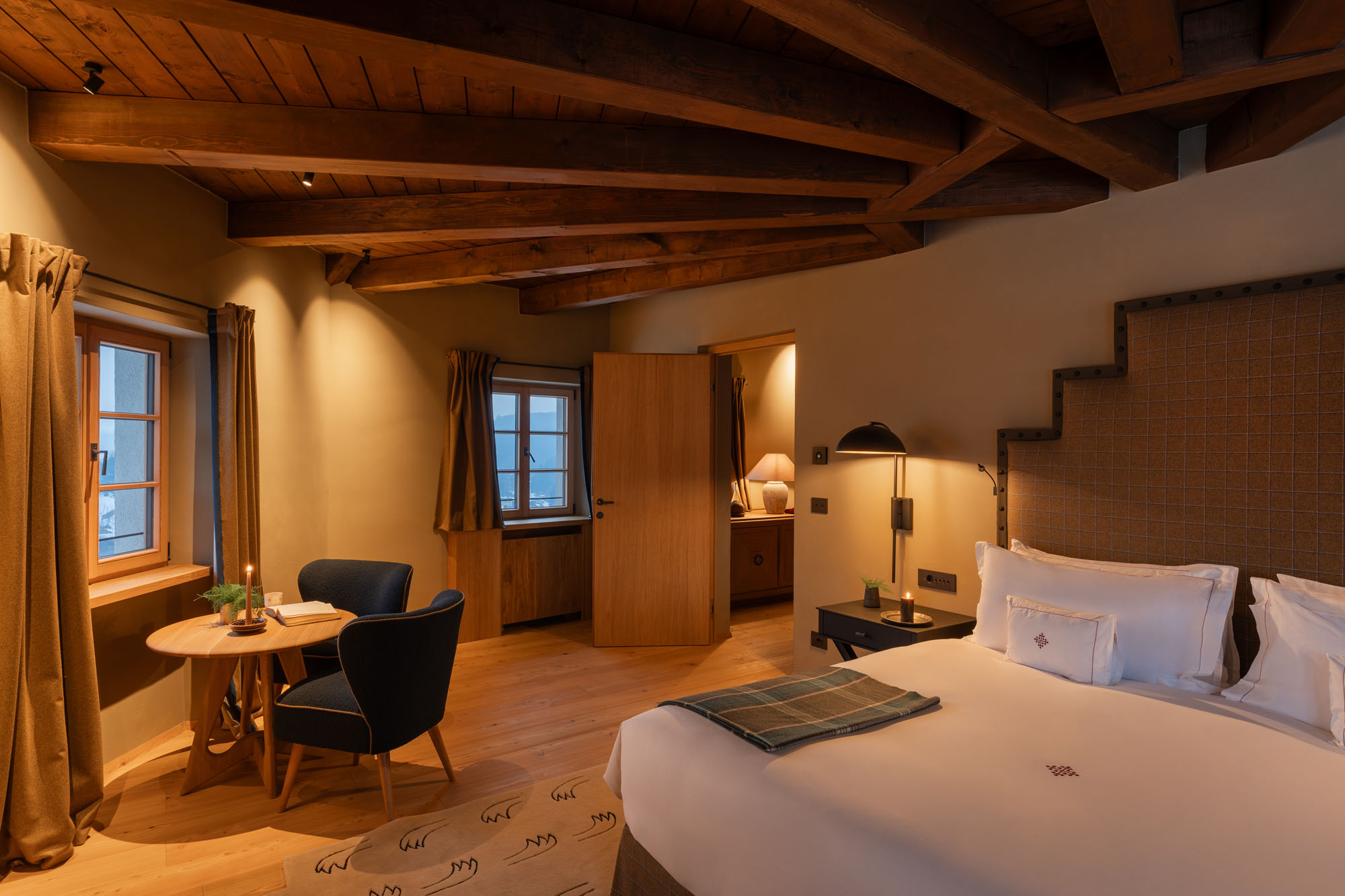
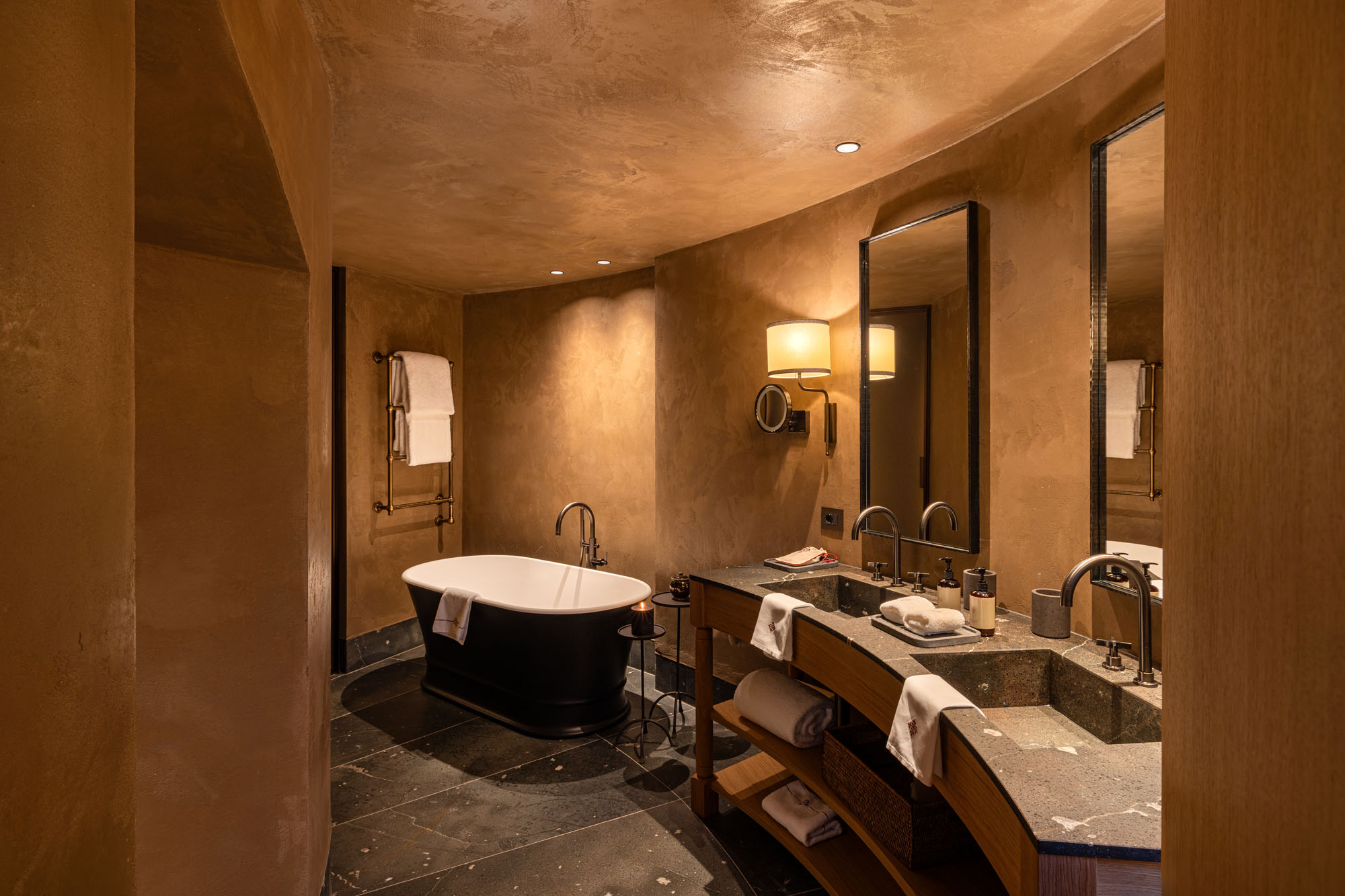
Meravigliosa Tower Suite
A tower suite over two levels, with an upper lounge that can become a second bedroom, and a bathroom with both a shower and a bathtub.
Meravigliosa Tower Suite
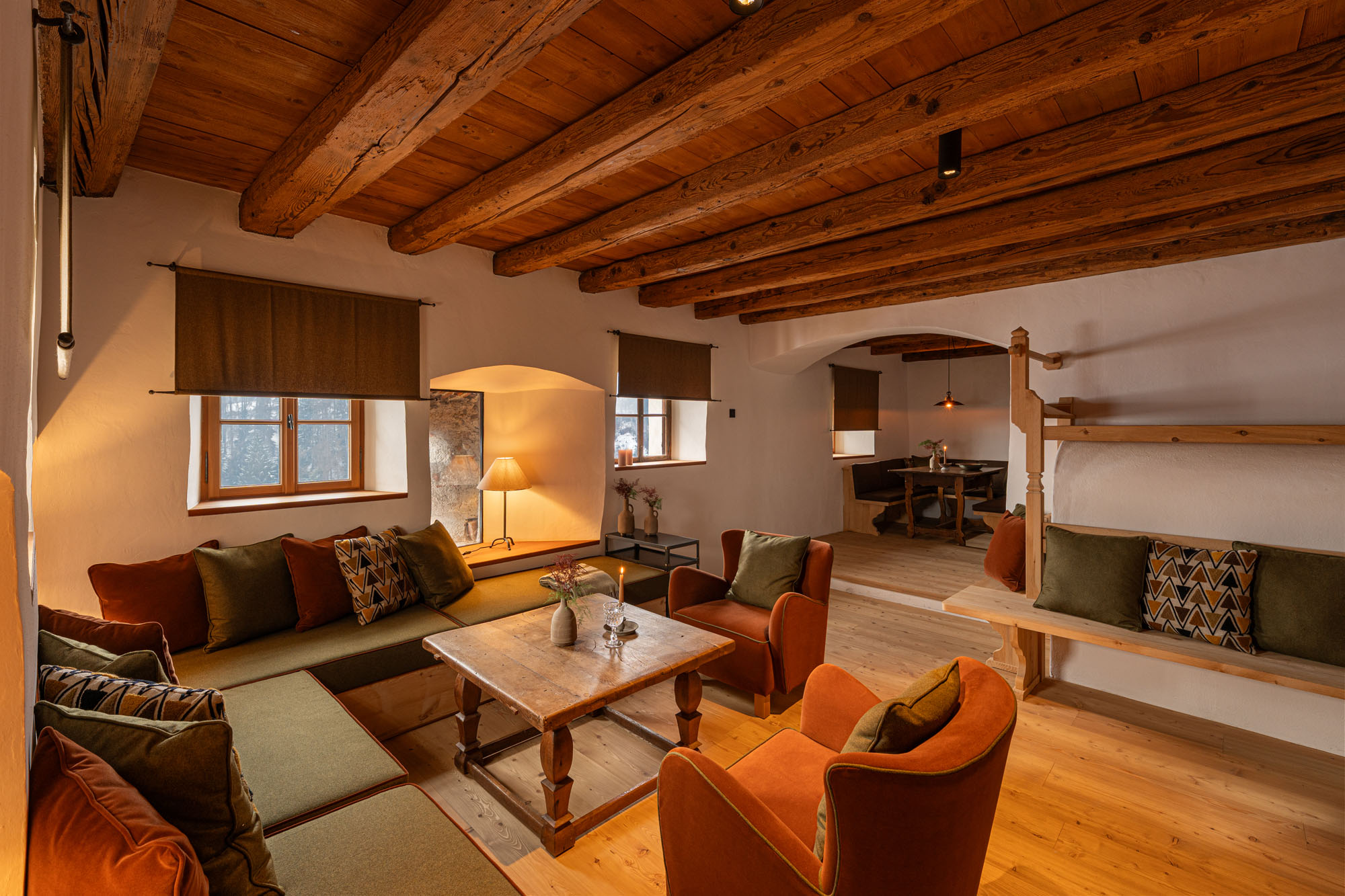
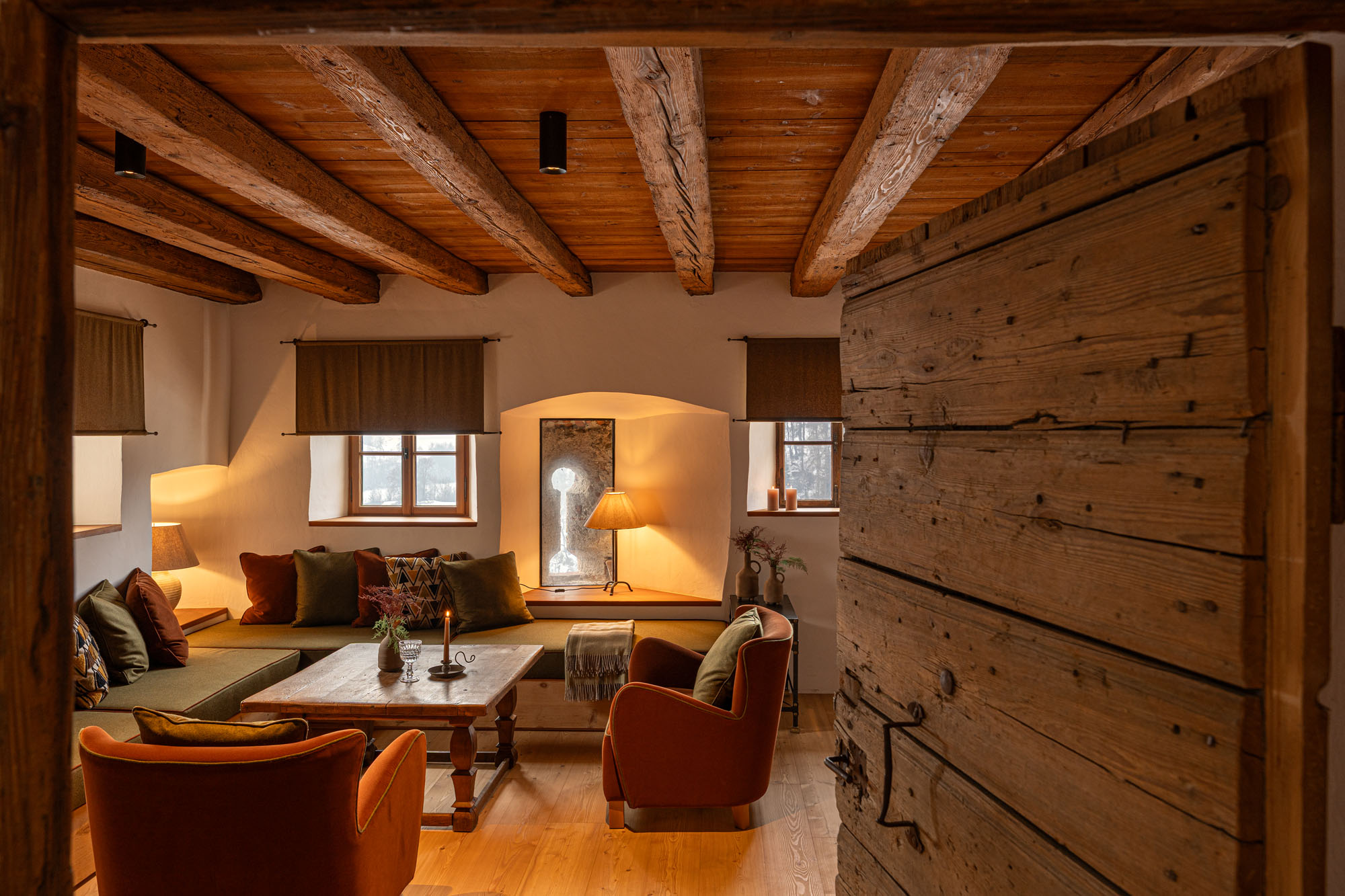
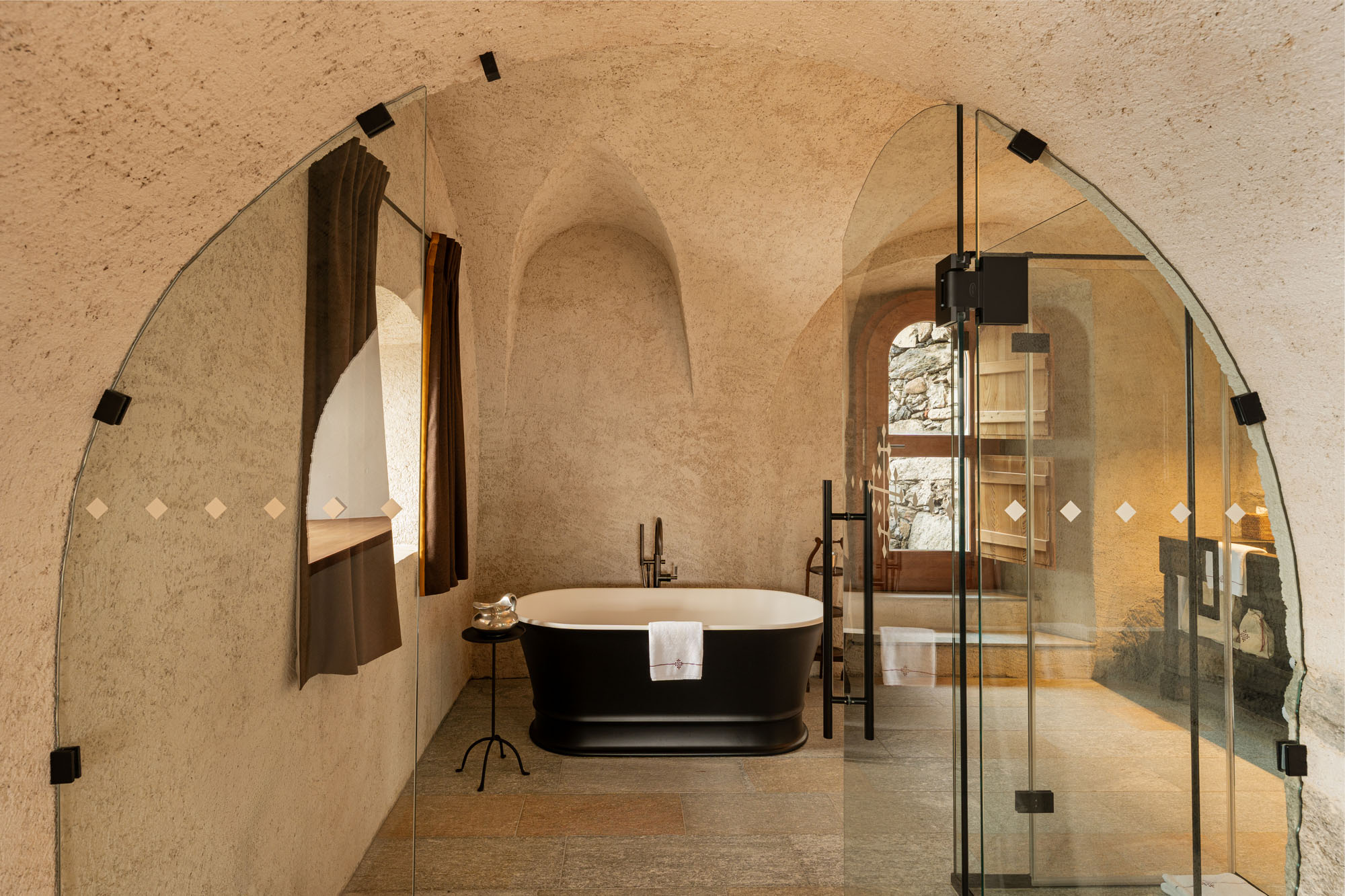
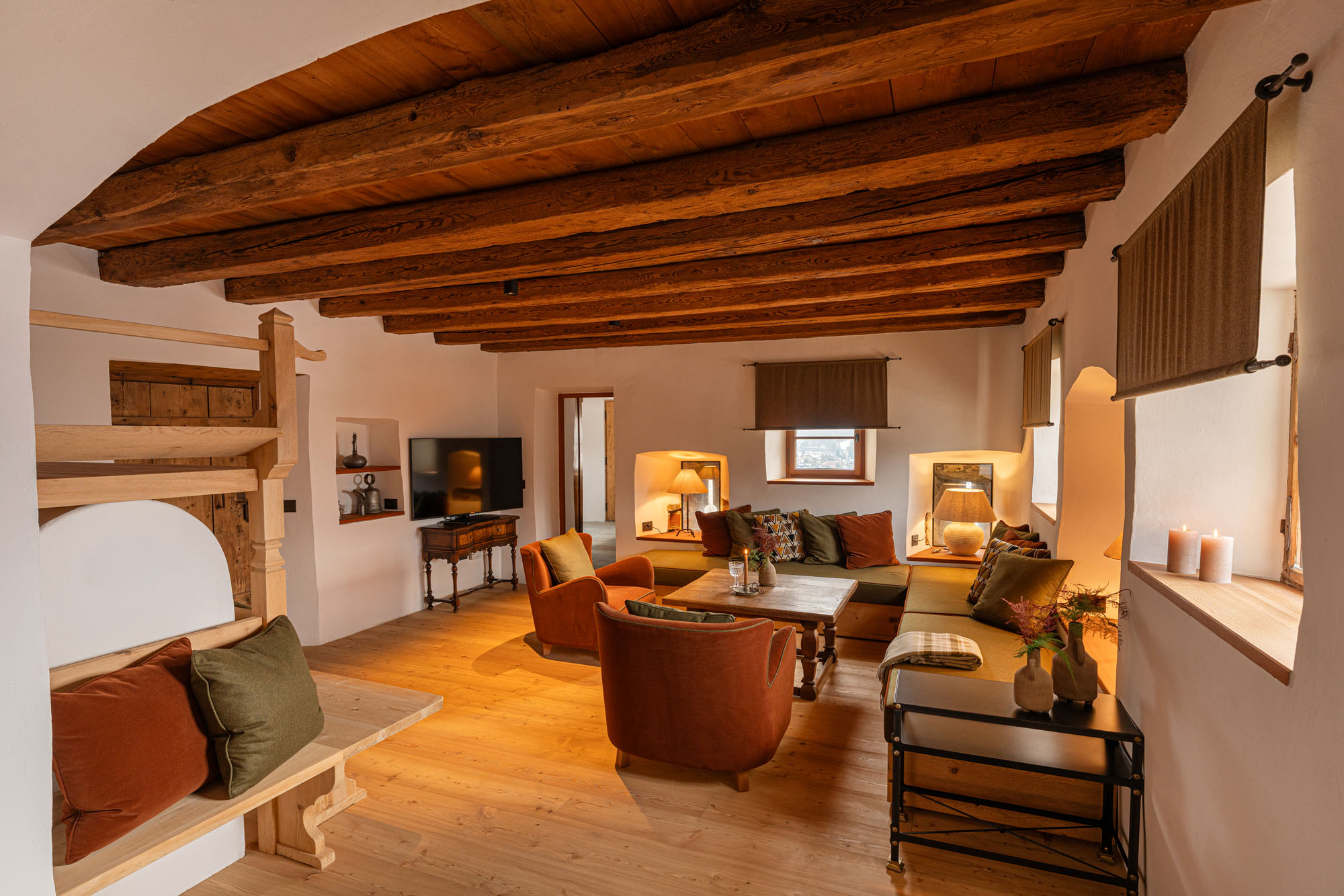
The Chalet
The old watchtower that became the convent bakery in 1693, now a house of its own over three levels: two double bedrooms, two bathrooms, a kitchen, and a private garden with an outdoor whirlpool.
The Chalet
Why book with us

Best Price Guarantee

Full Access to Content Library

Personalized Itinerary

A Gift with Every Booking

24/7 Support
Amenities
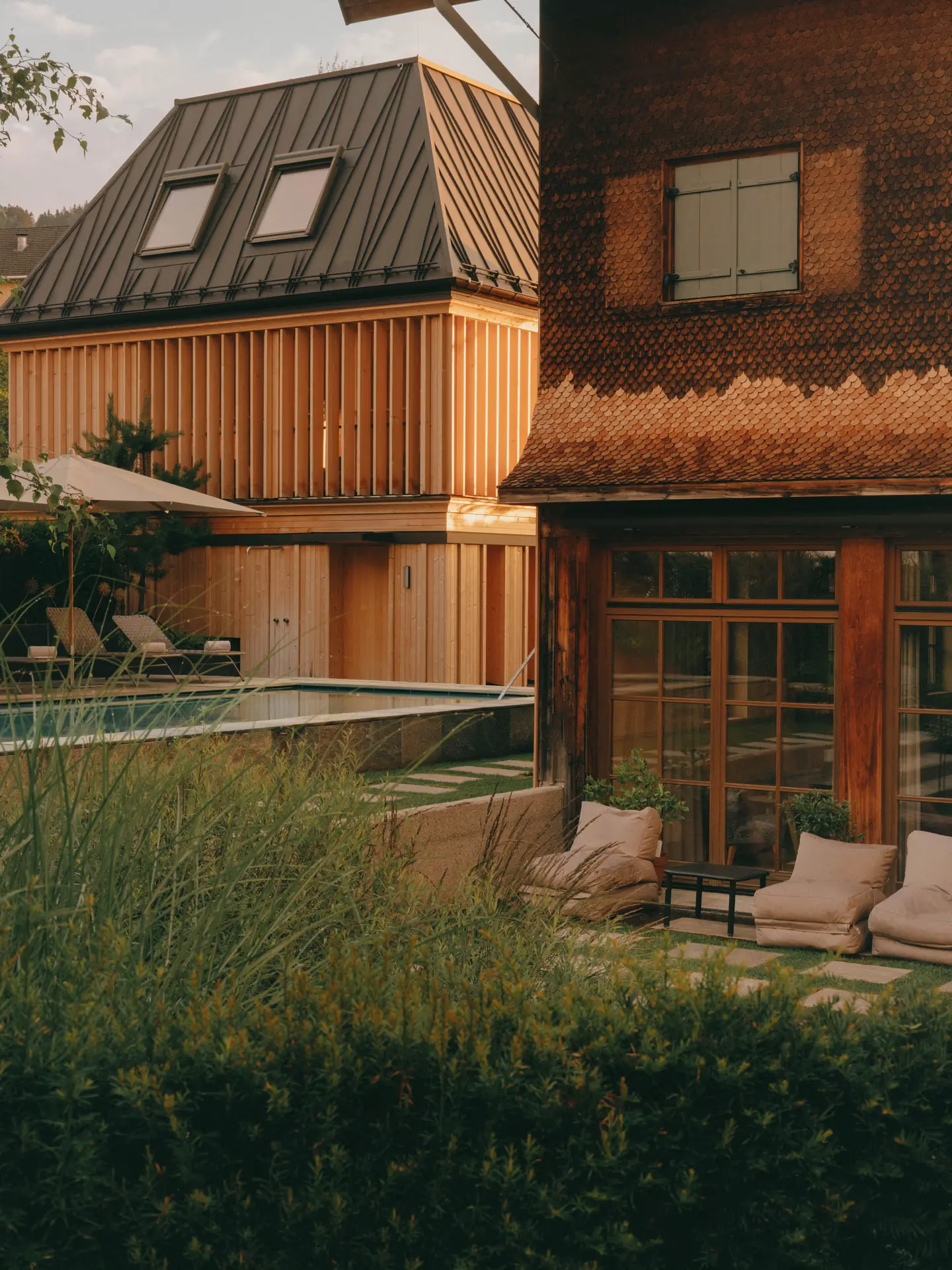
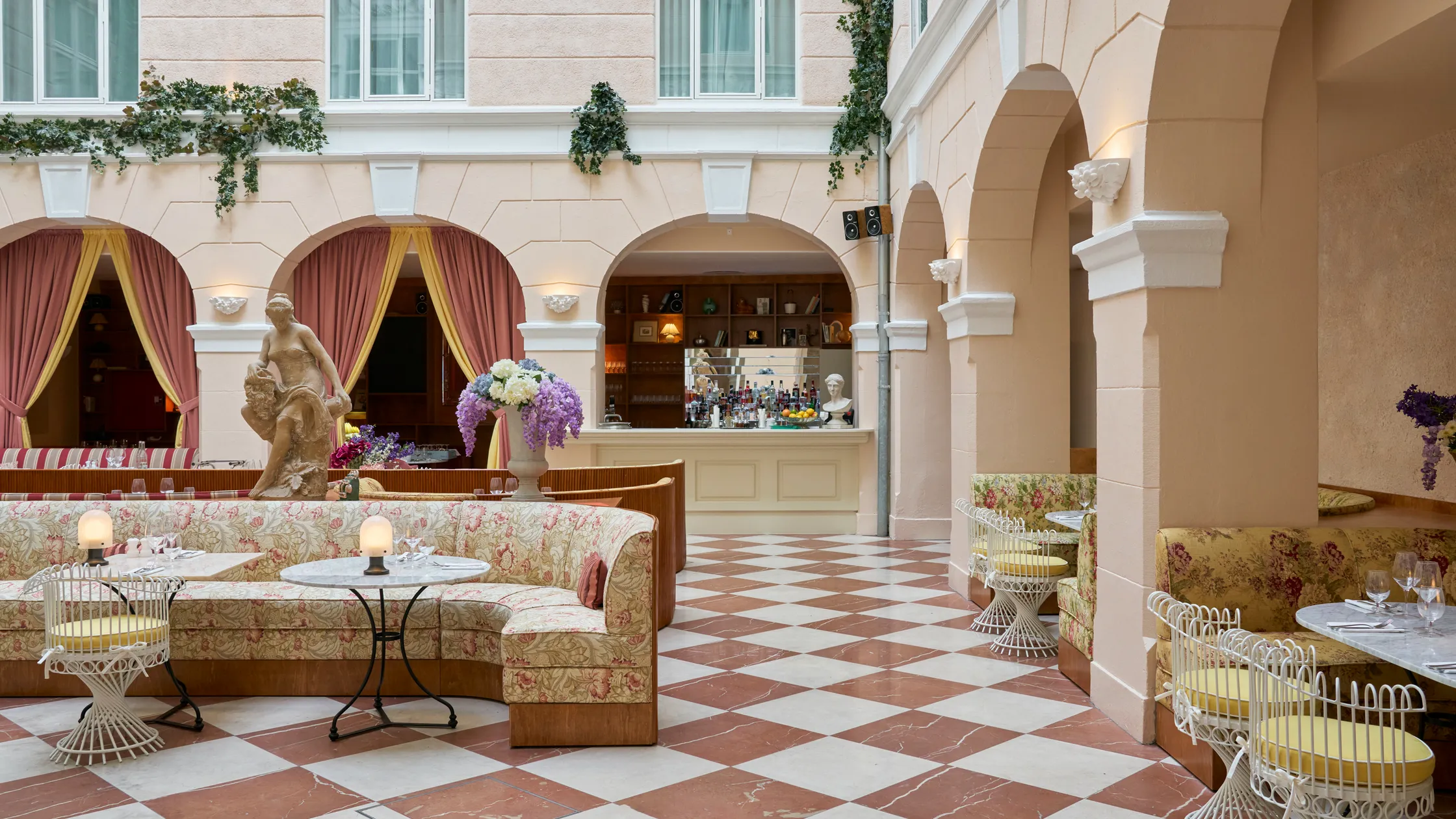
The spa is laid into the medieval walls, its treatment rooms in former nuns' cells, with an indoor pool and two heated outdoor pools looking over the Pustertal; dinner is served in panelled Stuben under carved ceilings.
Photography © Castel Badia.
ST. LORENZEN | SEPTEMBER 2026
A Thousand Years on the Sonnenburg, From Convent to Castle Hotel
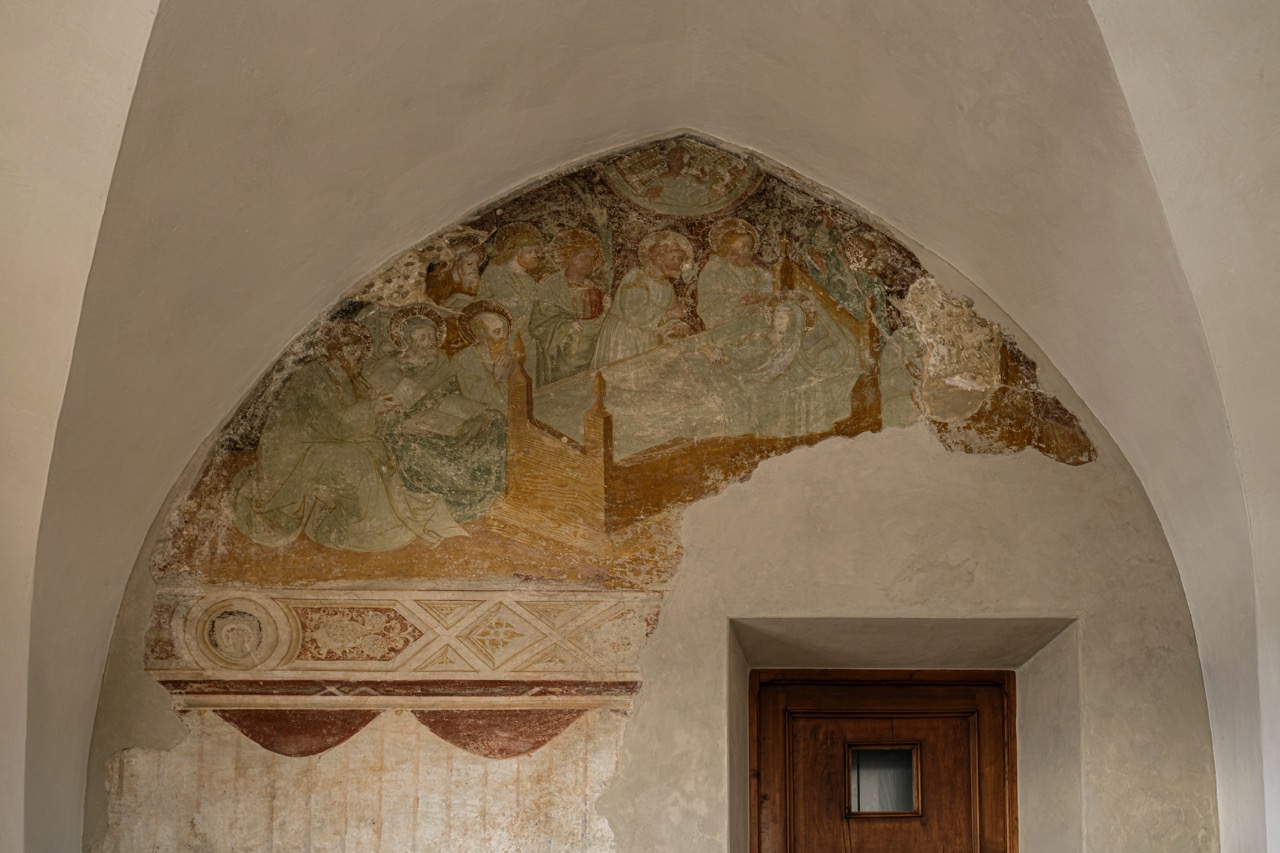
Around the year 1000 the Counts of Lurn raised a castle on the rock above St. Lorenzen and called it Suanapurc, the Sonnenburg. When Count Volkhold received it in 1022 after the death of his brother-in-law Aribo, he handed it to the Benedictines as a convent for women — according to the house, the first in historic Tyrol. The Bishop of Brixen consecrated the abbey in 1090, and a Romanesque chapel to St. Gotthard followed in the twelfth century. Fragments of the frescoes painted in the crypt in those first generations, in a style that looks towards Aquileia, are still on the walls.
The convent's best-known abbess was also its most stubborn. Verena von Stuben, abbess from 1440, refused the reforms that Nikolaus Cusanus — cardinal, philosopher and, from 1450, Bishop of Brixen — tried to impose on her house. She turned away his visitations in 1453, 1454 and 1455; he excommunicated her, and the convent was placed under interdict. In April 1458 the quarrel came to blows at Enneberg, where mercenaries in the abbess's pay met the bishop's men, and on the eighth of the month the nuns fled to Burg Schöneck. Verena resigned that same year at the request of Duke Sigmund. The convent outlived them both by more than three centuries, rebuilt after a fire in 1598 into much of the shape it has today, until Joseph II dissolved it in 1785 and its library and archive were scattered.
What followed was a long slide: a military hospital during the Napoleonic wars, then decades in which the walls were left to themselves. In 1965 Karl Knötig, a cultural official from Starnberg in Bavaria, bought the complex, secured it and turned it into a hotel. The rock has not always been kind to it since. In 2009 the blasting for a road tunnel beneath the castle damaged the Romanesque fresco in the crypt, a reminder of how exposed a thousand-year-old building is.
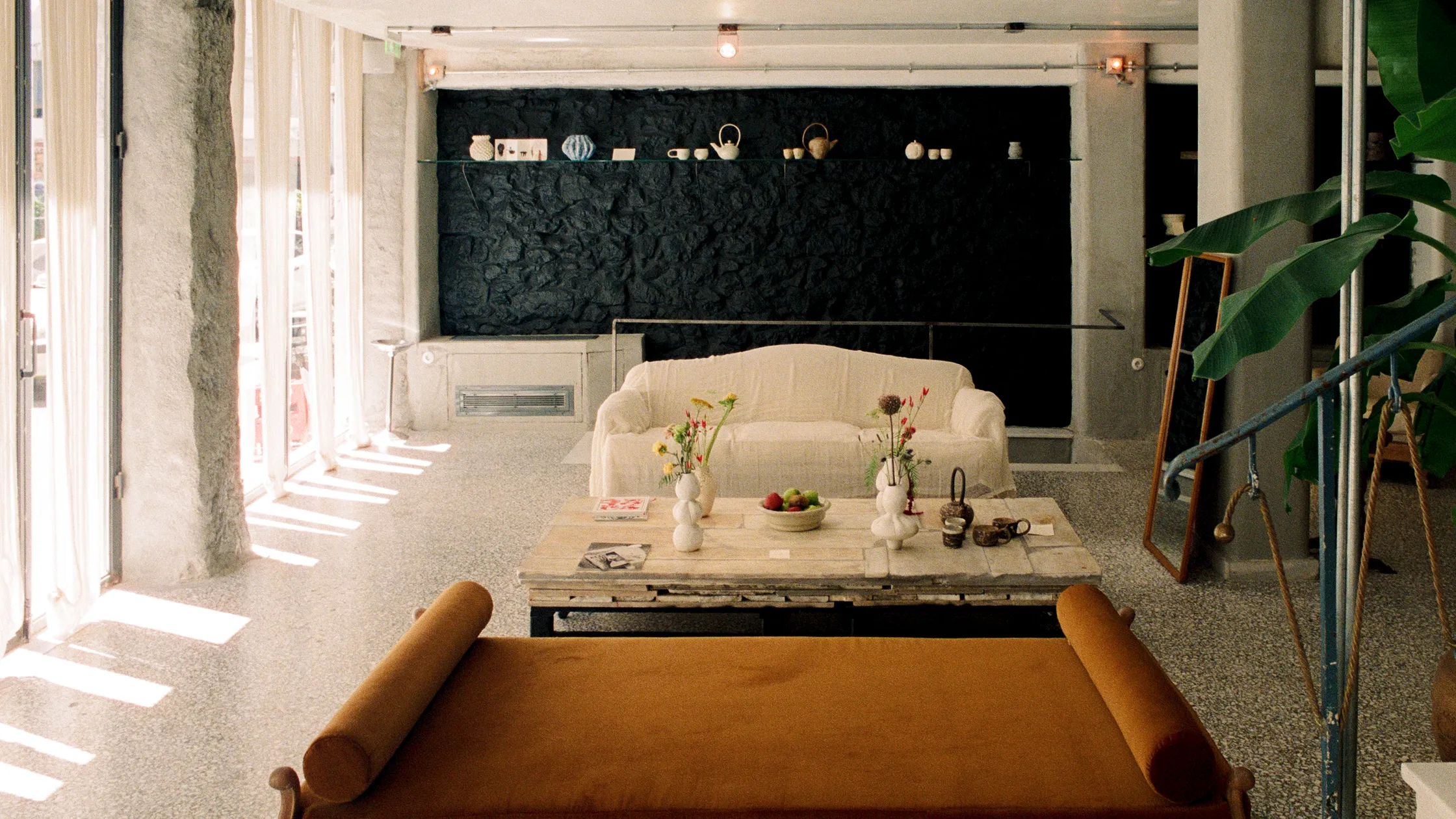
In December 2025 it reopened as Castel Badia after a restoration reported at more than thirty million euros. Gunther Knötig brought in the Gasser family, Kronplatz Holding and Aldo Melpignano, whose family runs Borgo Egnazia in Puglia and Hotel de Len in Cortina, and whose company now manages the house. Null17 restored the fabric; Studio Droulers and Marta Ferri did the interiors. The twenty-eight rooms and suites are named like compliments — Bella, Splendida, Sublime, Preziosa, Stupenda, Magnifica, Meravigliosa — some of them in towers, one with its own sauna, and the chalet occupies what was the convent bakery from 1693. The spa has been laid into the old walls, its treatment rooms in former nuns' cells, with an indoor pool, two heated outdoor pools and saunas that look over the valley. Dinner is served in panelled Stuben under carved ceilings, and on one wall a signature, MAMA, is said to be that of the abbess Maria Antonietta Mörlin. Outside, the Kronplatz and its 120 kilometres of pistes are five kilometres away, Bruneck six.