The Eighteenth-Century Palace in Girona's Barri Vell
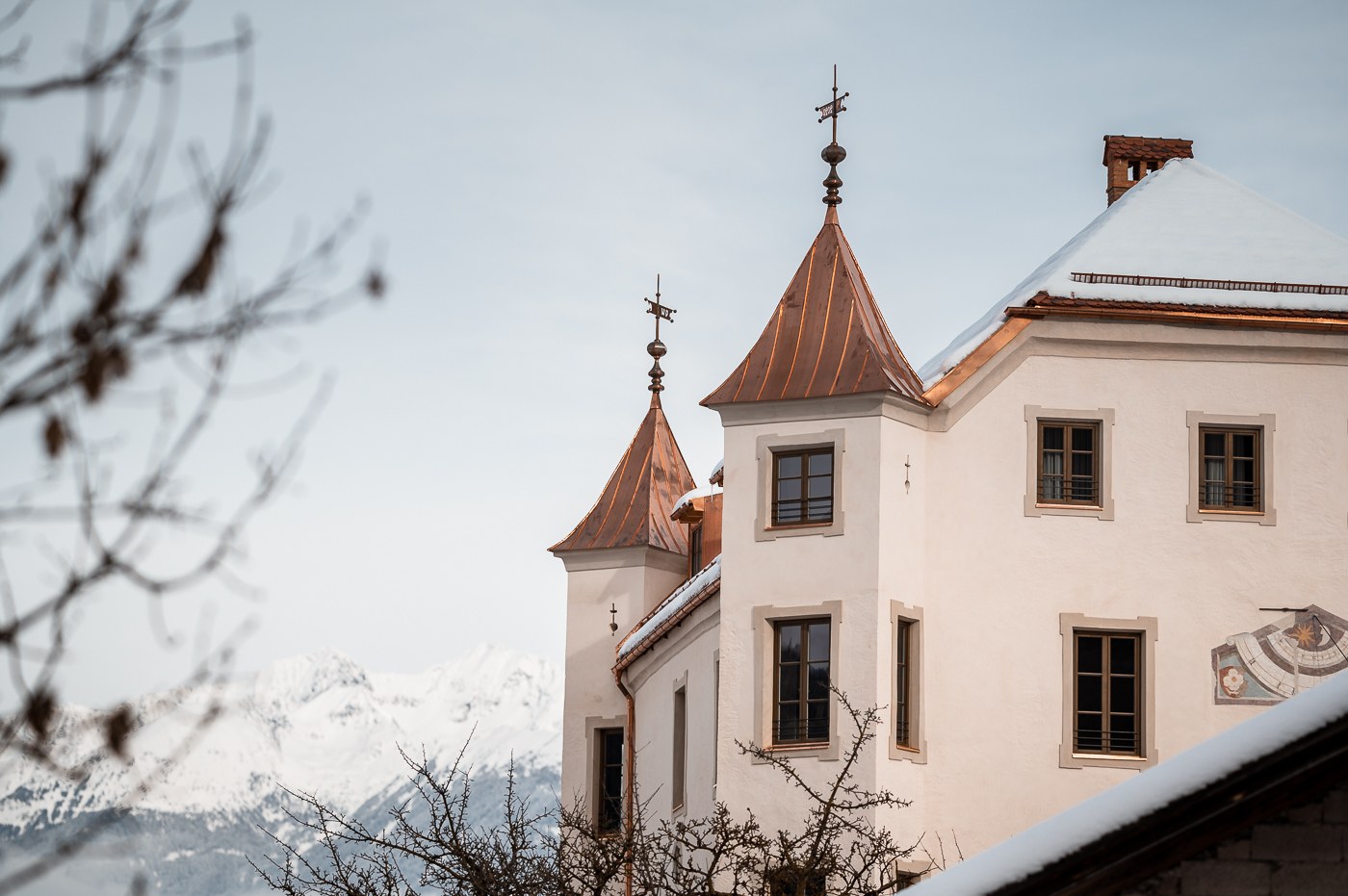
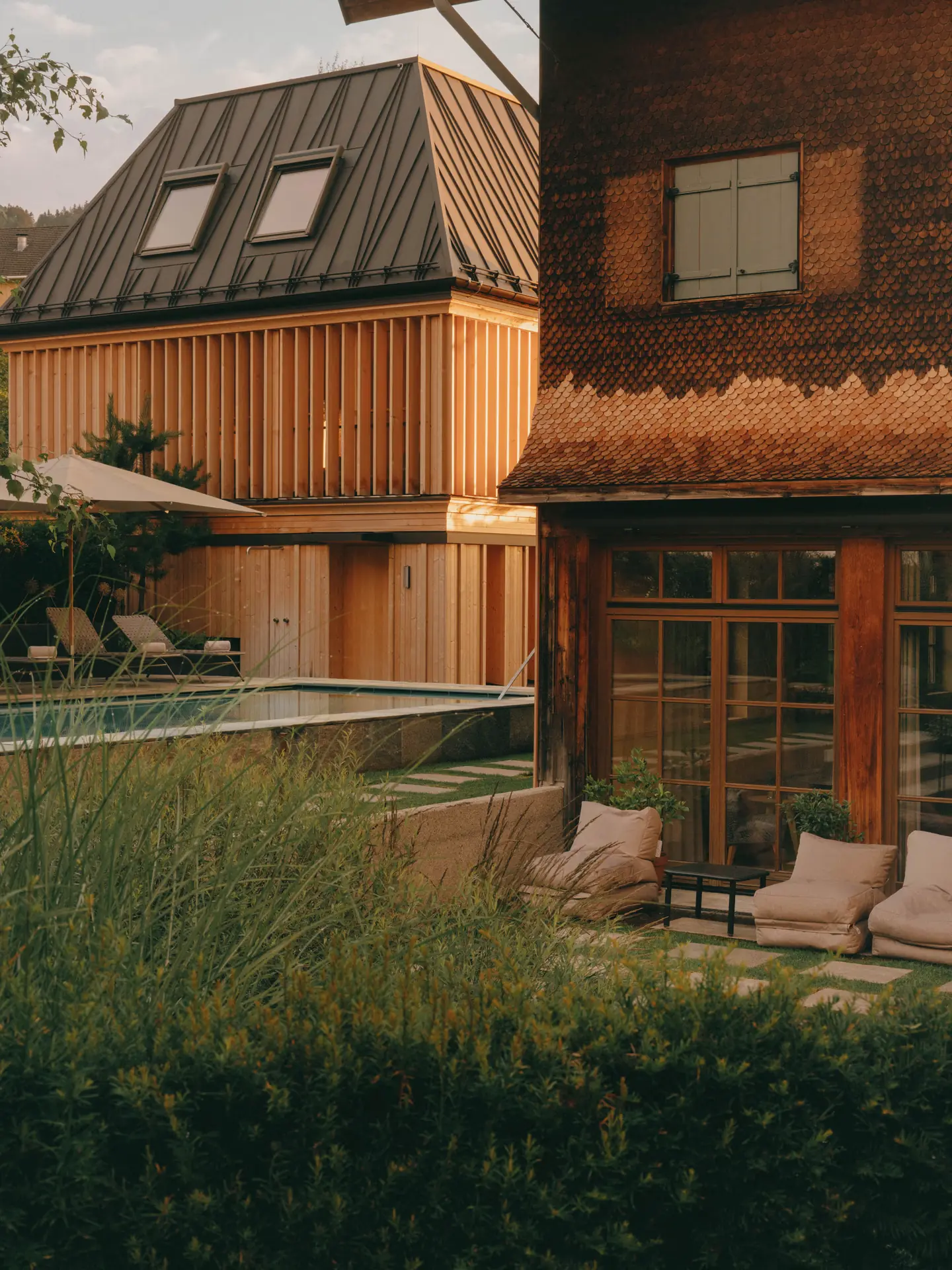
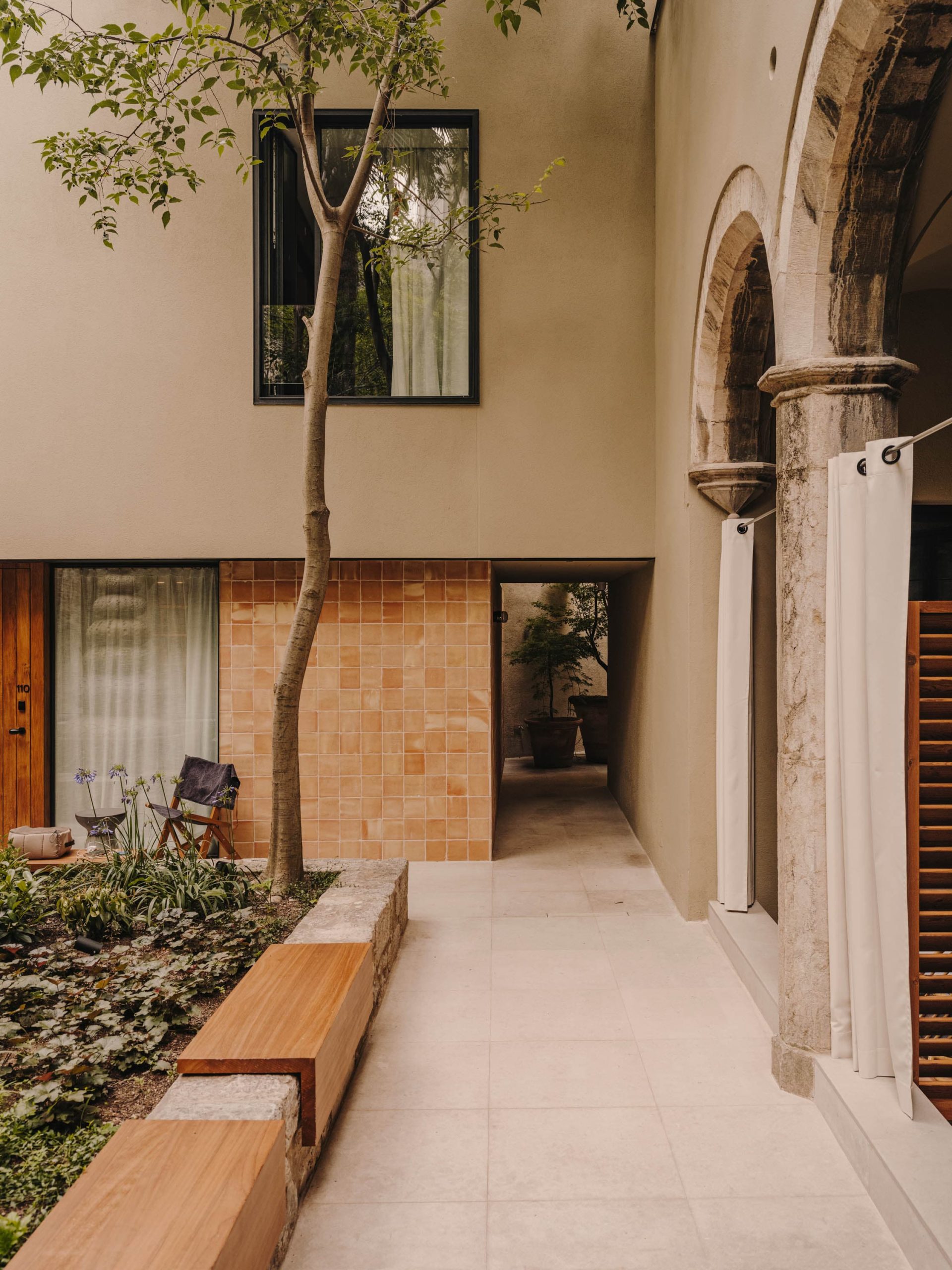
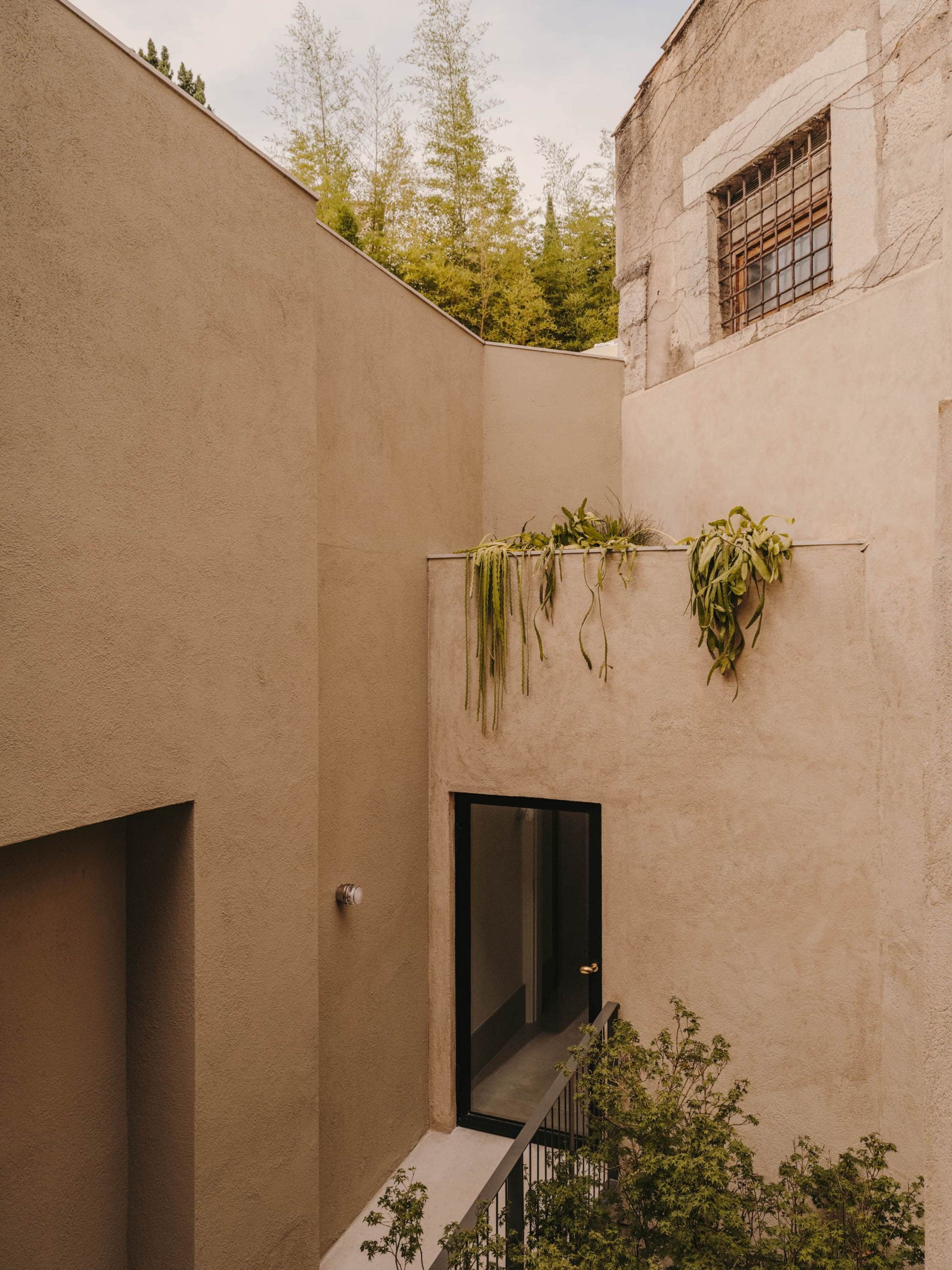
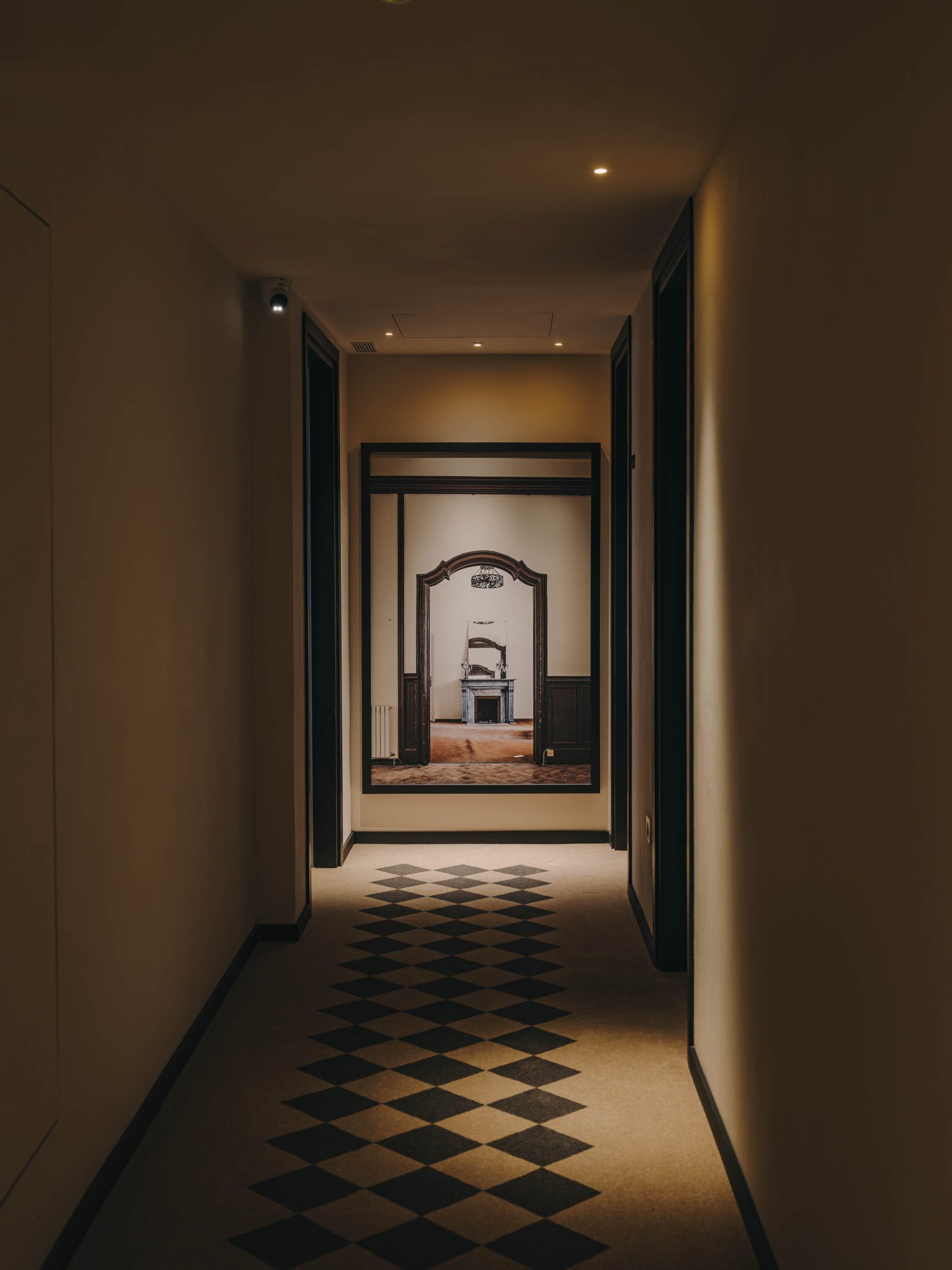
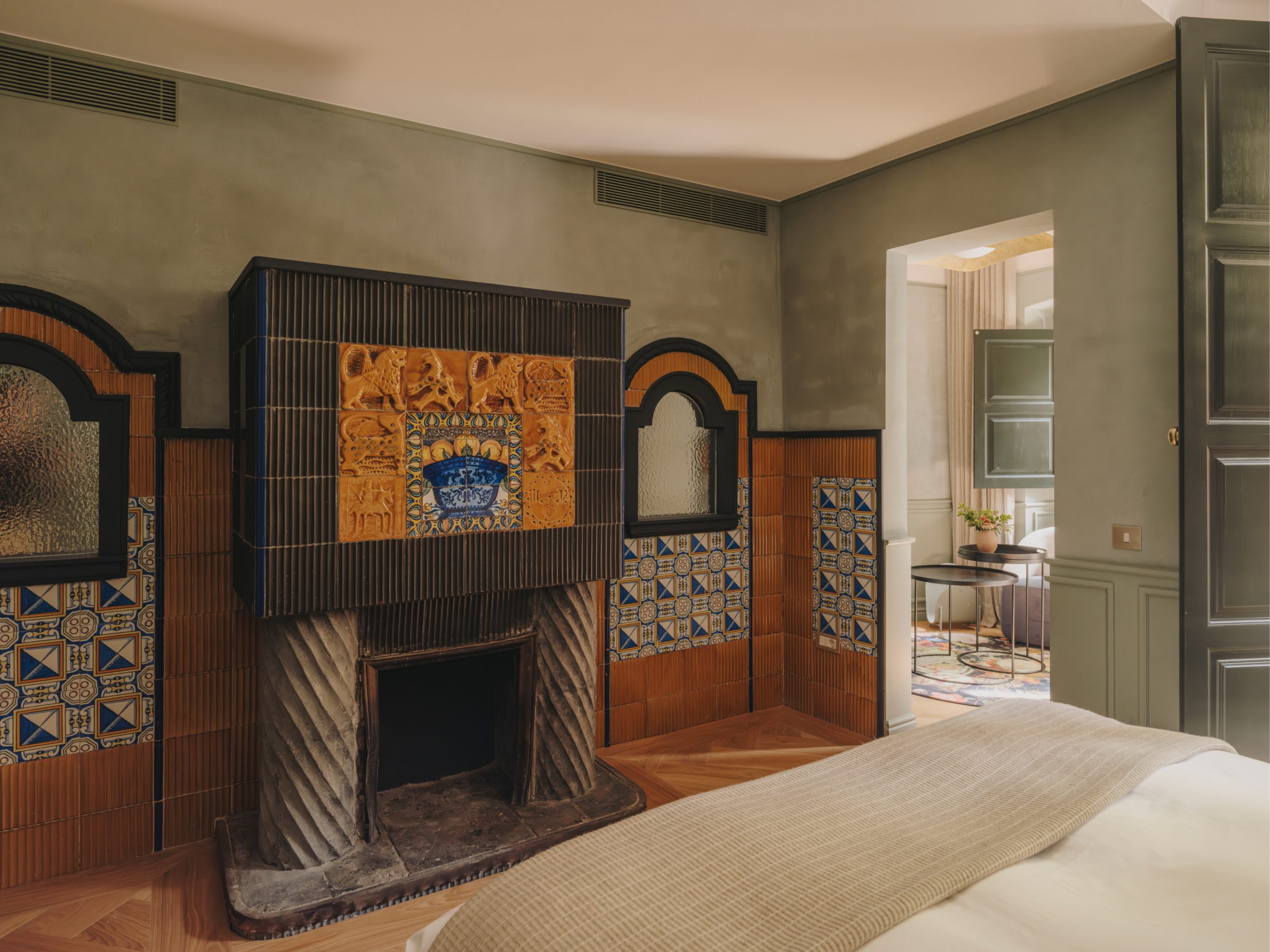
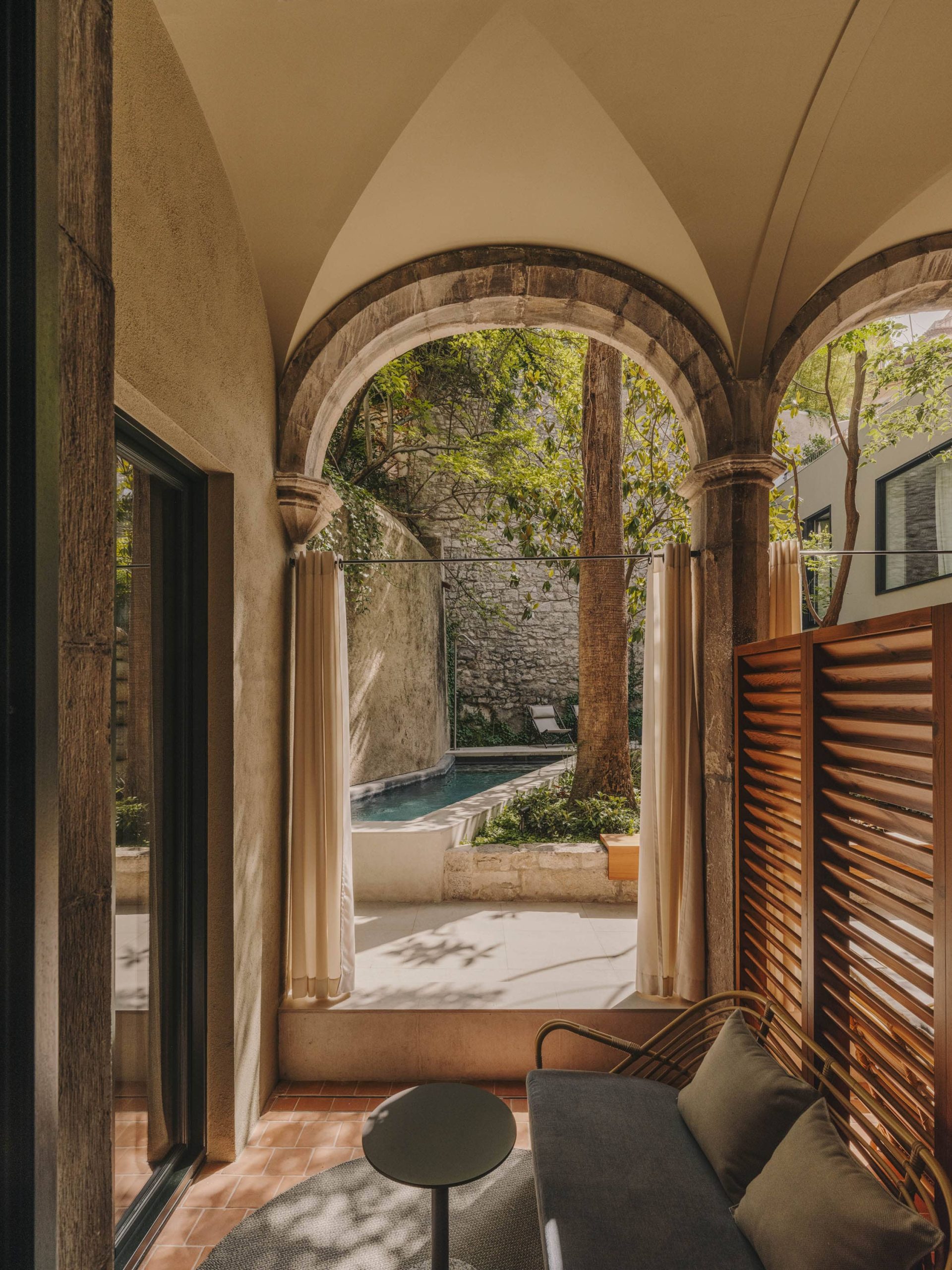
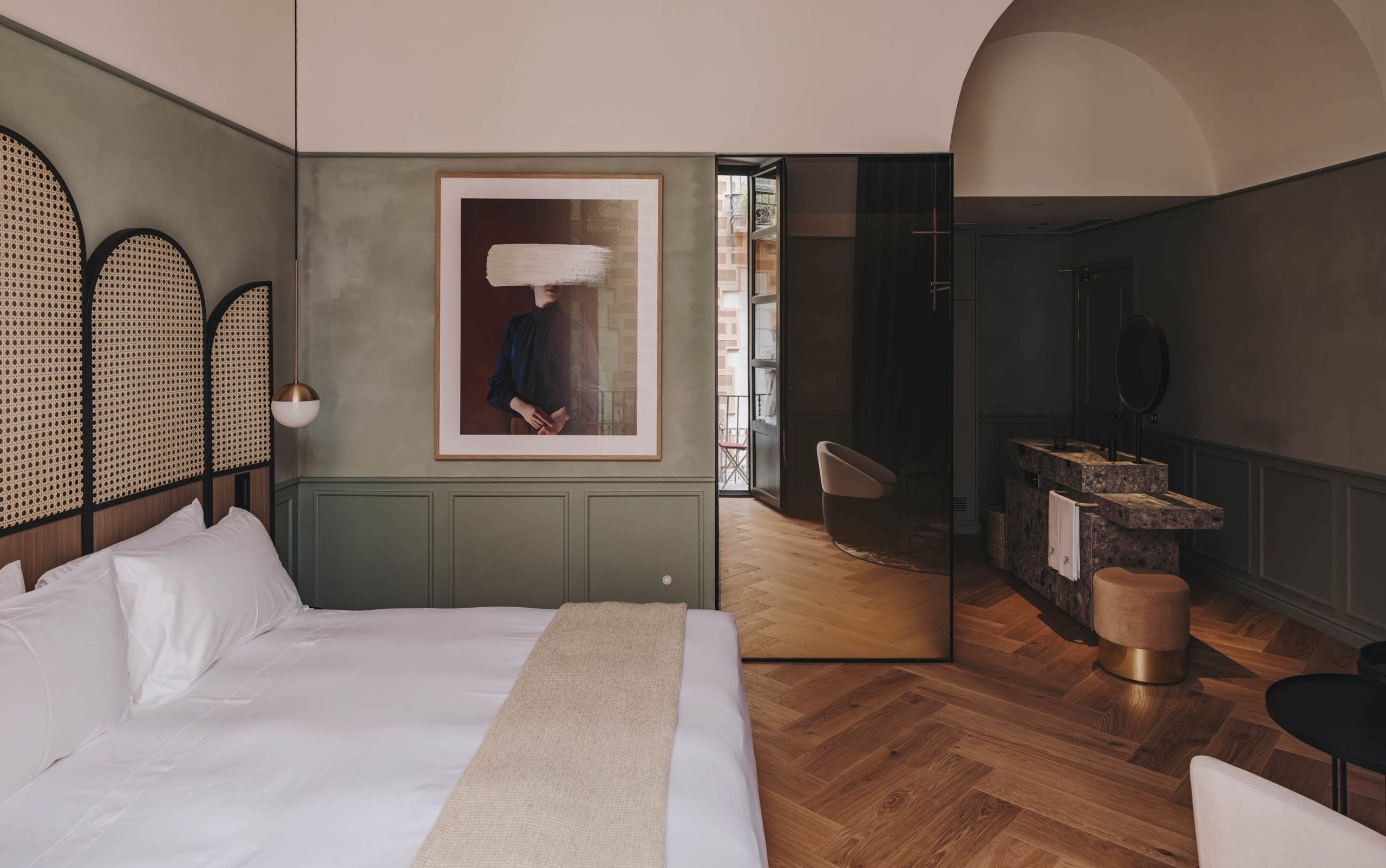
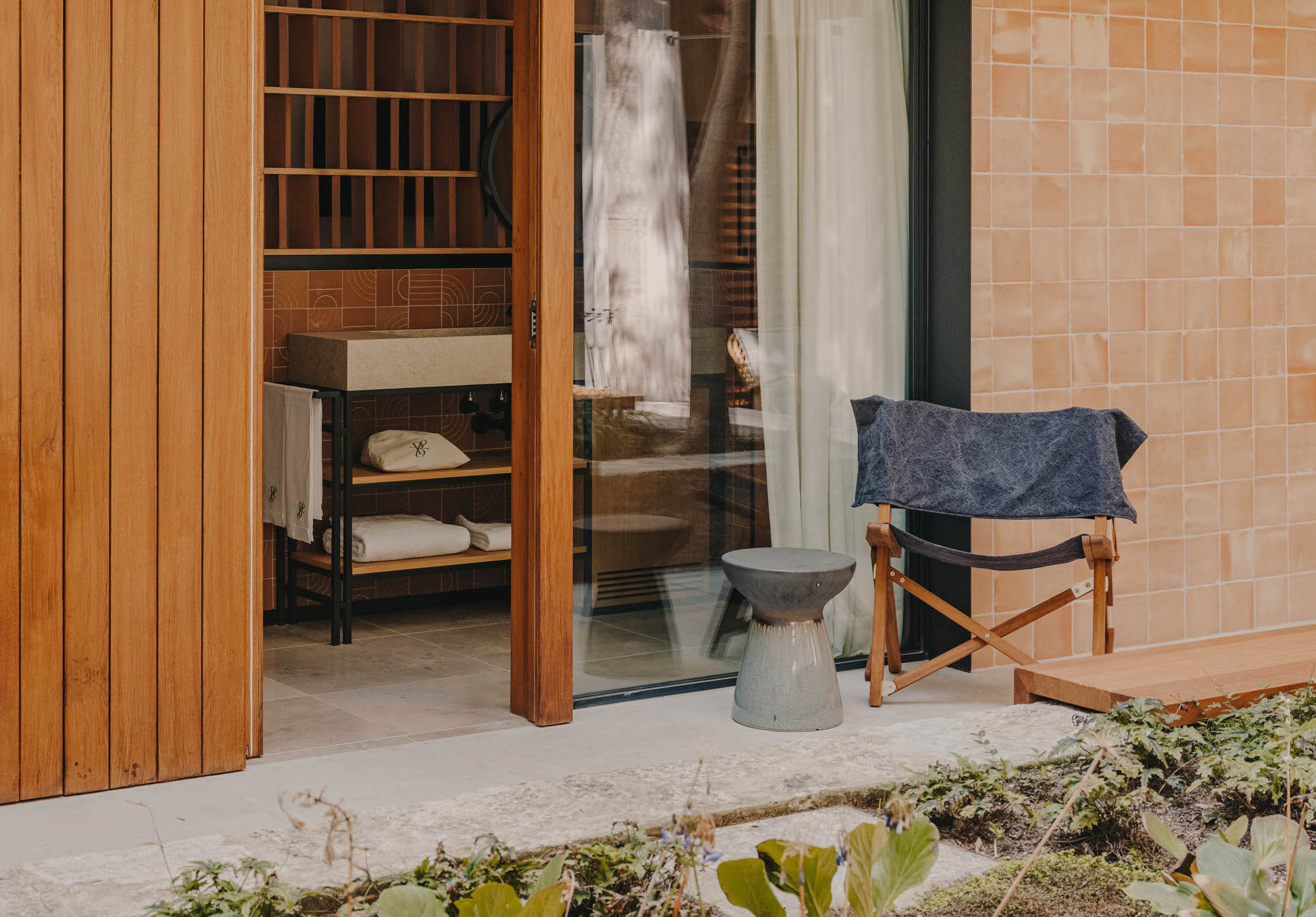
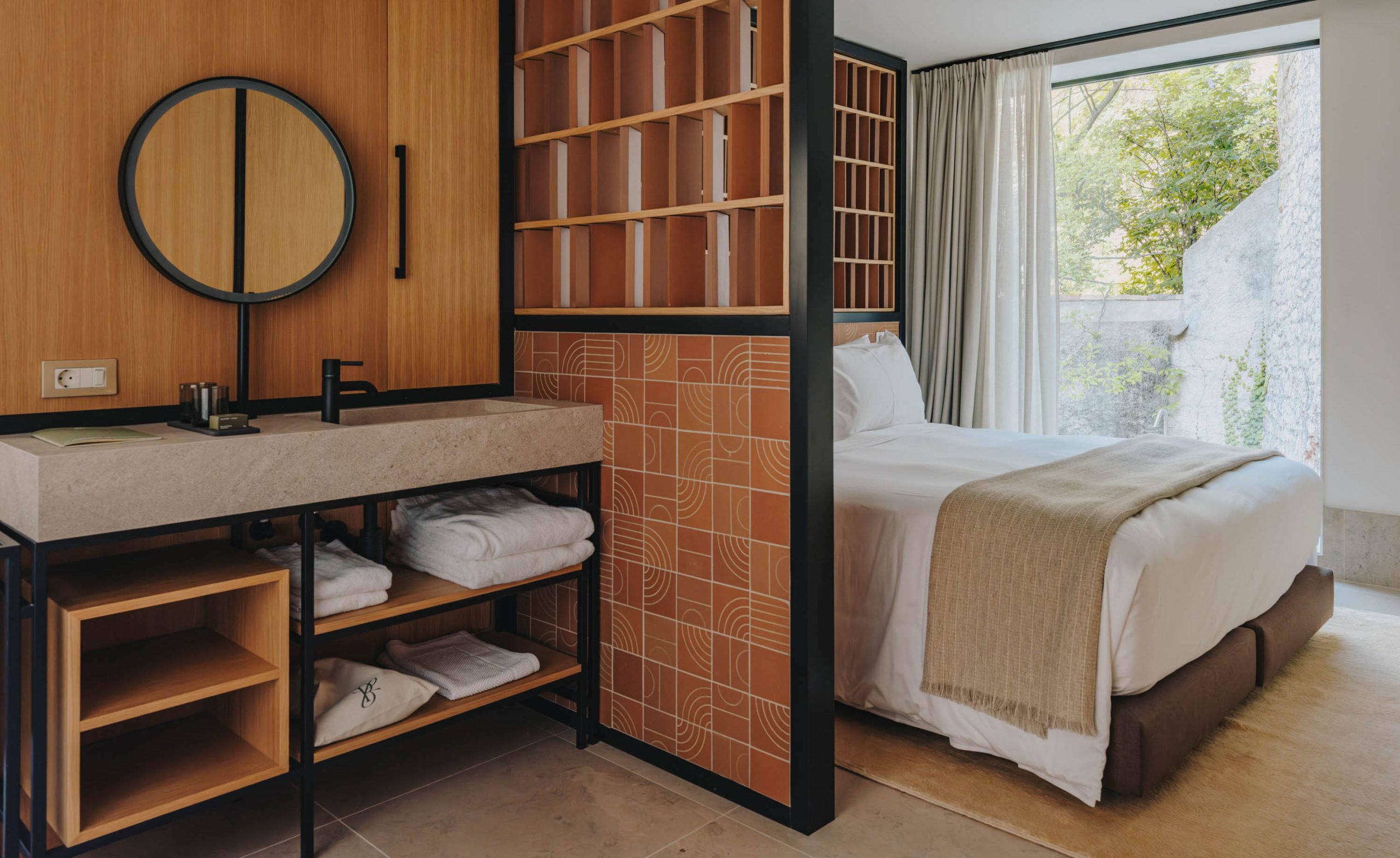
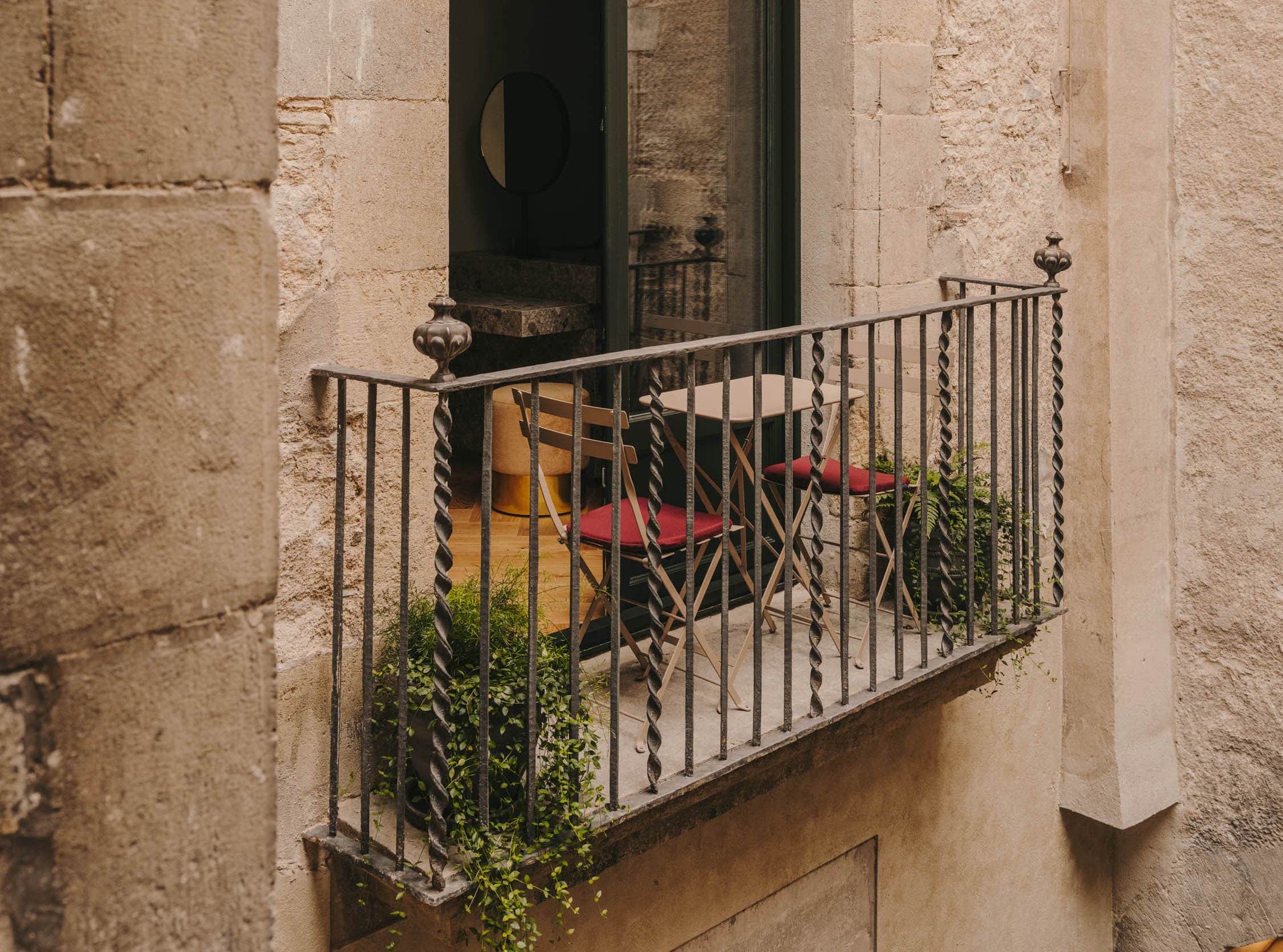
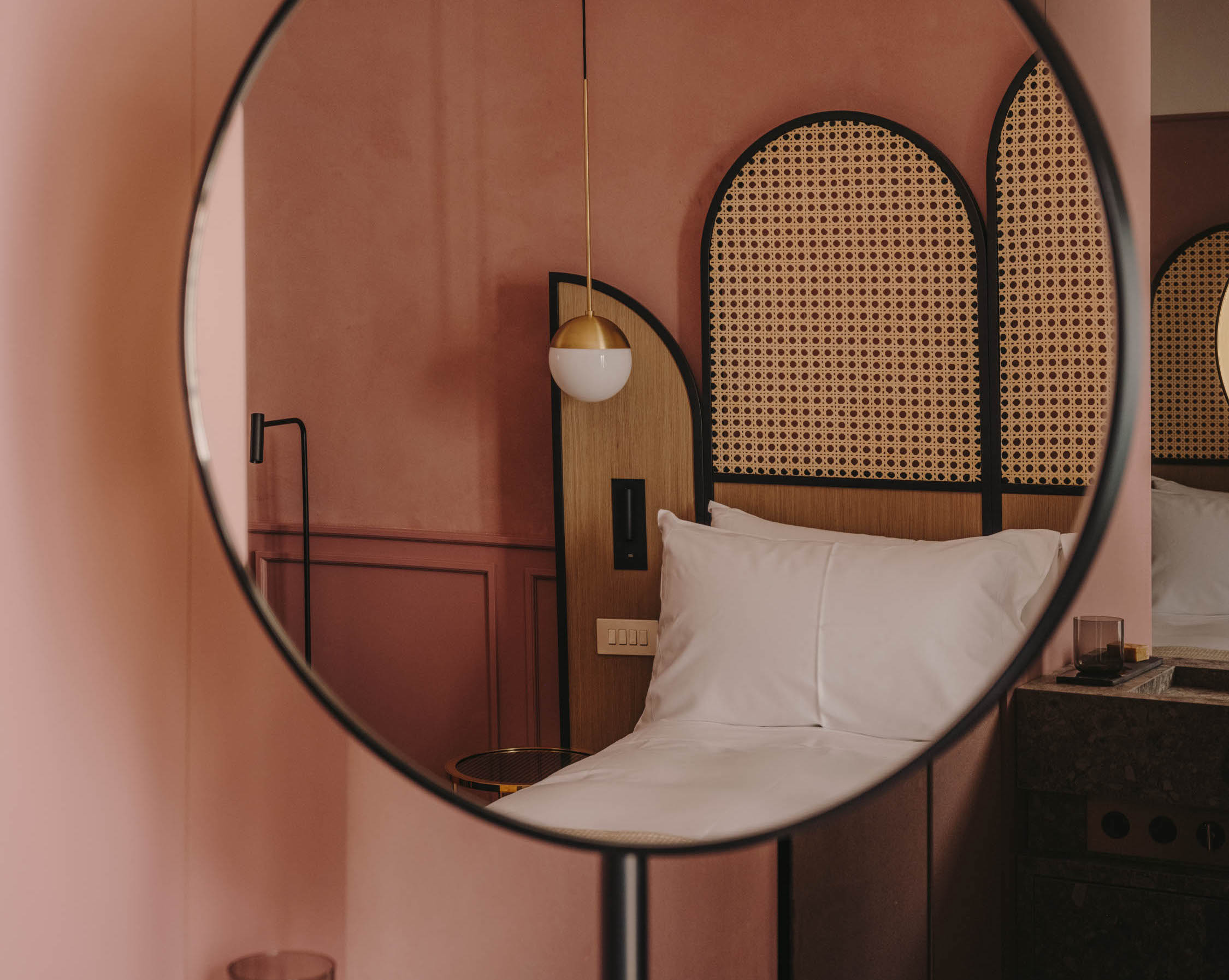
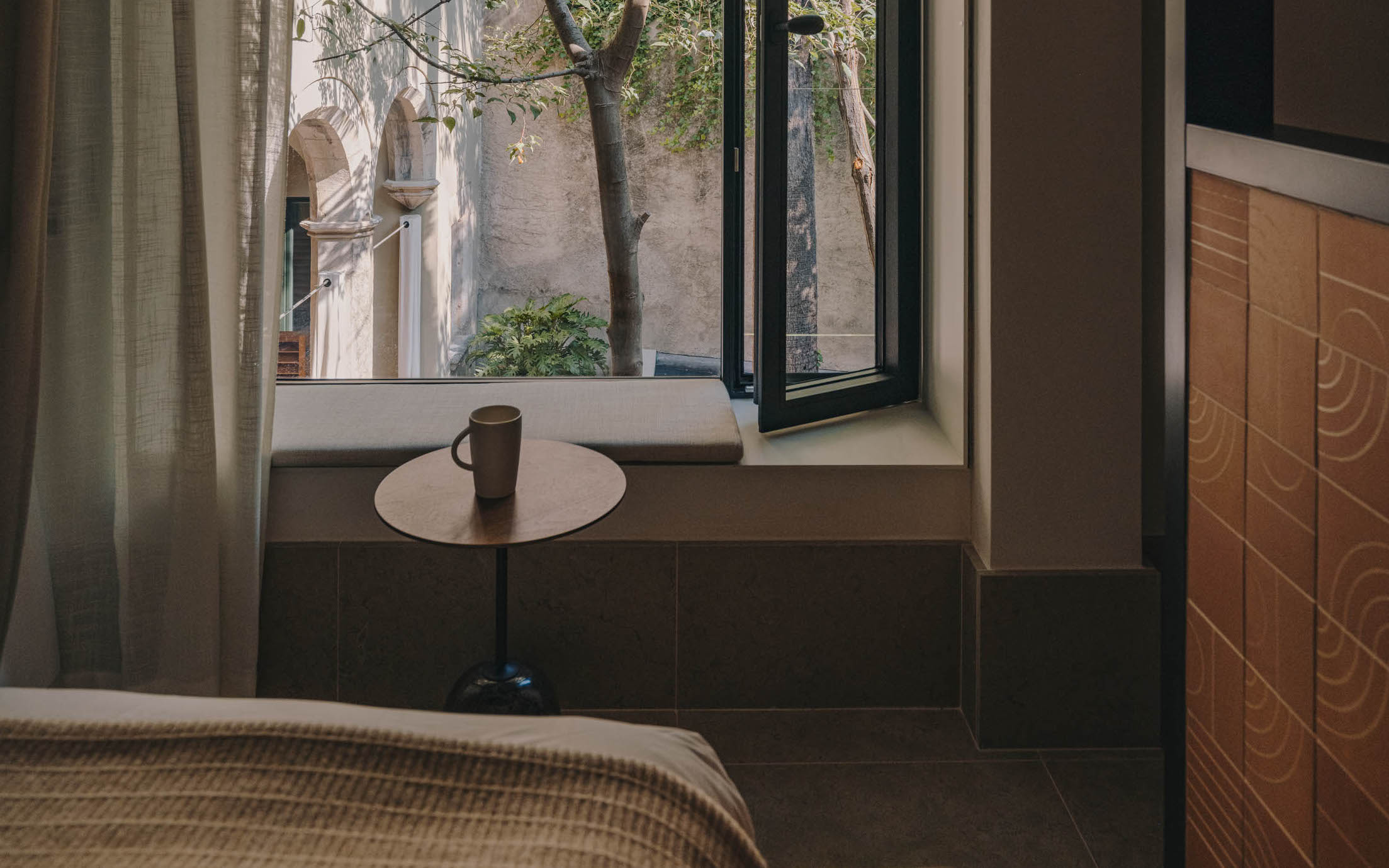
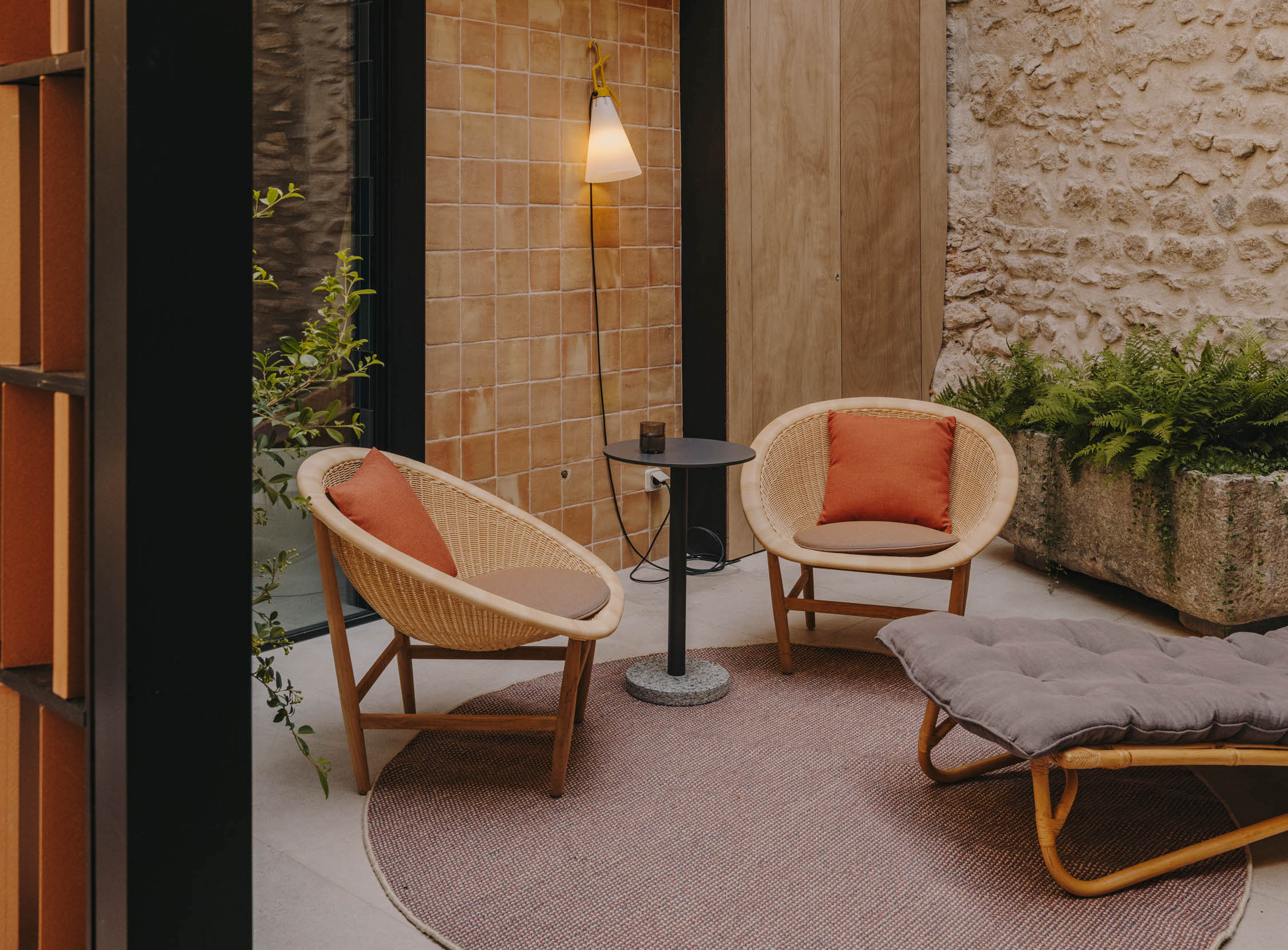
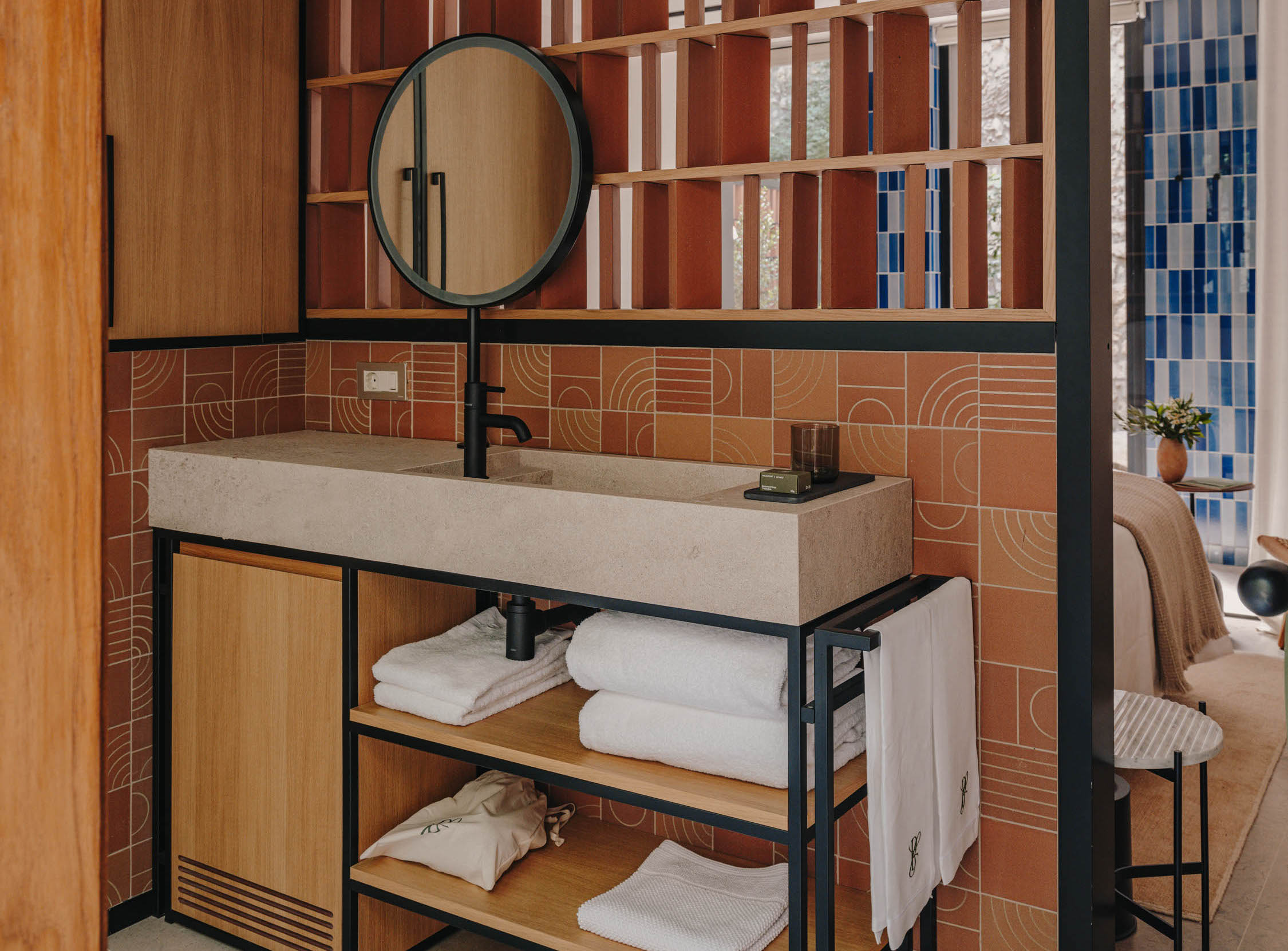
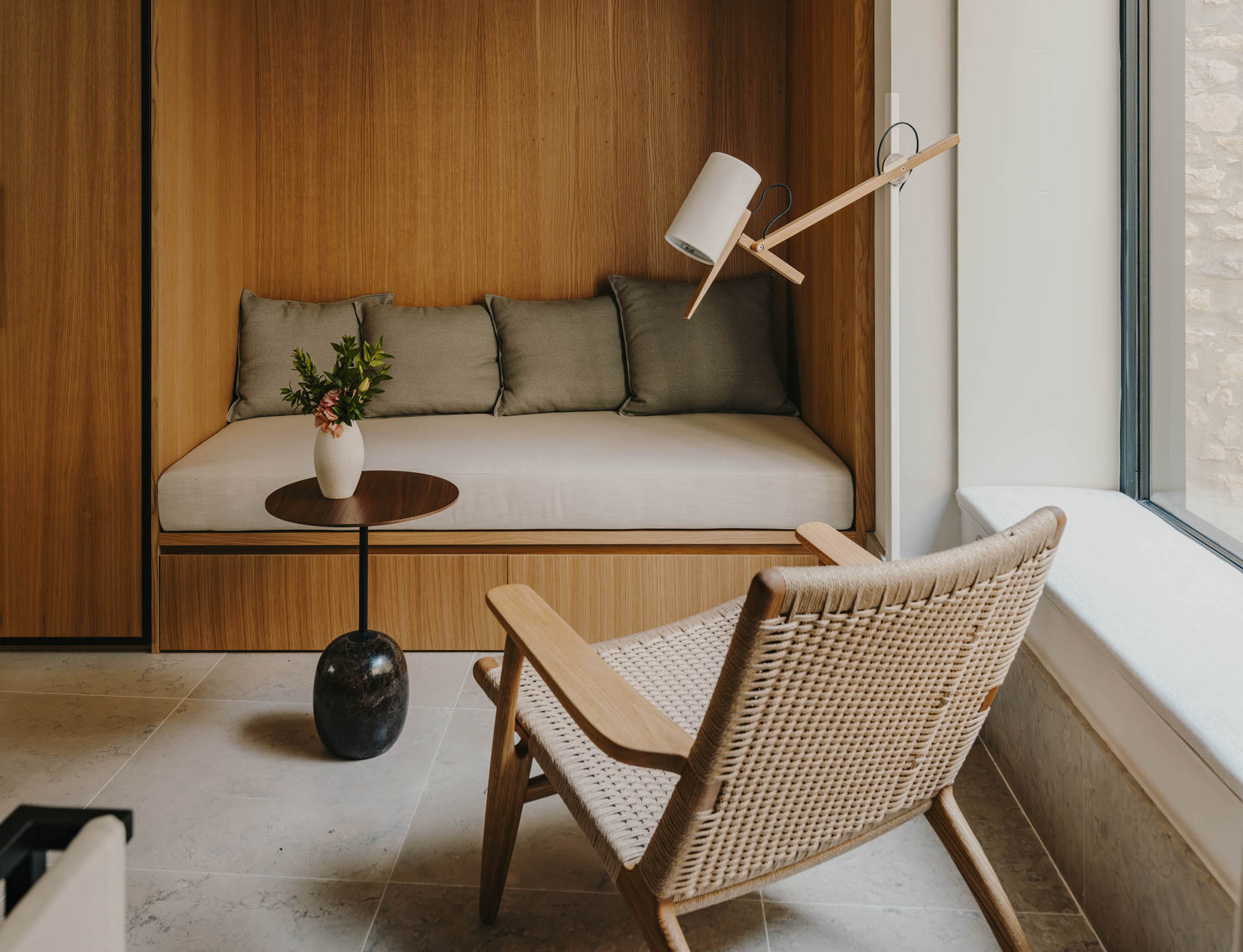
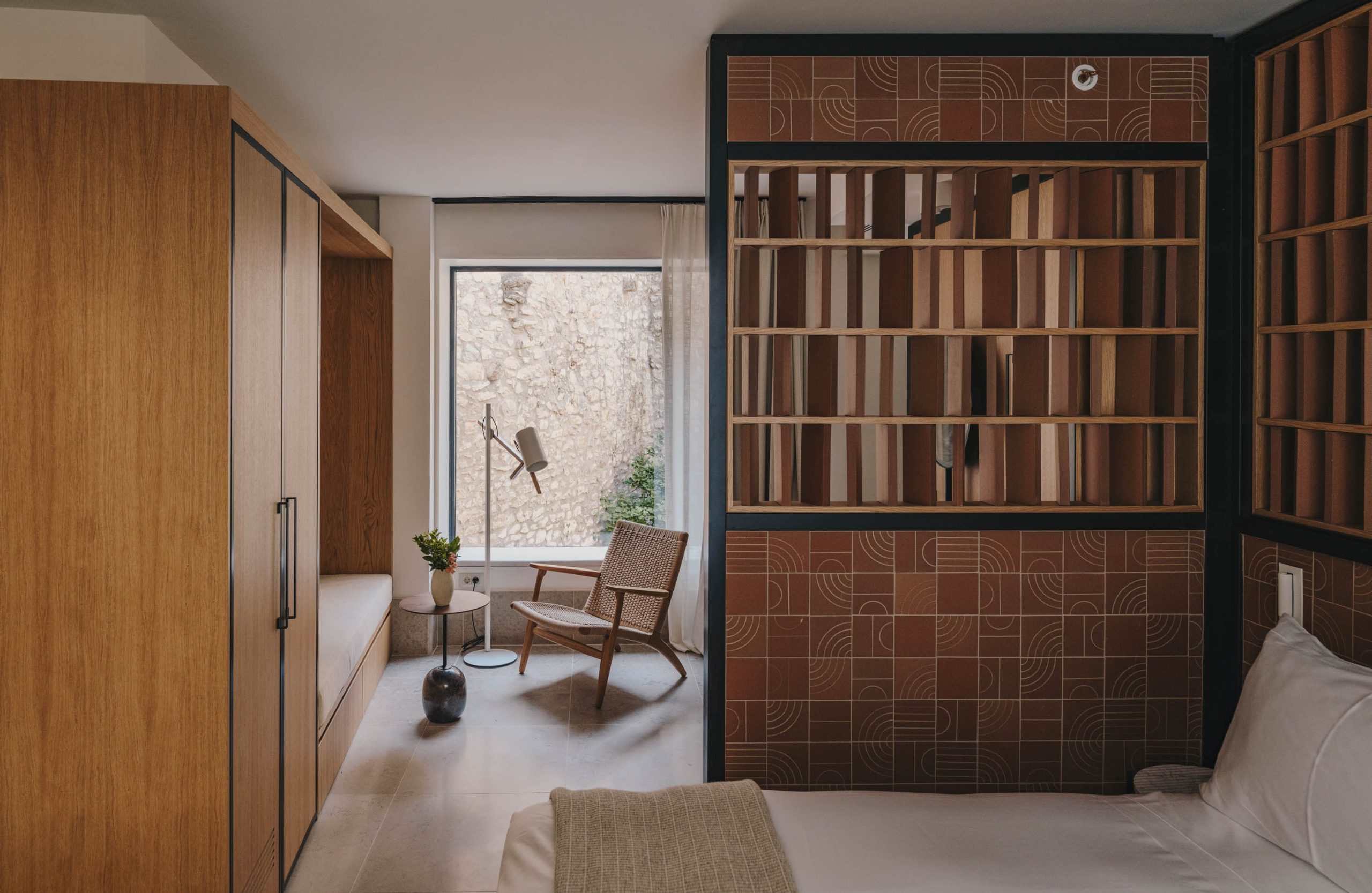
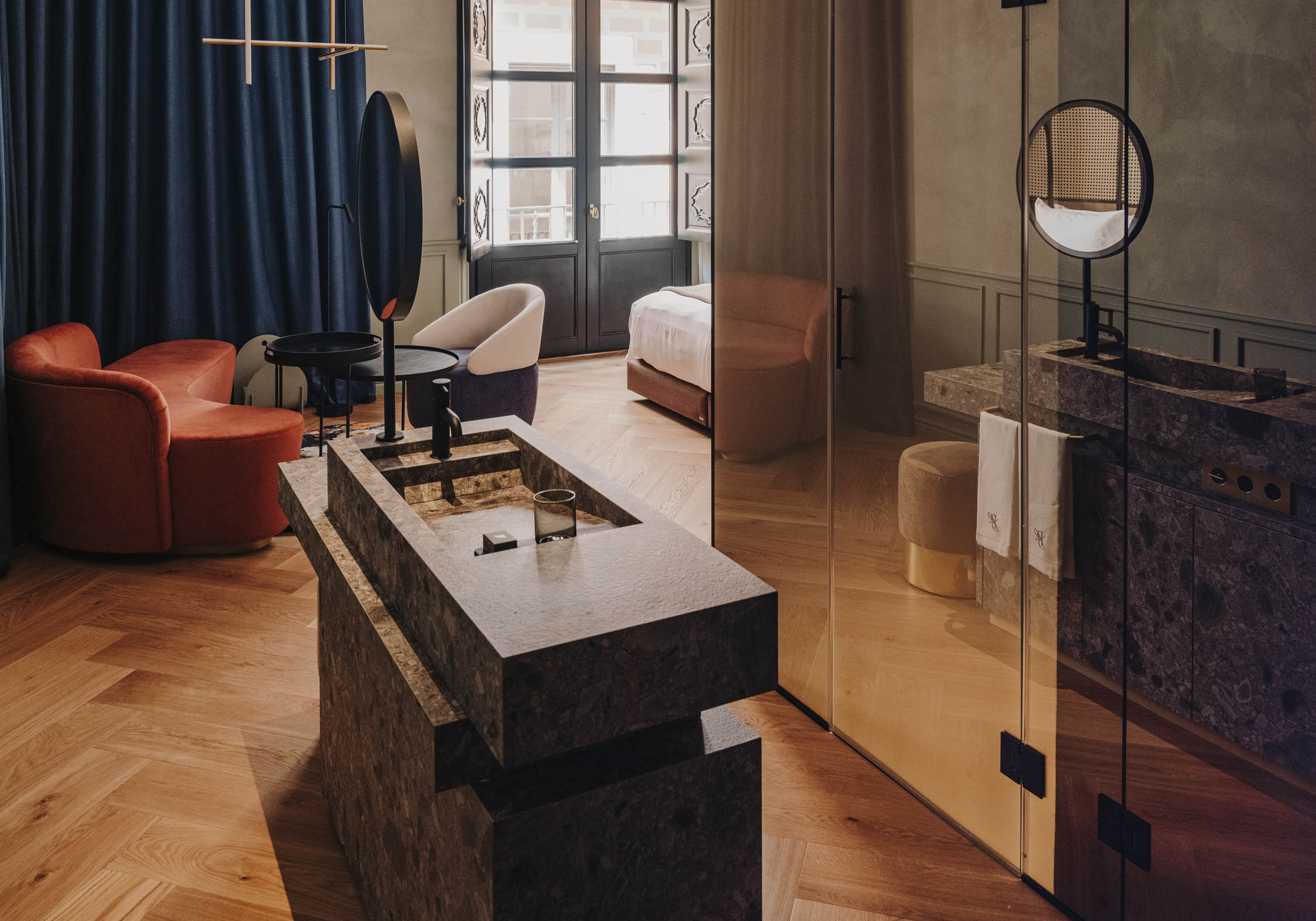
Palau Fugit occupies Casa Heras de Puig, an eighteenth-century baroque palace in Girona's old quarter, a few minutes on foot from the cathedral steps and the bridges over the Onyar. Opened to guests in 2022, it joins the old Palauet to a contemporary pavilion, El Pavelló, across a garden terrace with a pool. Architect Dani Isern and the Barcelona studio El Equipo Creativo kept the stone, the gothic arches and the courtyard, and filled the rest with local ceramics, terracotta, rattan and art by Frederic Amat.
- Best price guarantee
- Full access to content library
- Personalized itinerary
- A gift for every booking over three nights
- 24/7 support
Photography © Palau Fugit.
Rooms & Availability



Fugit Torre

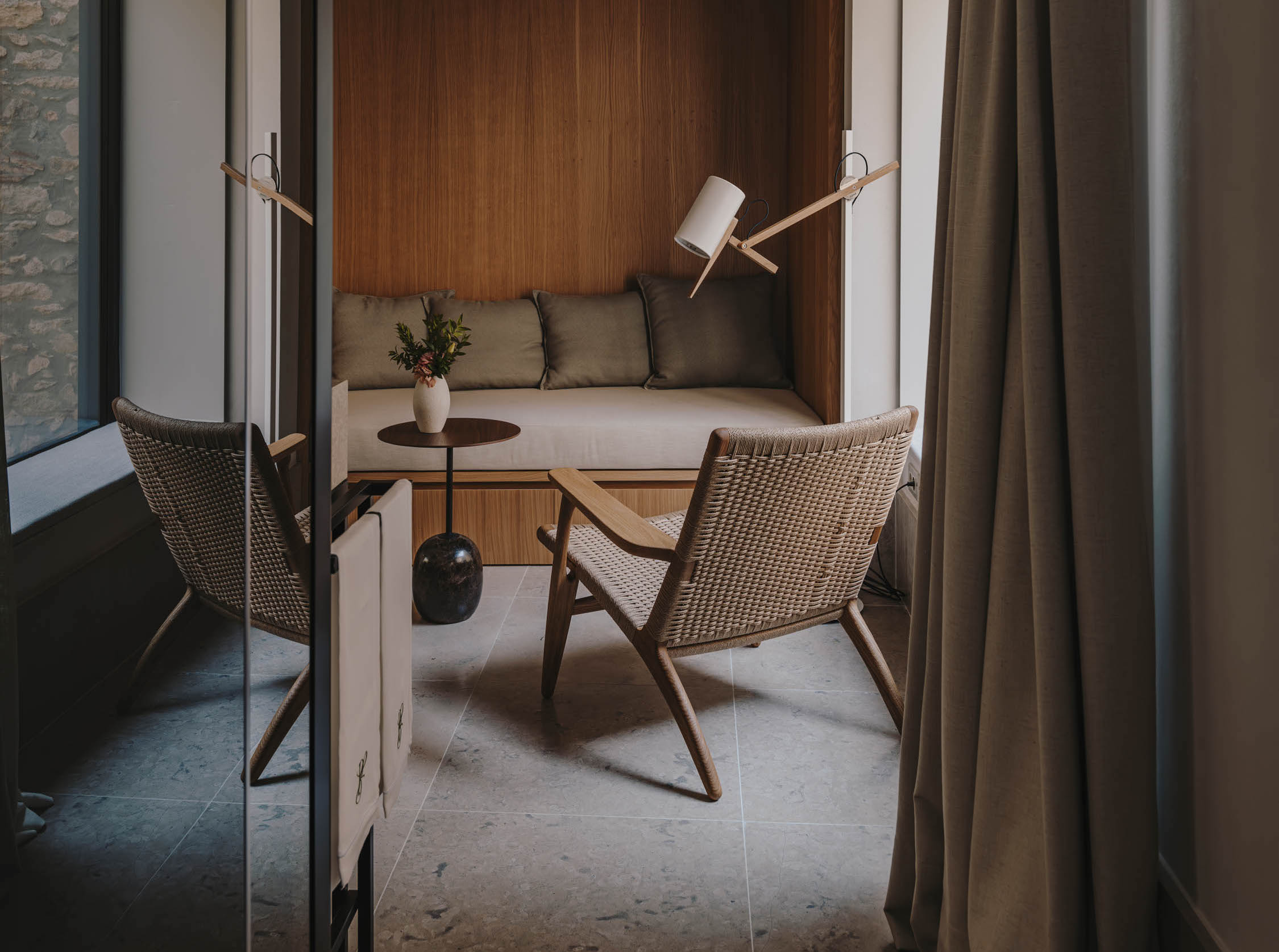
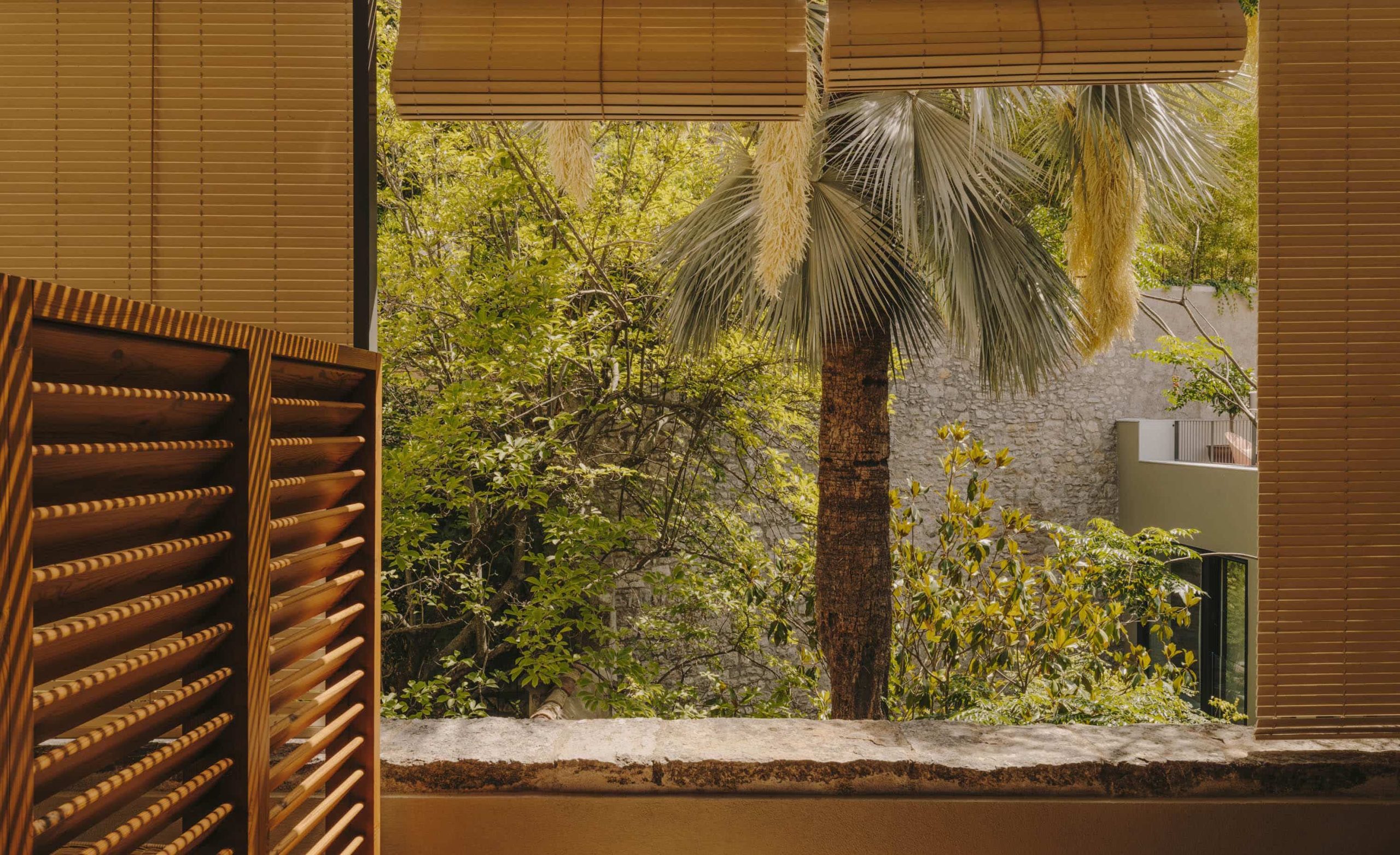
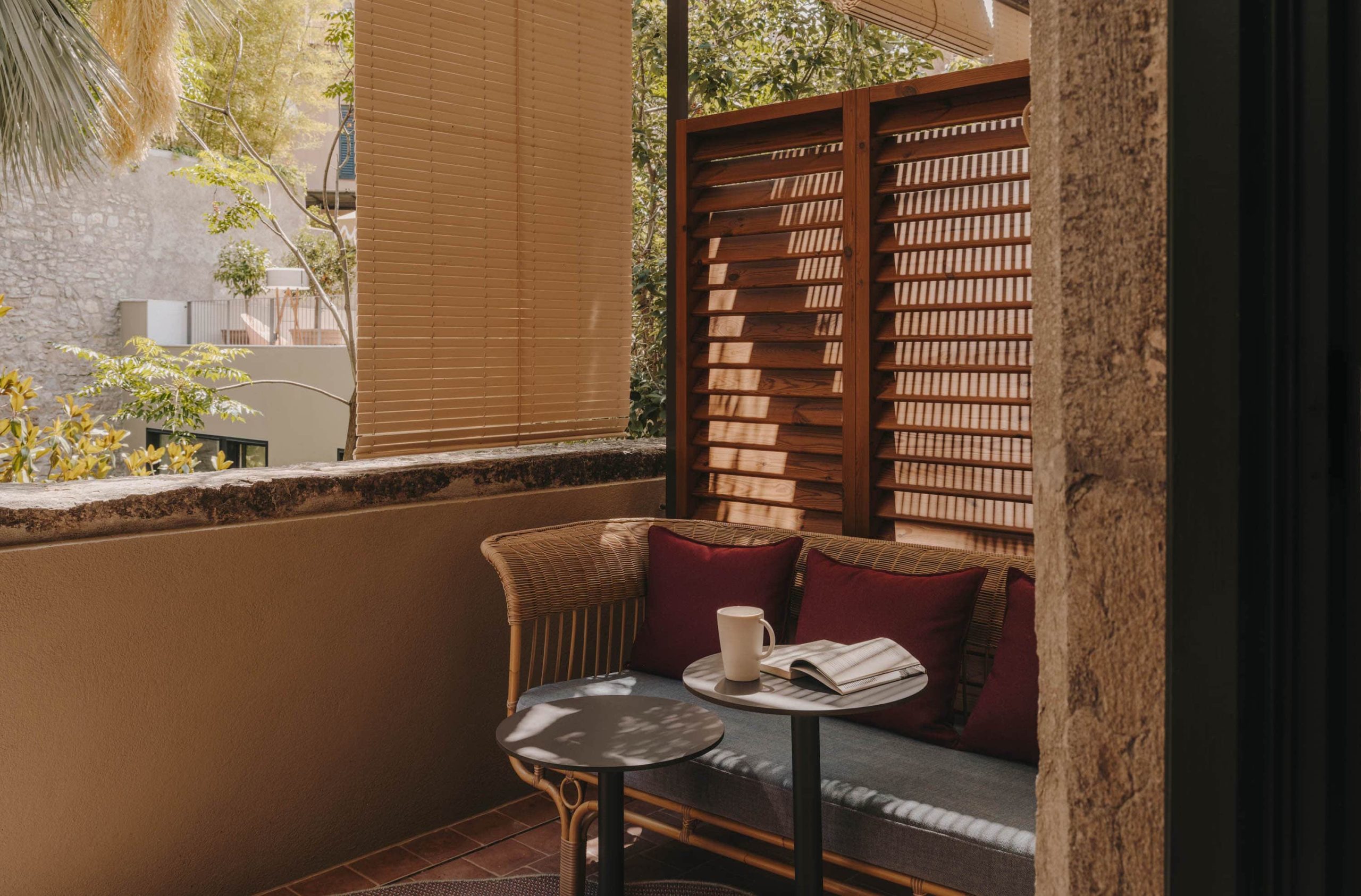
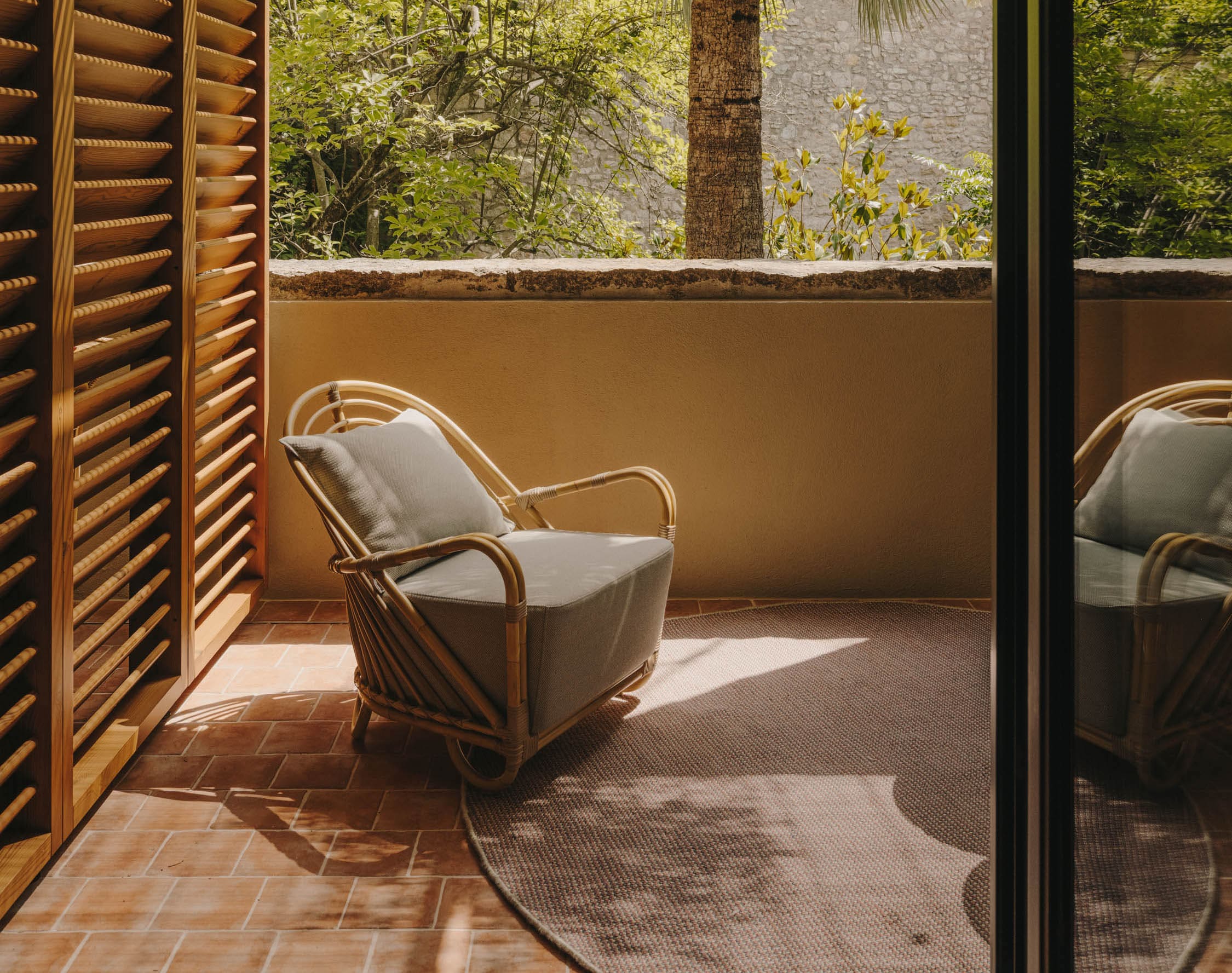
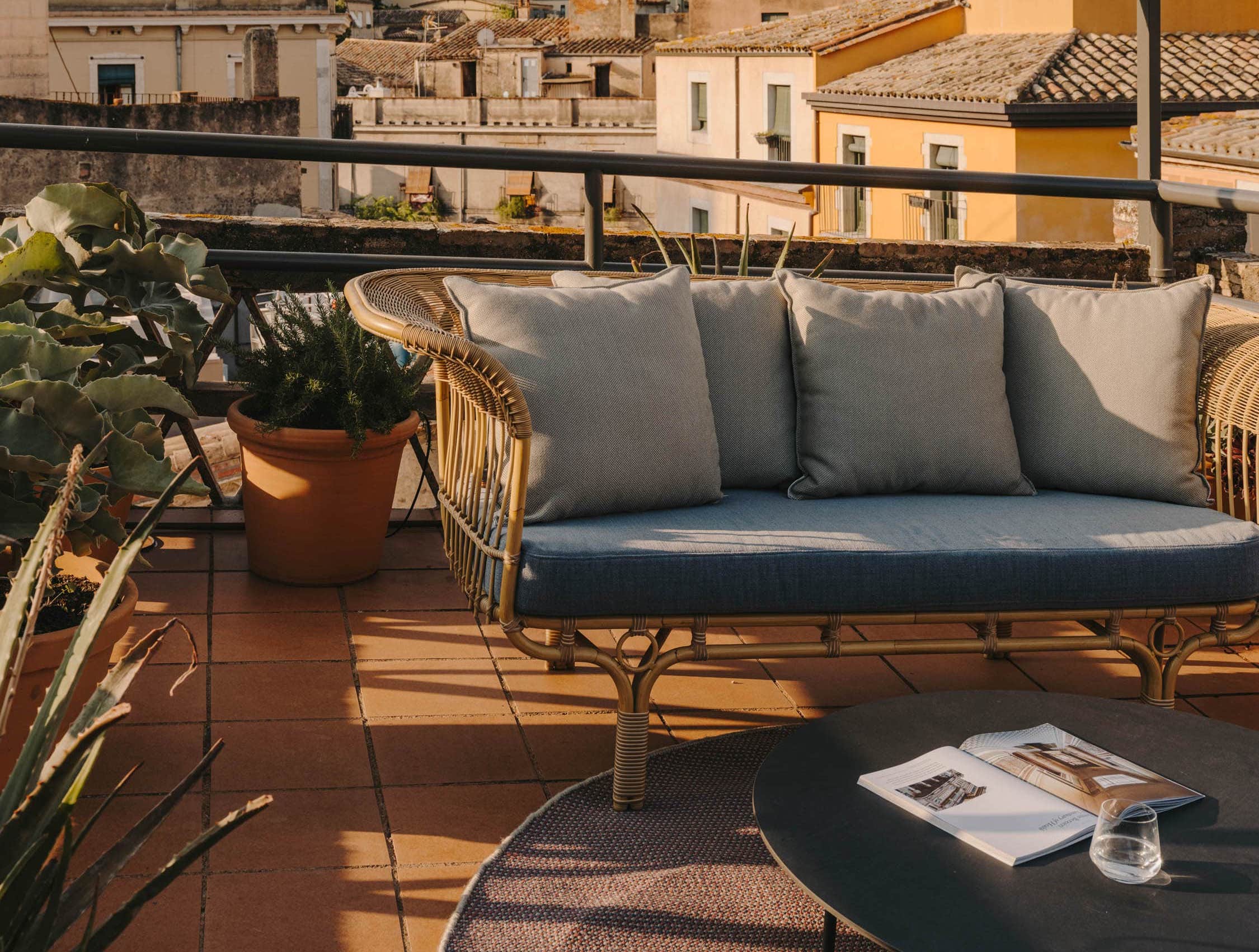
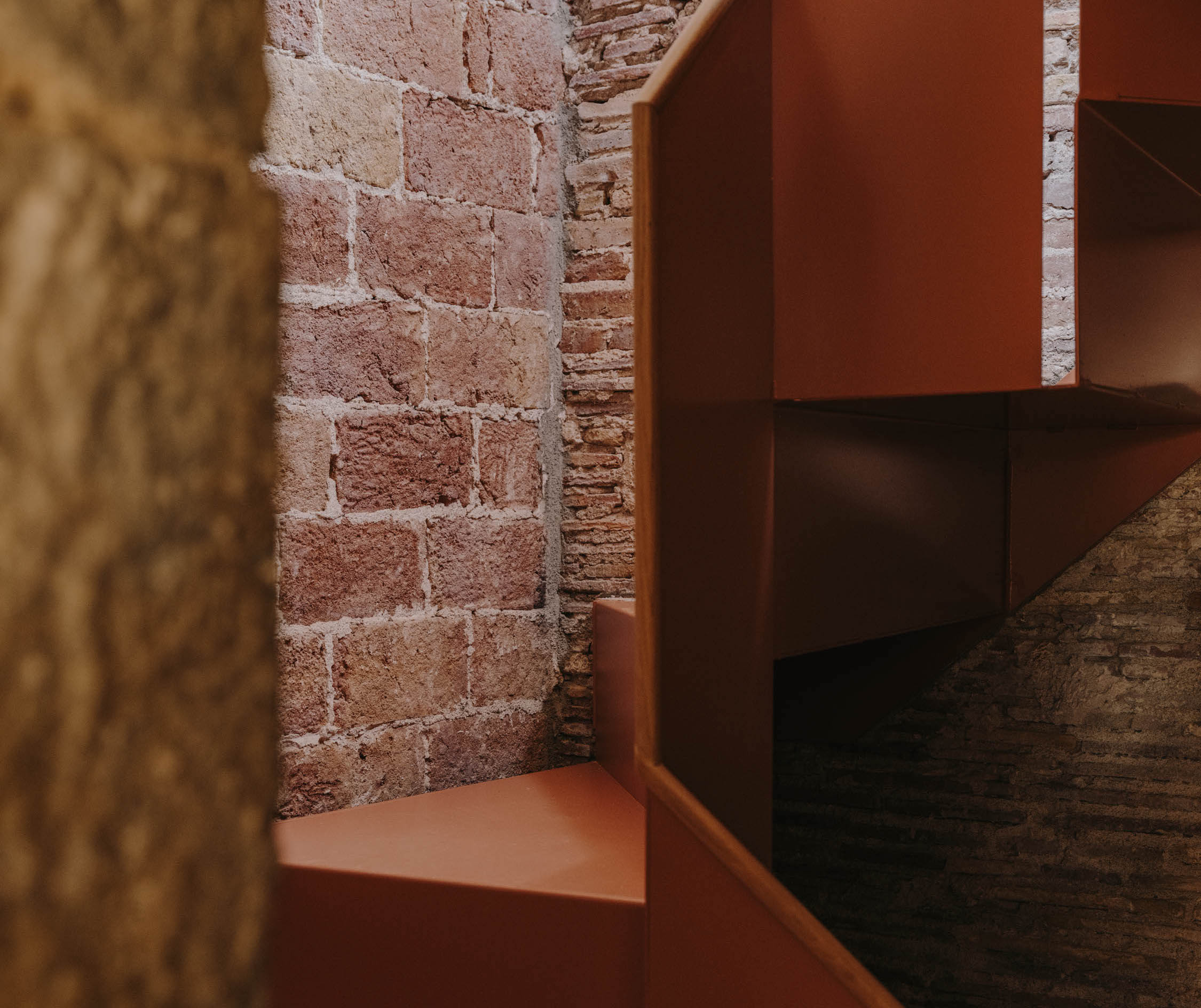
The penthouse suite at the top of the tower, with a king bed and a 33 m² private terrace looking over the university and the rooftops of the old town.
Fugit Torre
Why book with us

Best Price Guarantee

Full Access to Content Library

Personalized Itinerary

A Gift with Every Booking

24/7 Support
Amenities
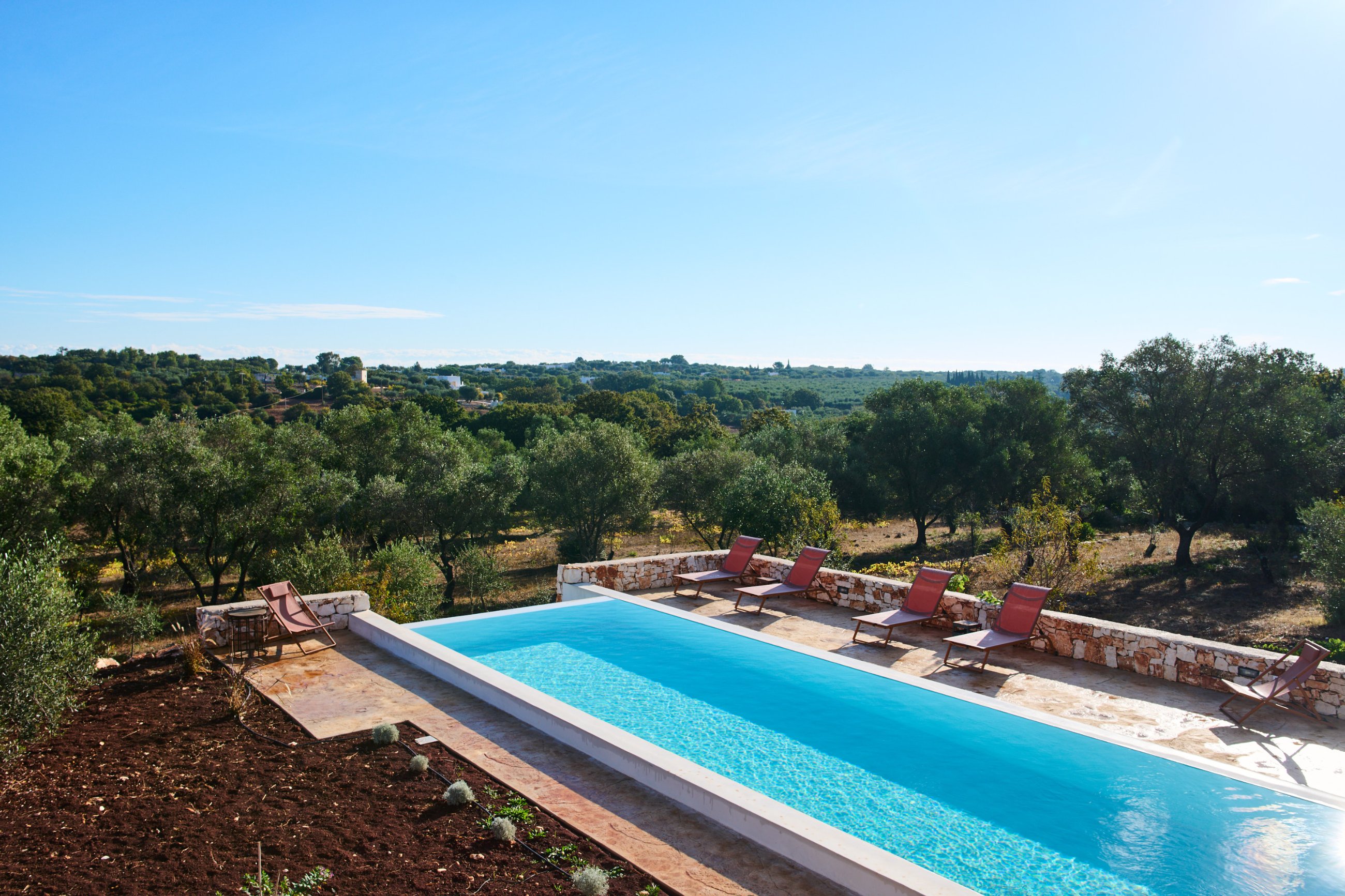
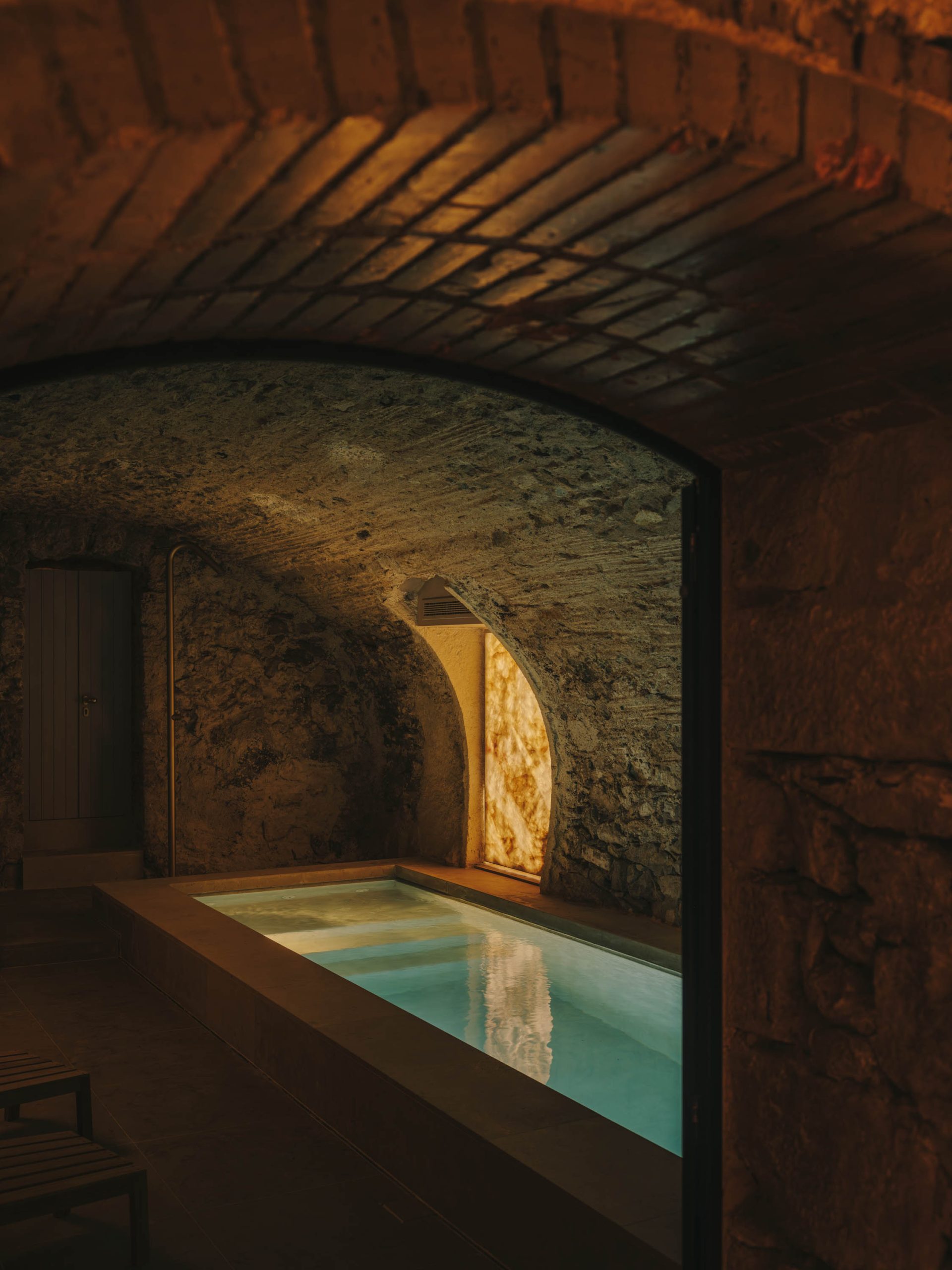
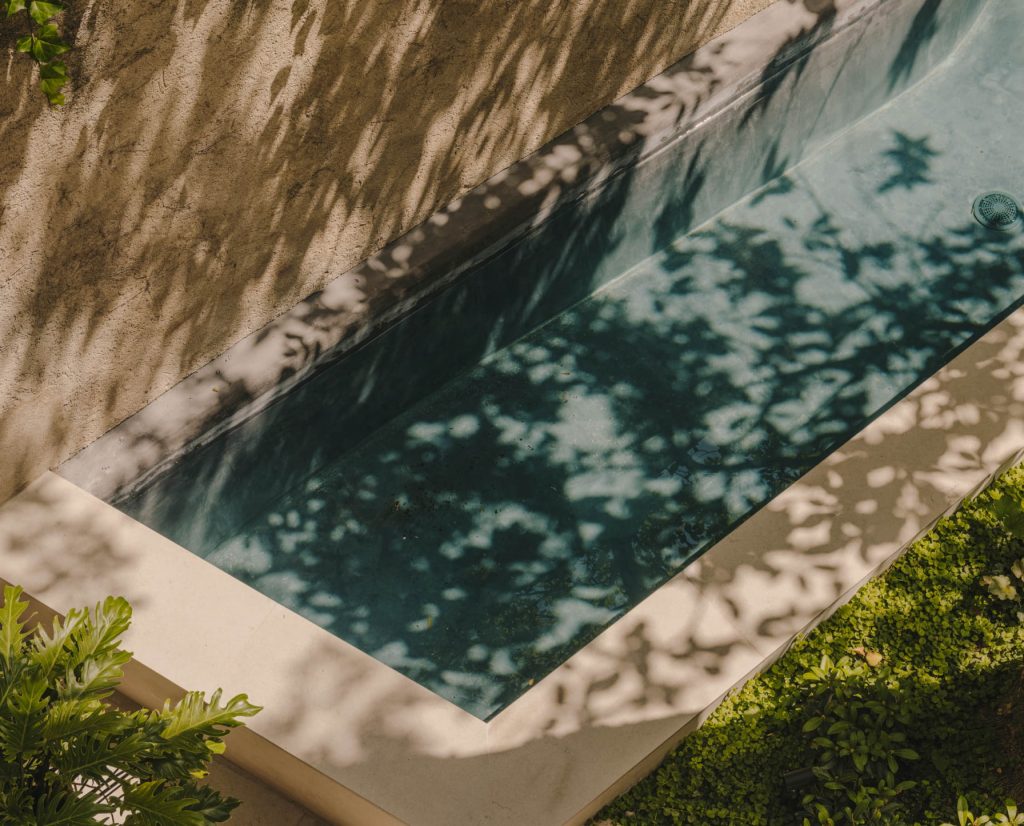
A spa in a limestone cave within the Roman walls, an outdoor pool on the garden terrace and a rooftop for vermouth; for cyclists, covered storage, rental bikes and routes.
Photography © Palau Fugit.
GIRONA | OCTOBER 2026
Stone, Ceramics and a Cave Beneath the Walls
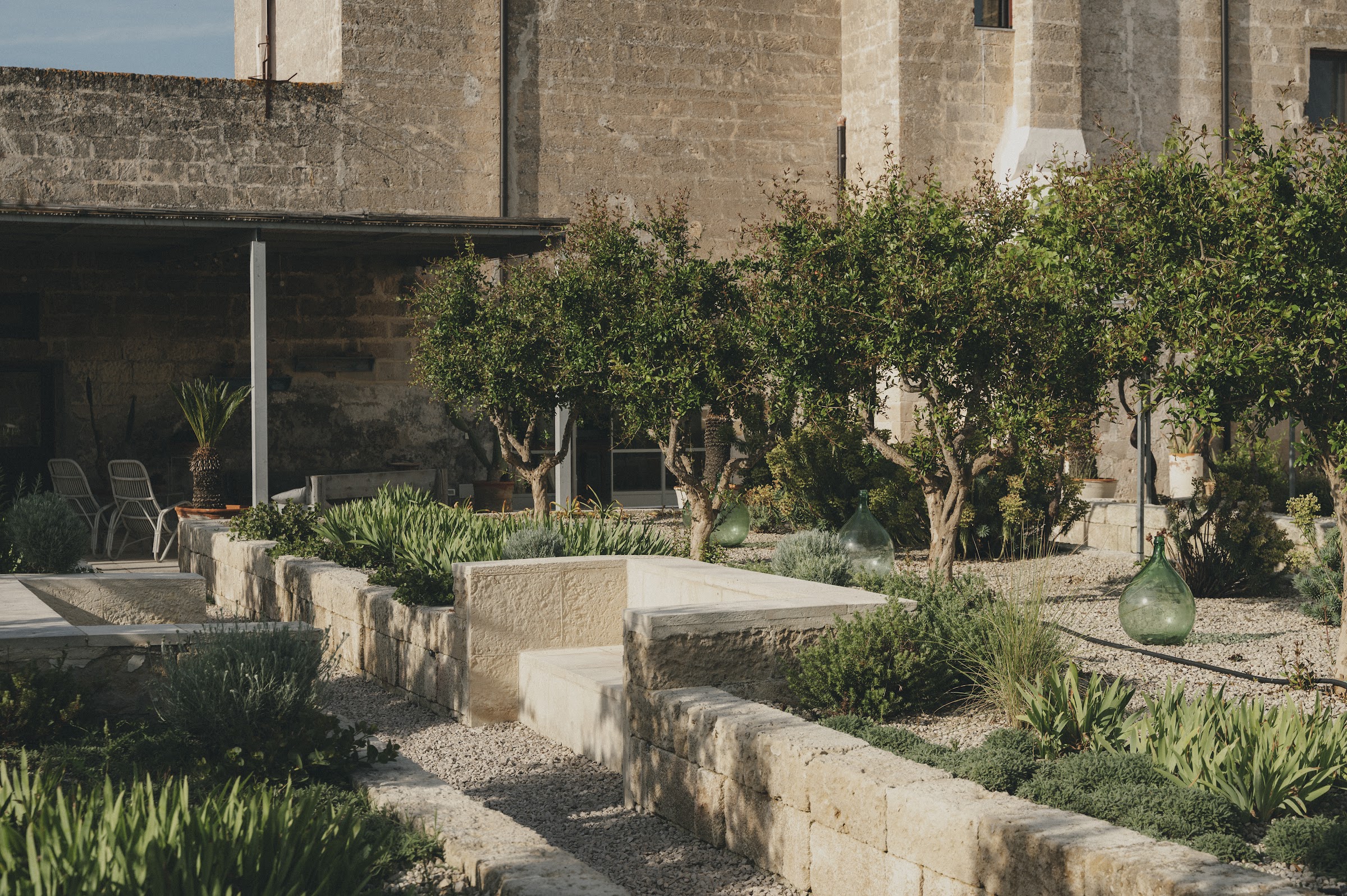
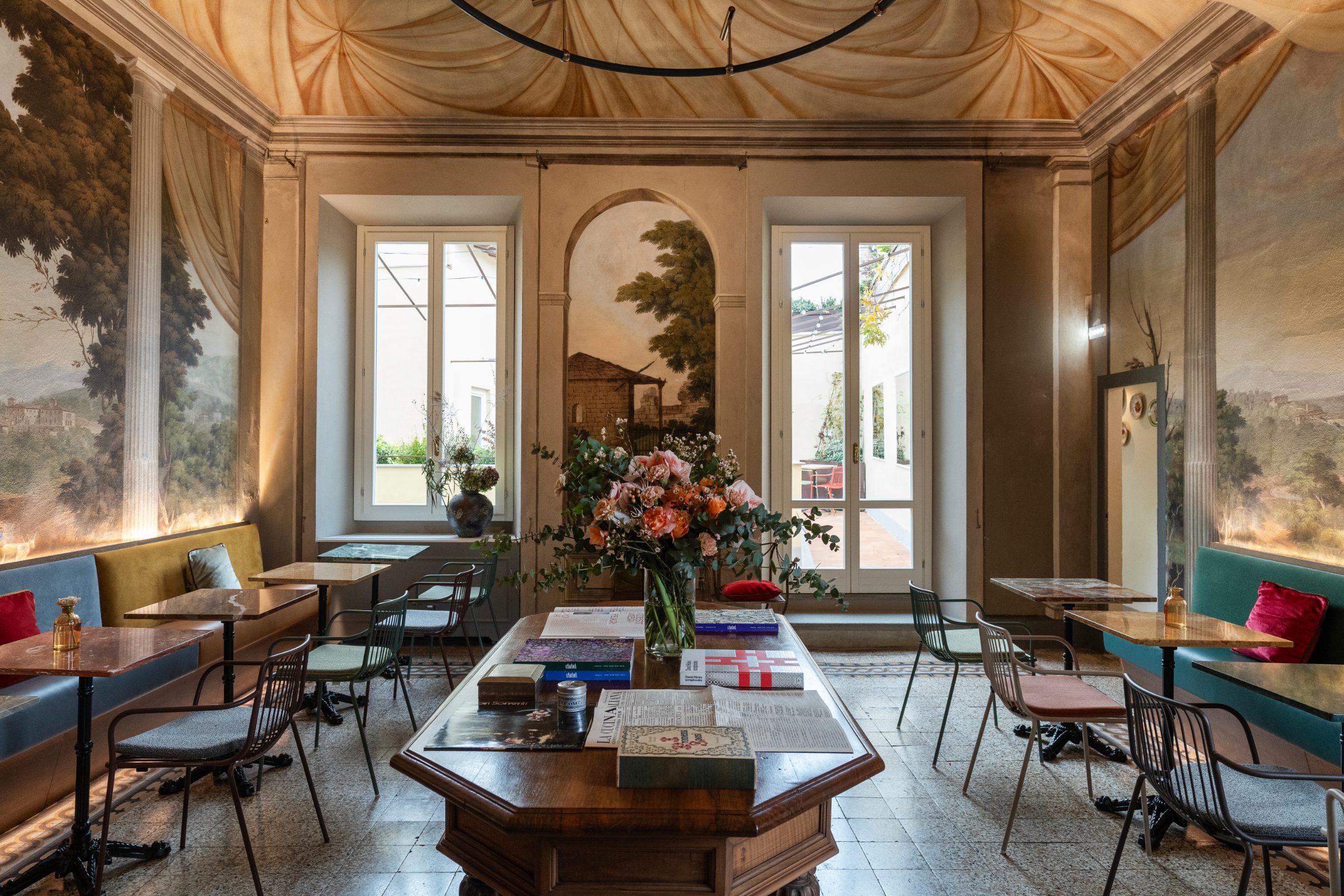
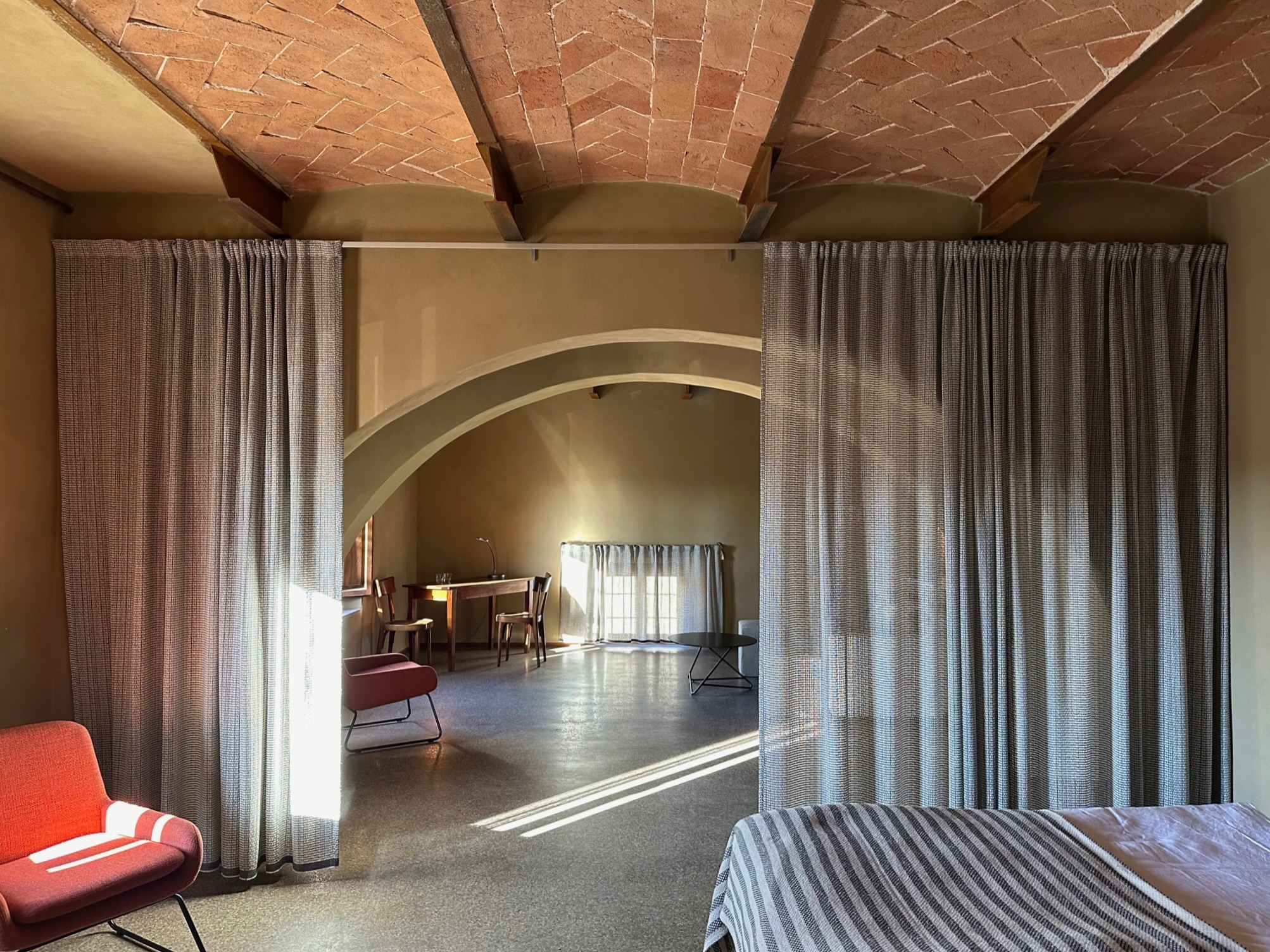
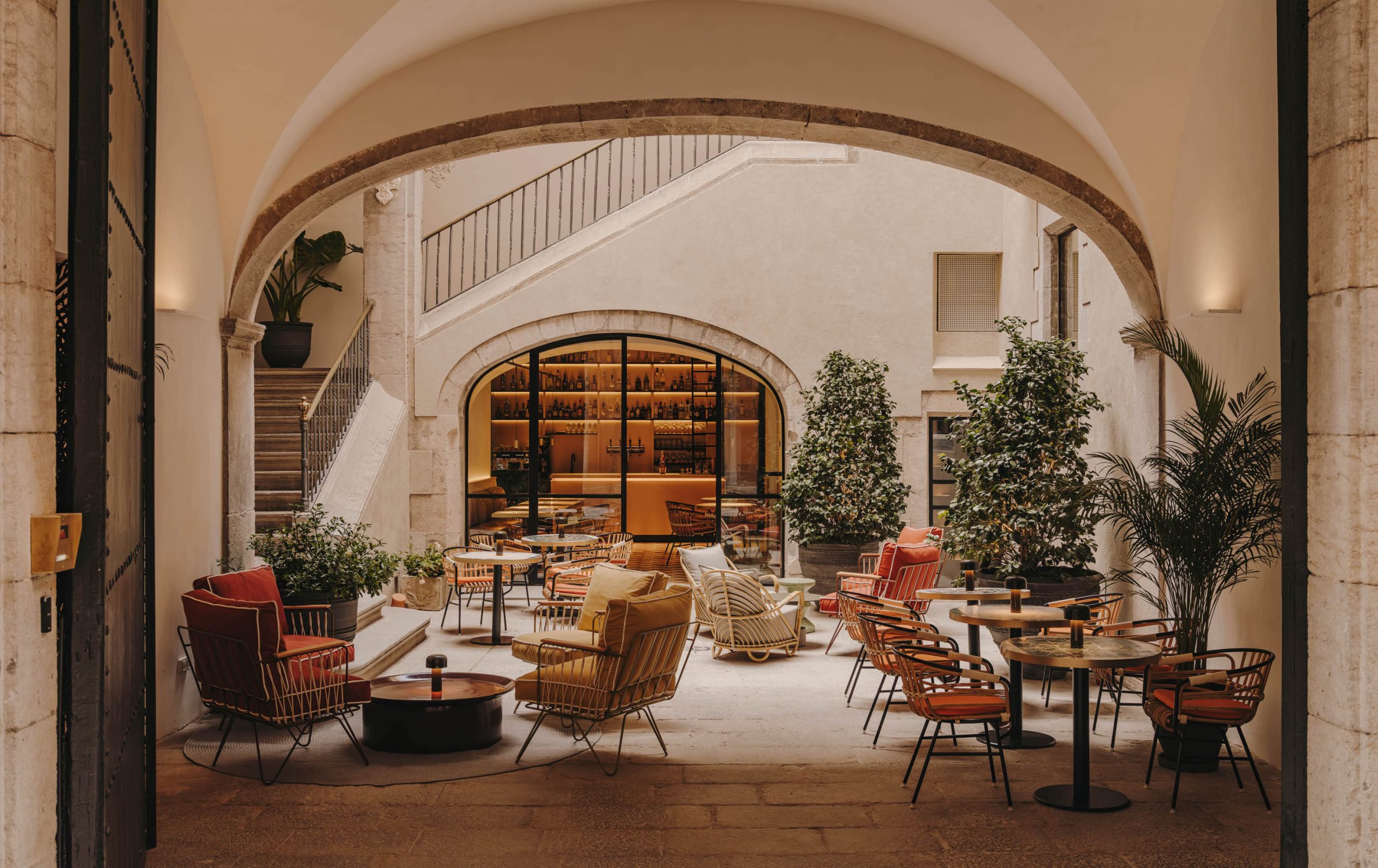
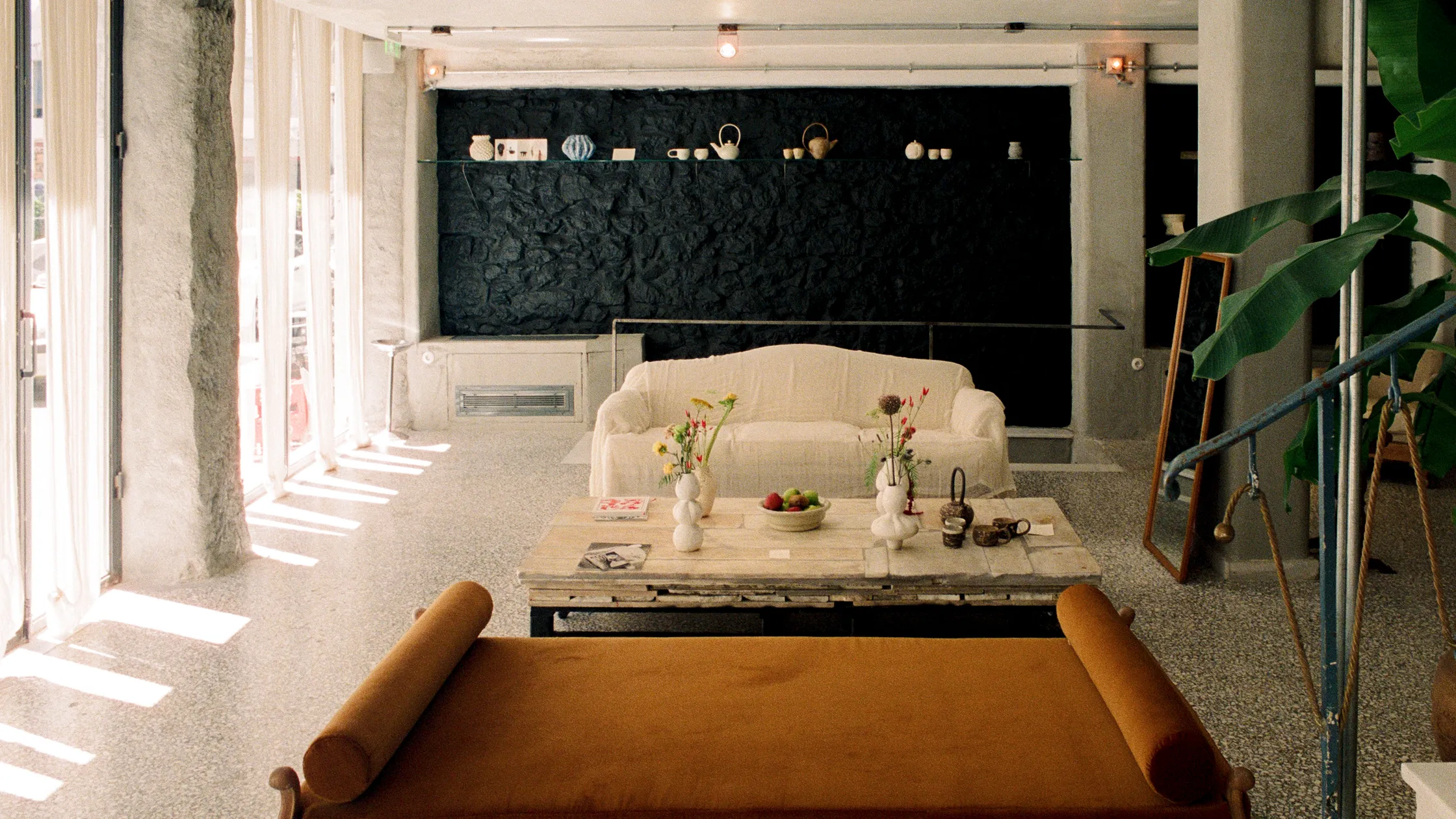
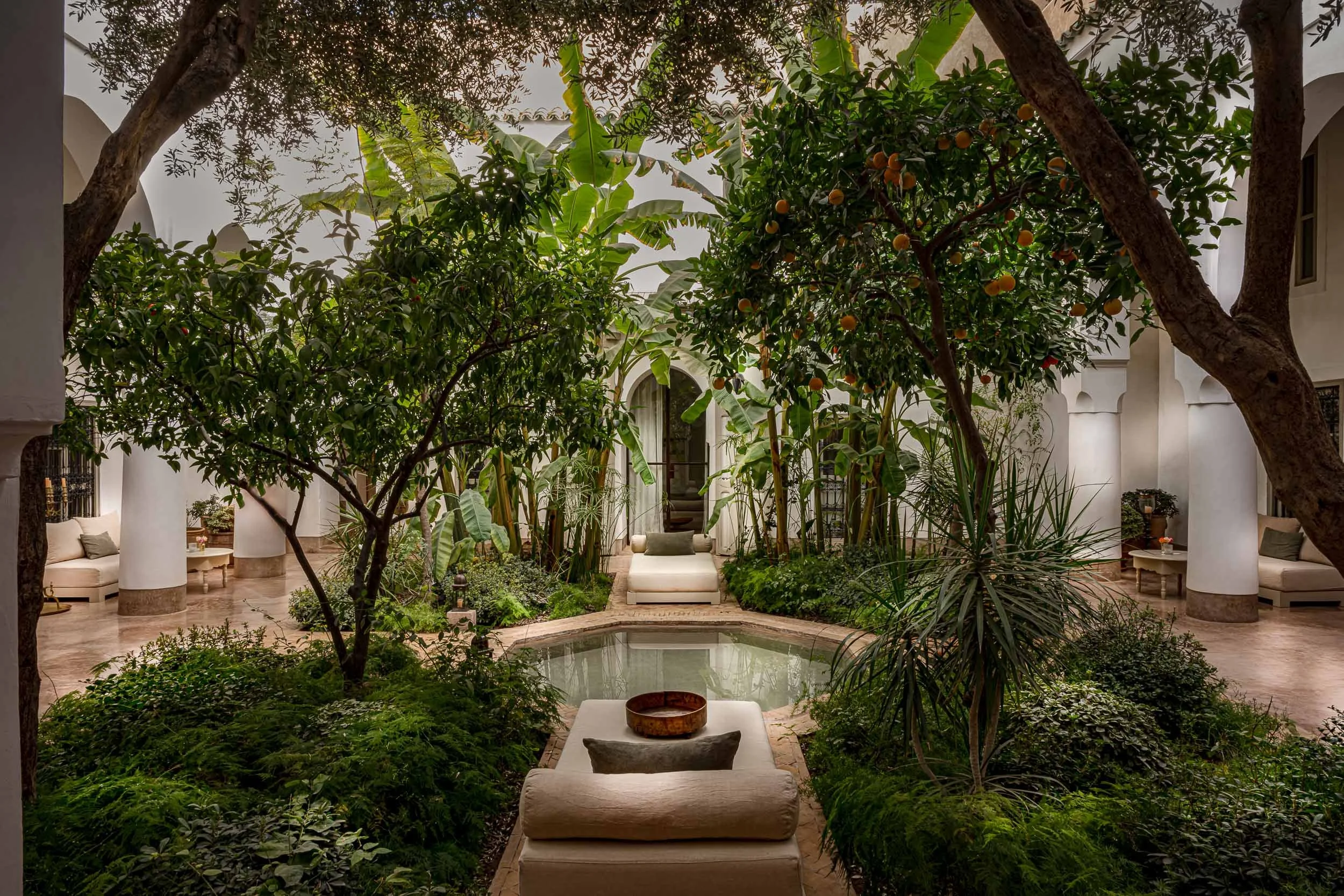
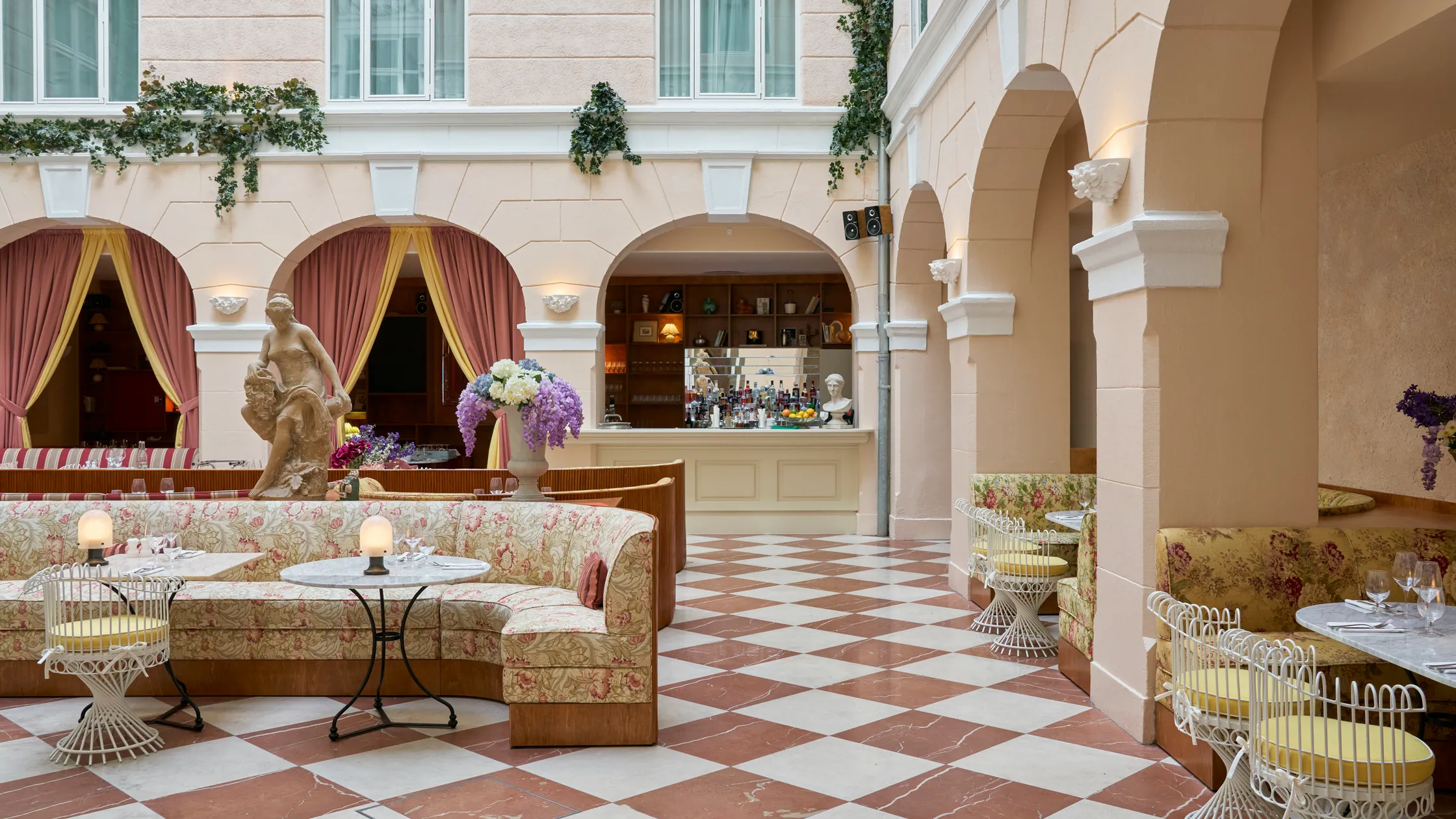
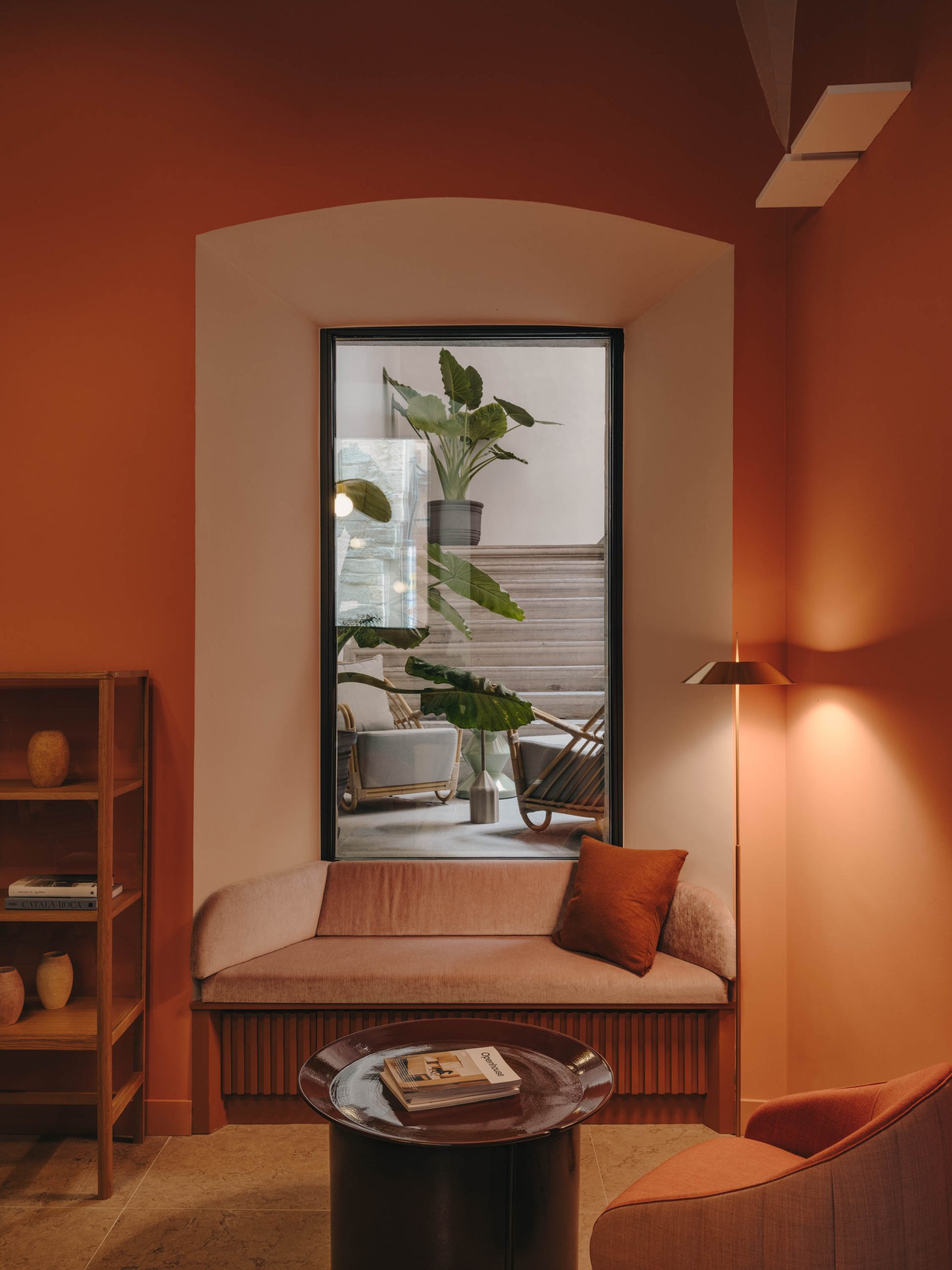
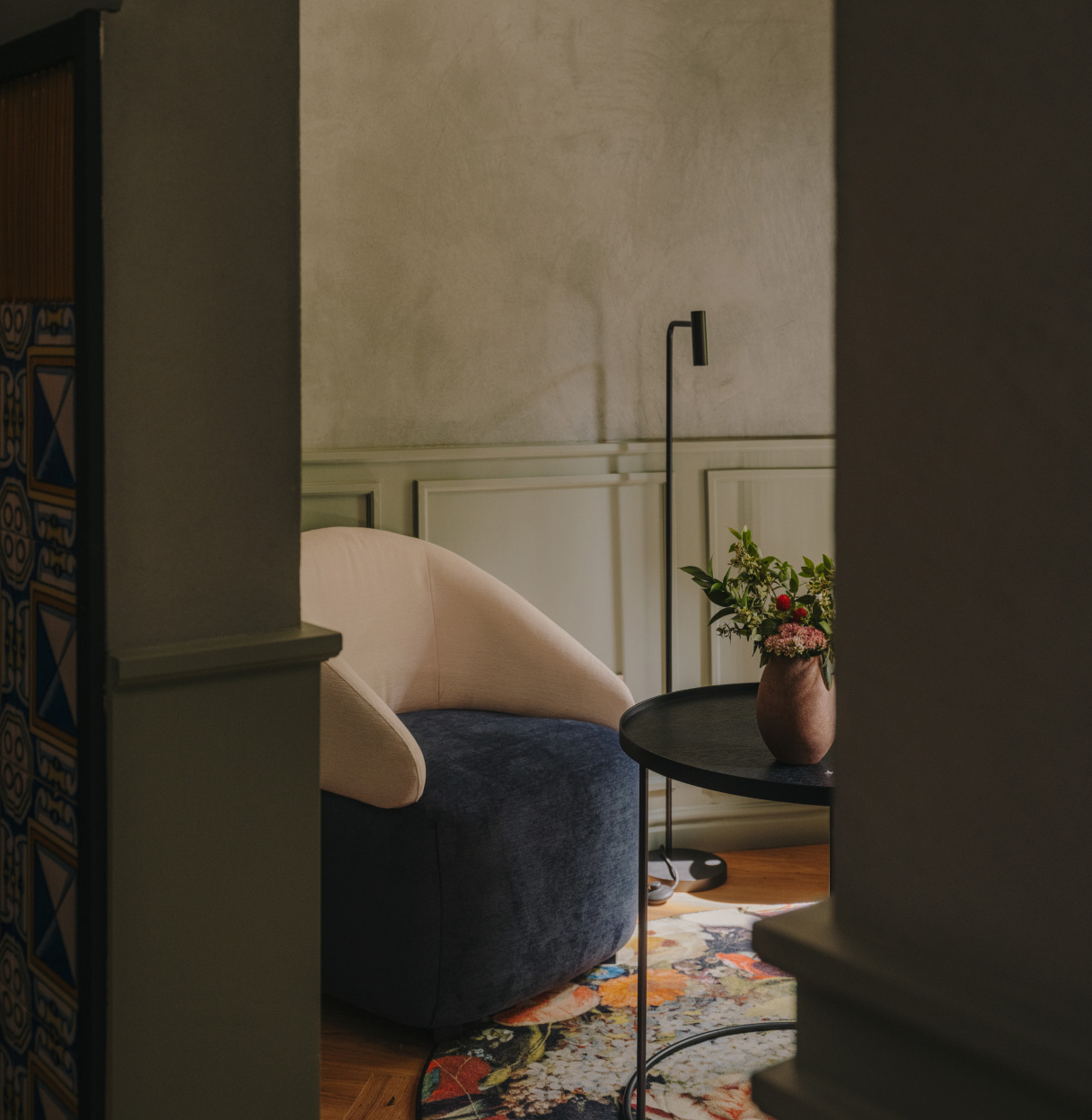
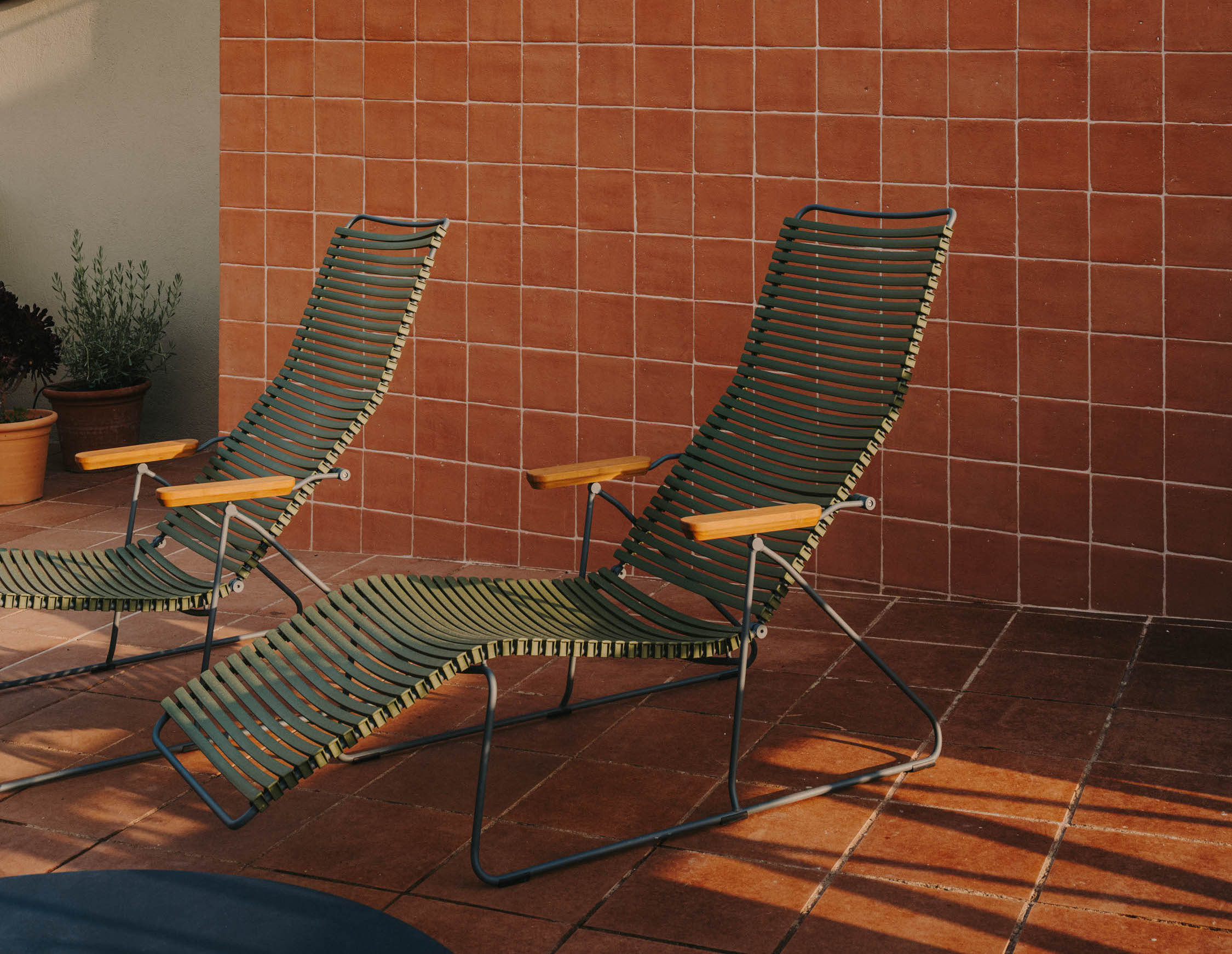
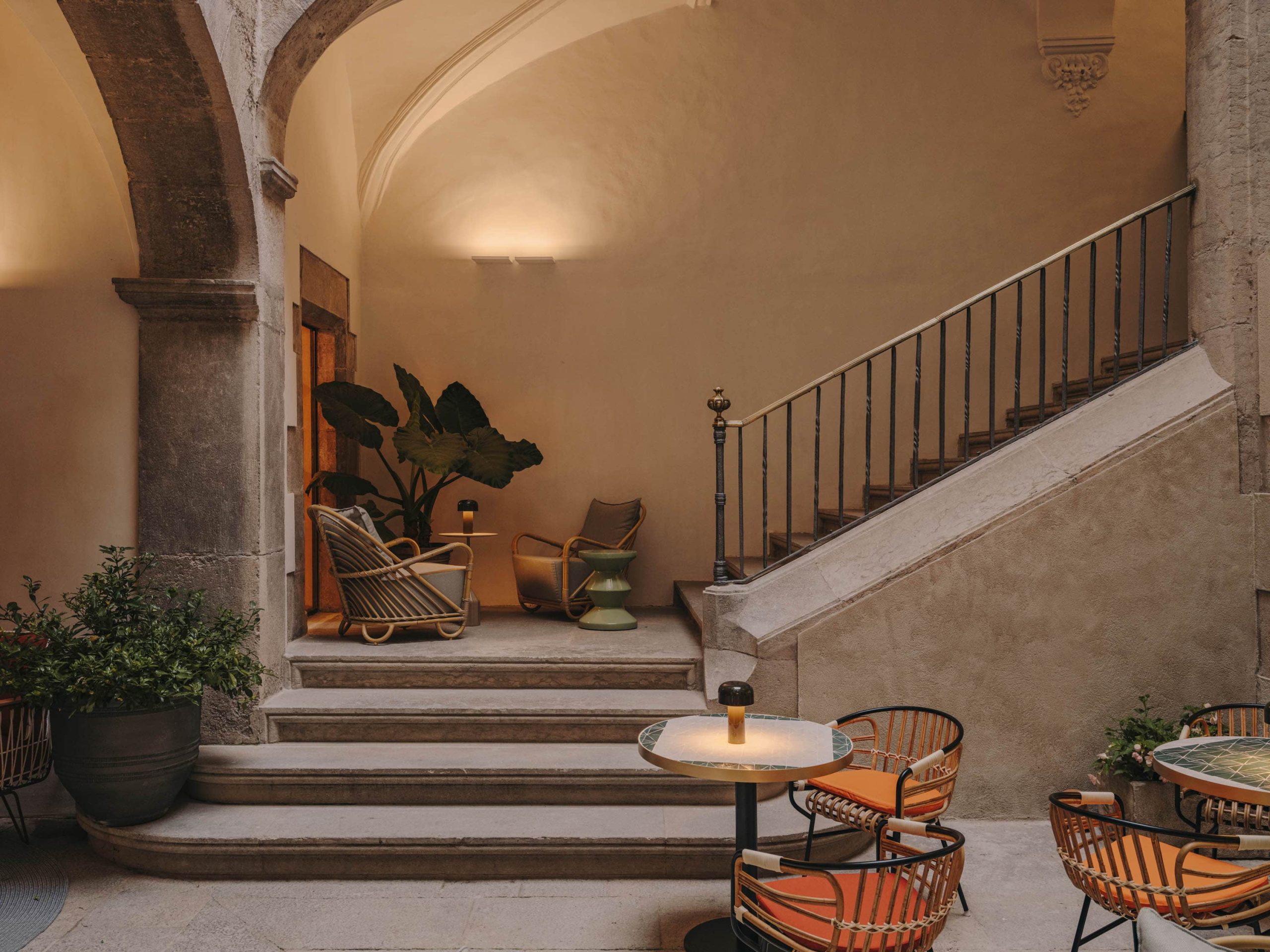
The house opens onto La Placeta, a vaulted stone courtyard that feels more like a small town square than a hotel entrance. Guests arrive at a reception table in Yves Klein blue; by evening, the same space fills with tapas, drinks and the occasional concert. Beyond it, La Biblioteca is built around an oval marble table. In the Palauet, Gothic arches and old stone are softened with blues, greys and blush tones, while across the garden, El Pavelló takes a warmer, more Mediterranean turn with terracotta, local ceramics and wood.
The most unusual space is hidden below ground. La Cova d’aigua is a small spa carved into a limestone cave within Girona’s Roman ramparts, with a hot-water pool and a heated stone bed, available by private appointment. It is the kind of detail that sums up the house: rather than adding a conventional hotel spa, the owners have made use of what was already there. Upstairs, El Terrat looks across the old walls and is the place for vermouth, wine and small plates, with a weekly yoga session taking things in a quieter direction.
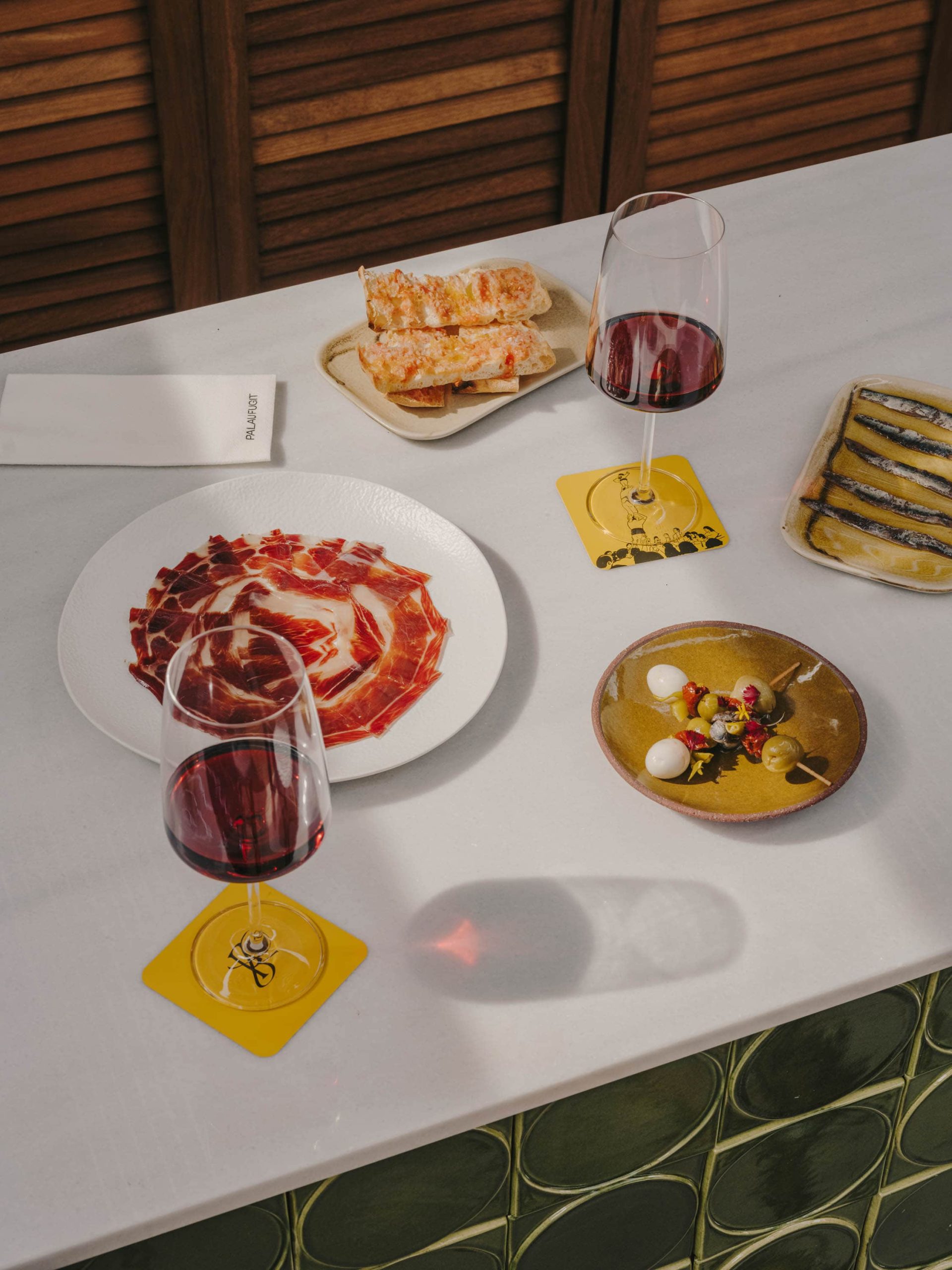
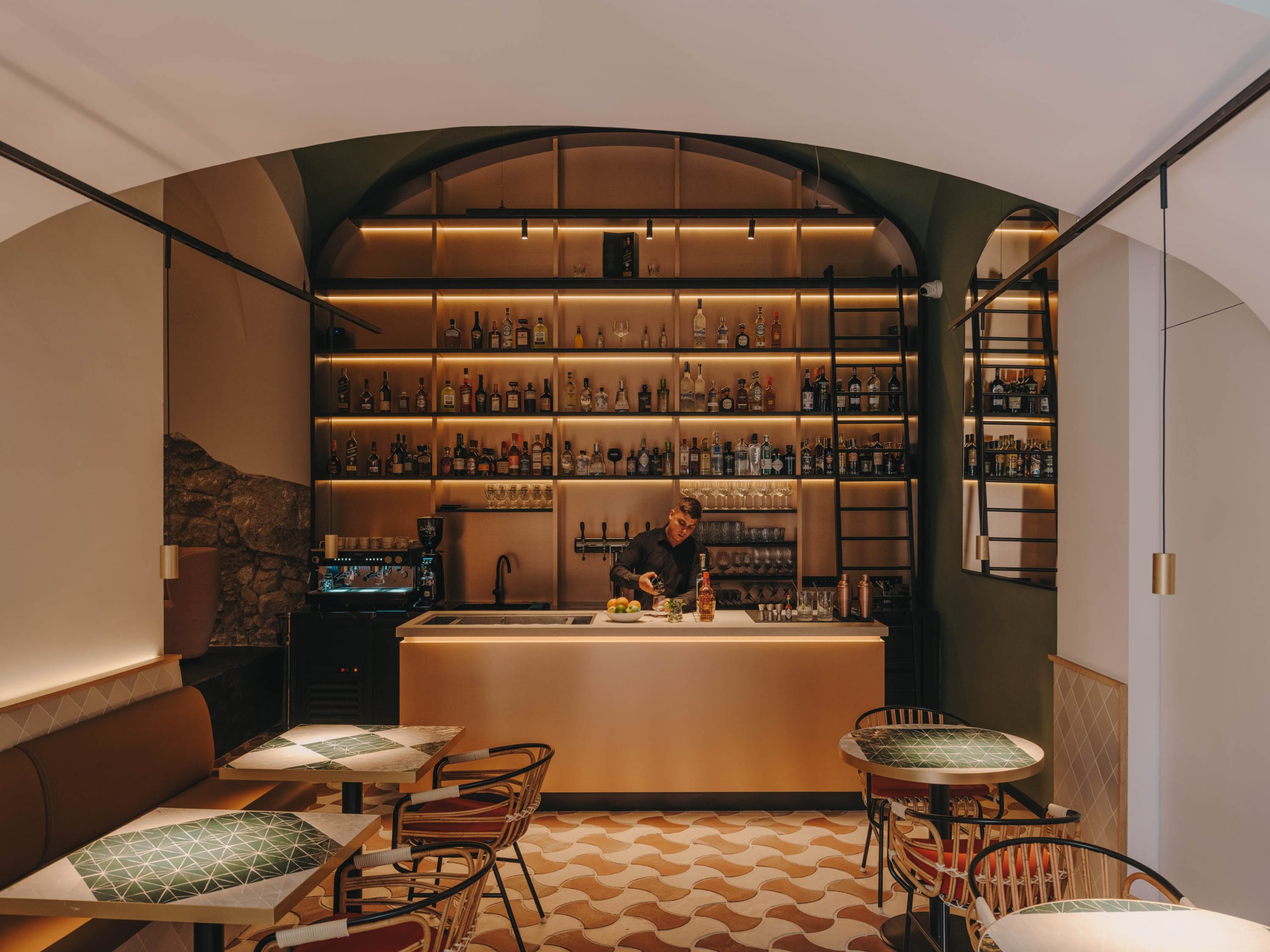
There is a similarly local feeling to the food and drink. Breakfast and brunch at Casa Heras are built around produce from the region, while the Gipsy bar stays open late for cocktails. The hotel even brews its own beer, Rispa. None of it feels particularly formal; the house works best as a collection of spaces to drift between, from the courtyard in the afternoon to the rooftop at sunset and the cave below when the city gets busy.
Girona itself is part of the appeal. One of Europe’s great cycling cities, it draws riders for its quiet back roads, climbs and Mediterranean landscape, and the house is set up accordingly, with covered bike parking, rentals, routes and a workshop just around the corner. For everyone else, the old town begins at the door. Behind the stone walls, Palau Fugit offers a quieter way into Girona — one that feels rooted in the city rather than set apart from it.
Other Places you will like.