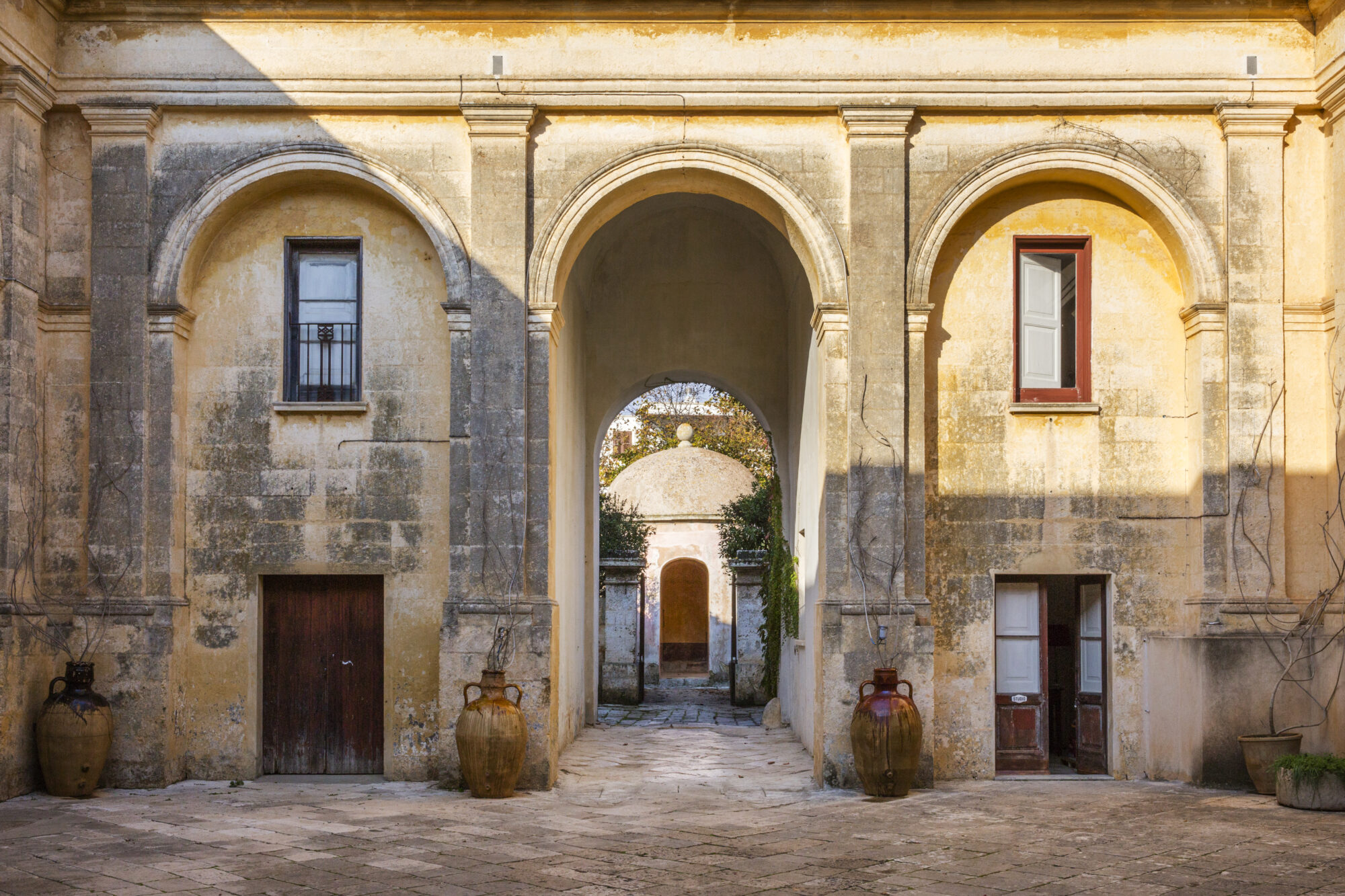
The Palazzo Behind the Trevi
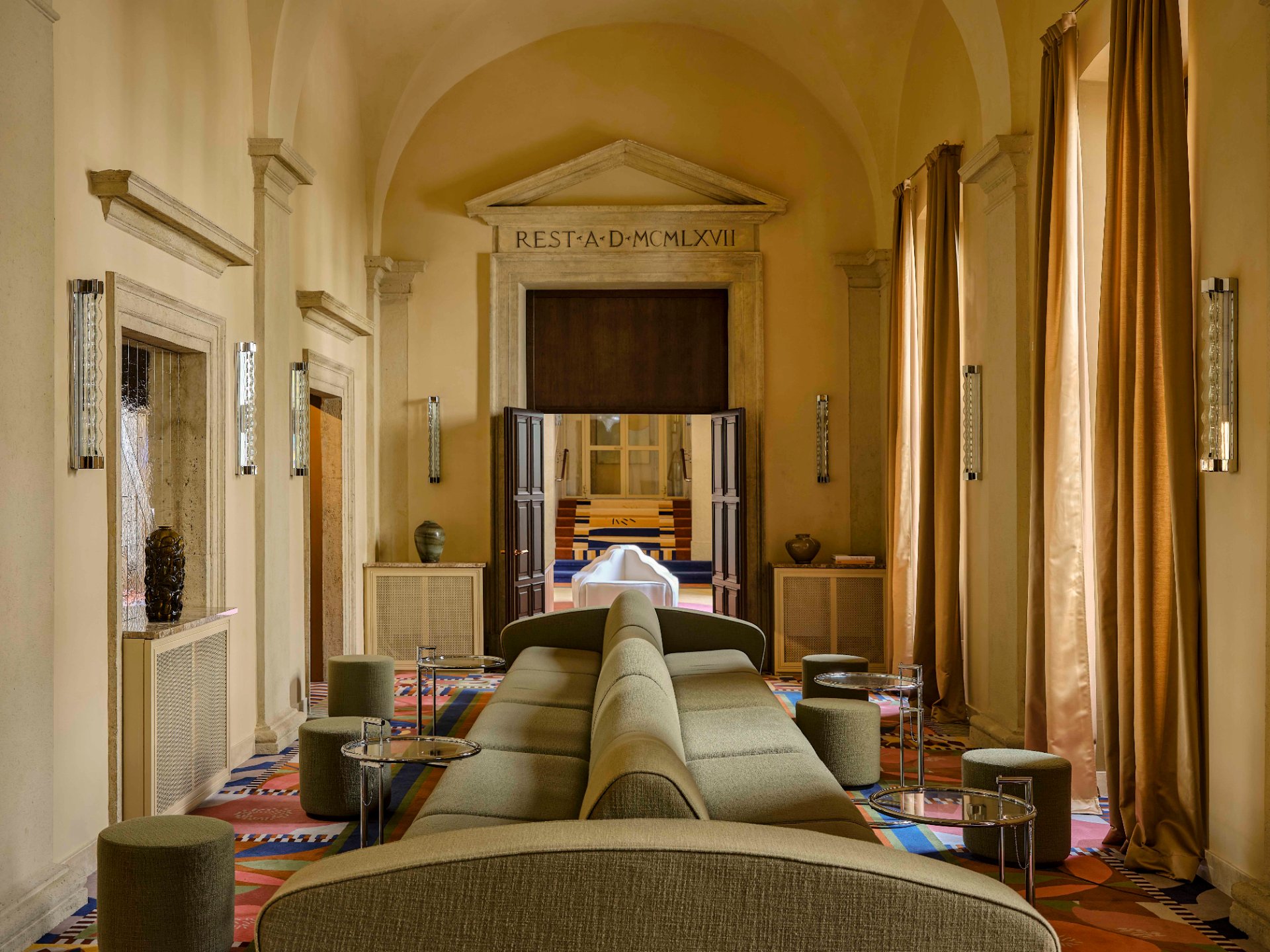
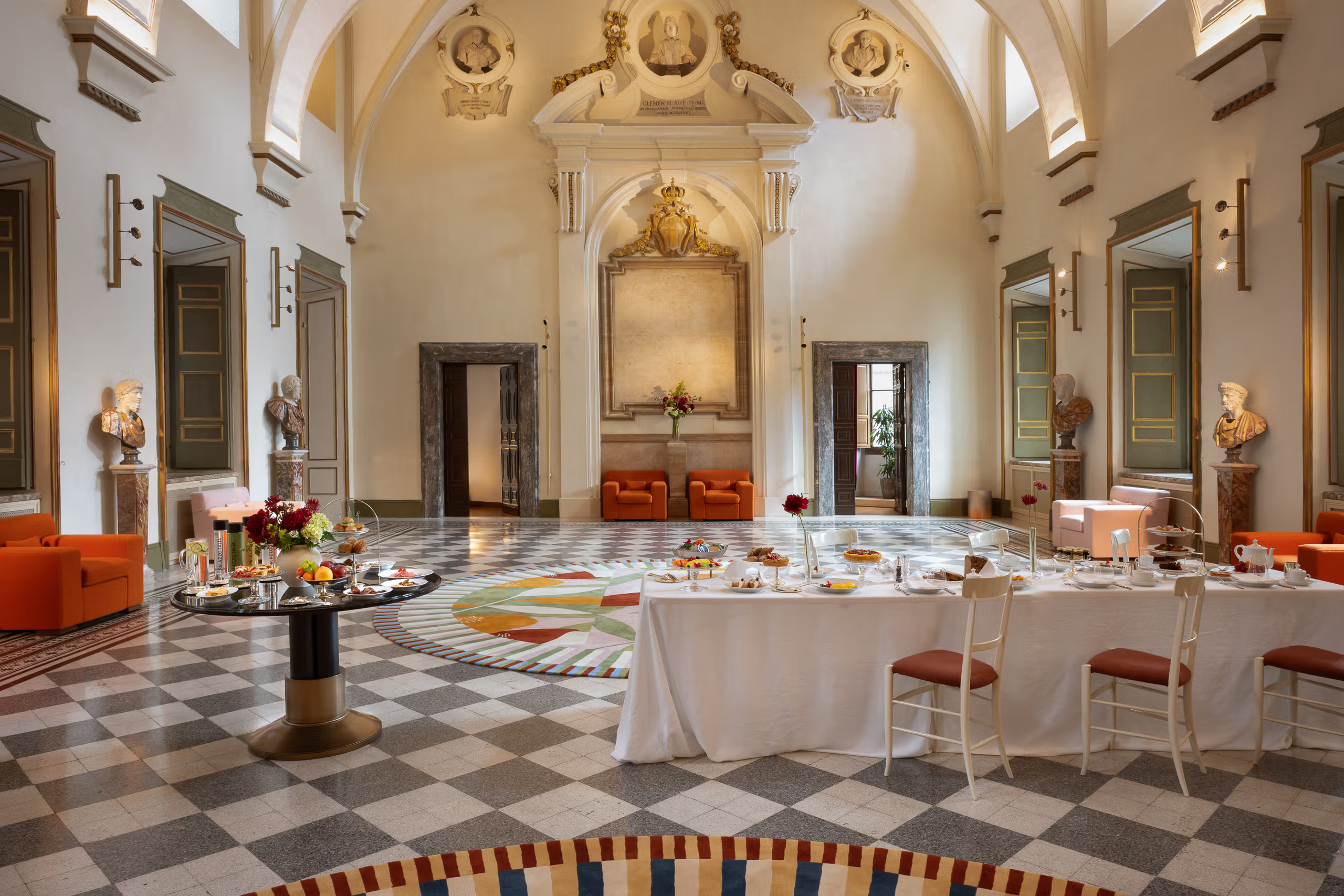
A three-minute walk from the Trevi Fountain, Palazzo Talìa opened in 2024 inside the 16th-century Collegio Nazareno, a religious school that counted Alessandro Manzoni and Antonio Gramsci among its pupils. Its twenty-five rooms are the first hotel project by the film director Luca Guadagnino, working with MIA Home Design Gallery and Laura Feroldi Studio. The palette runs to oxblood, burgundy and moody green, anchored by a sweeping Nigel Peake carpet, with Roman marble and Spanish majolica shaping the baths. Original frescoes remain visible throughout, set against velvet drapes and vintage lighting.
- Best price guarantee
- Full access to content library
- Personalized itinerary
- A gift for every booking over three nights
- 24/7 support
Photography © Giulio Ghirardi
Rooms & Availability



Superior

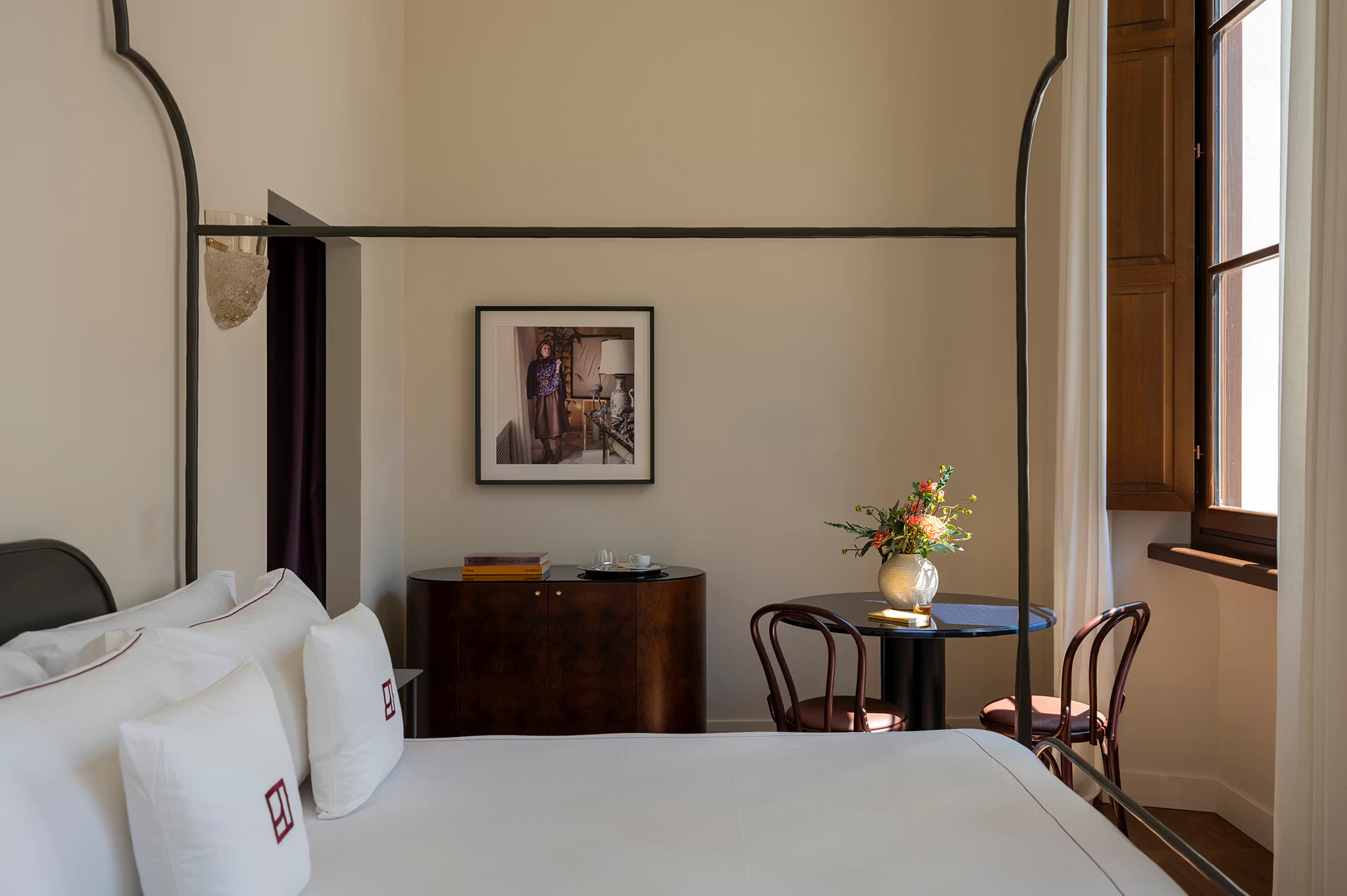
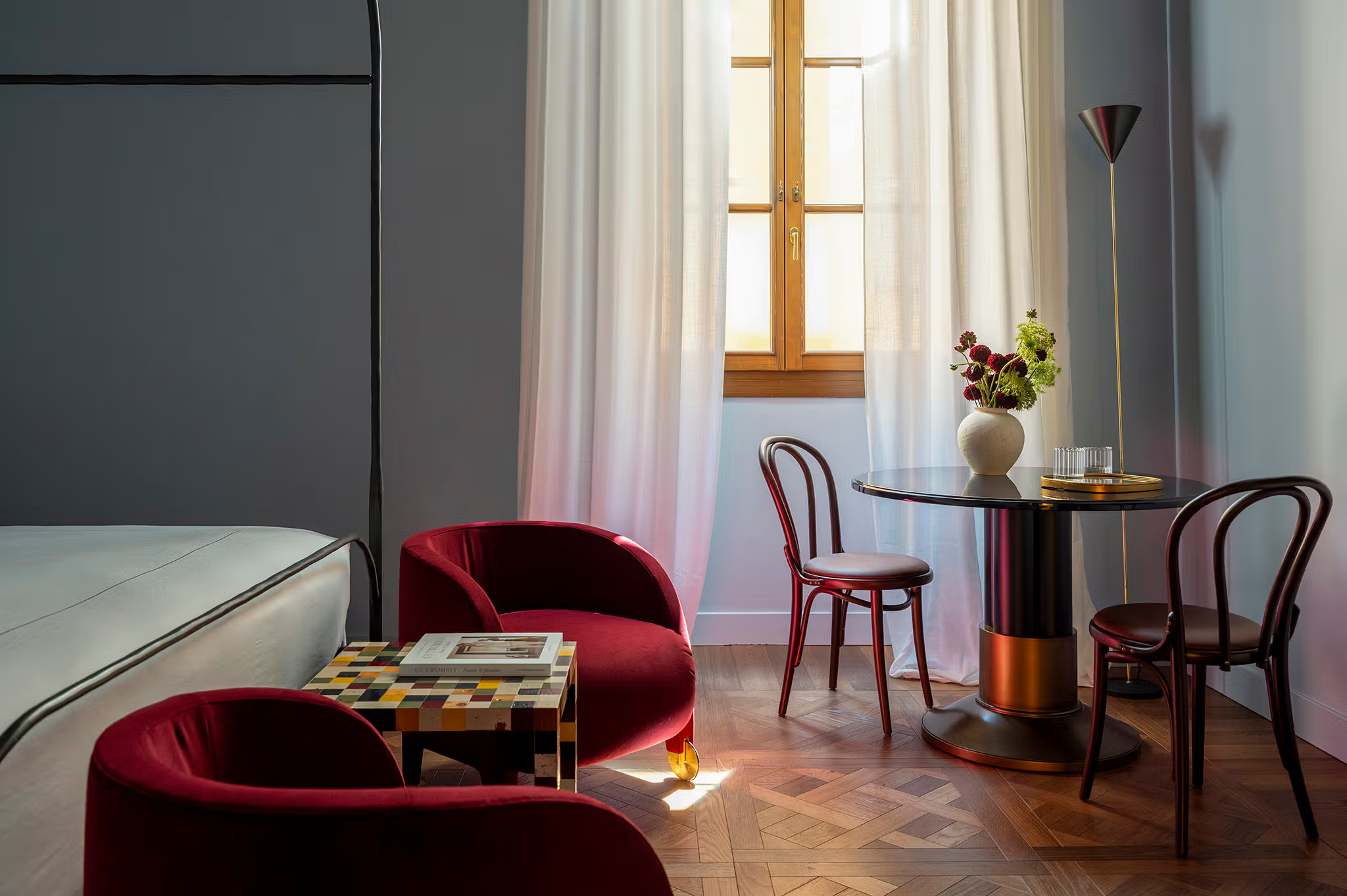
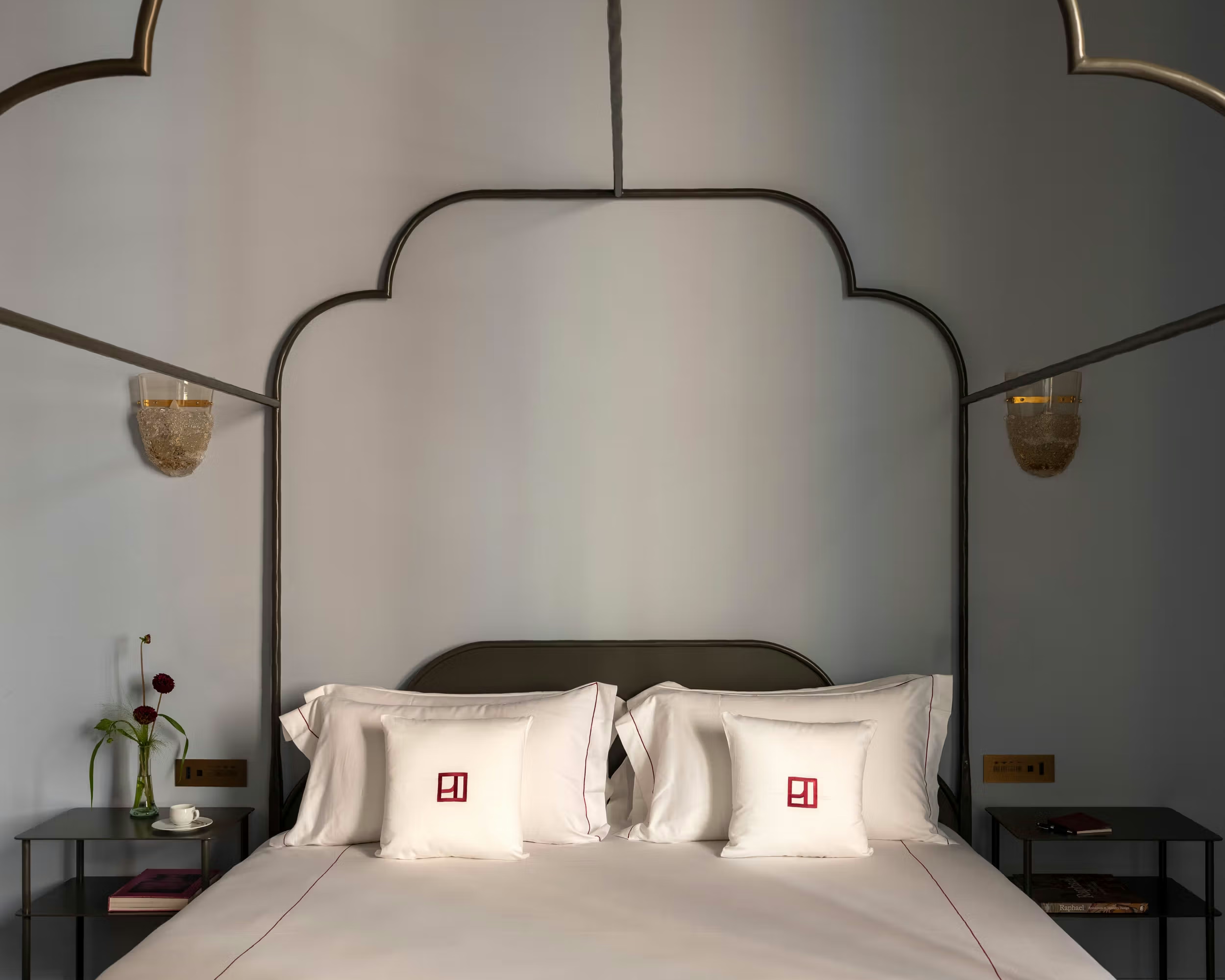
Overlooking the historic inner courtyard, these rooms have queen-size double four-poster beds and custom-designed furniture.
Superior


Deluxe
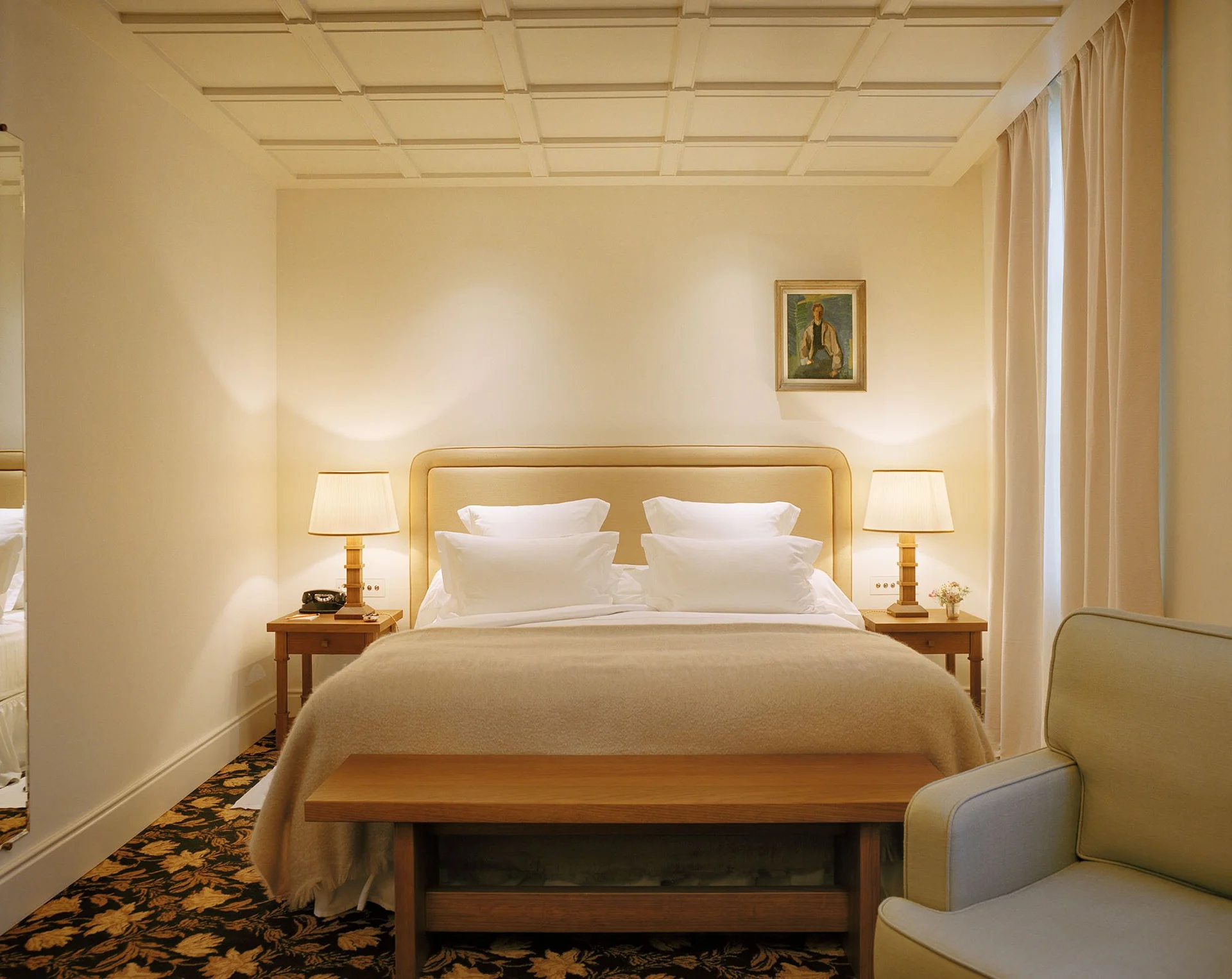
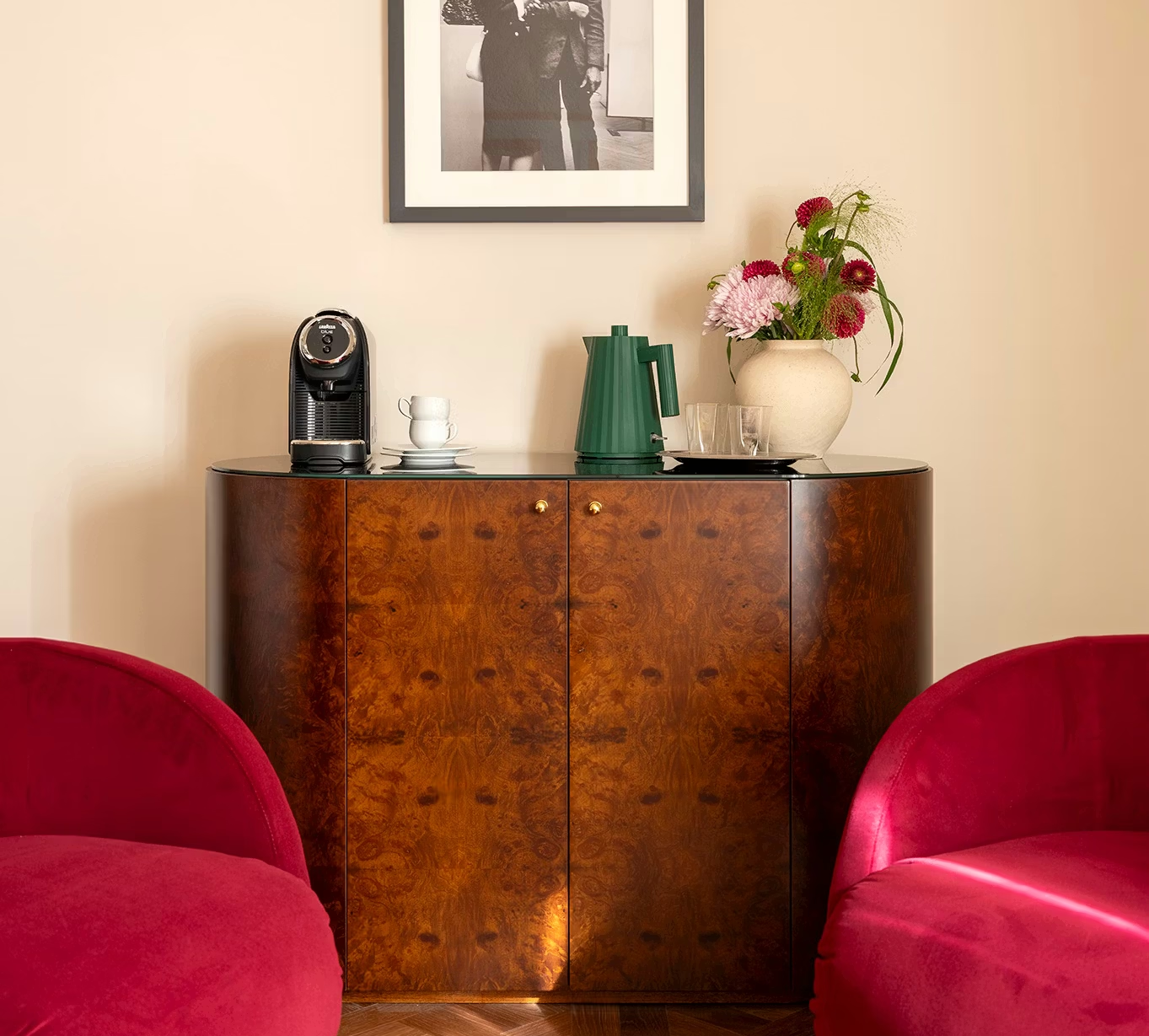
The furnishings are custom-made with four-poster beds, fabric headboards or tapestries. The beds are queen- or king-size, with twin beds available upon request. 1 Deluxe room can be connected with Superior or Deluxe room. All rooms have Largo del Nazareno views.
Deluxe
.avif)
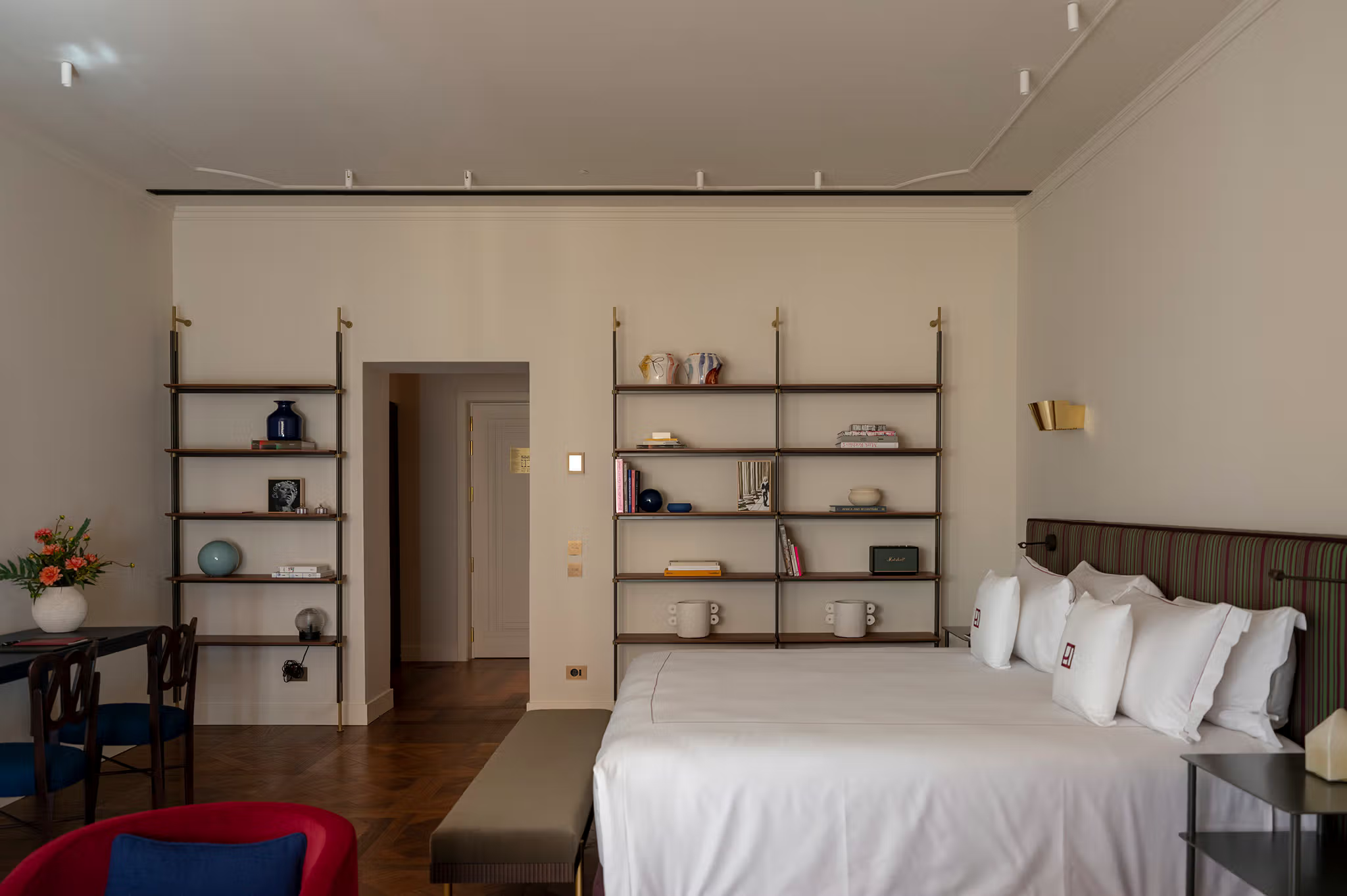
Junior Suite
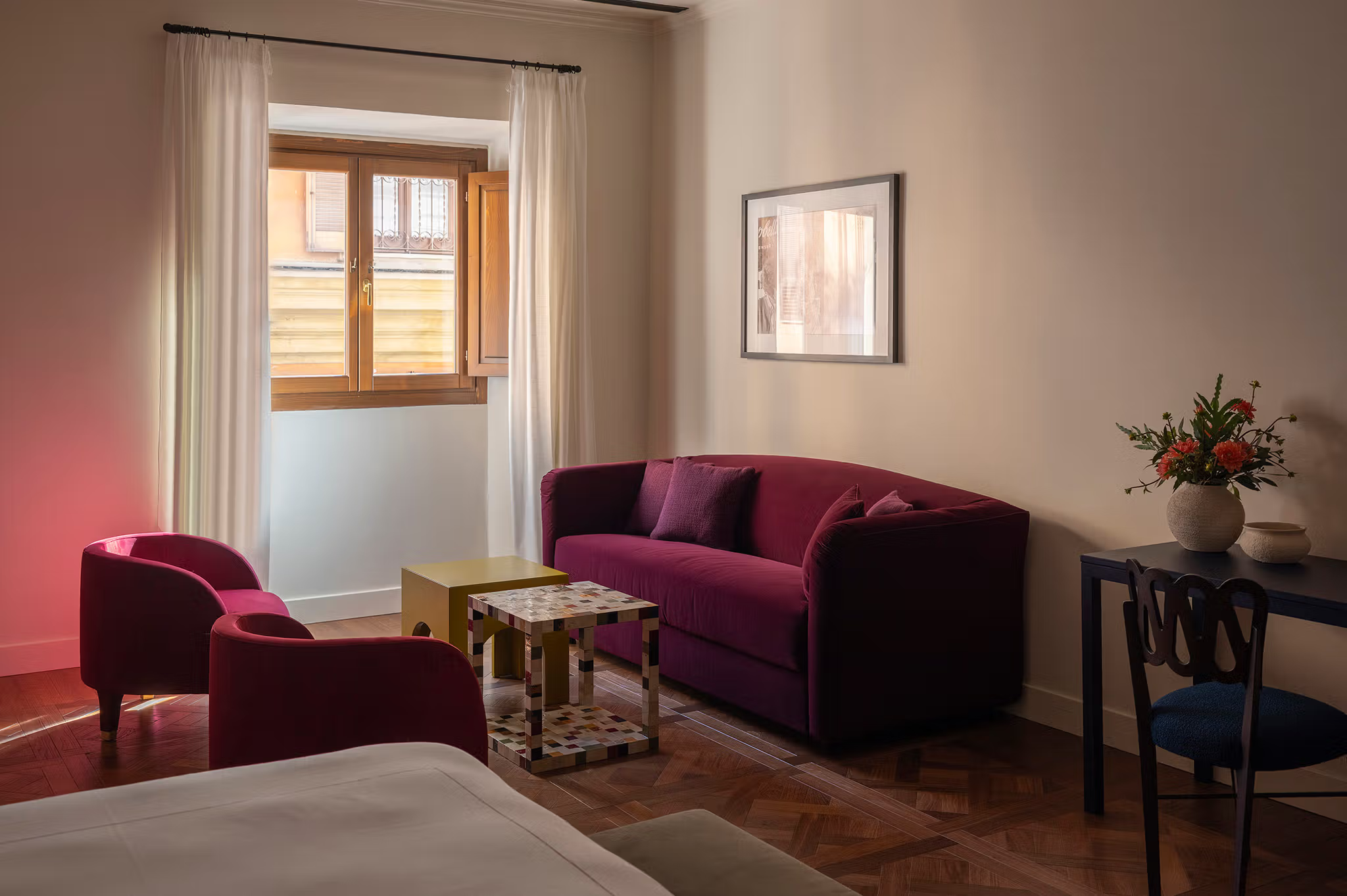
These suites feature a custom-designed living area and a king-size four-poster or fabric-headboard bed. Connecting rooms are available on request. Views overlook the quiet inner courtyard or the historic Via del Nazareno.
Junior Suite
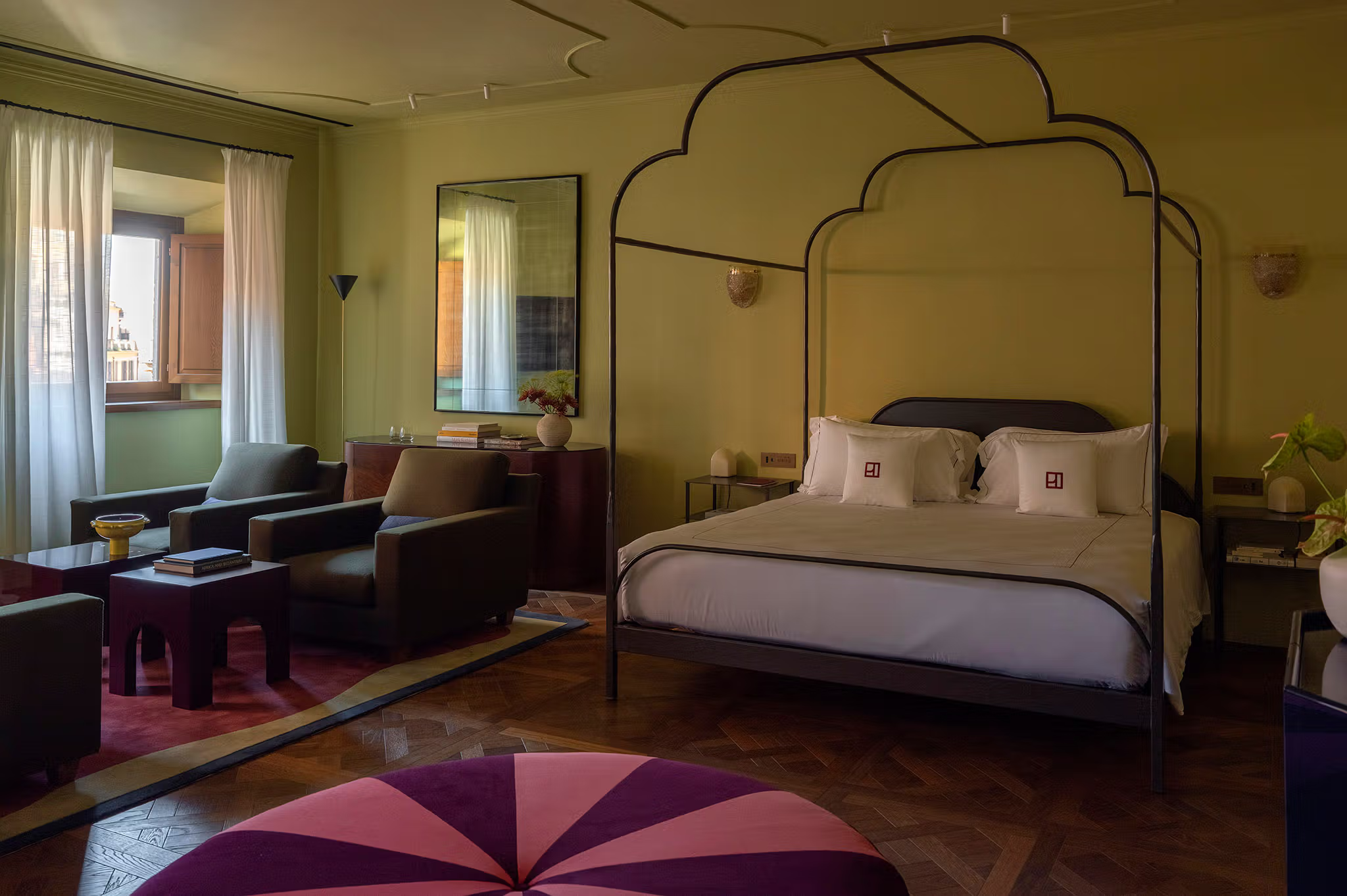
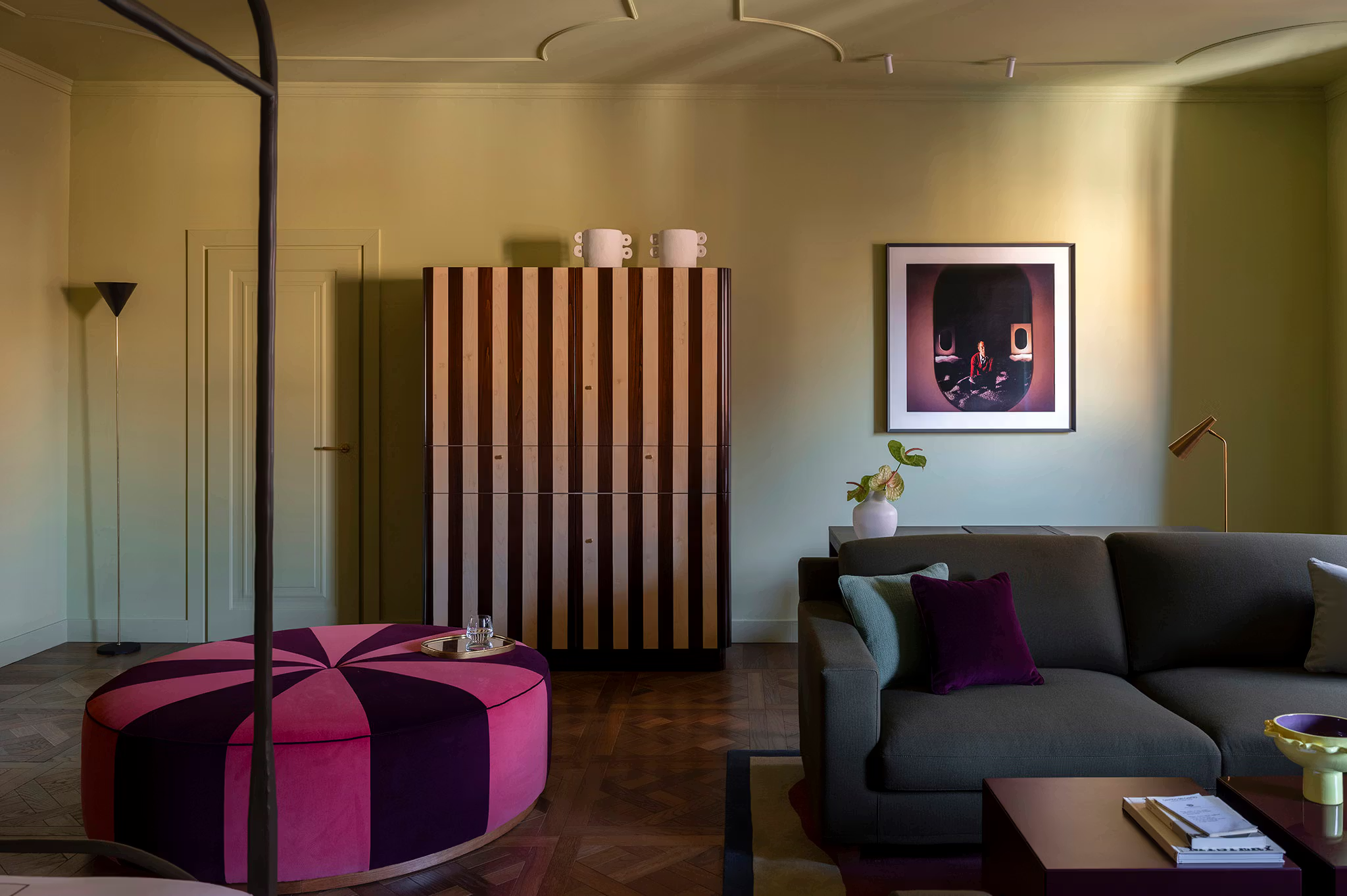
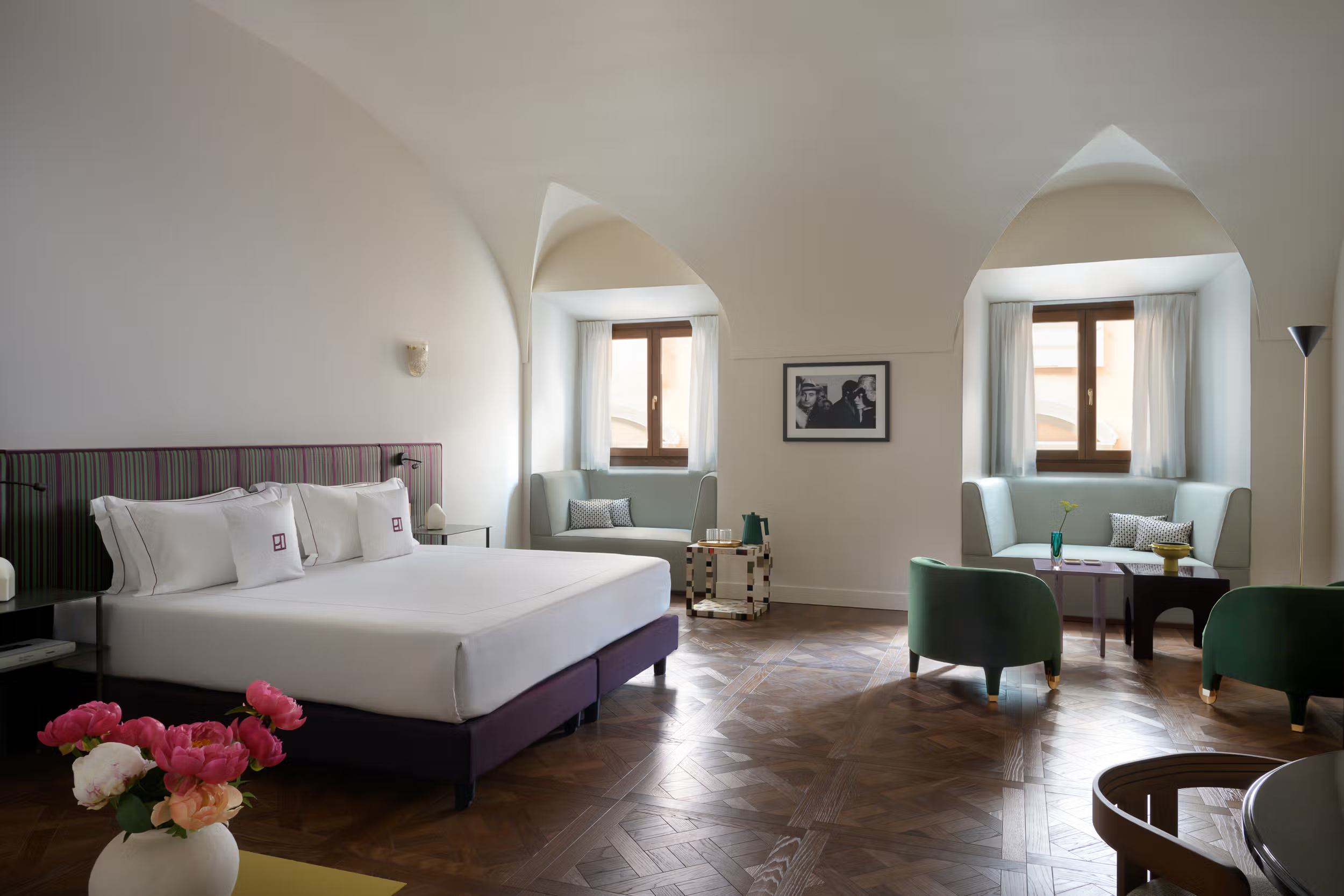
Grand Junior Suite
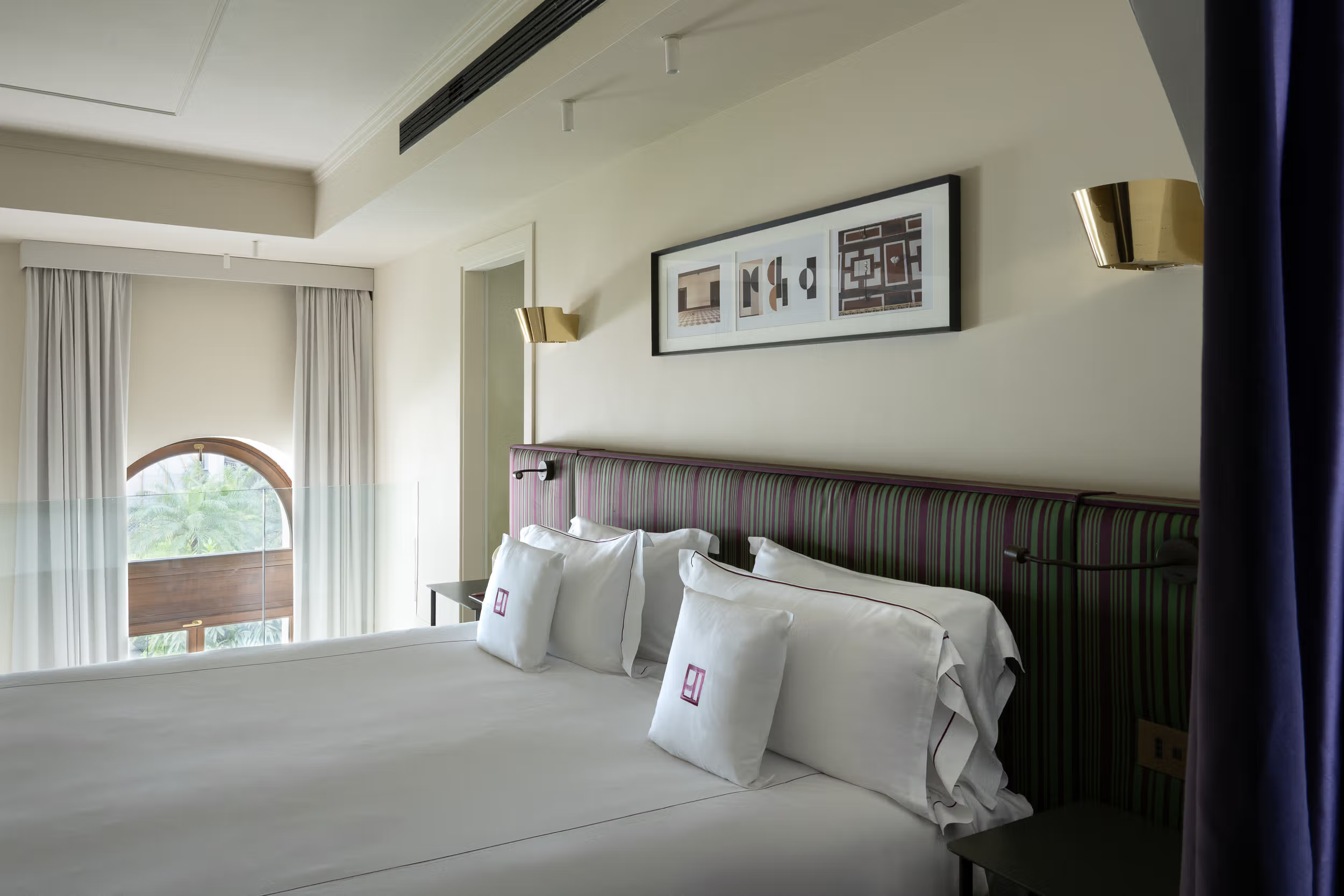
Spacious and rich in detail, these open-plan suites combine four-poster or fabric-headboard beds with custom-designed furnishings. All beds are king size, twin on request. Connecting rooms are available on request. The suites overlook the historic Via del Nazareno.
Grand Junior Suite
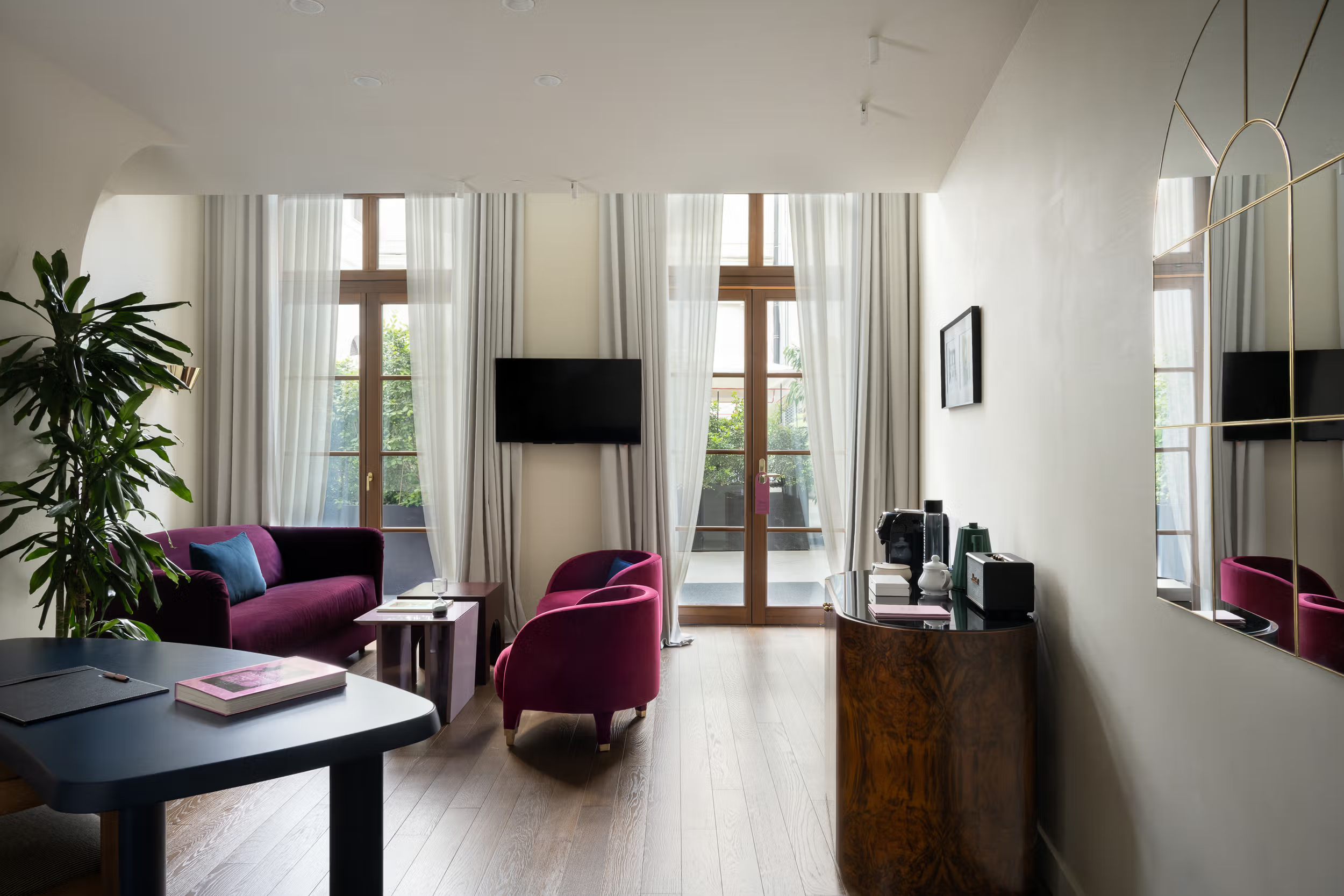
Patio Suite
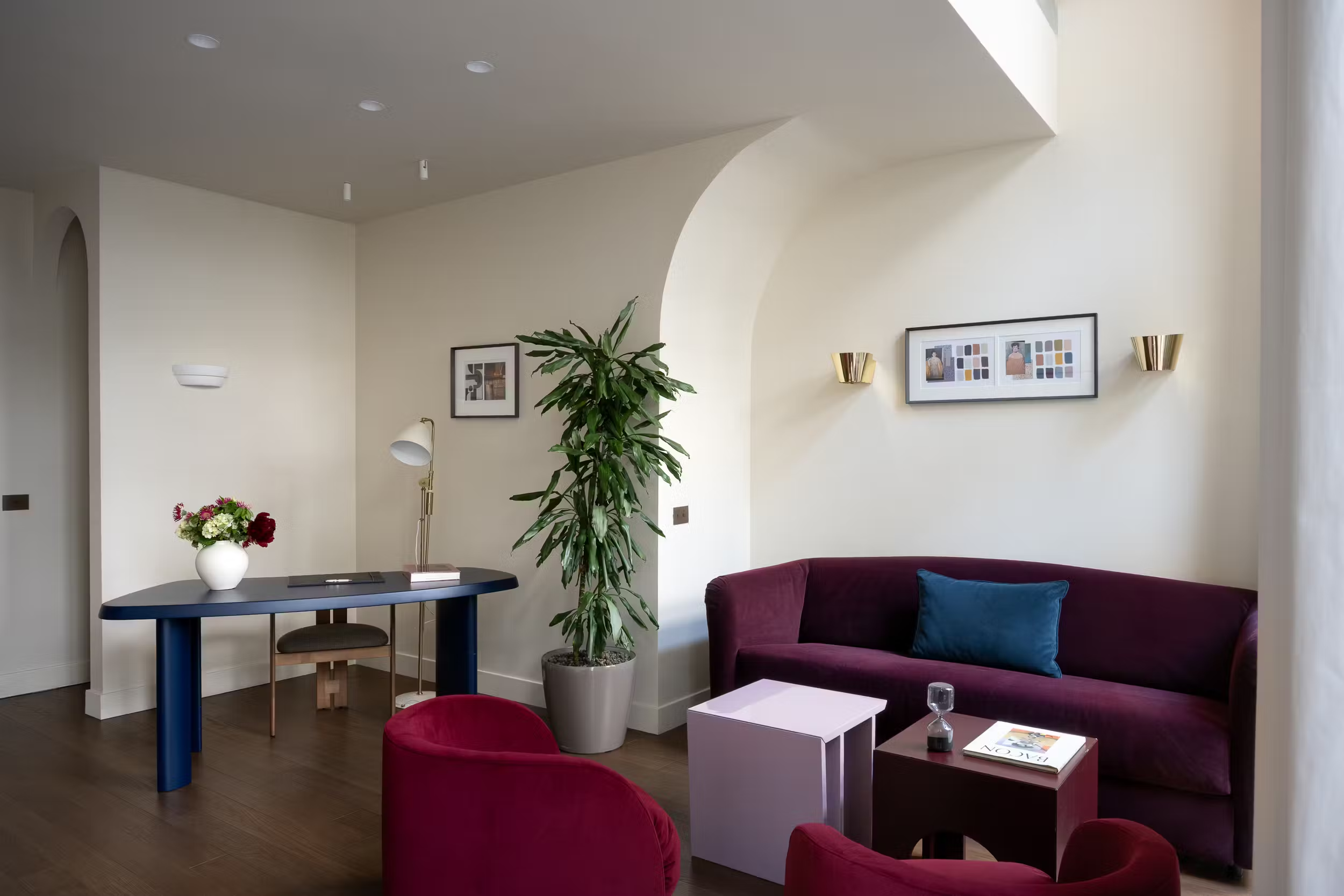
With direct access from the inner courtyard, each of these suites is set over two floors: a living room with sofa bed and bathroom on entry, and a private bedroom with a second bathroom above — ideal for families, or for hosting guests without giving up the privacy of the bedroom.
Patio Suite
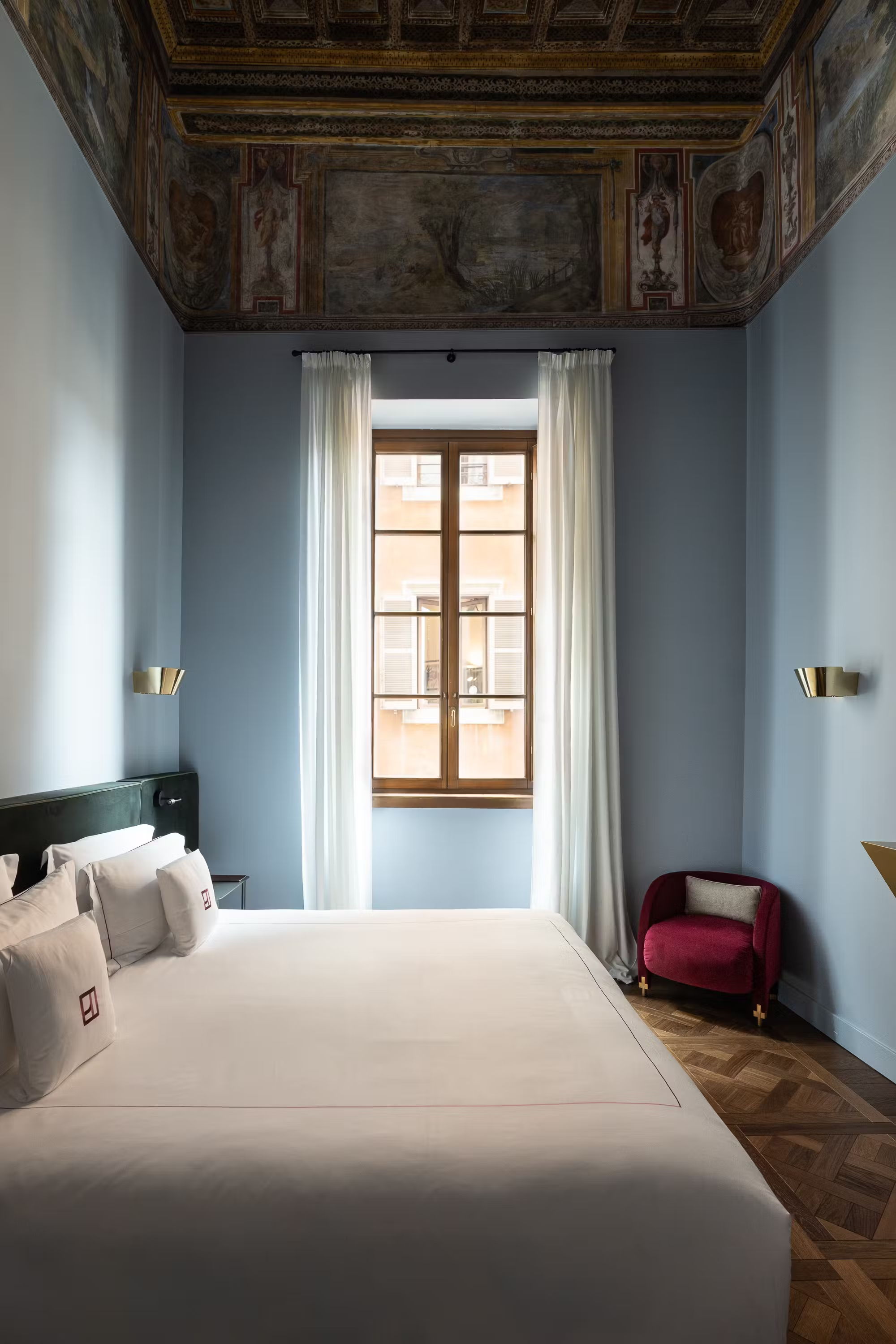
Suite
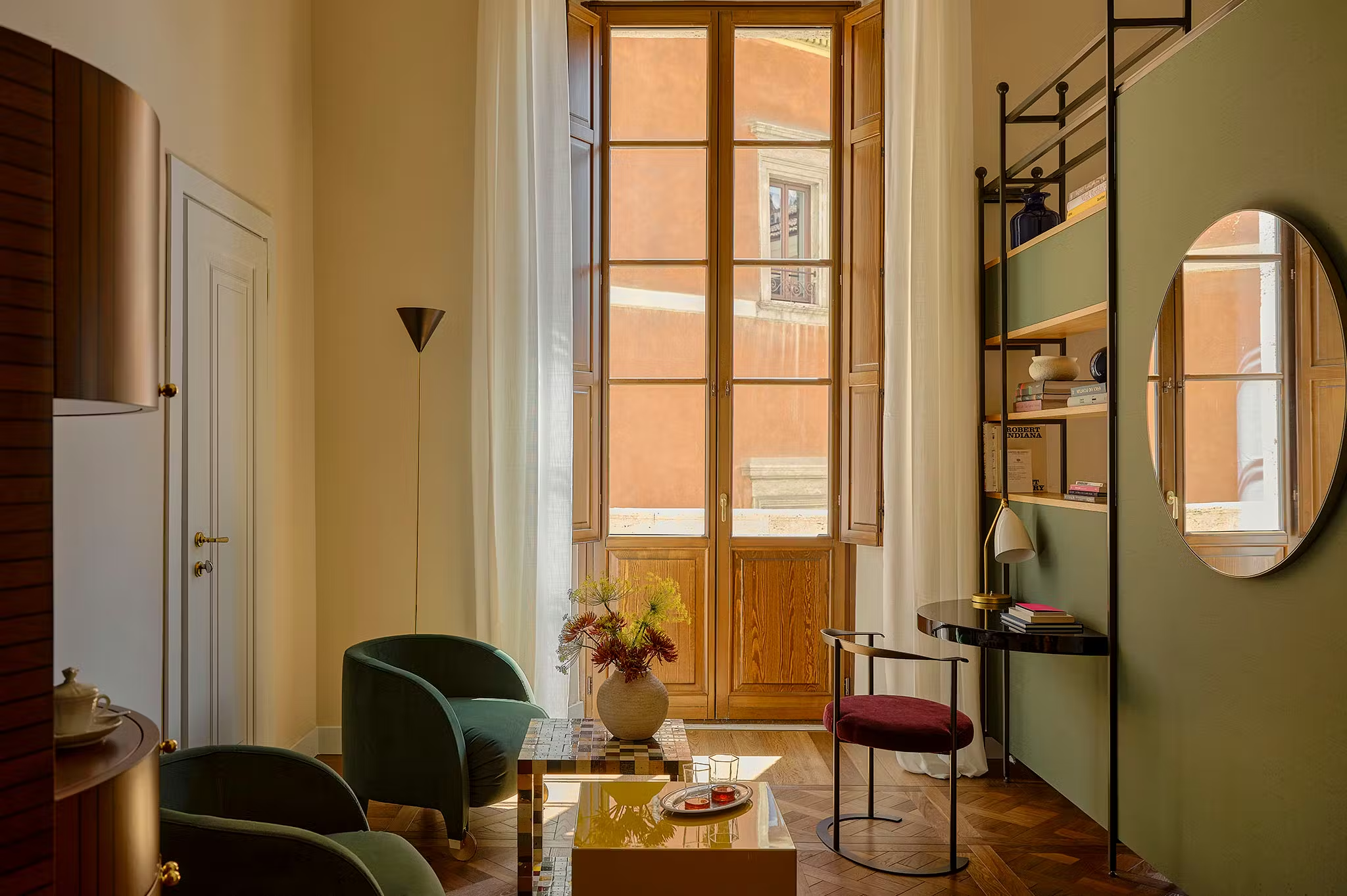
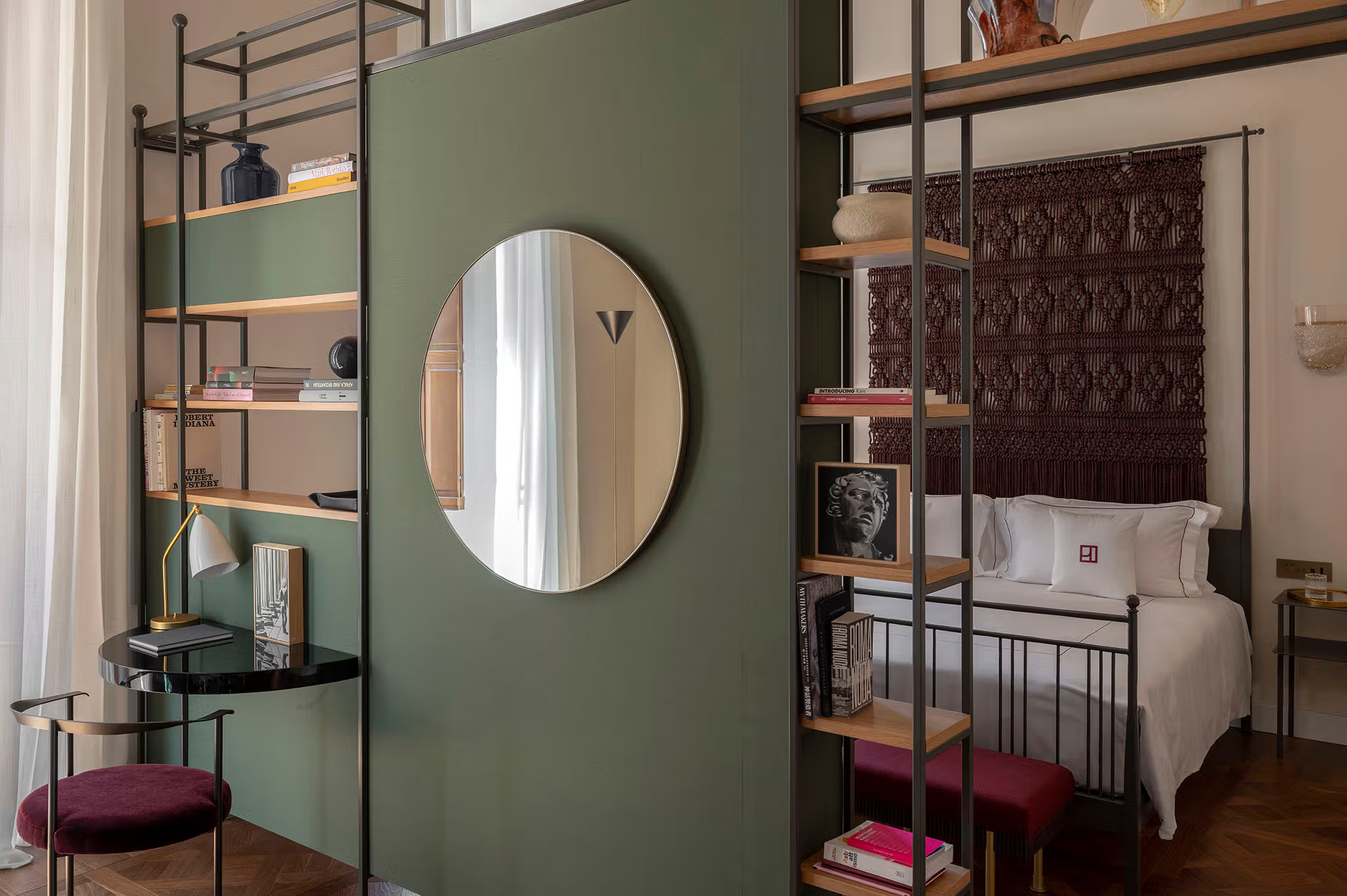
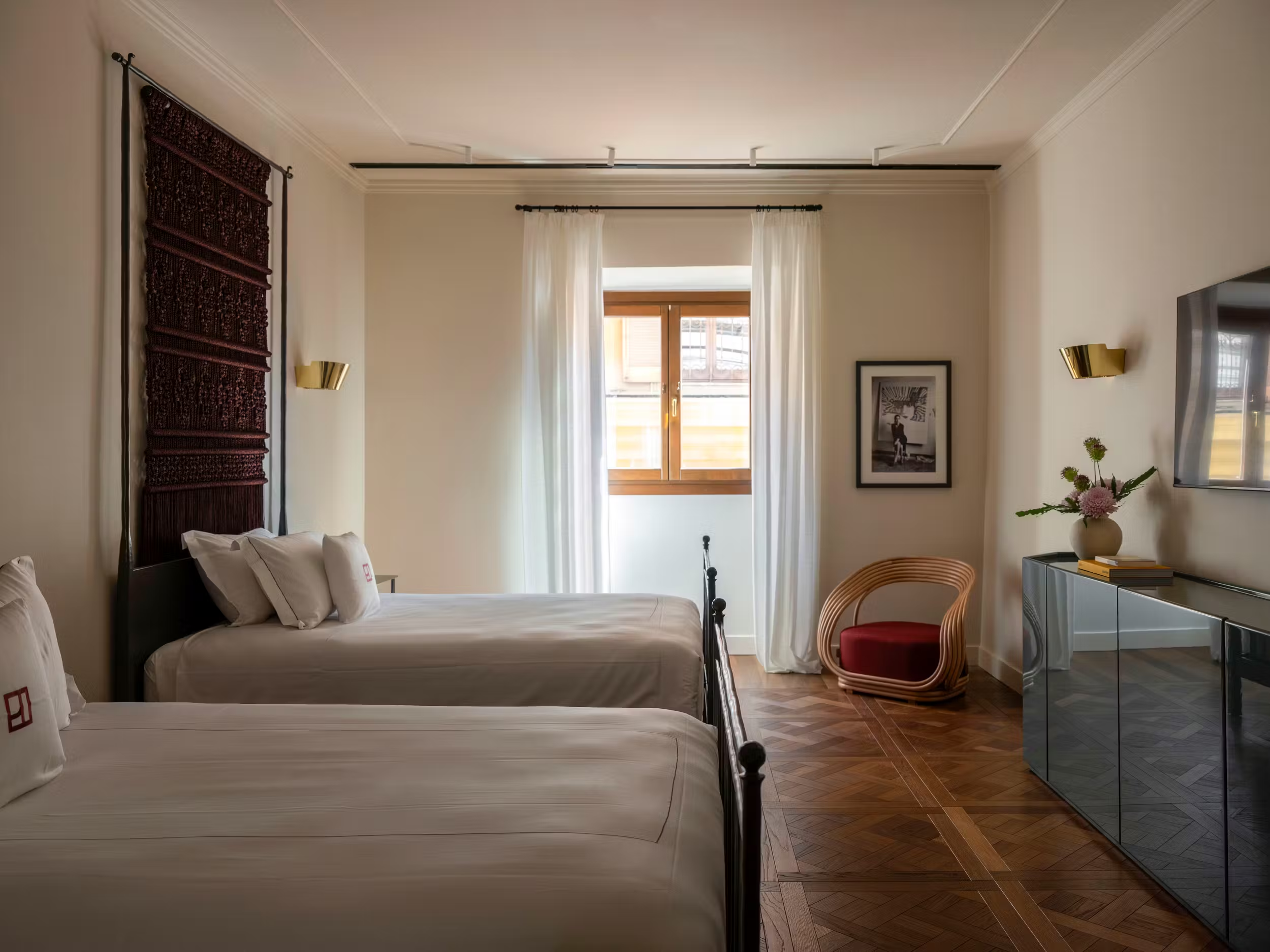
Overlooking Via del Nazareno, the suites feature four-poster or fabric-headboard king-size beds, with twin beds on request. Connecting rooms are available on request. Each suite has its own personality, with unique colours, materials and custom-designed furnishings.
Suite
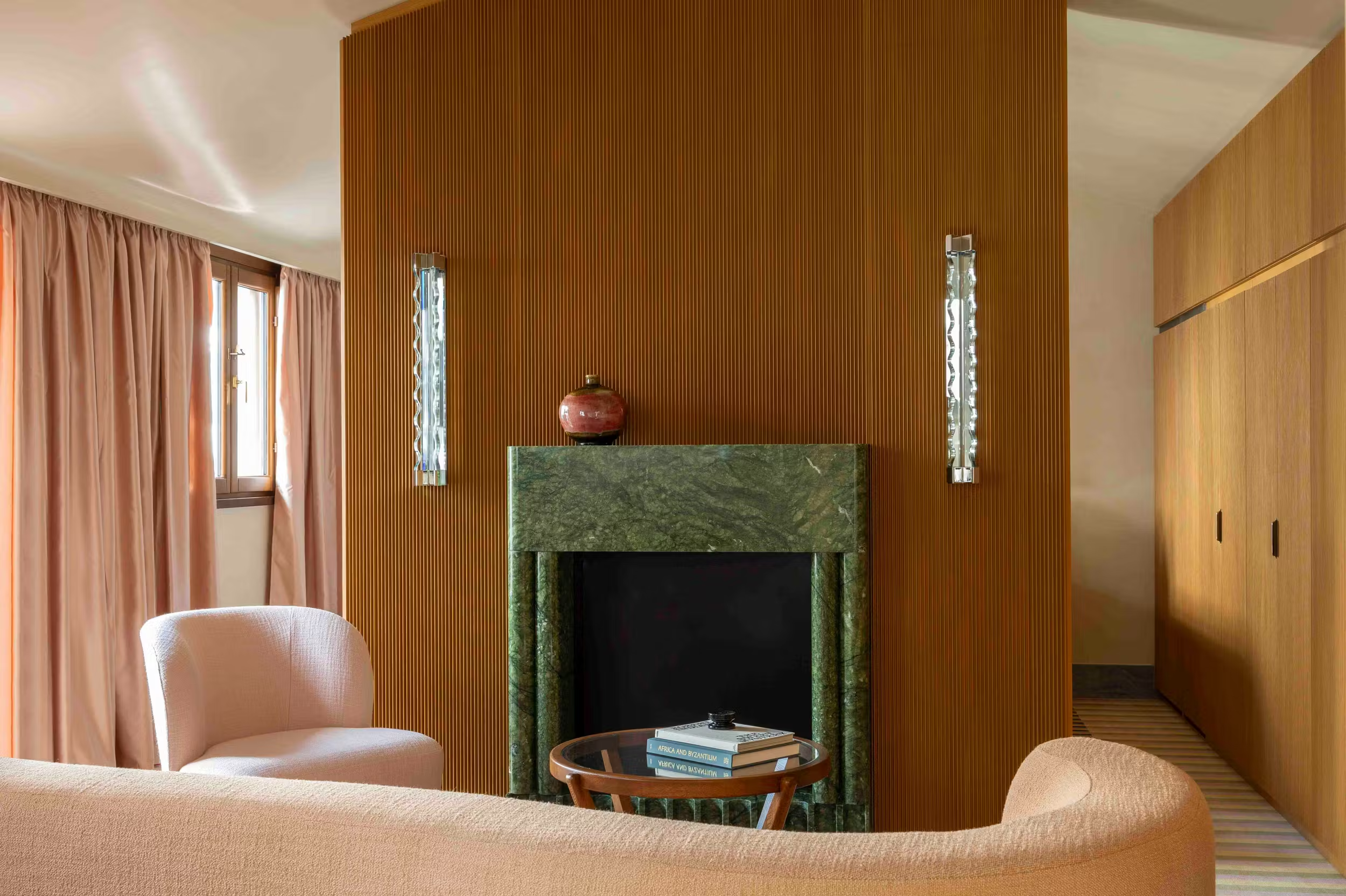
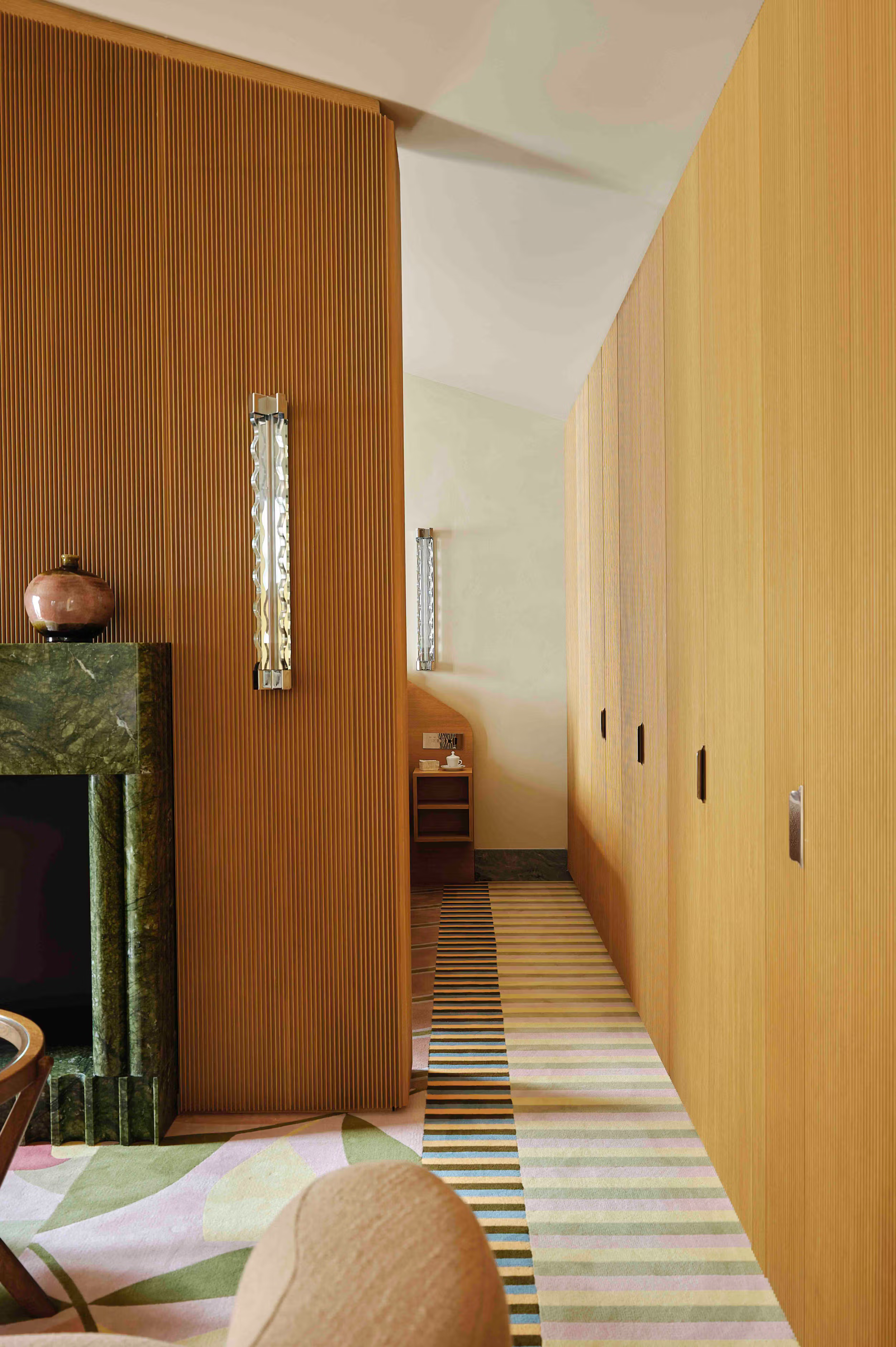
Terrace Suite
A one-of-a-kind suite designed by Studio Luca Guadagnino exclusively for Palazzo Talìa. It includes a living room with fireplace, a king-size bed and a 66-square-metre plant-filled terrace with pergola, overlooking the historic inner courtyard and the monumental complex of Sant’Andrea delle Fratte.
Terrace Suite

Talia Suite
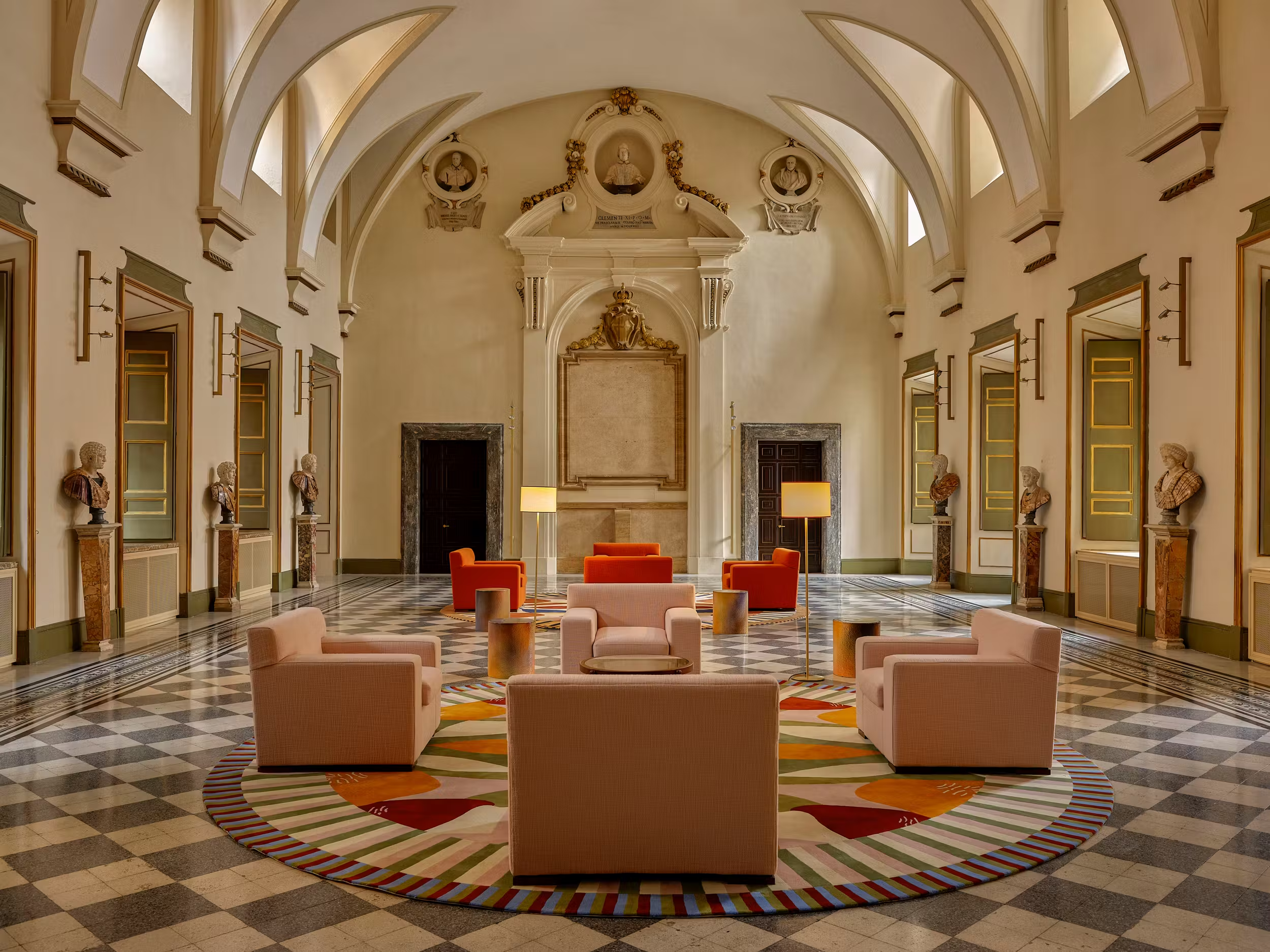
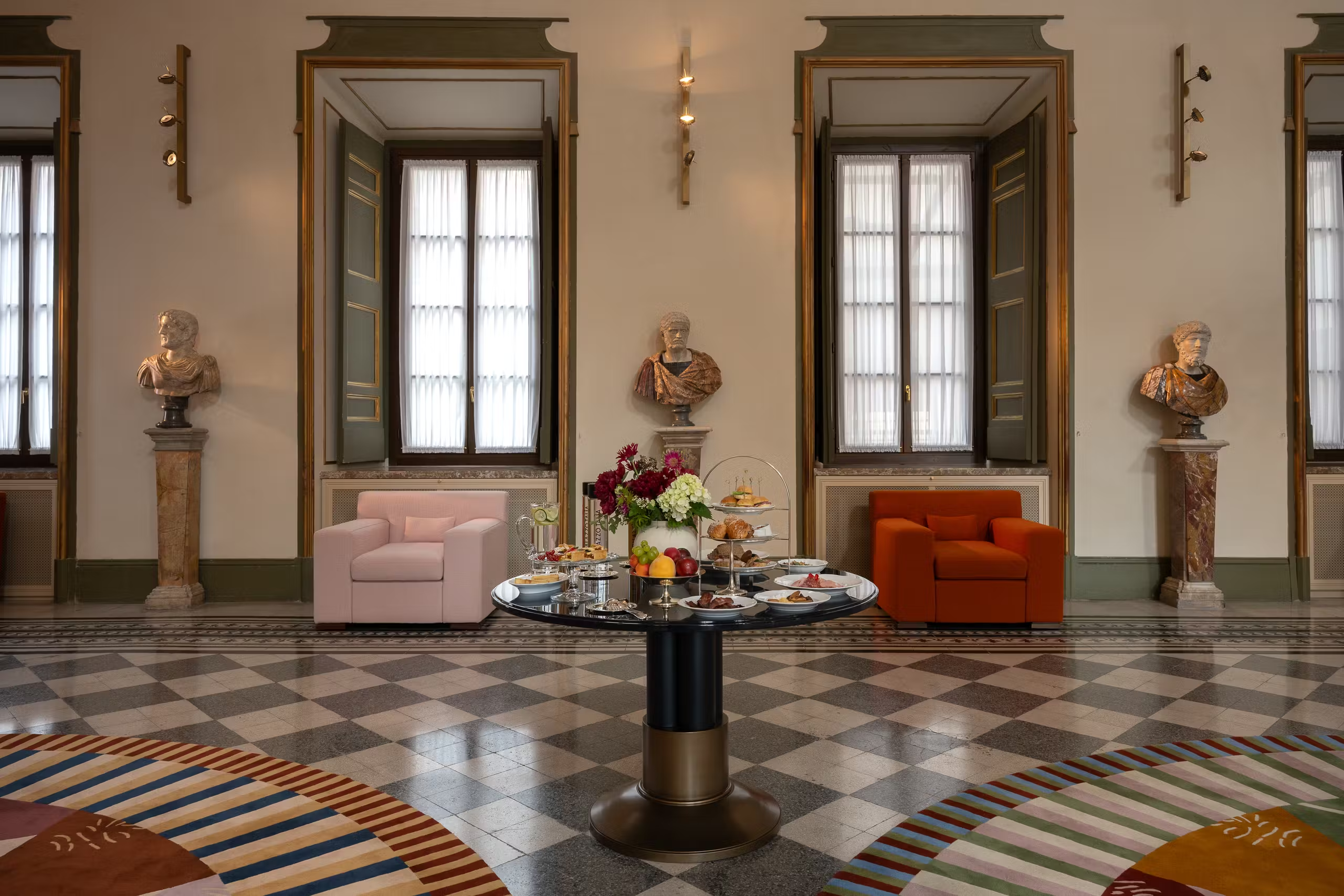
The palazzo’s most spectacular accommodation: an expansive 250-square-metre space spanning a Junior Suite and a Grand Junior Suite, joined by the scenic Aula Magna with its 11-metre ceilings, frescoes, ancient marbles and wooden choir. It can be connected with a third room, a Deluxe, to accommodate up to six adults and two children.
Talia Suite
Why book with us

Best Price Guarantee

Full Access to Content Library

Personalized Itinerary

A Gift with Every Booking

24/7 Support
Amenities
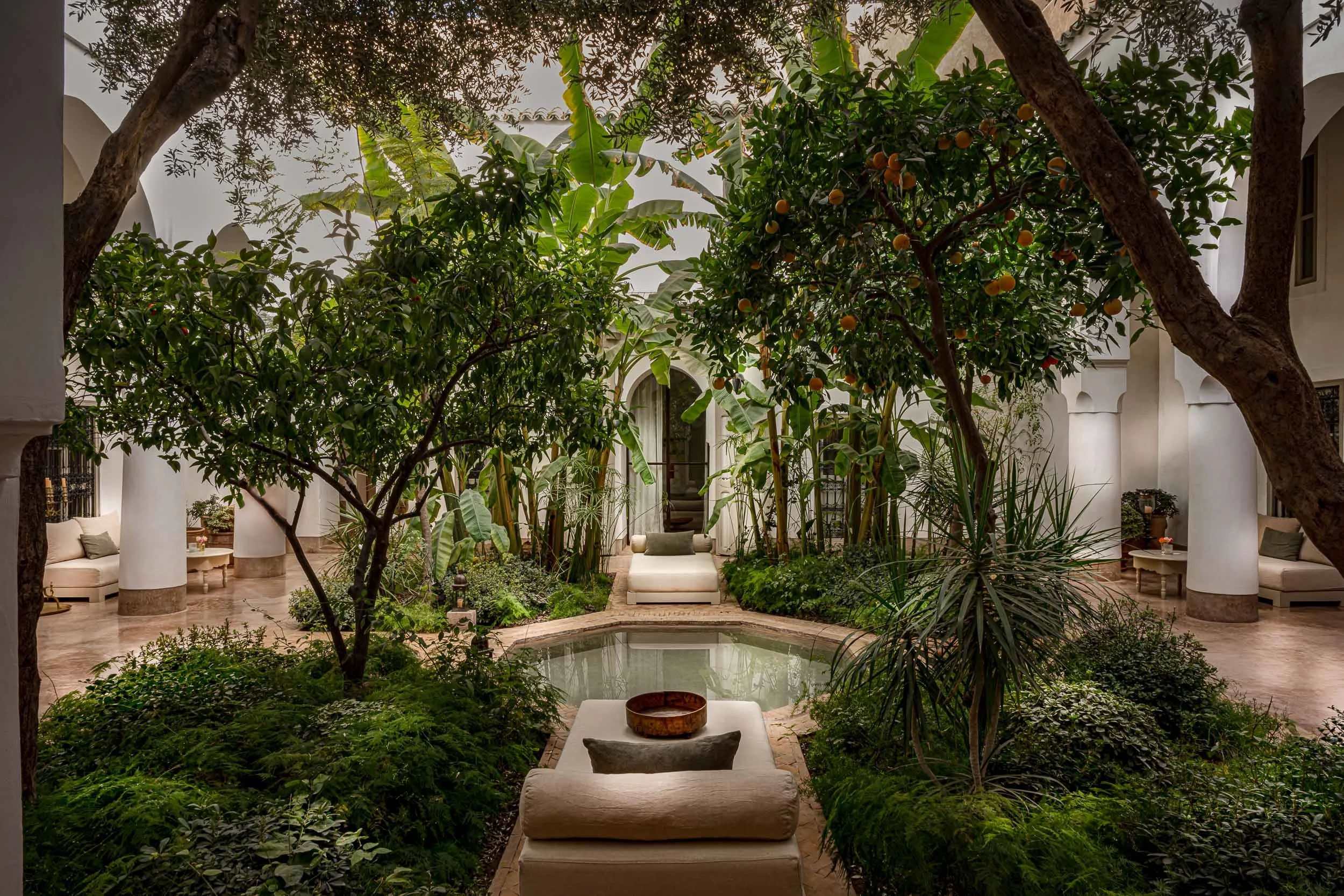
An indoor pool, sauna, hammam and gym beneath the frescoes, a courtyard garden, and Tramae and Il Bar della Musa on the ground floor.
Photography © Giulio Ghirardi
ROME | MAY 2026
Luca Guadagnino’s Cinematic Palazzo, Steps from the Trevi Fountain
To open a hotel in the heart of Rome is to accept that one is working on top of two thousand years of layered history. Palazzo Talìa, which debuted in 2024 on Largo del Nazareno — a concealed square five minutes’ walk from the Trevi Fountain — does so with unusual ease, occupying a 16th-century palazzo that once housed the Collegio Nazareno, a centuries-old school whose students included Alessandro Manzoni and Antonio Gramsci. Restoration began in 2021; the transformation into a twenty-five-room hotel took three years.
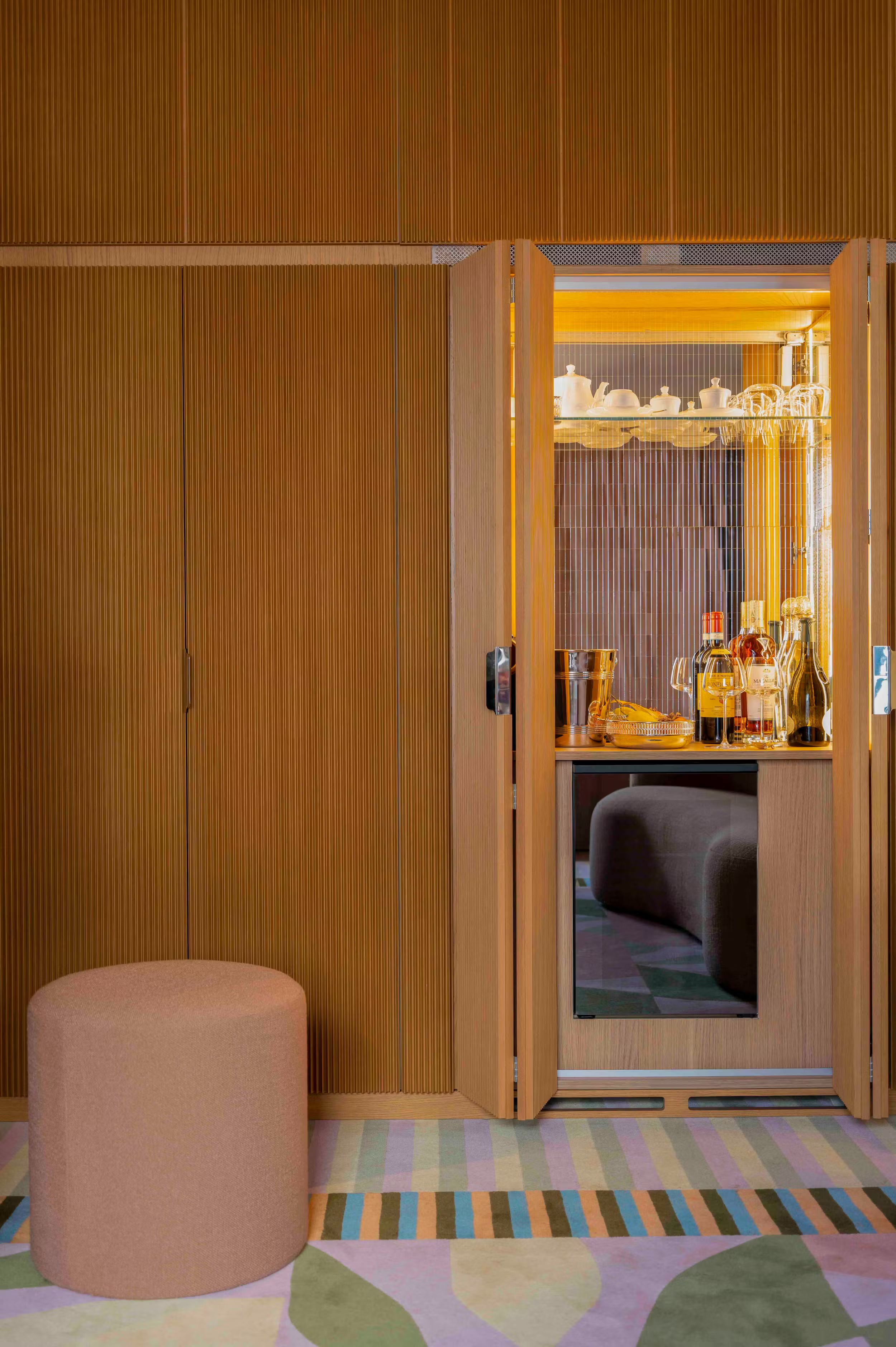
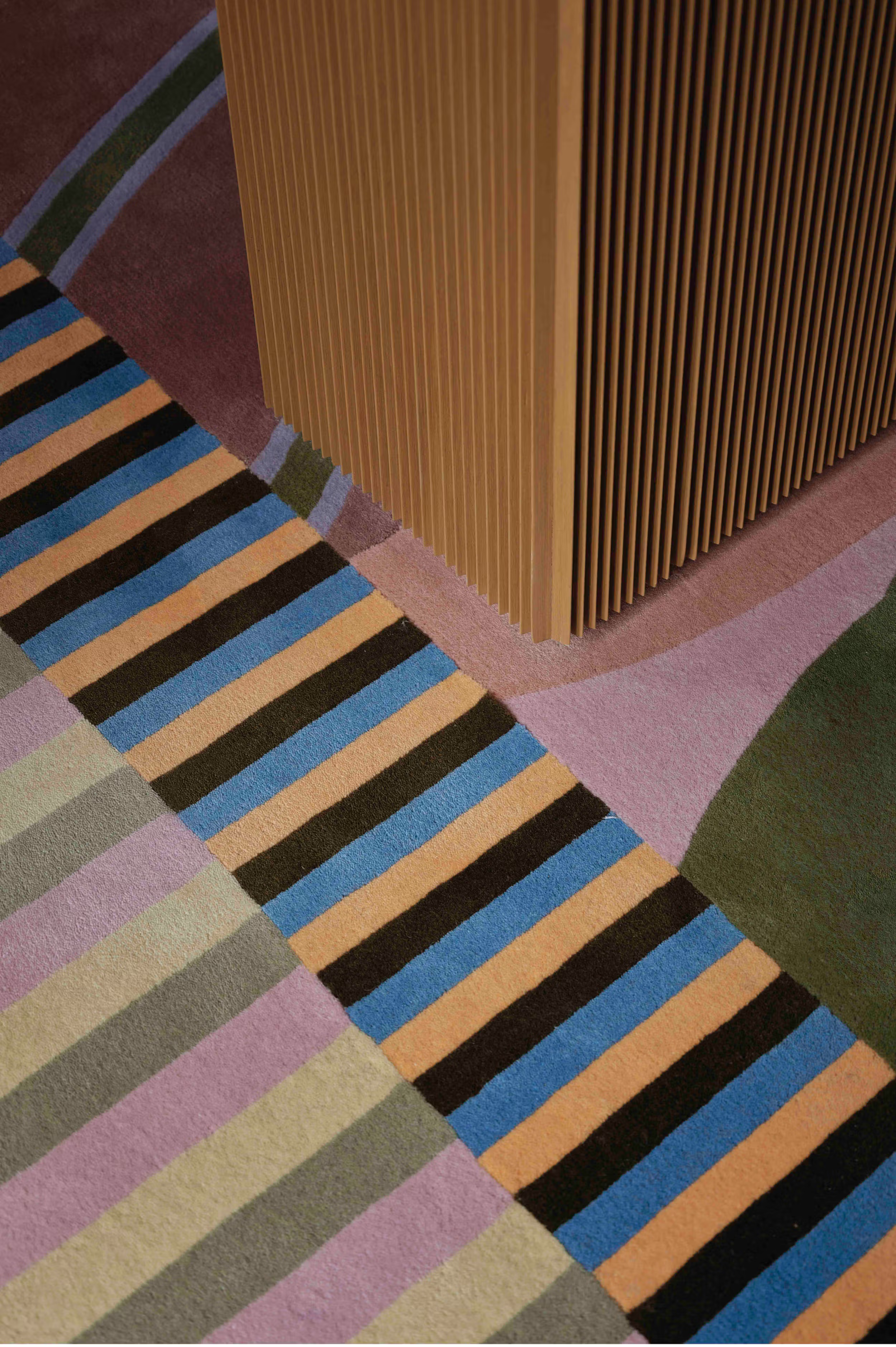
The hotel’s most unexpected voice is that of its interior designer. Studiolucaguadagnino, the design practice led by the filmmaker Luca Guadagnino — better known for Call Me By Your Name and Challengers than for hospitality — took the lead on the palazzo’s shared spaces, shaping them with the same cinematic instincts that mark his films. Expect deep chromatic fields rather than contrasts: oxblood walls giving way to burgundy, rose, and then a sage-leaning green; lighting considered as a scene rather than a layer. A signature piece — a sweeping, painterly rug by the Irish artist Nigel Peake — anchors the main salon, setting the palette for the rooms that open off it. Custom furniture, light fittings and wall coverings were produced with Italian artisans; the wellness area sets marble against a dome of pale green majolica tiles from Spain.
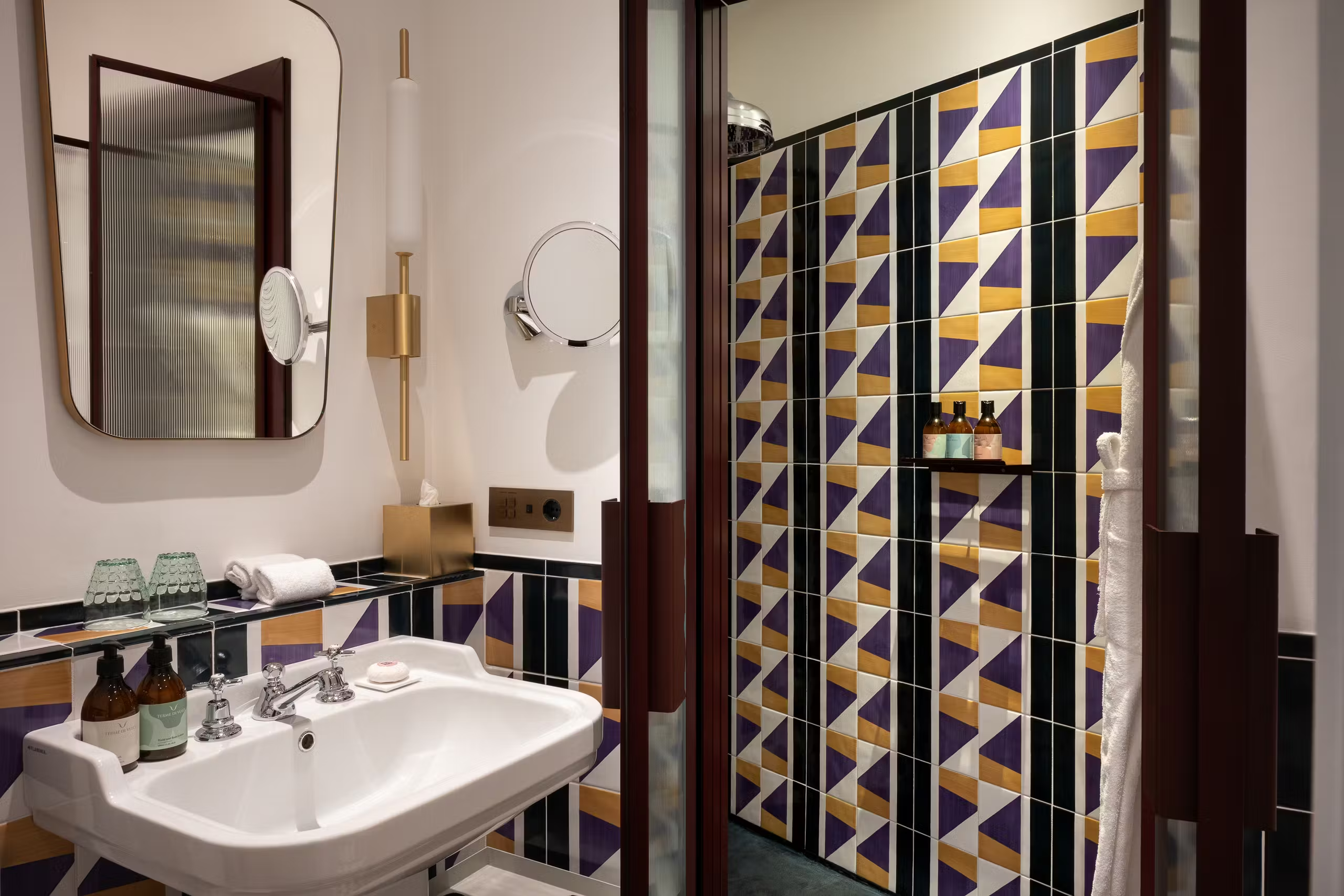
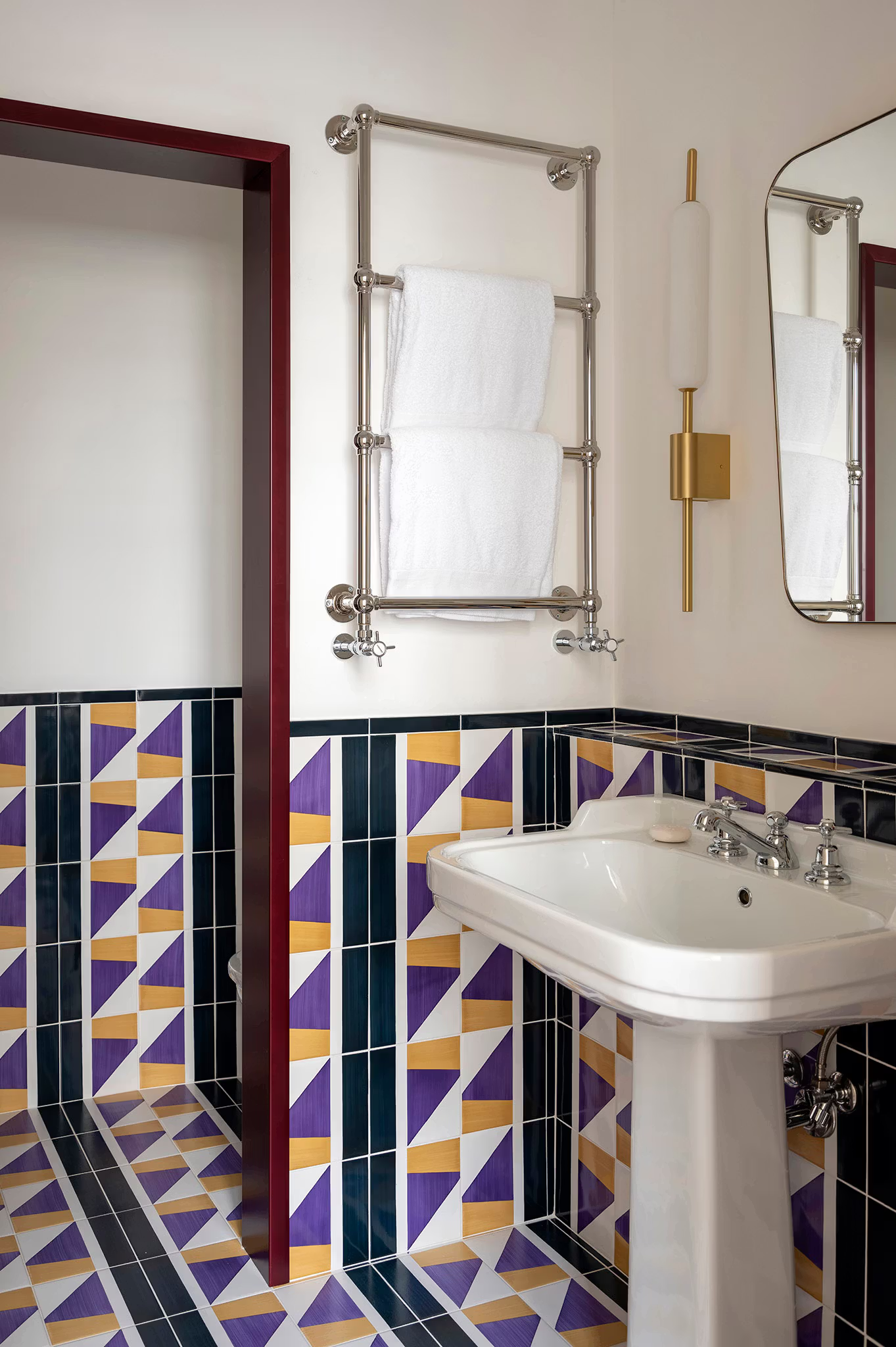
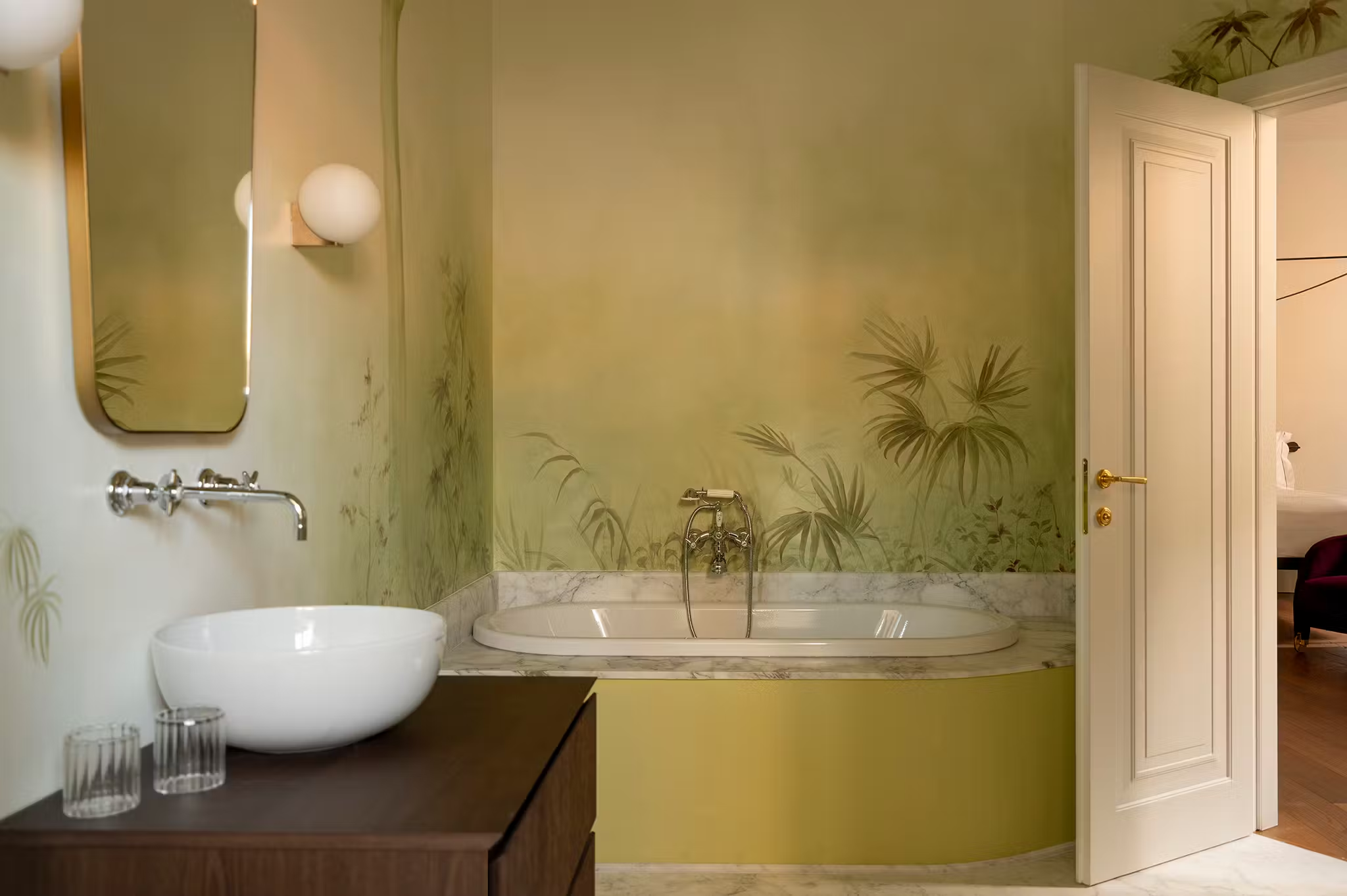
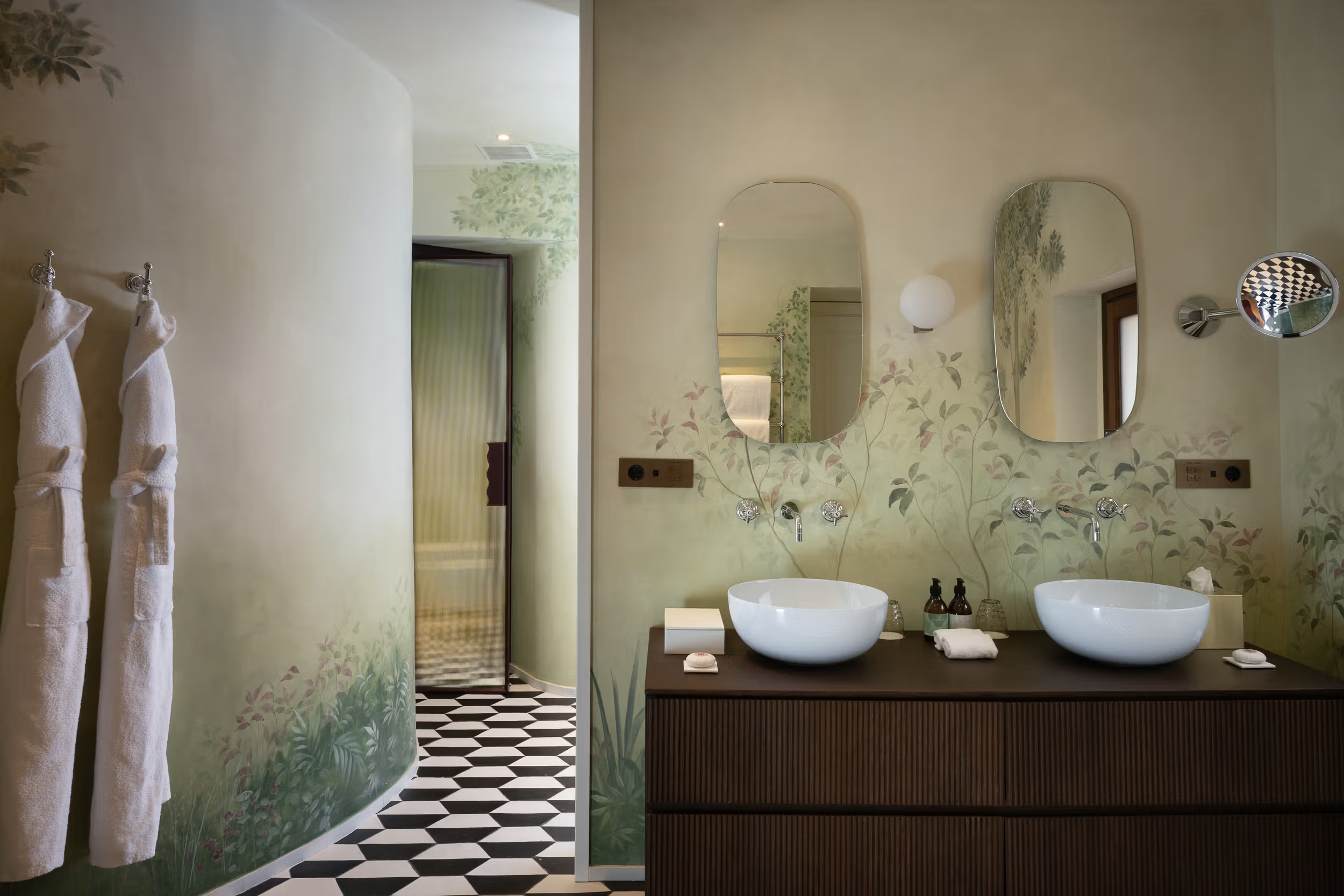
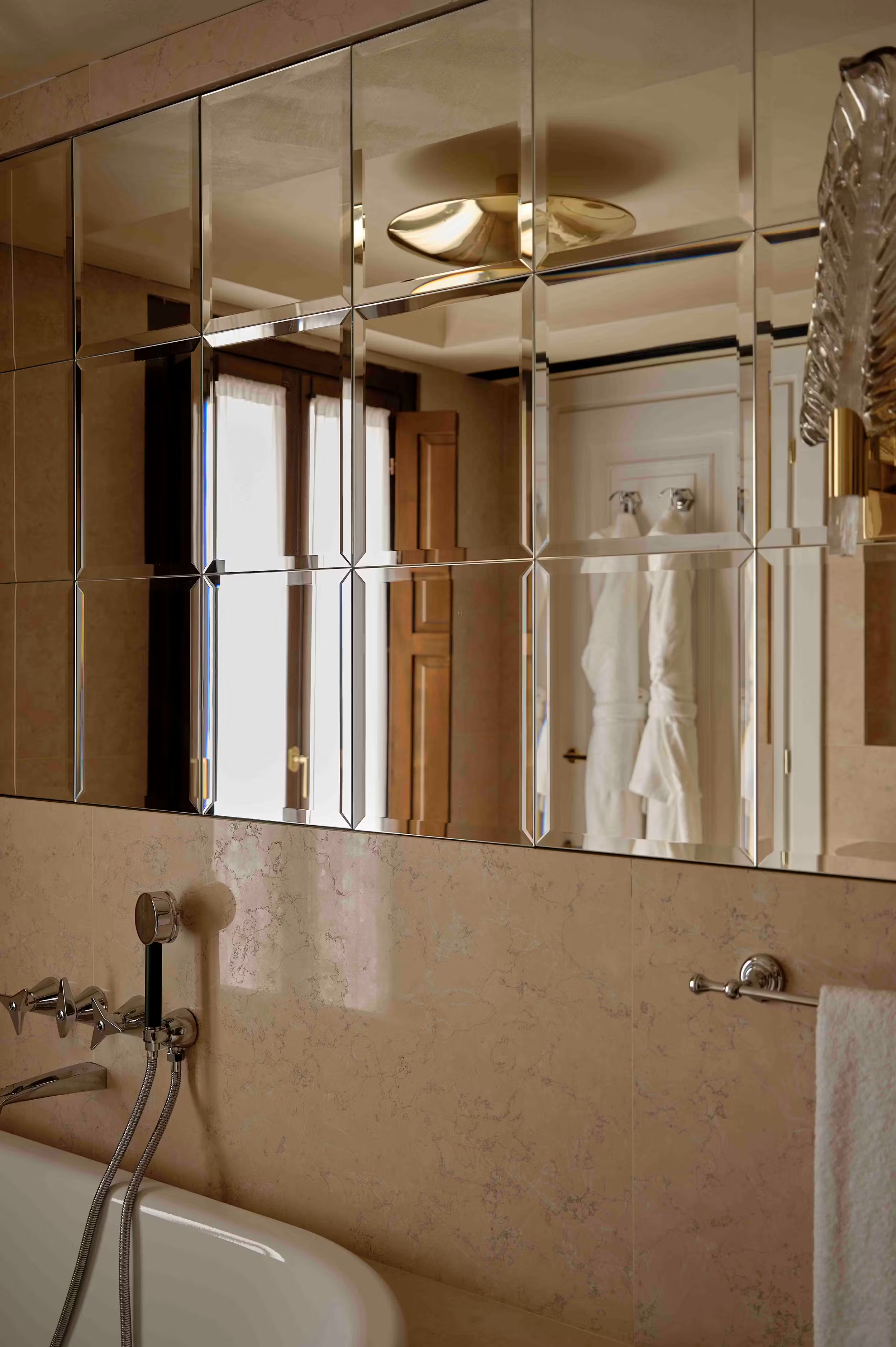
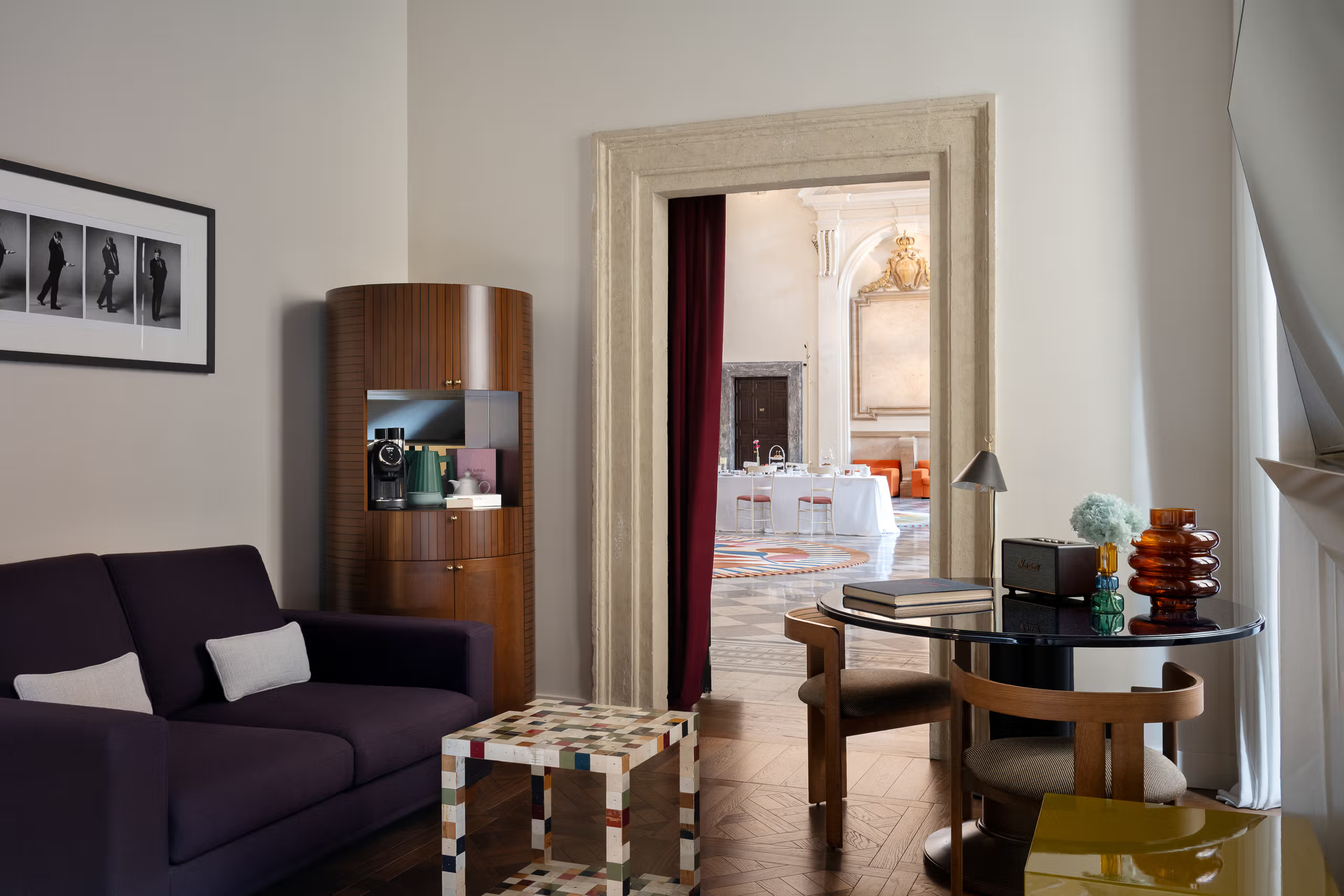
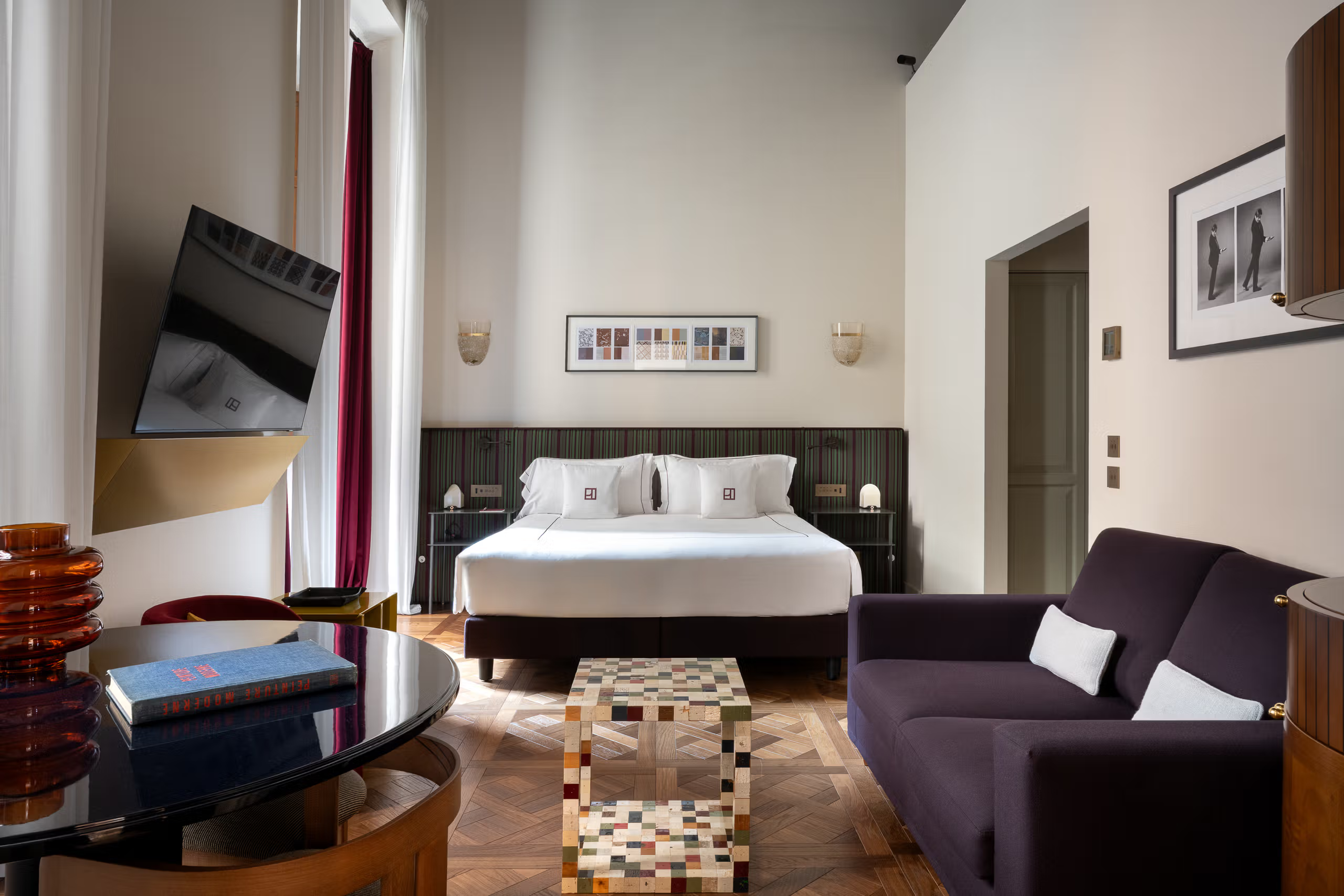
The twenty-five rooms and suites, individually designed by MIA Home Design Gallery together with Laura Feroldi Studio, preserve the palazzo’s original frescoes, coffered ceilings and stone door frames where they survive, and frame them with confident contemporary moves — velvet curtains in dusty pink or deep ivy, plush wool carpets, vintage Italian lamps, mid-century desks. Bathrooms, lined in pink-veined or green marble depending on the room, feel more like small chapels than amenities. Some suites open directly onto private loggias over the central courtyard; others look out over terracotta roofs towards the Quirinal.
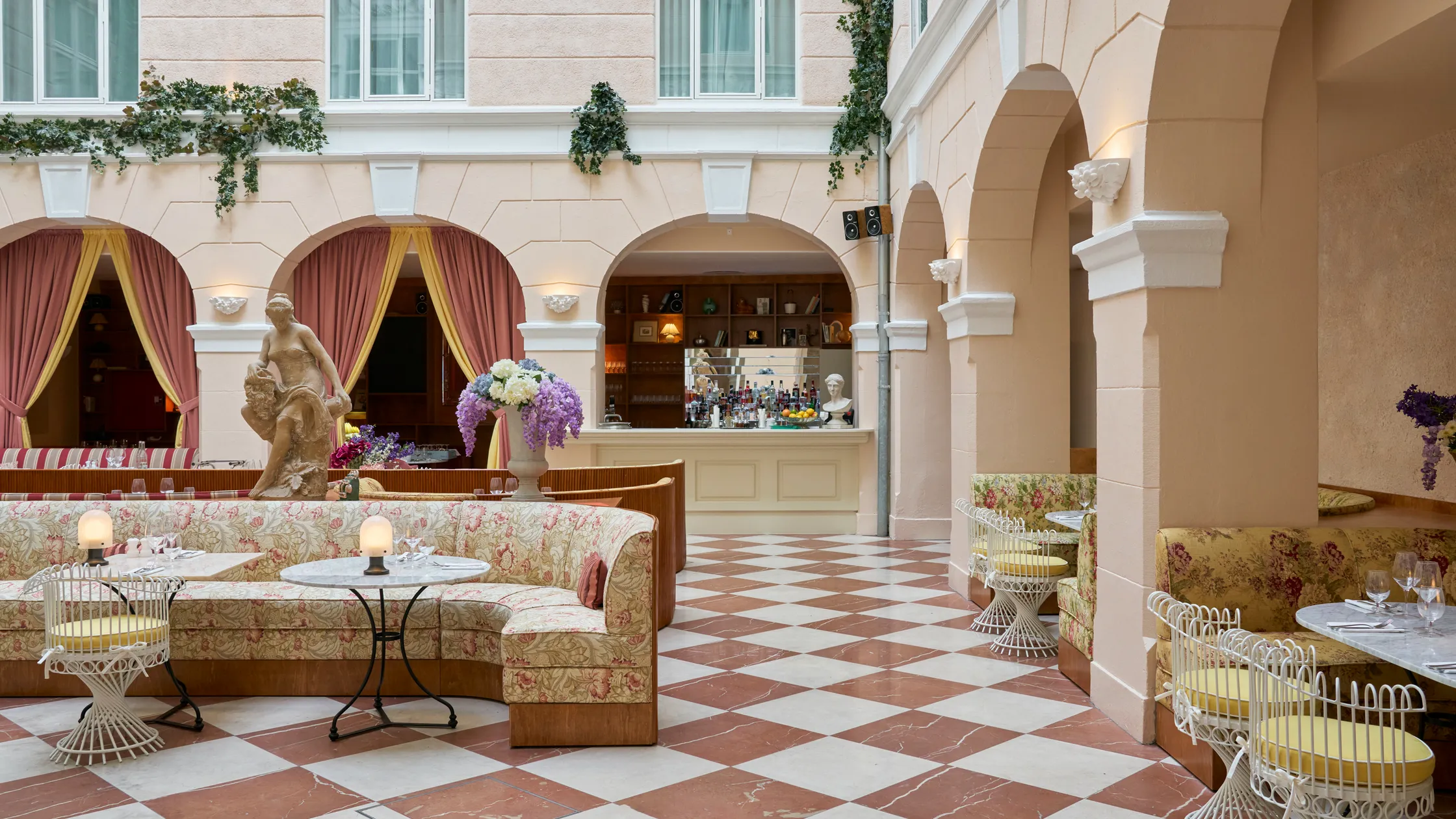
Downstairs, Tramae — chef Marco Coppola’s reimagined Roman cucina — serves cacio e pepe with unexpected twists, clean-lined crudi and bread from nearby bakers, while Il Bar della Musa pours the aperitivo; the wellness programme draws on Roman bathing traditions, with a heated pool beneath barrel vaults, a Turkish bath and marble steam rooms. The cumulative effect, almost inevitably given its creator, is cinematic: a hotel that understands framing, colour and atmosphere as inseparable from architecture. Palazzo Talìa is not a literal restoration of the old collegio, but a moody, carefully lit reinterpretation — one that makes sense of its bones without pretending to re-enact them.