The Belle Époque in Wengen
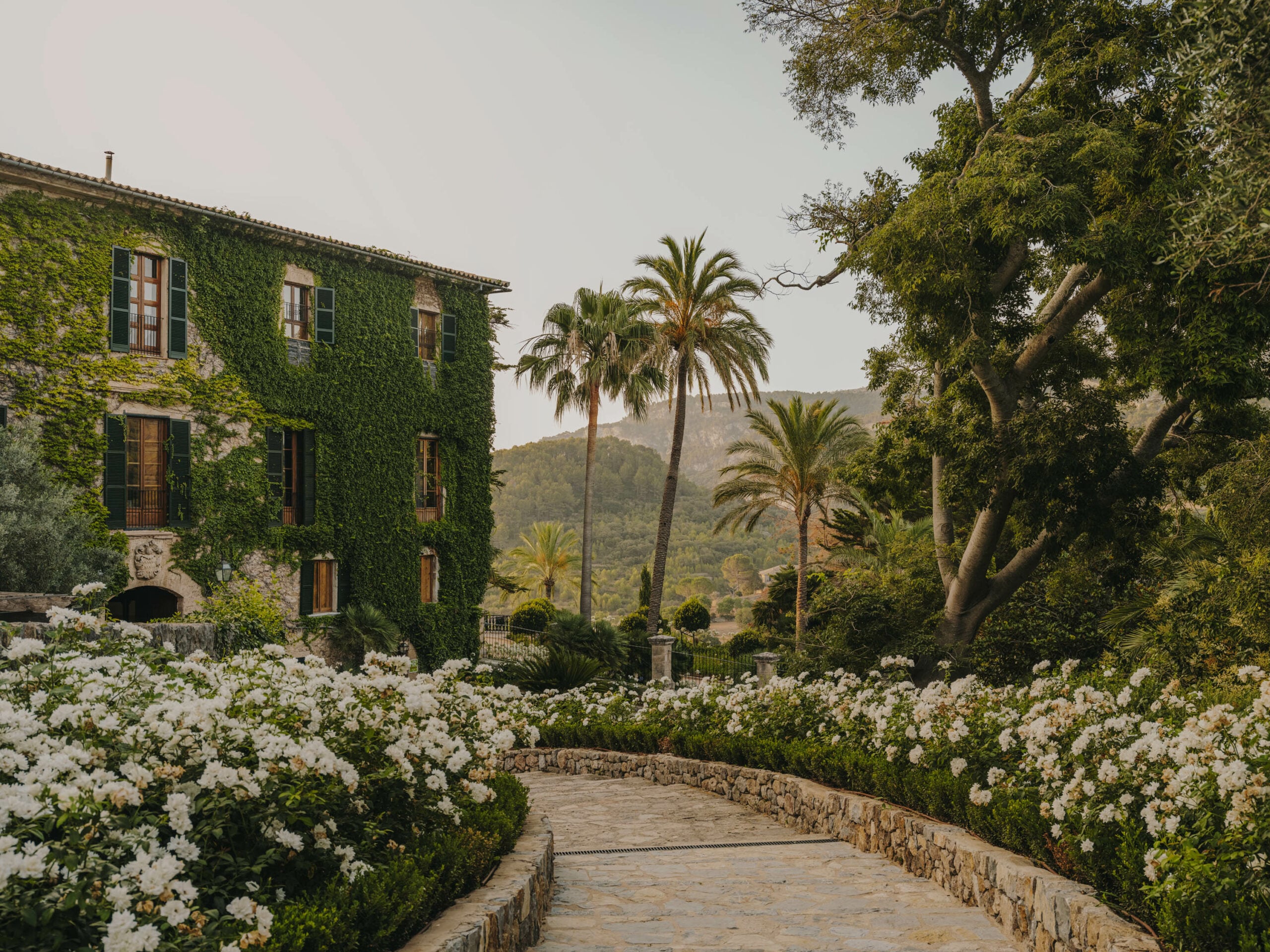
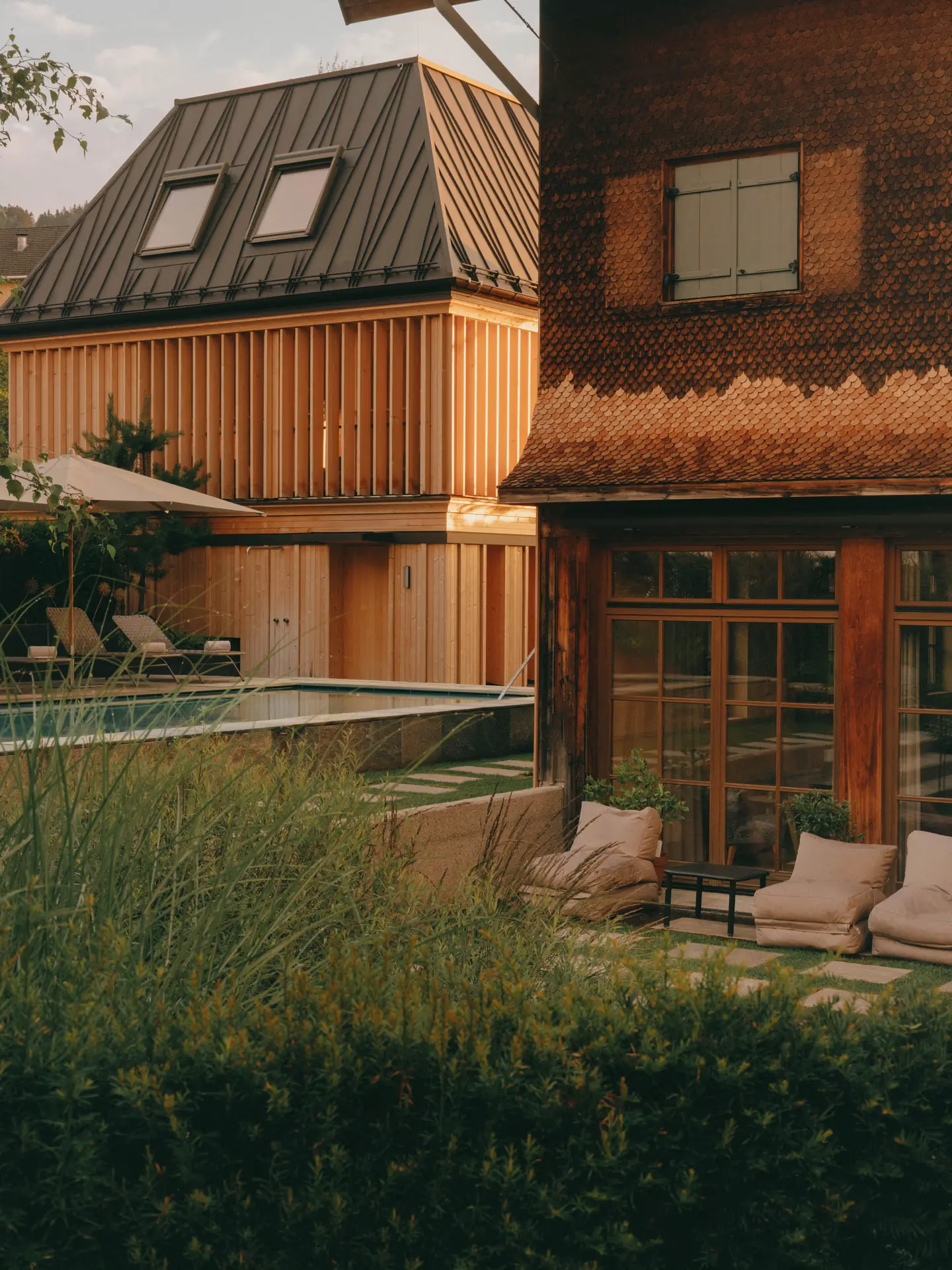
Perched on a sunlit ledge above the Lauterbrunnen Valley and reachable only by cogwheel train, the Grand Hotel Belvedere has presided over car-free Wengen since 1912. After its 2024 acquisition by the French group Beaumier, Swiss architect Valery Clavien and Arnaud Christin of Complete Works led a careful restoration: original Heimatstil detailing was brought back across ninety rooms, now clad in thermally modified Swiss pine and green-grey Andeer stone, while a monolithic new spa was carved into the slope below. Materials, light and proportion echo the Jungfrau opposite — a grand hotel that feels rooted rather than formal.
- Best price guarantee
- Full access to content library
- Personalized itinerary
- A gift for every booking over three nights
- 24/7 support
Photography by Benoit Linero.
Rooms & Availability

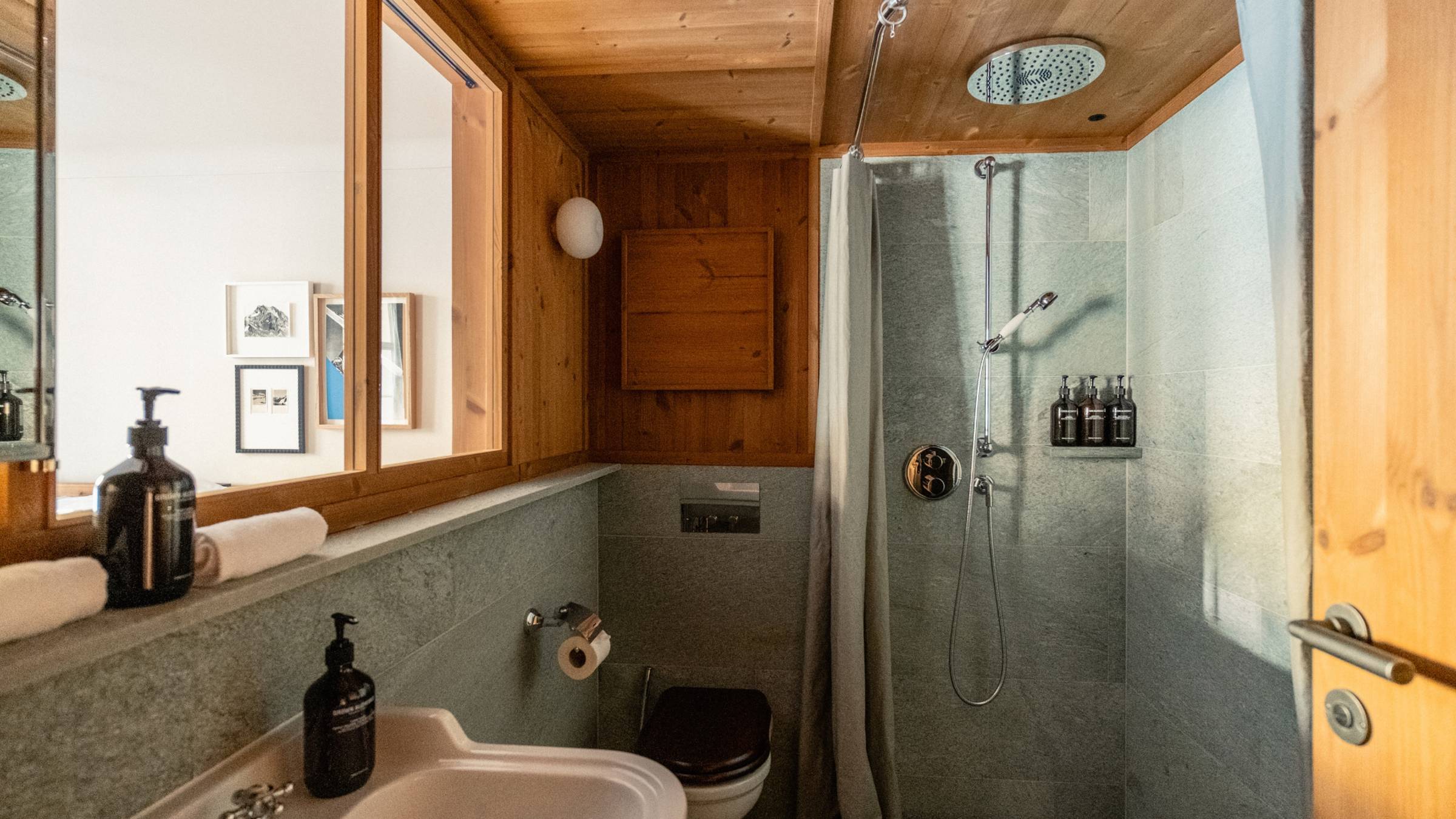



Prestige Garden View

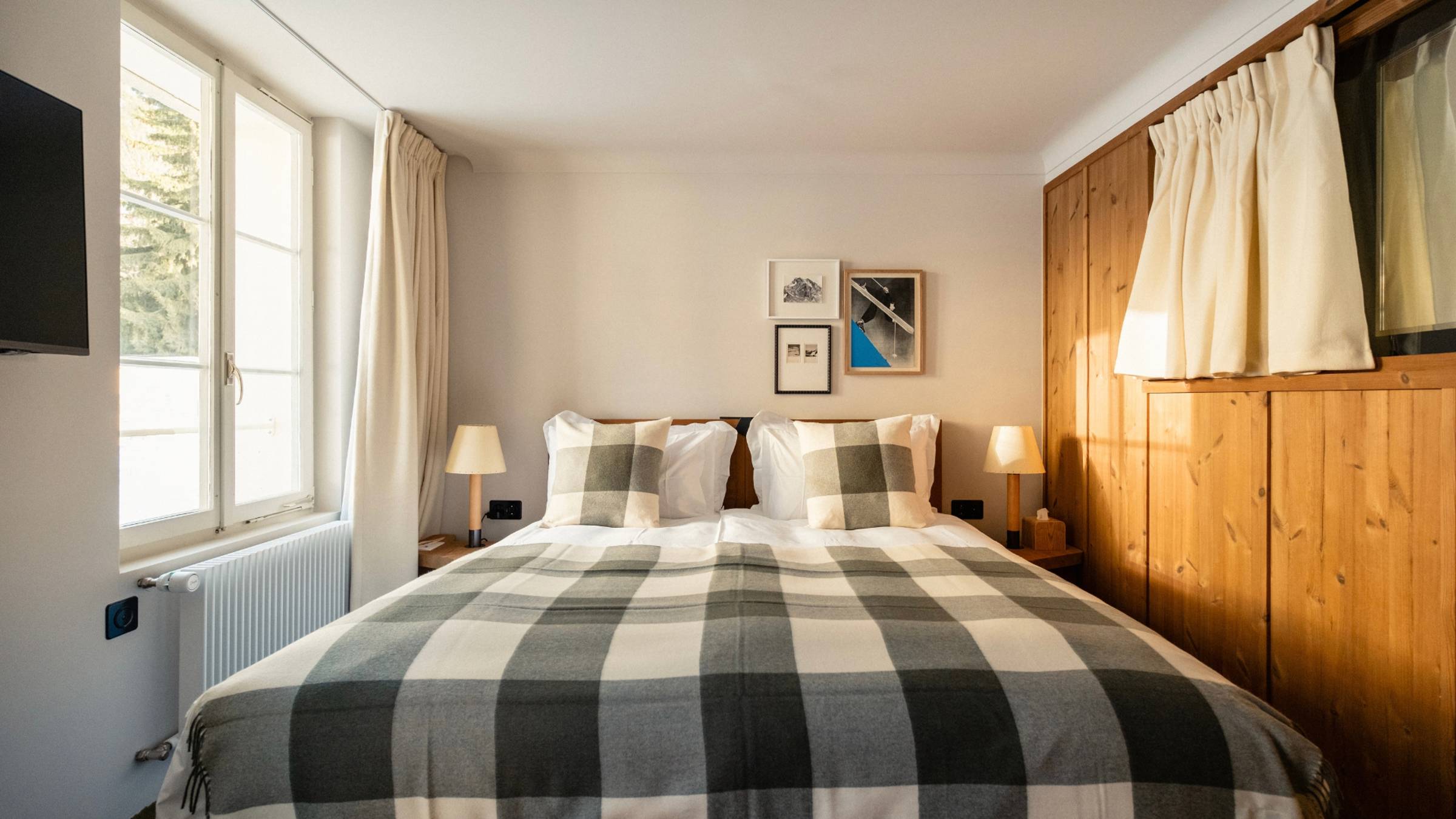
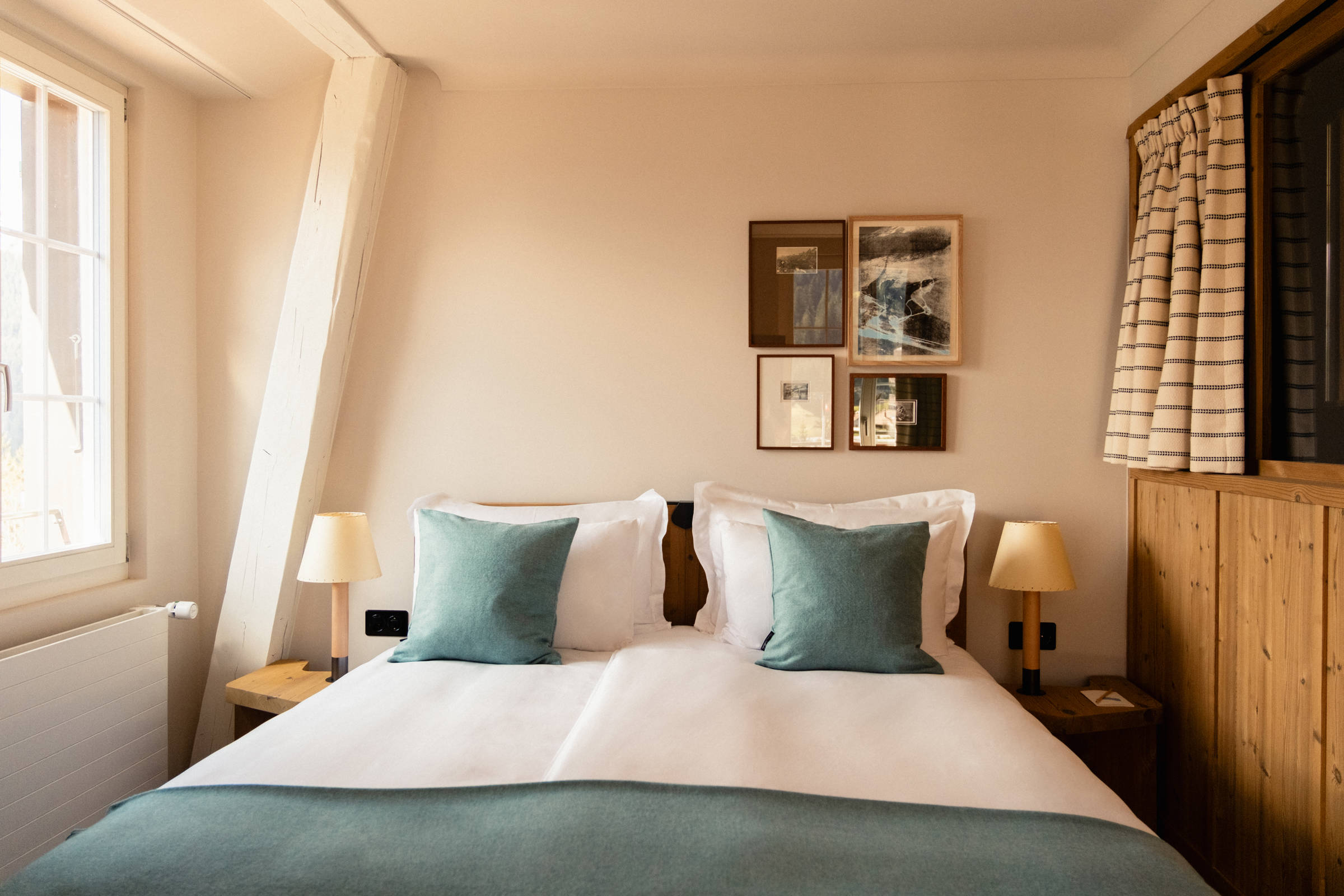
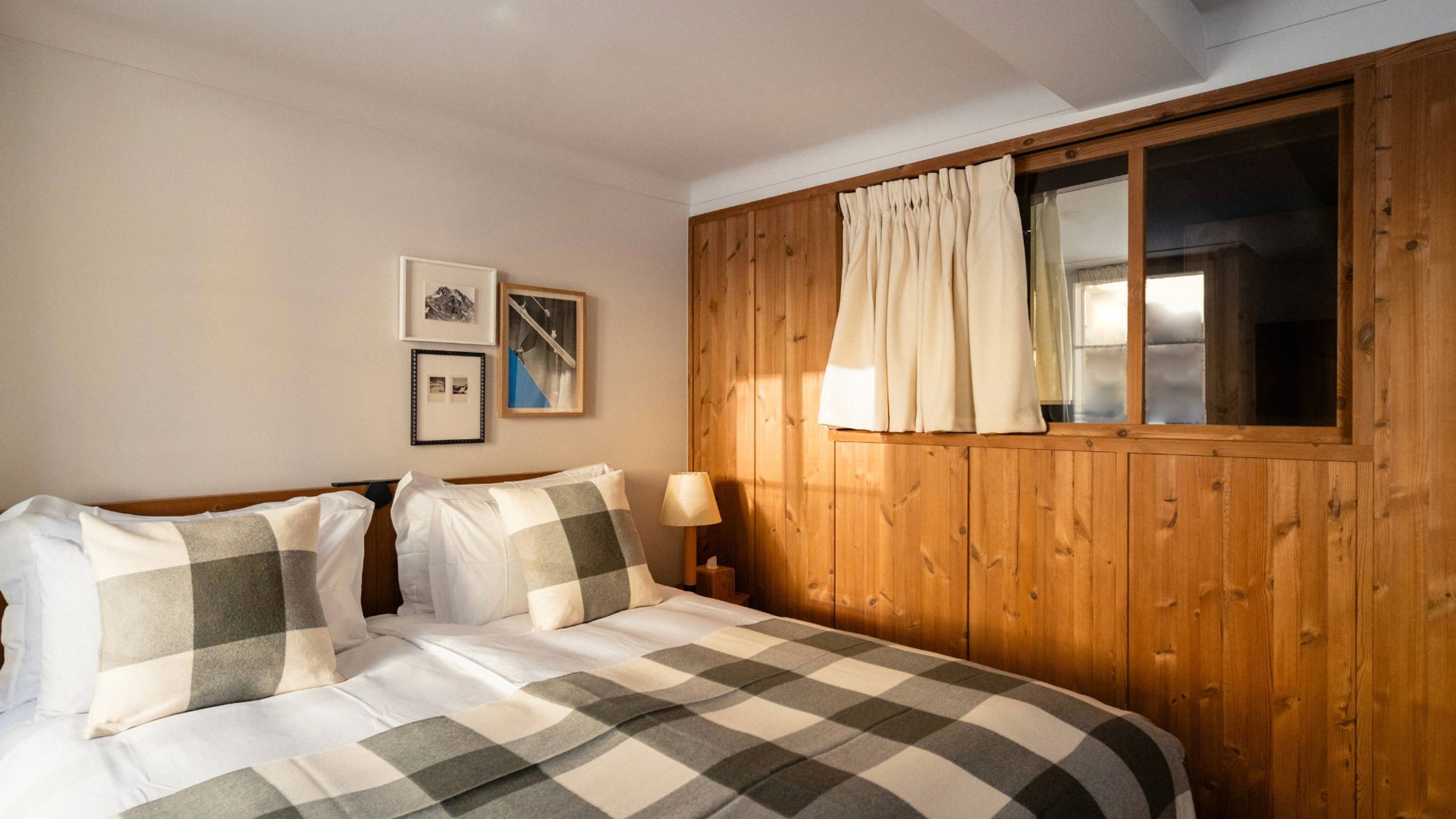
Designed for total relaxation after a day's exertion — sheltered by wood, cradled by nature, with an elegant bathroom looking out over the garden.
Prestige Garden View


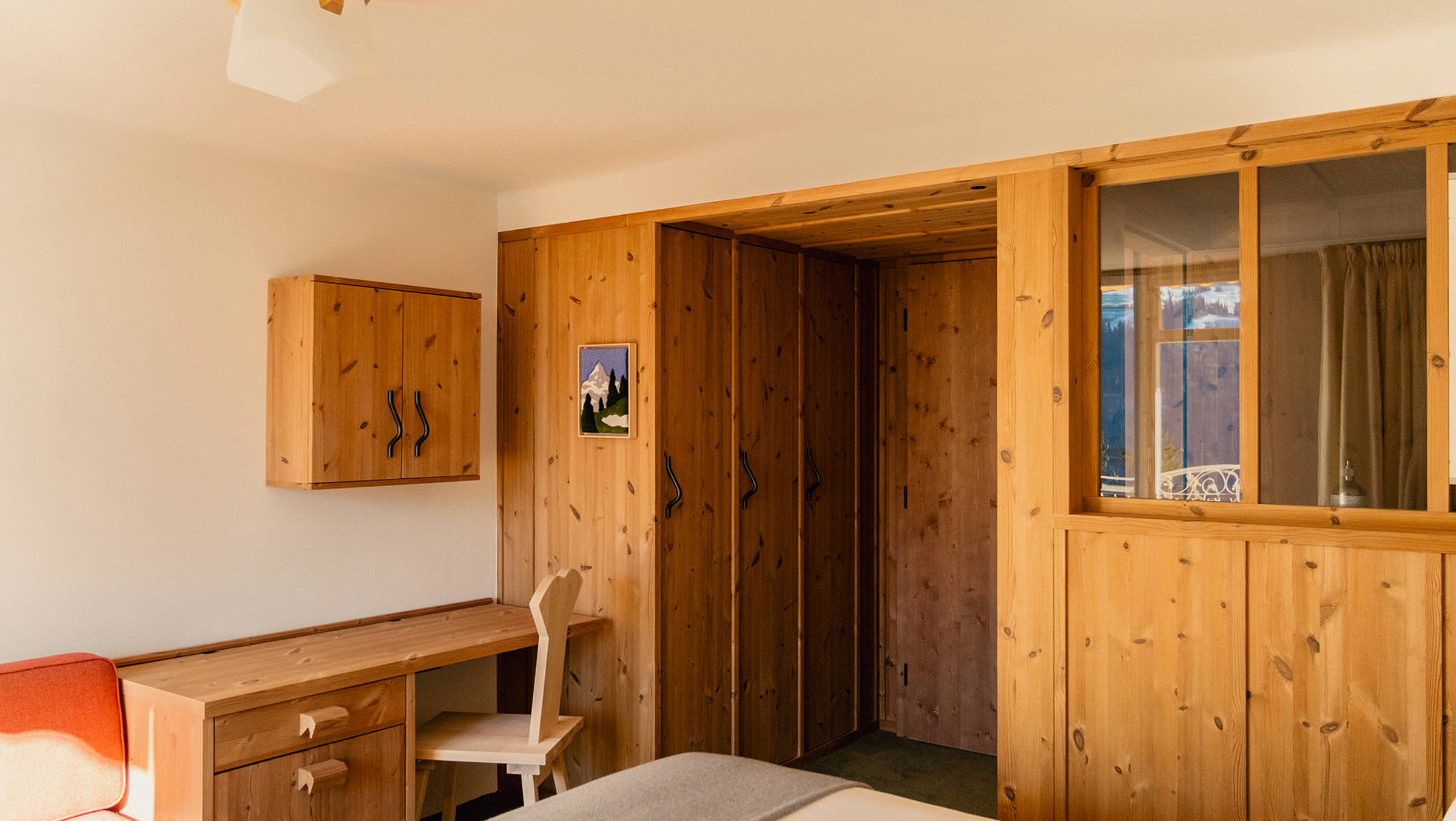
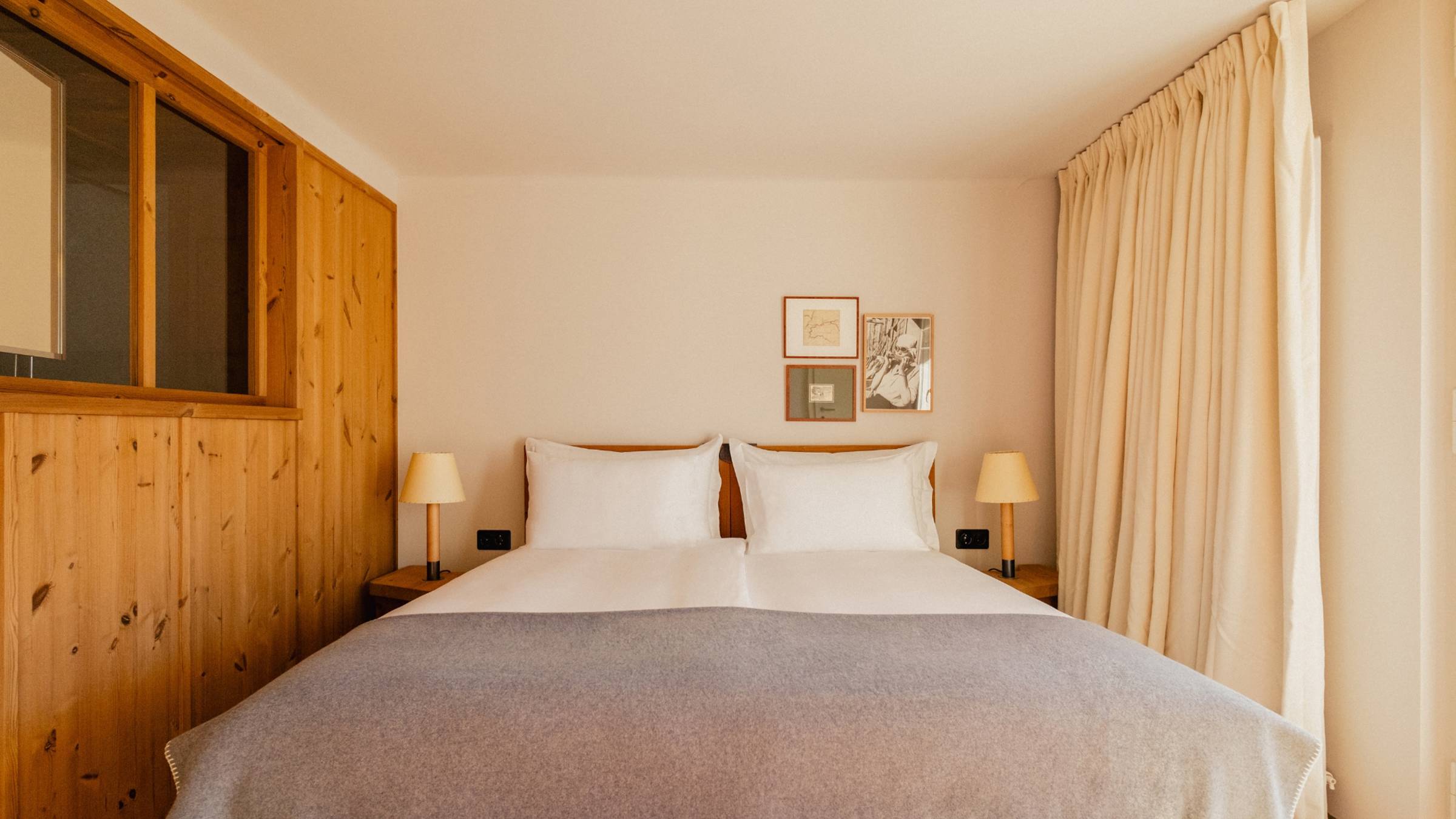

Prestige Jungfrau View
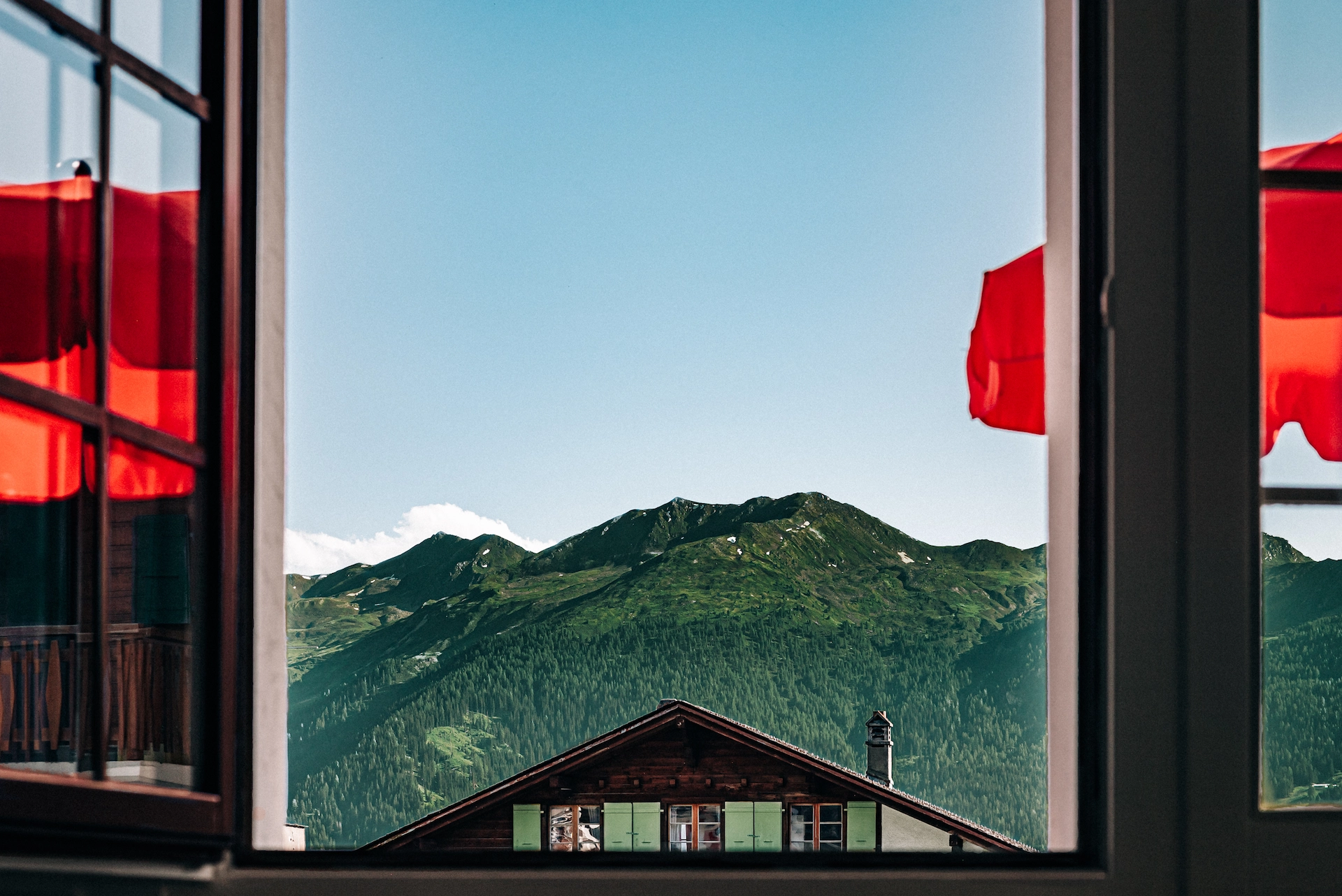
Visible from every angle, the Jungfrau gives these rooms a great sense of space, while wood panelling and Alpine embroidery keep the mountain close indoors too.
Prestige Jungfrau View
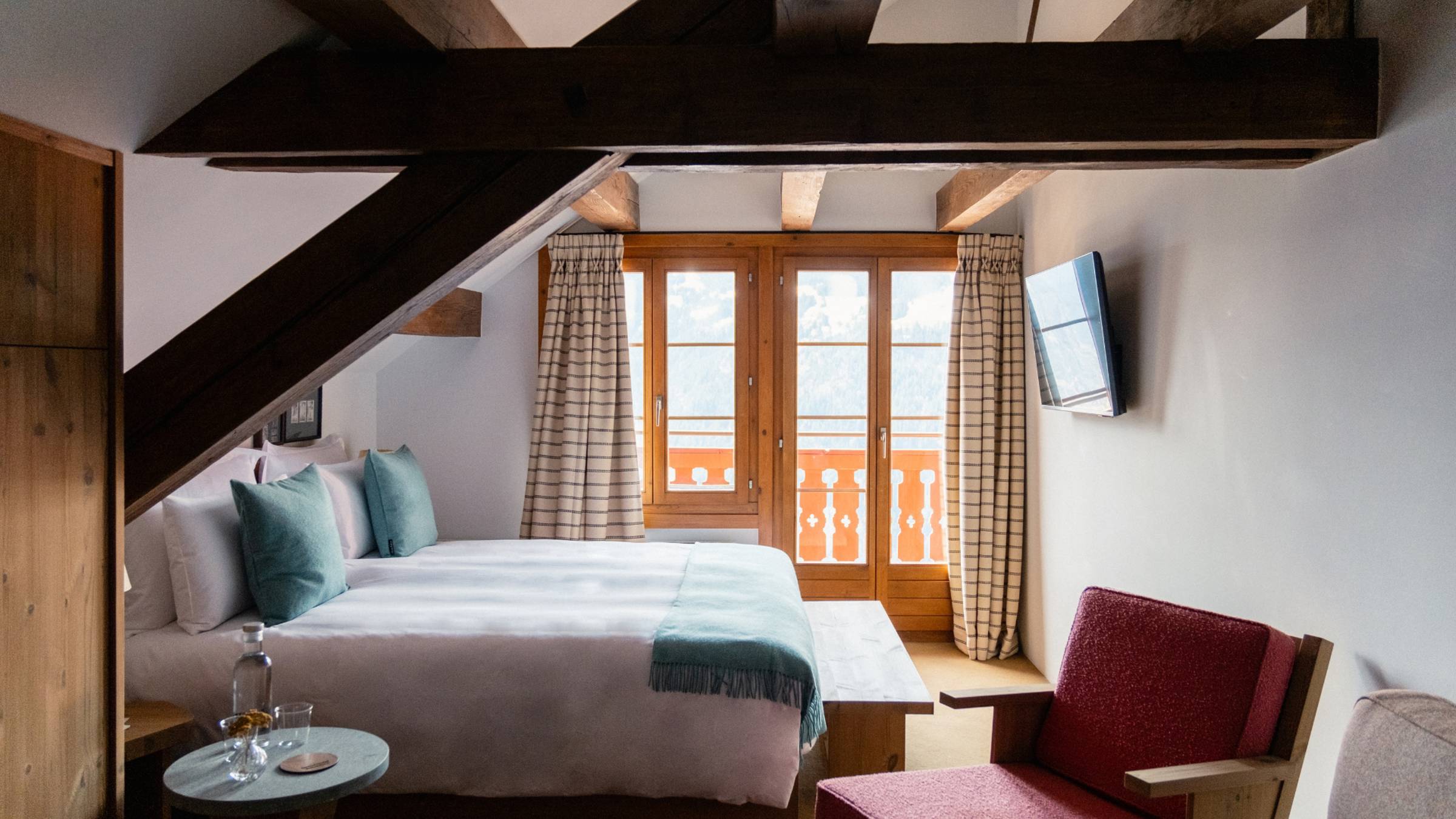
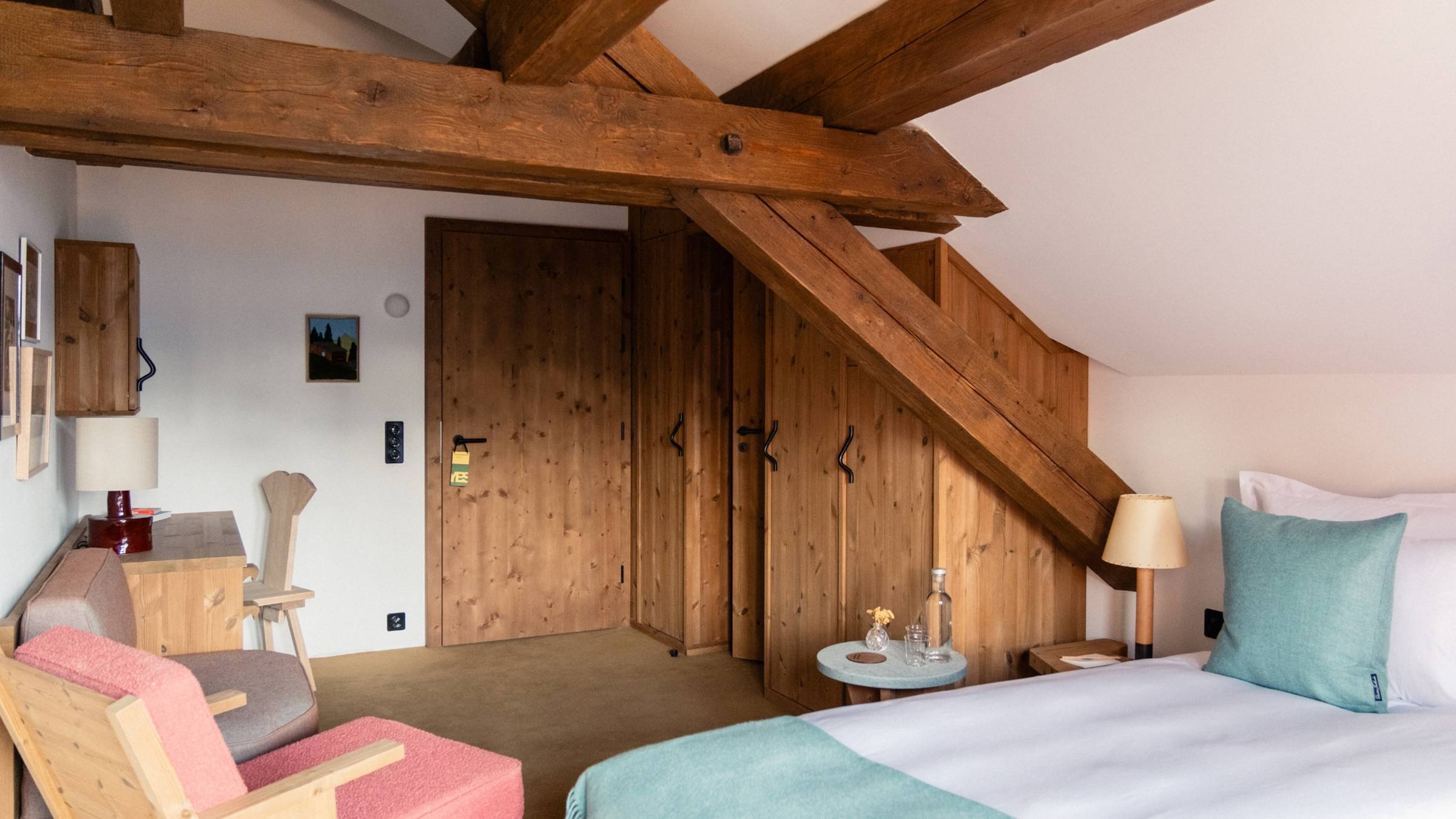
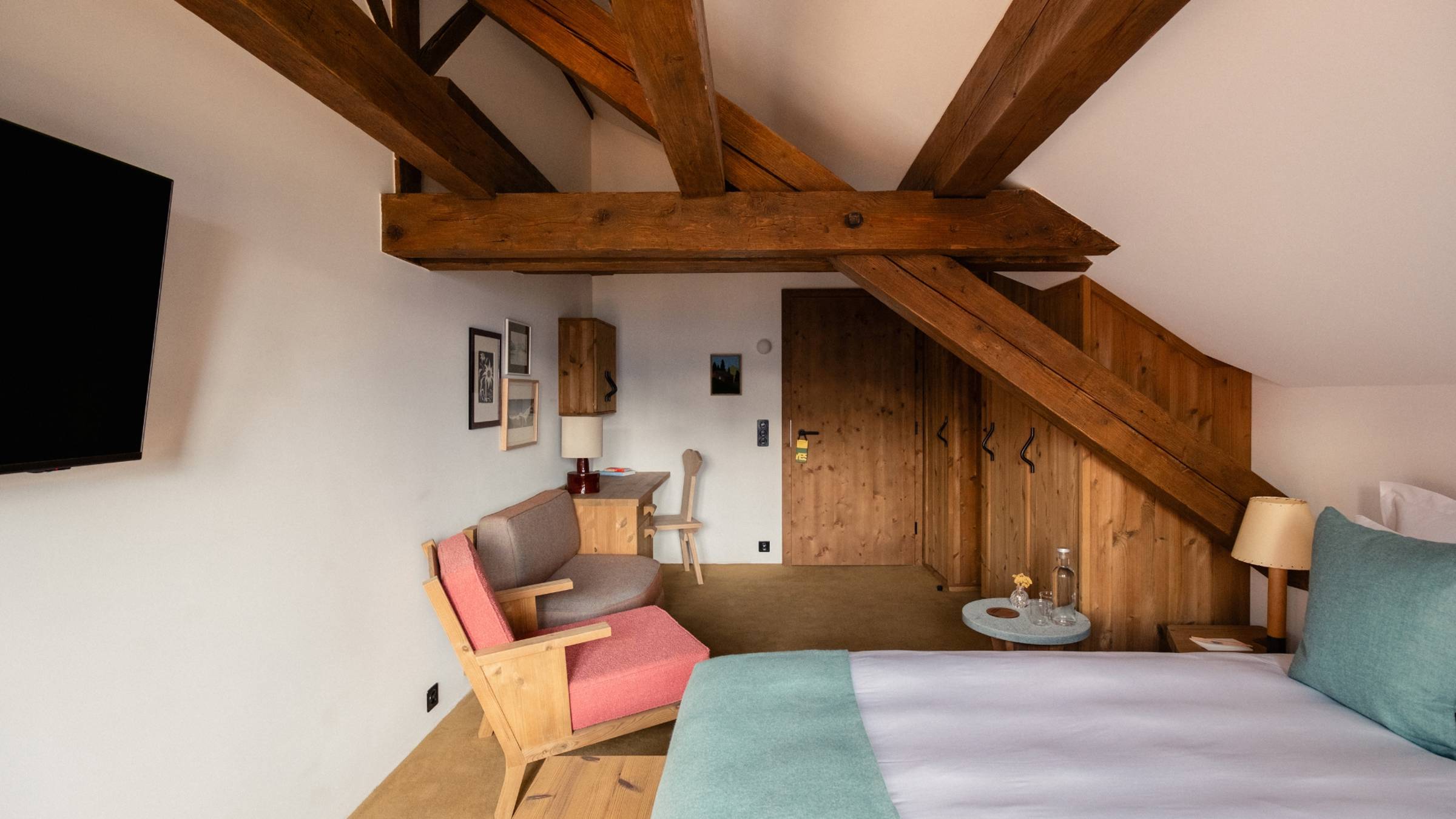
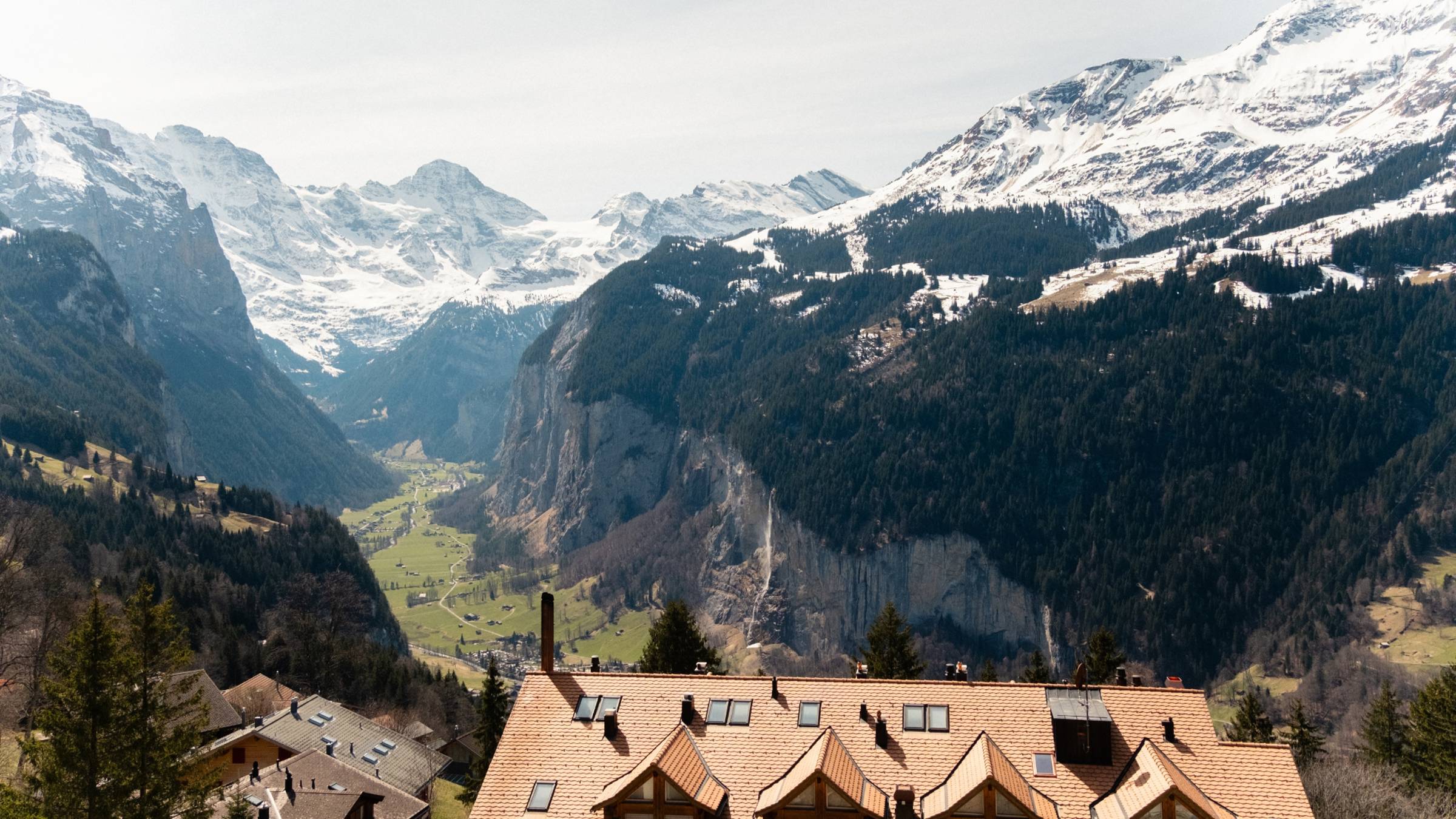

Prestige Attic Jungfrau View
Top-floor rooms under exposed wooden beams, each with a private balcony and the Jungfrau straight ahead. The bathroom holds a tub.
Prestige Attic Jungfrau View


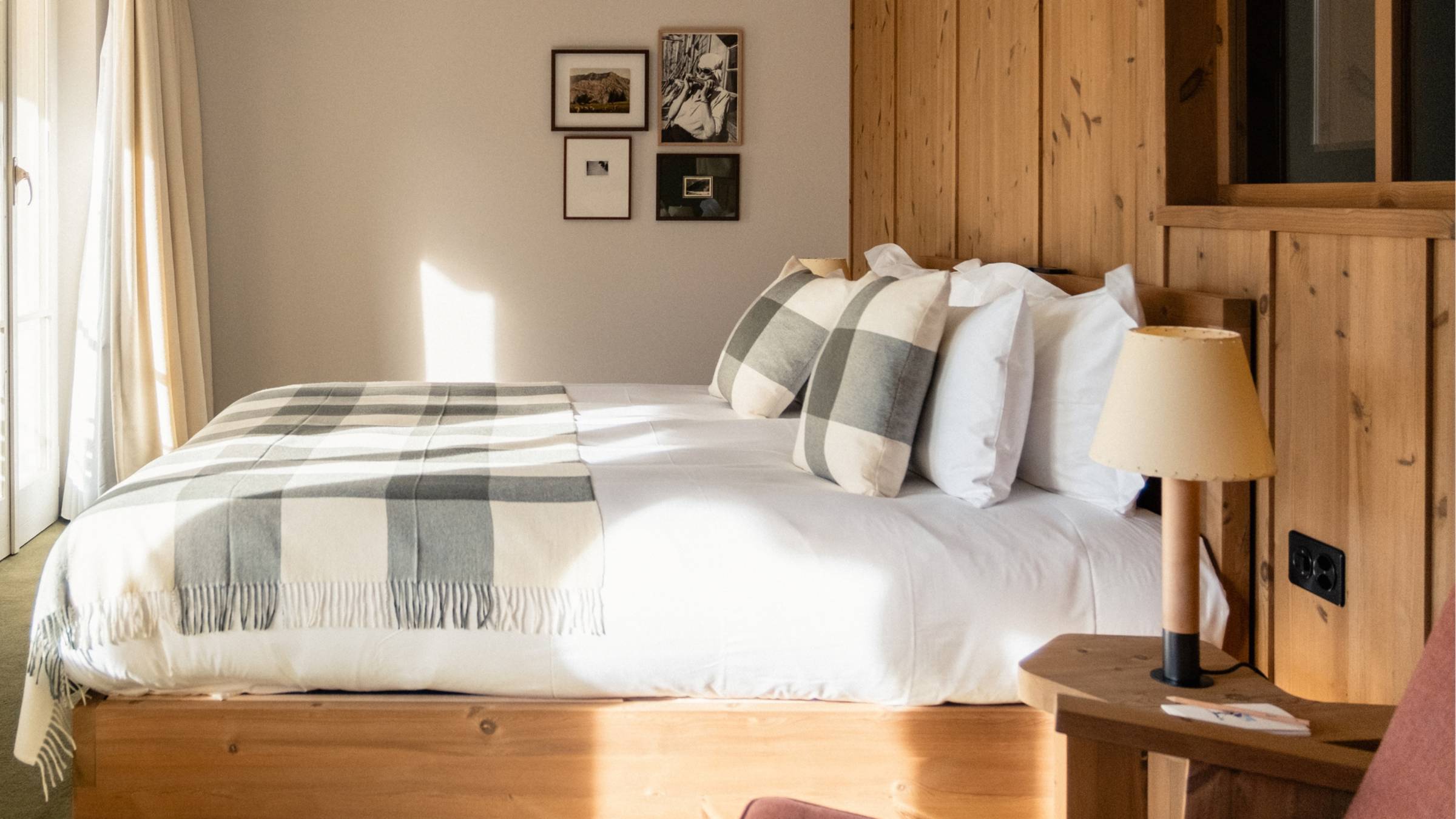
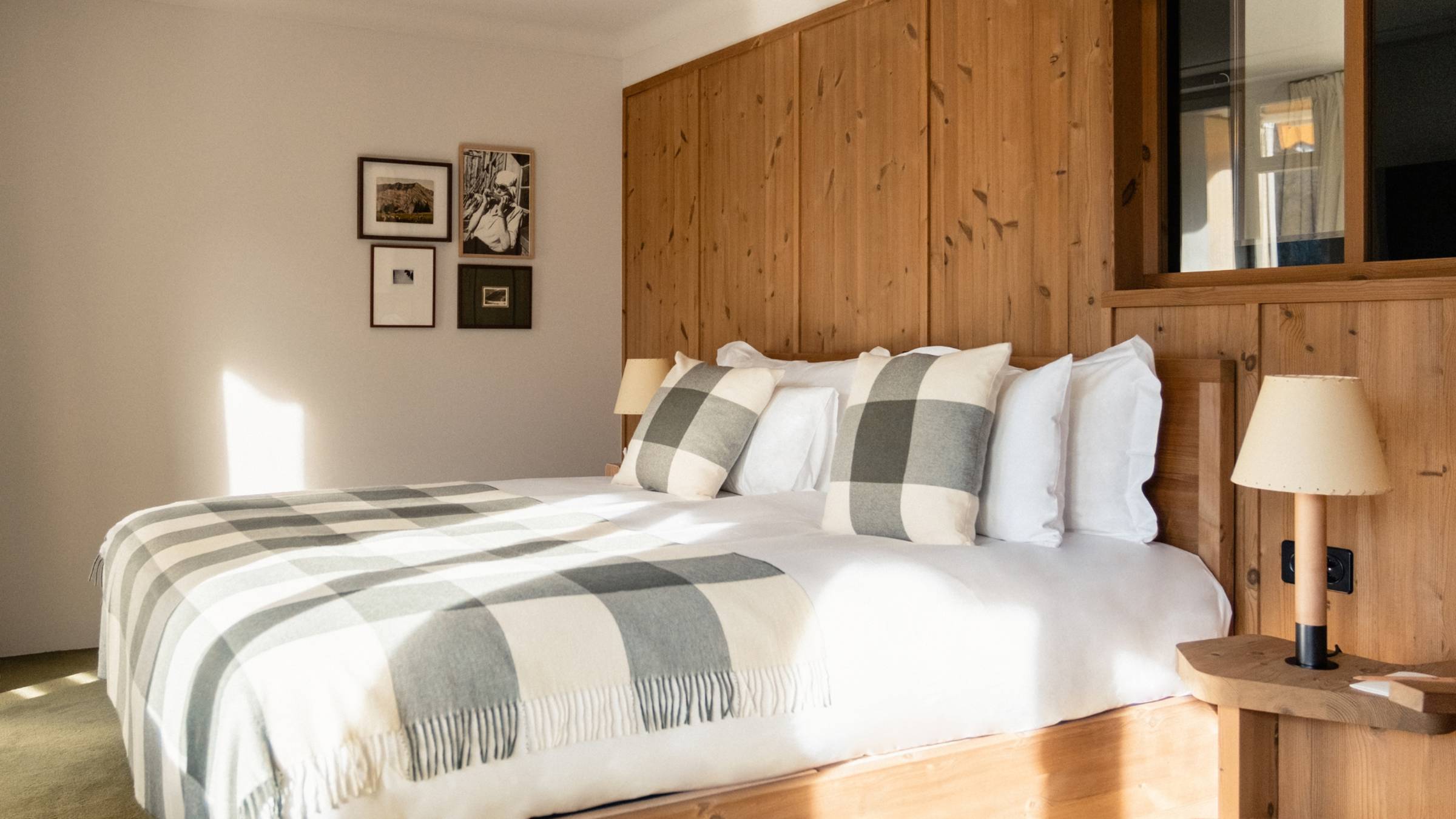
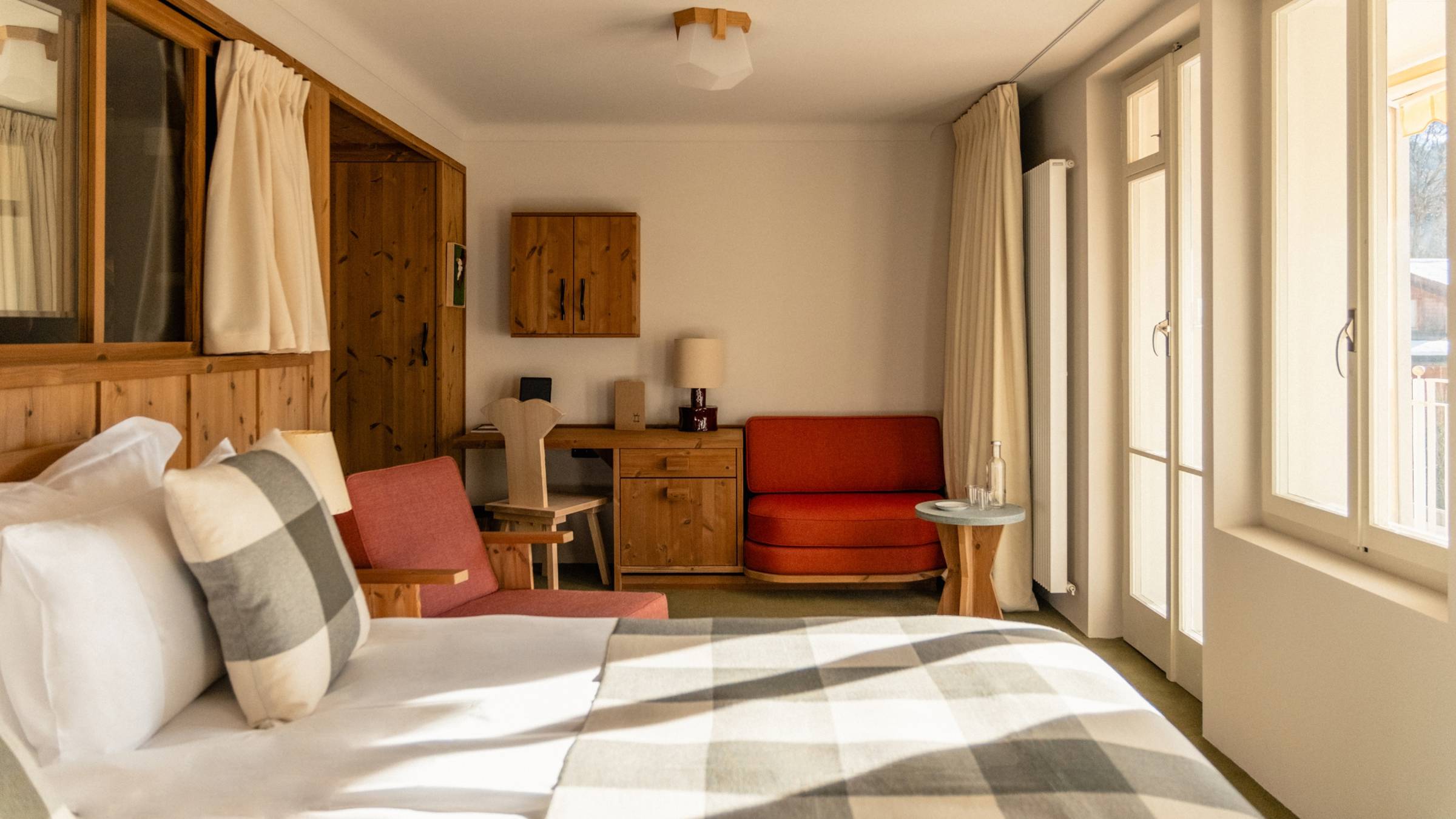

Deluxe Garden View
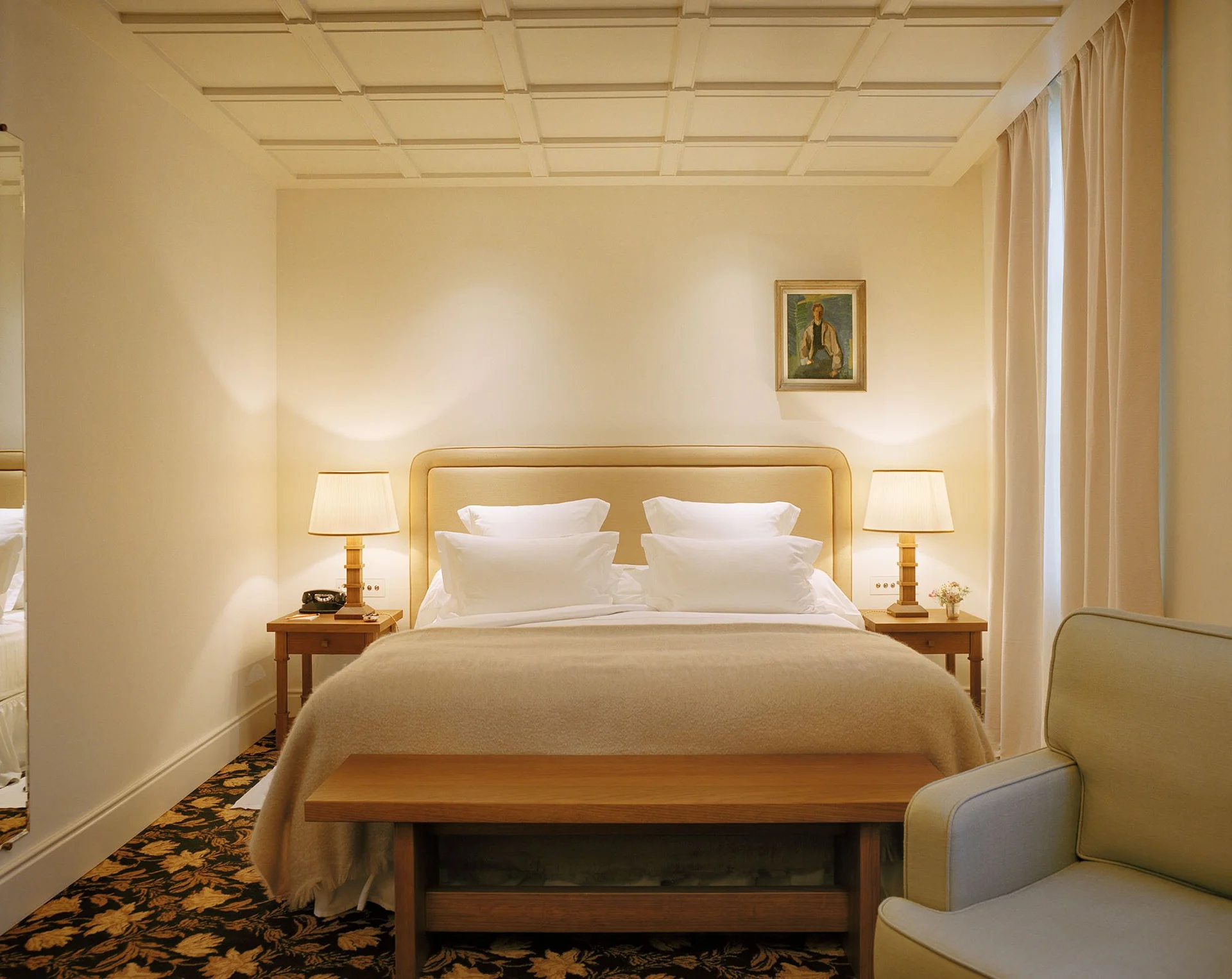
Spruce cladding, soft lighting, crafts by local artisans and rich fabrics — larger rooms that face the garden and the forest beyond it.
Deluxe Garden View
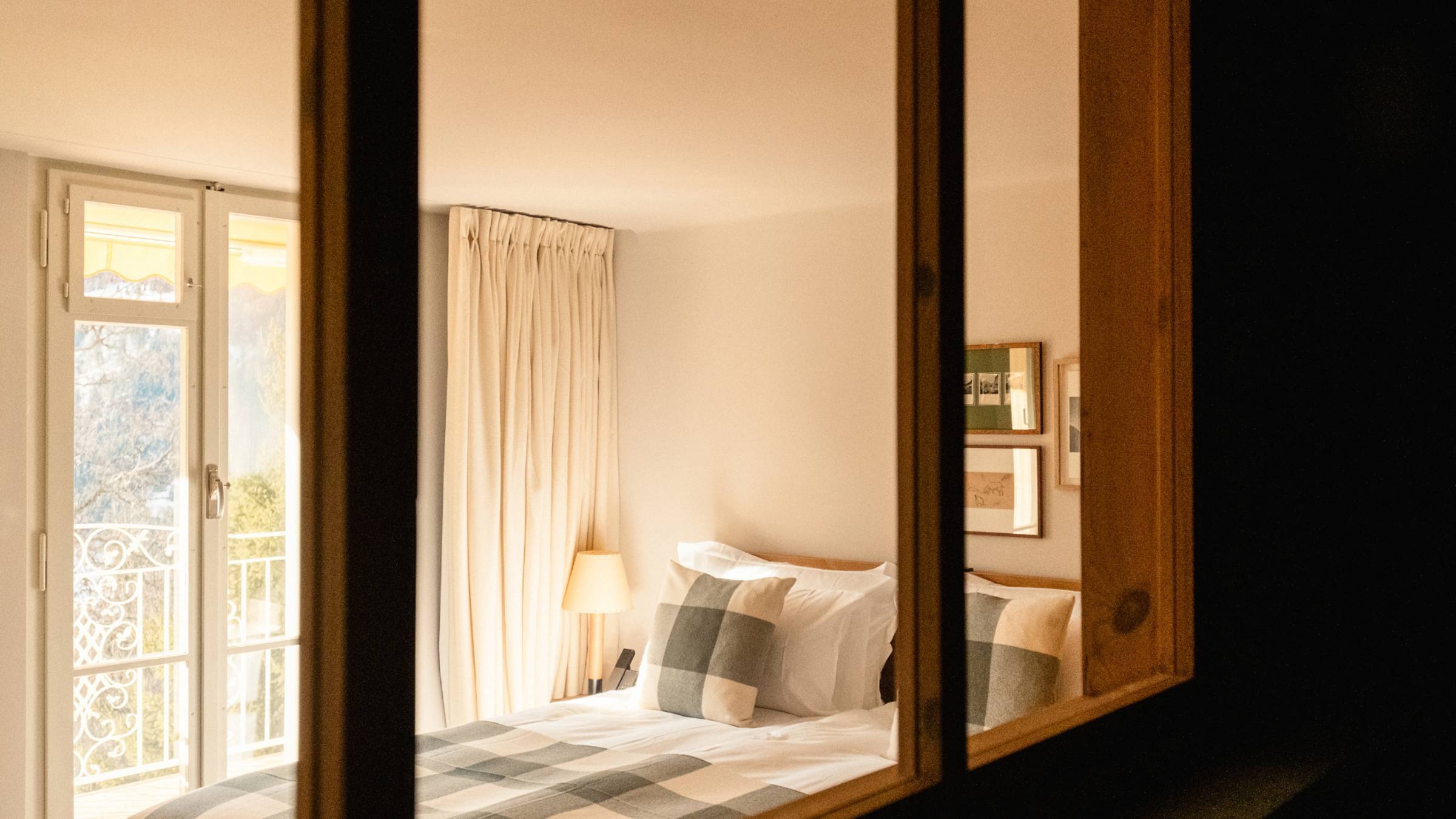
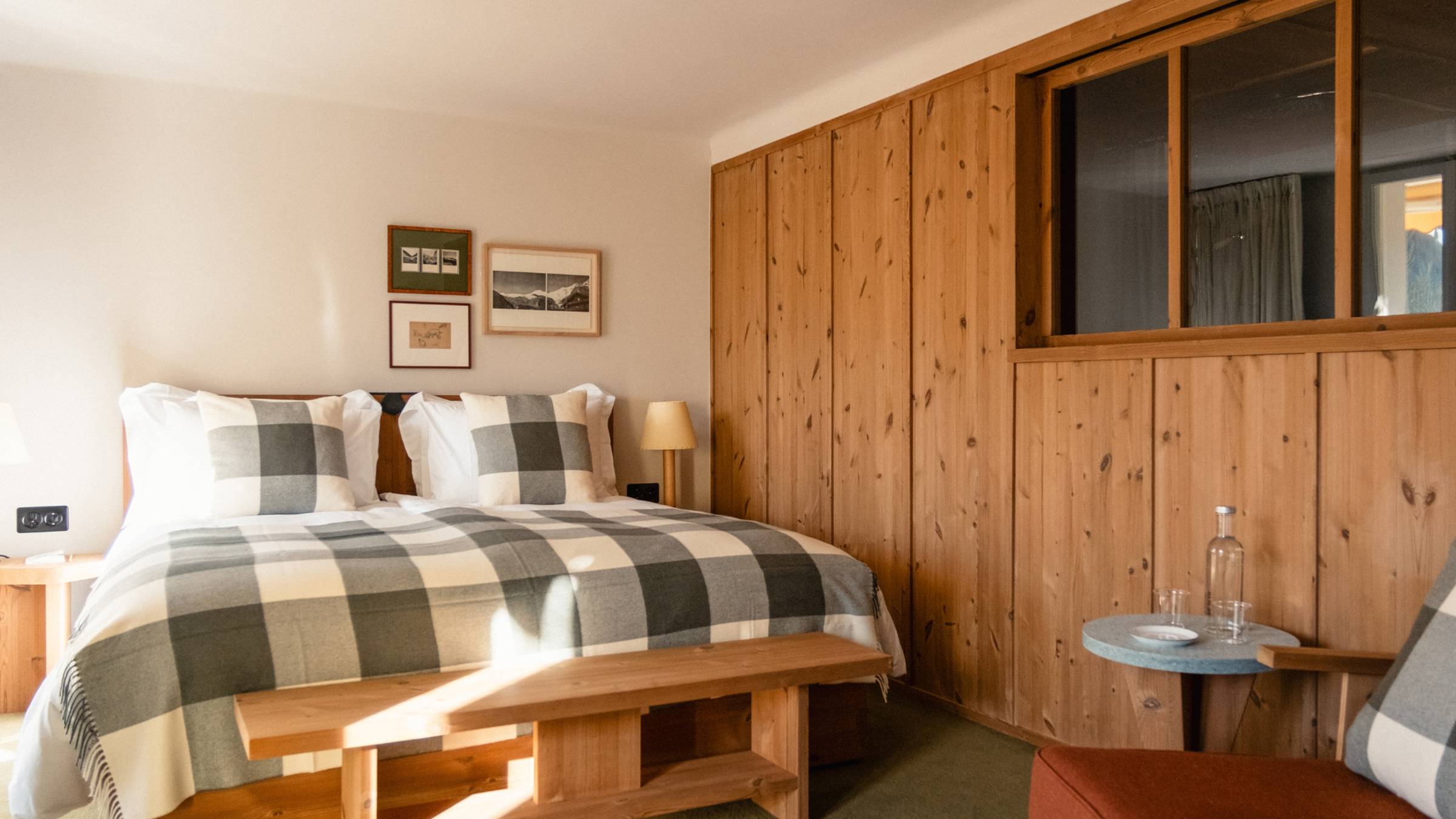
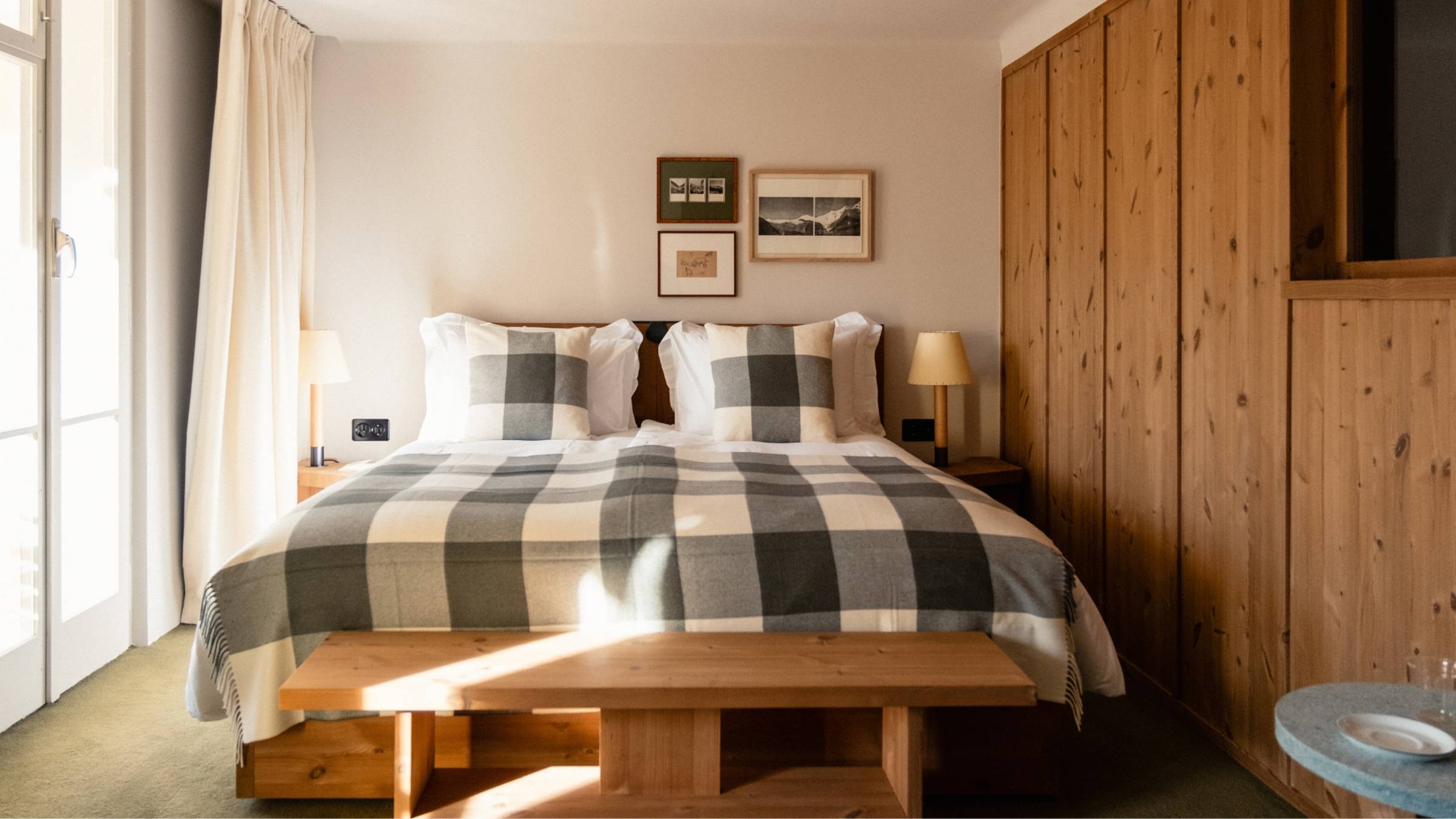
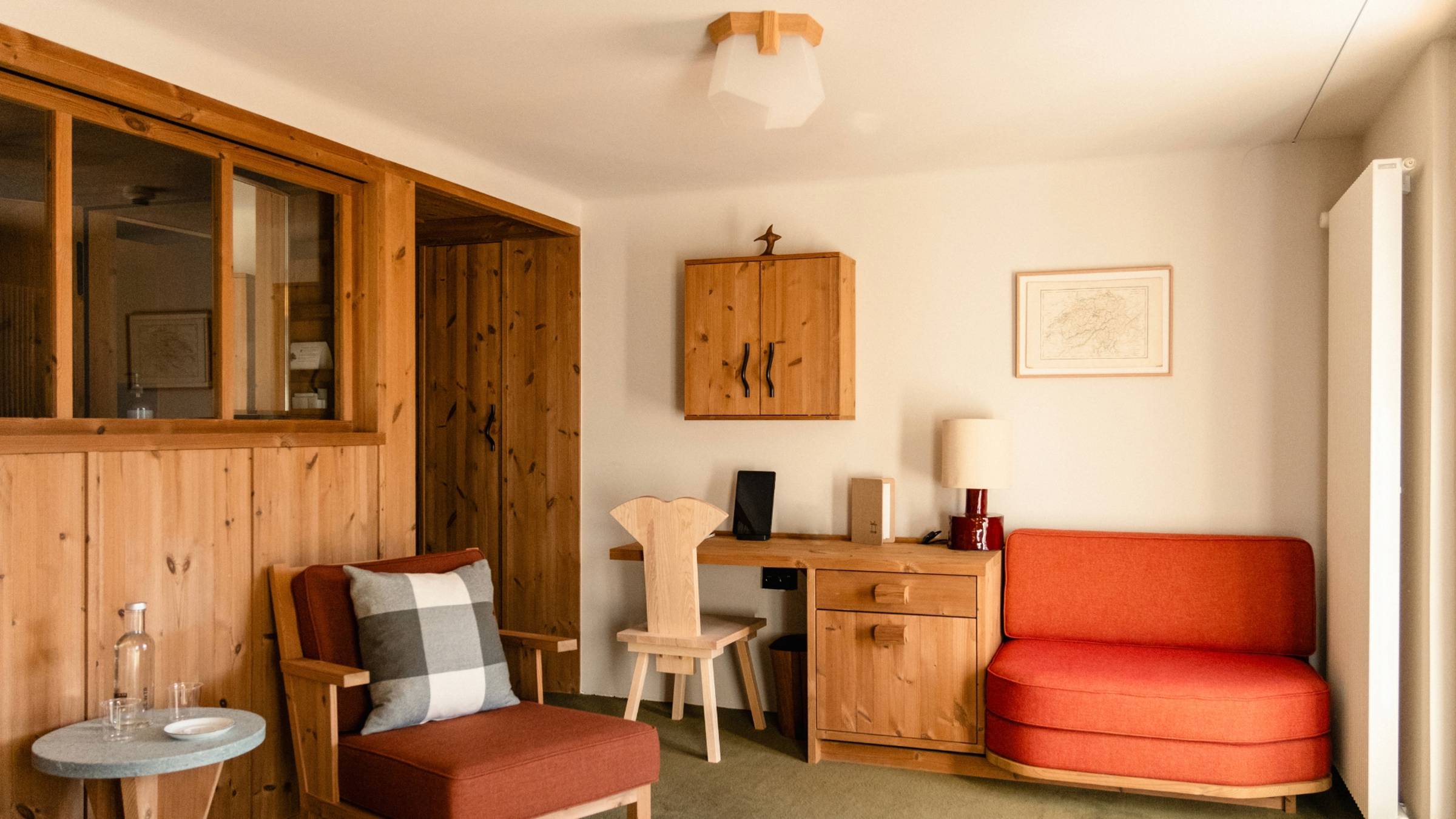

Deluxe Jungfrau View
Spacious rooms facing the Jungfrau, where the wood panelling and Alpine embroidery play with the mountain clichés rather than repeat them.
Deluxe Jungfrau View


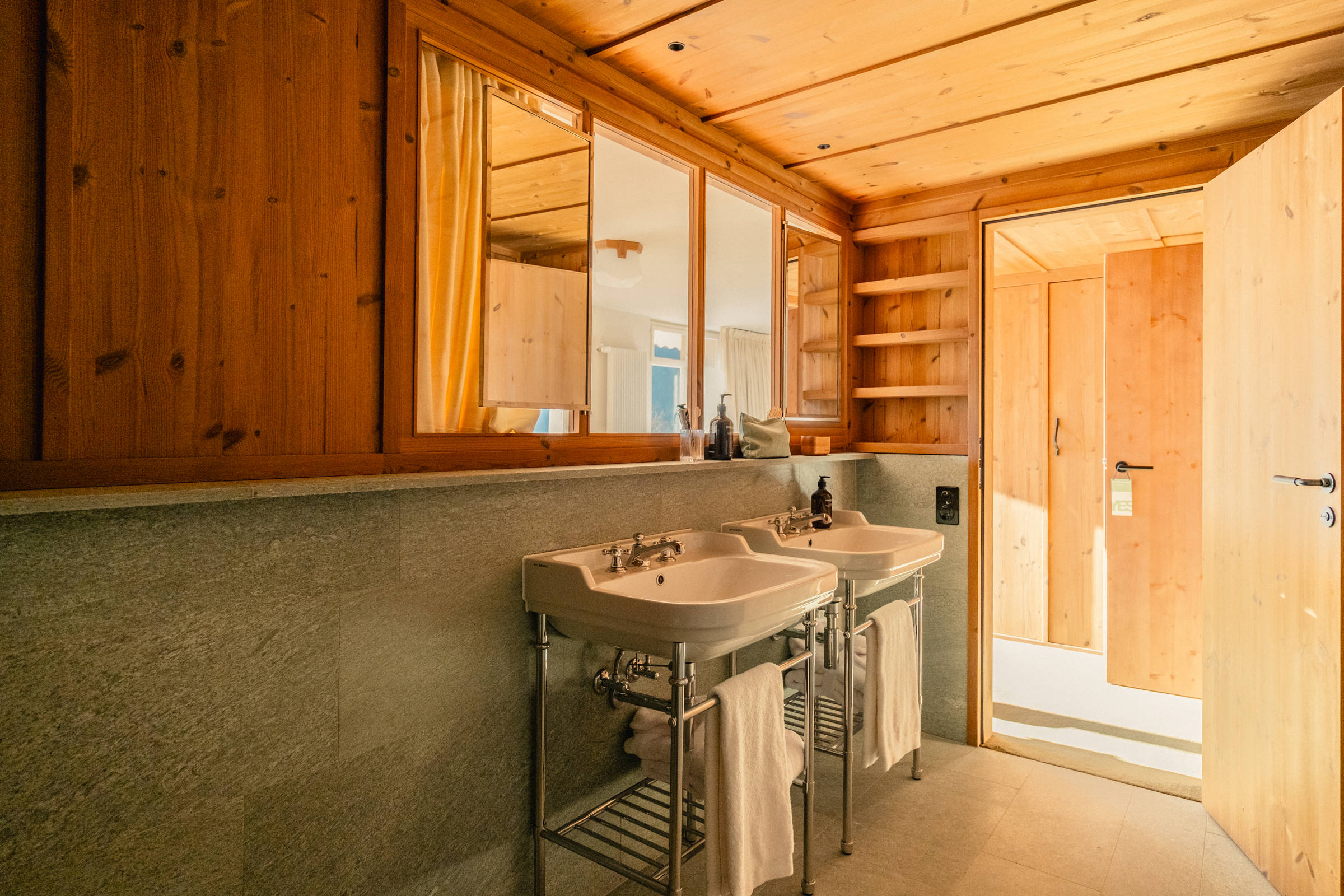
Junior Suite Garden View
A separate living room, a bathtub and the treetops of the hotel's forest outside. These suites offer a thousand ways to spend a day in Wengen — including not leaving at all.
Junior Suite Garden View
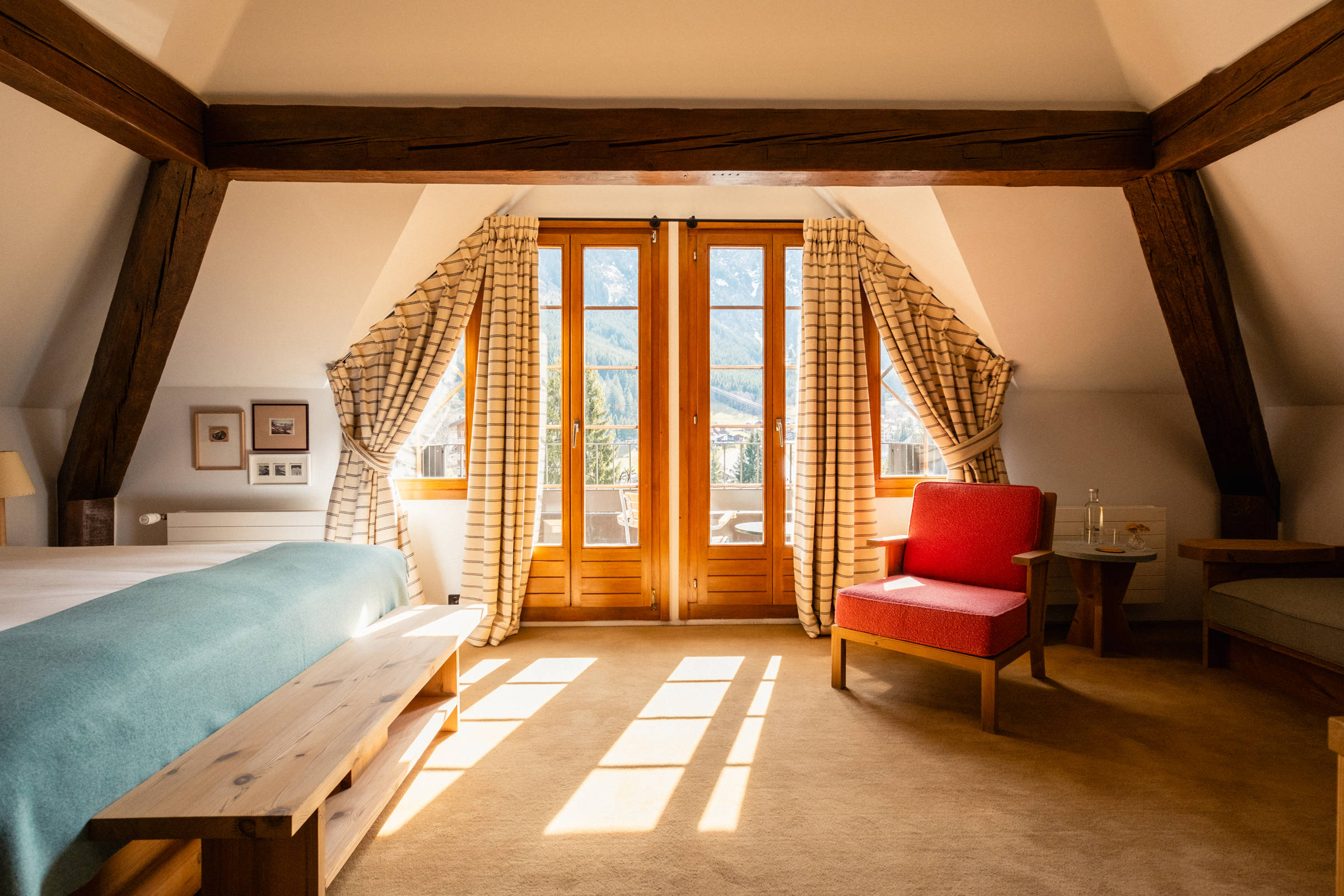
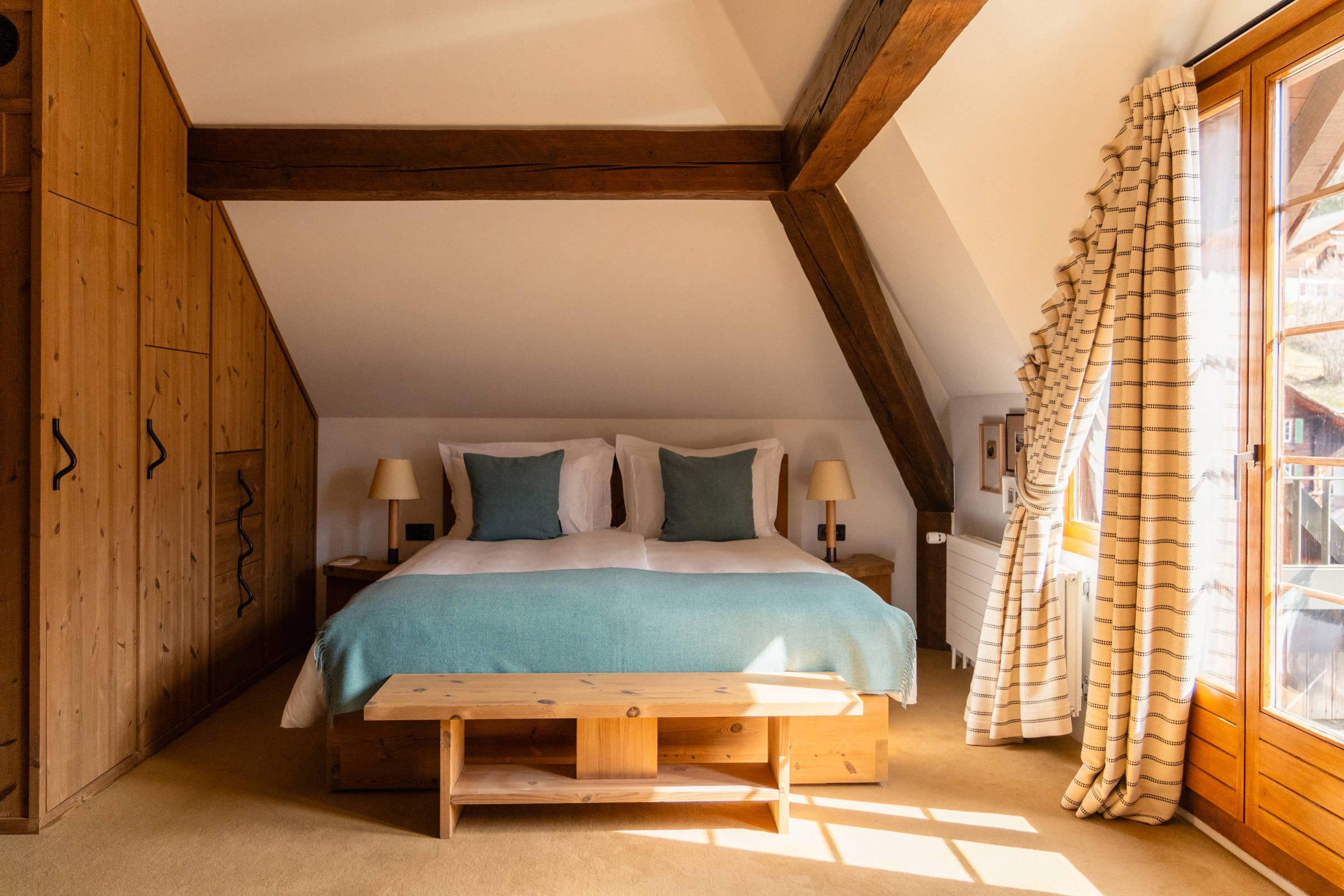
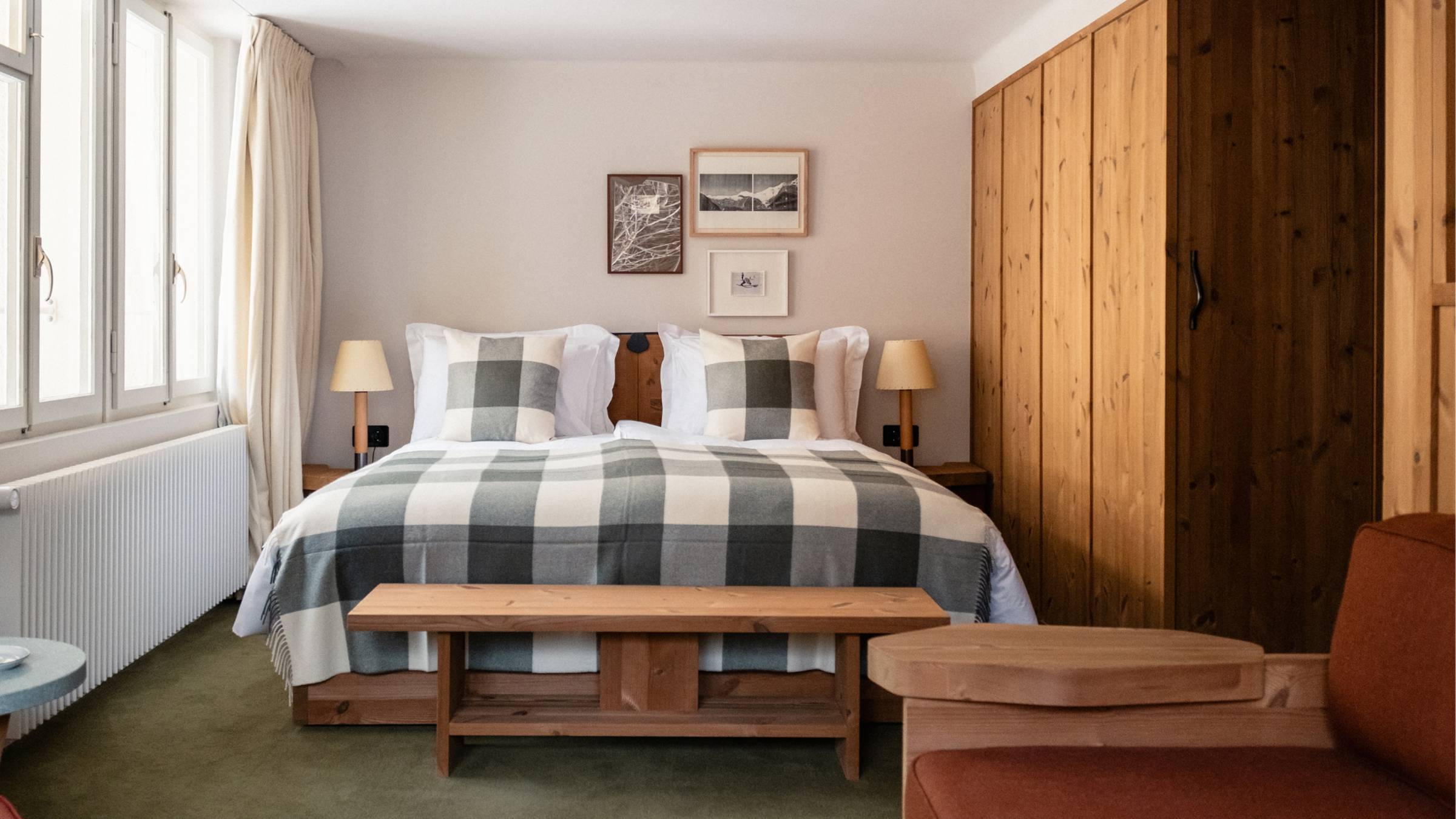
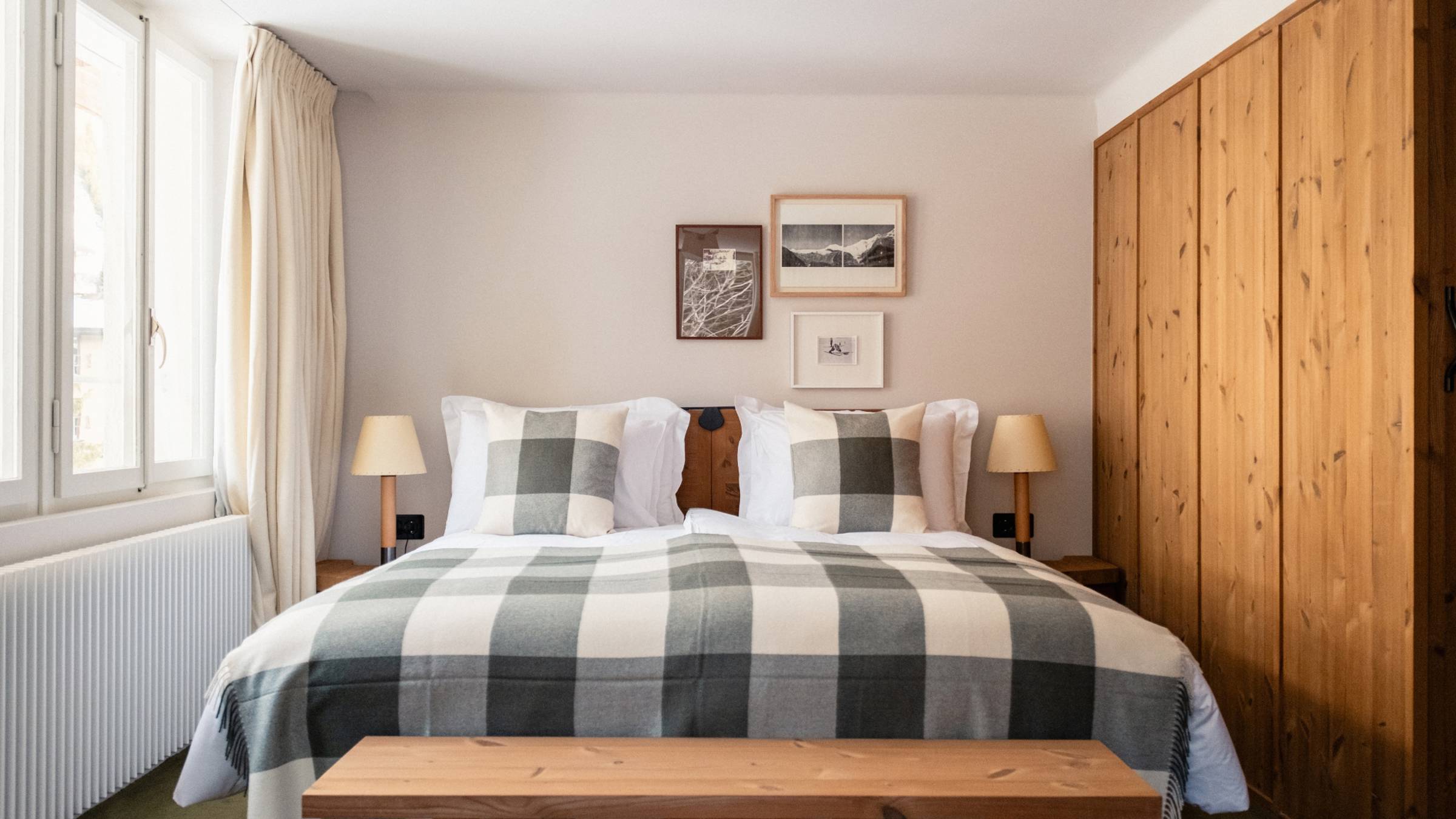
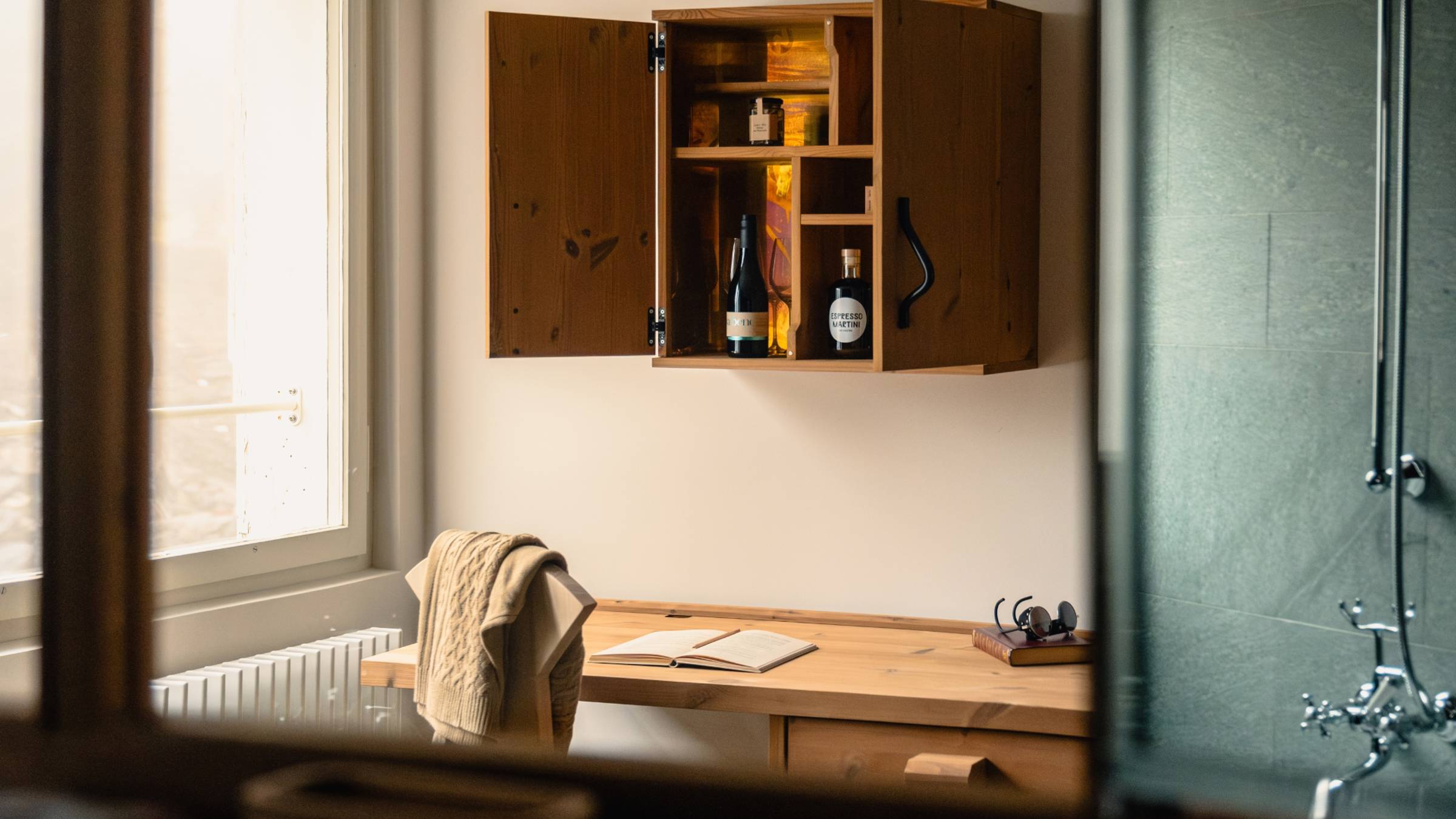
Junior Suite Jungfrau View
From the bed, from the living-room sofa, from the bathtub and from the balcony, the epic view blends into the interior. A sofa bed sleeps a third guest.
Junior Suite Jungfrau View
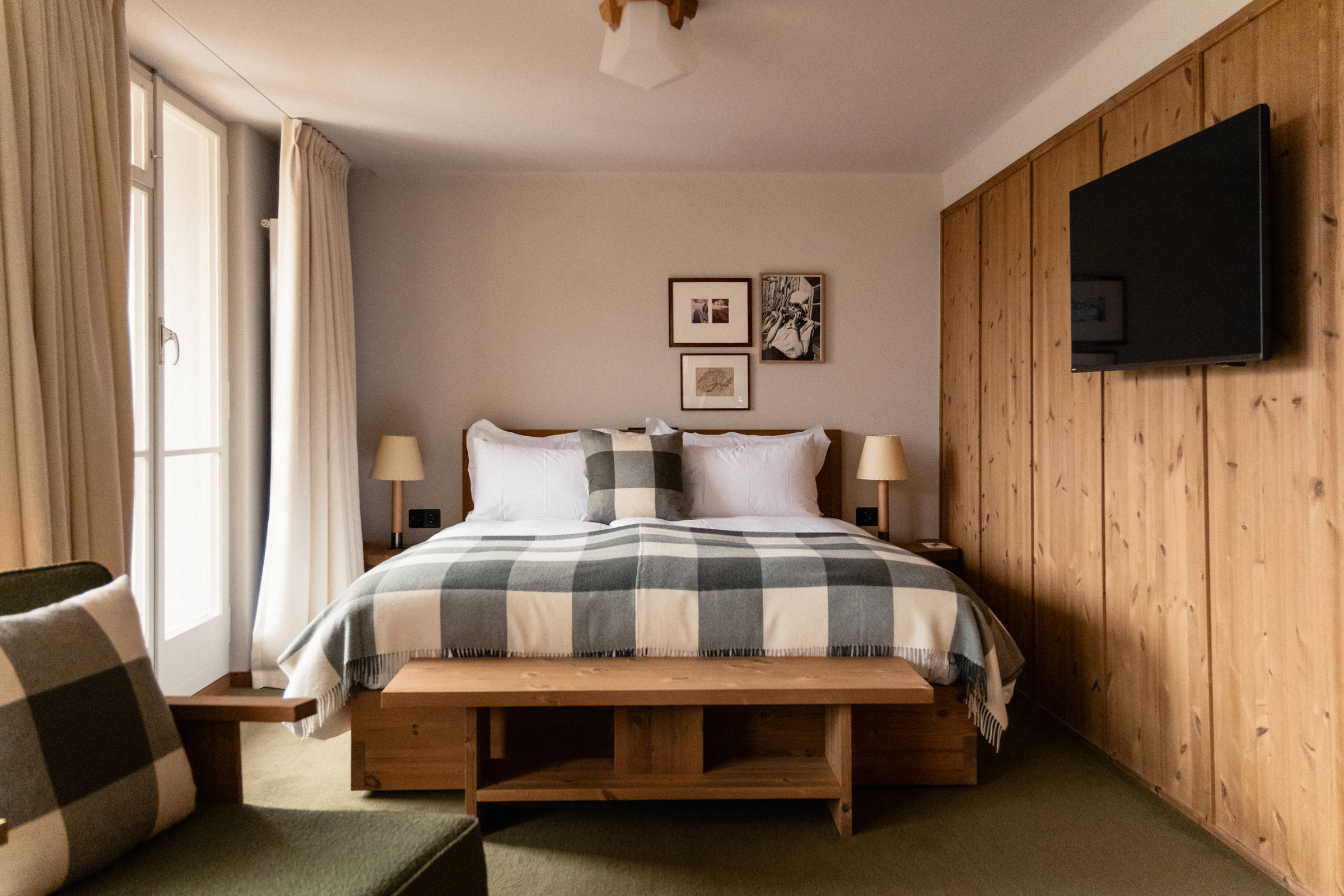
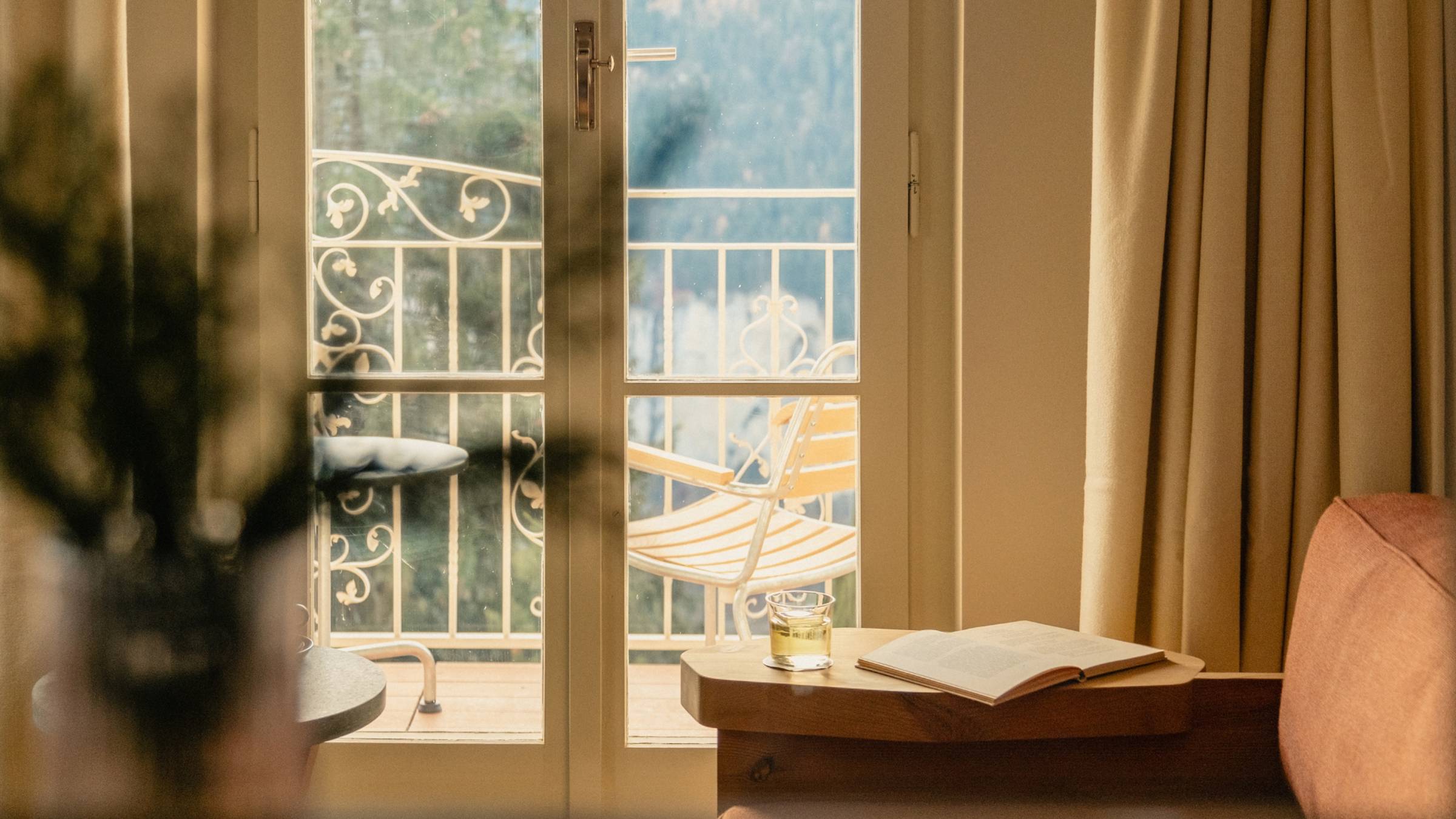
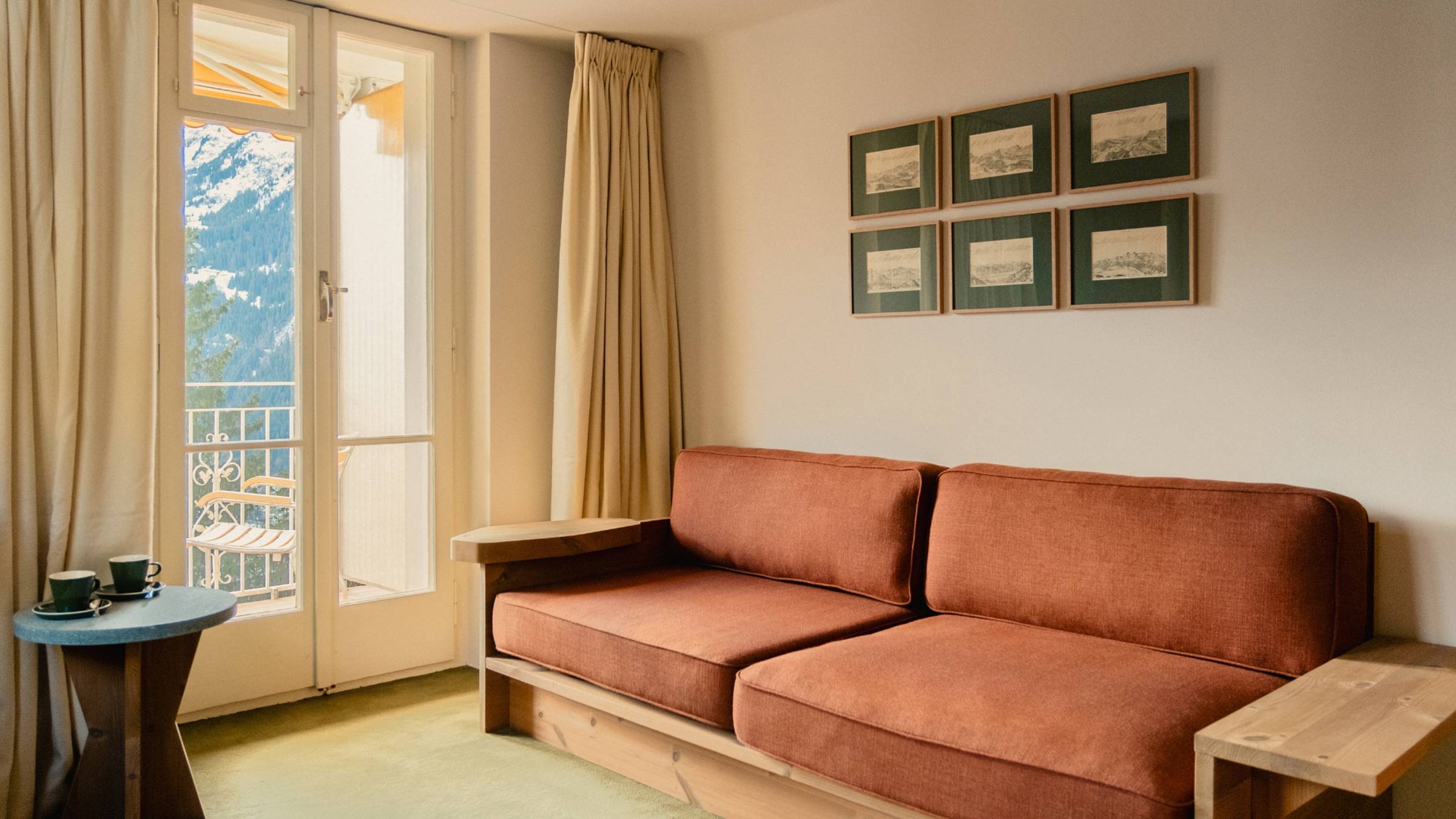
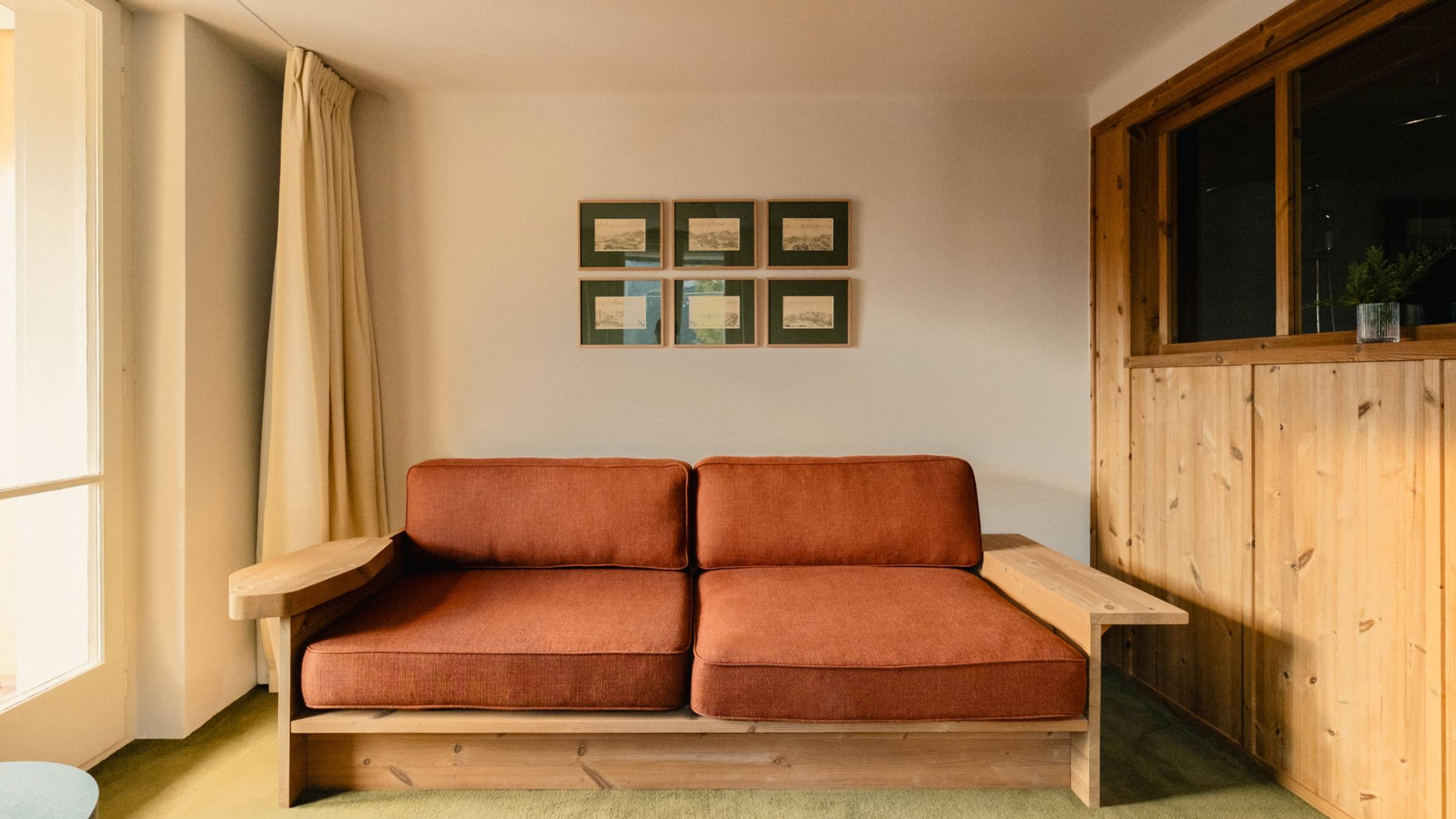
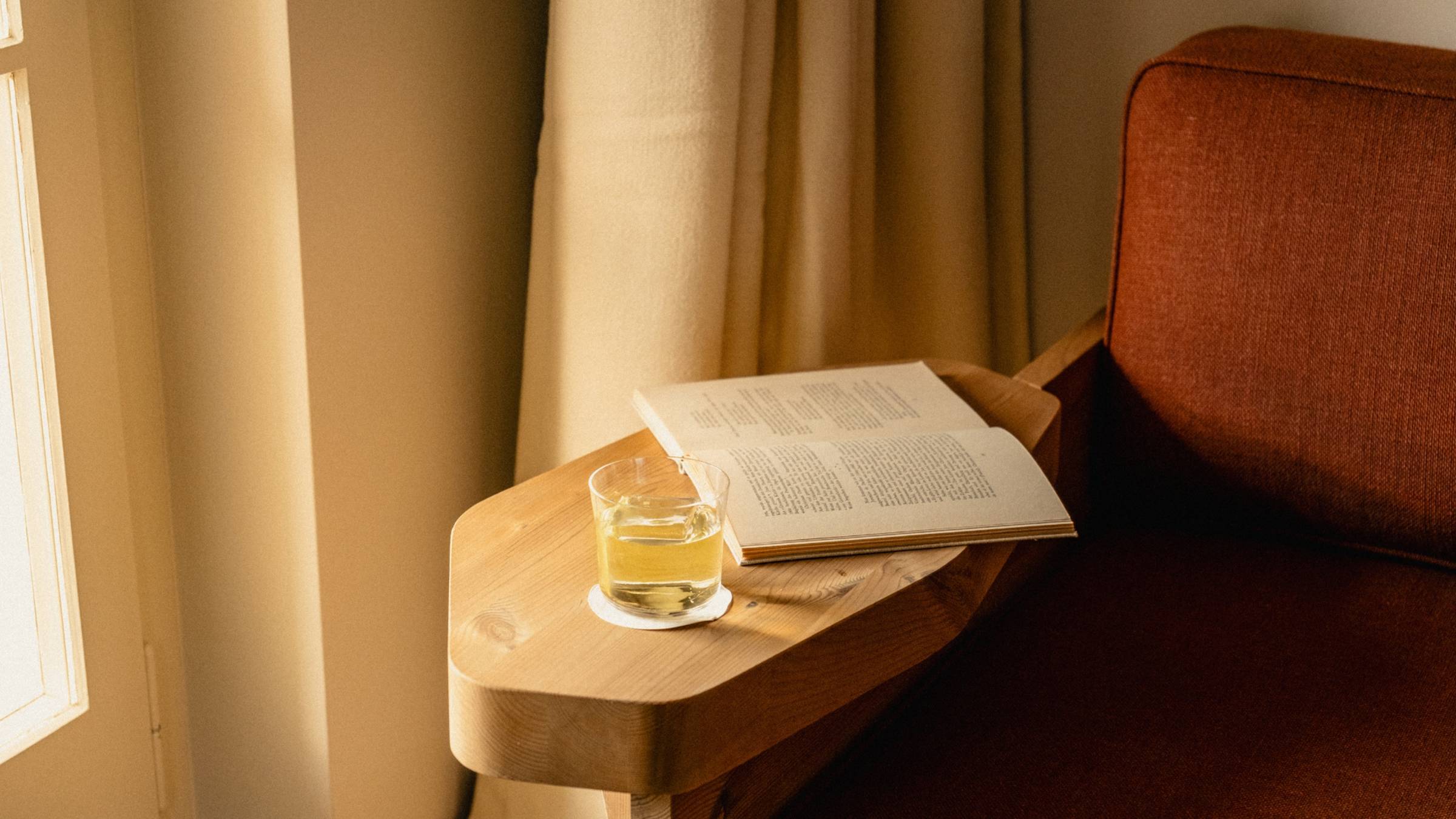
Suite Jungfrau View
Bathed in natural light and generously proportioned, with a living room and a balcony facing the Jungfrau. A sofa bed makes room for a third guest.
Suite Jungfrau View
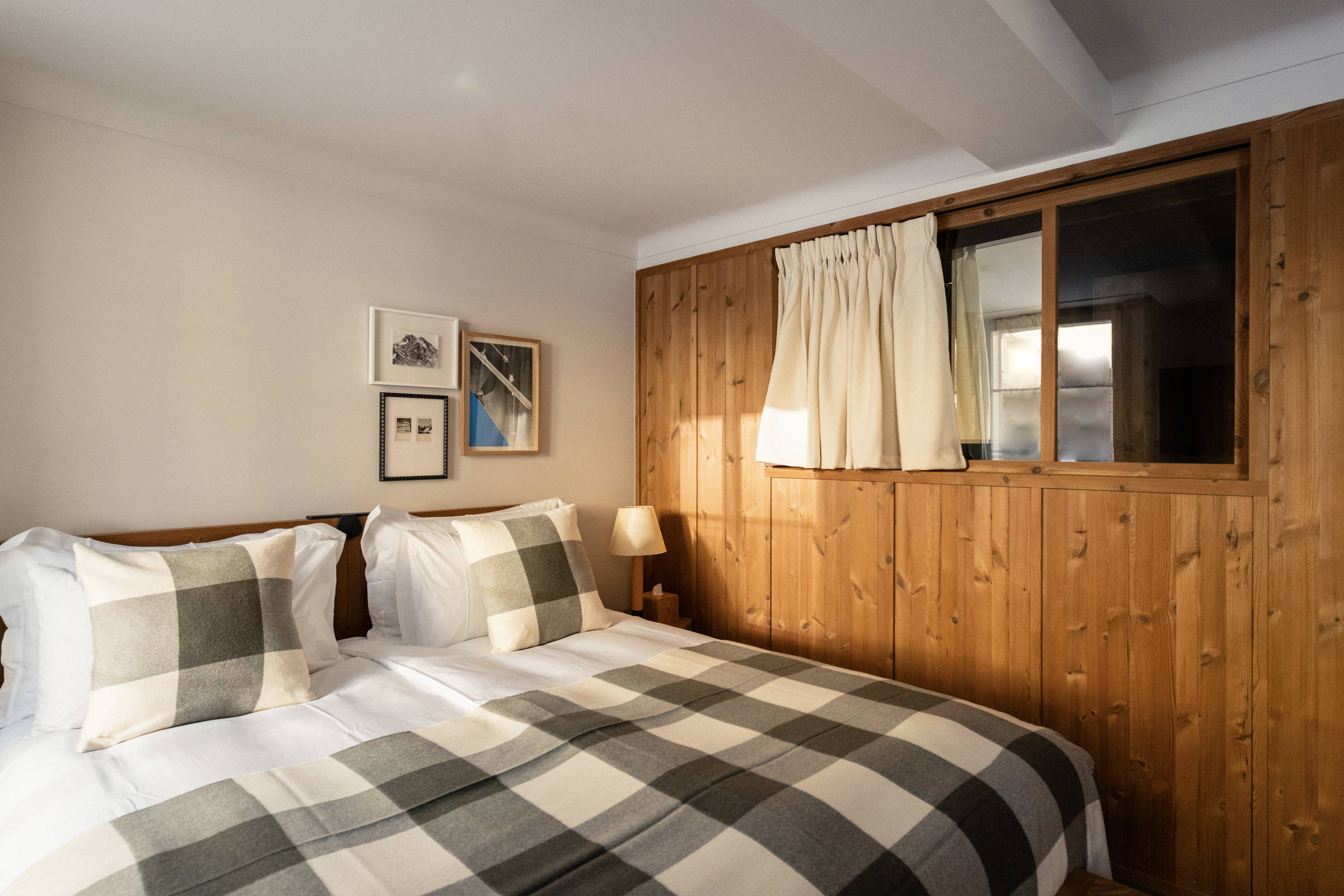
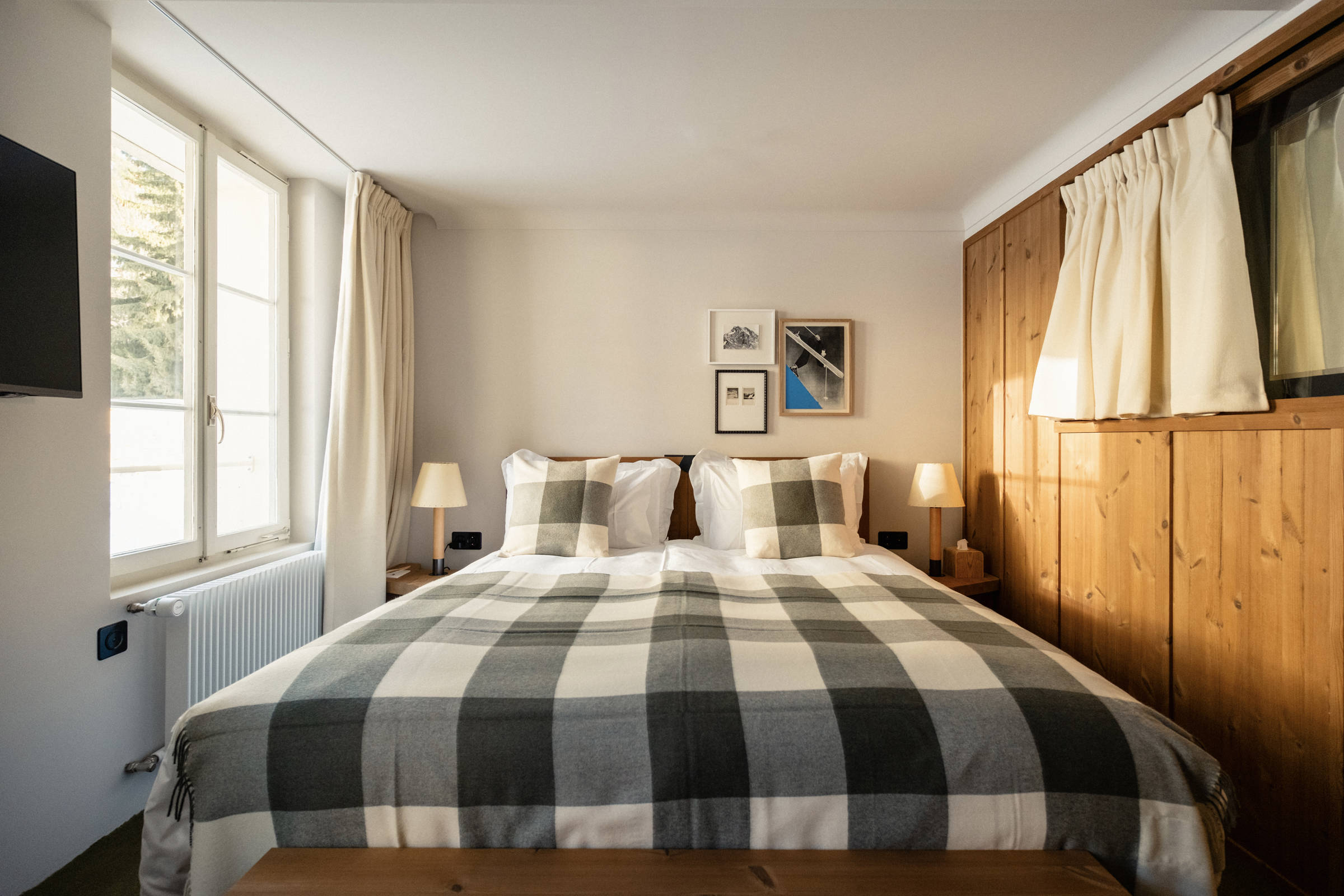
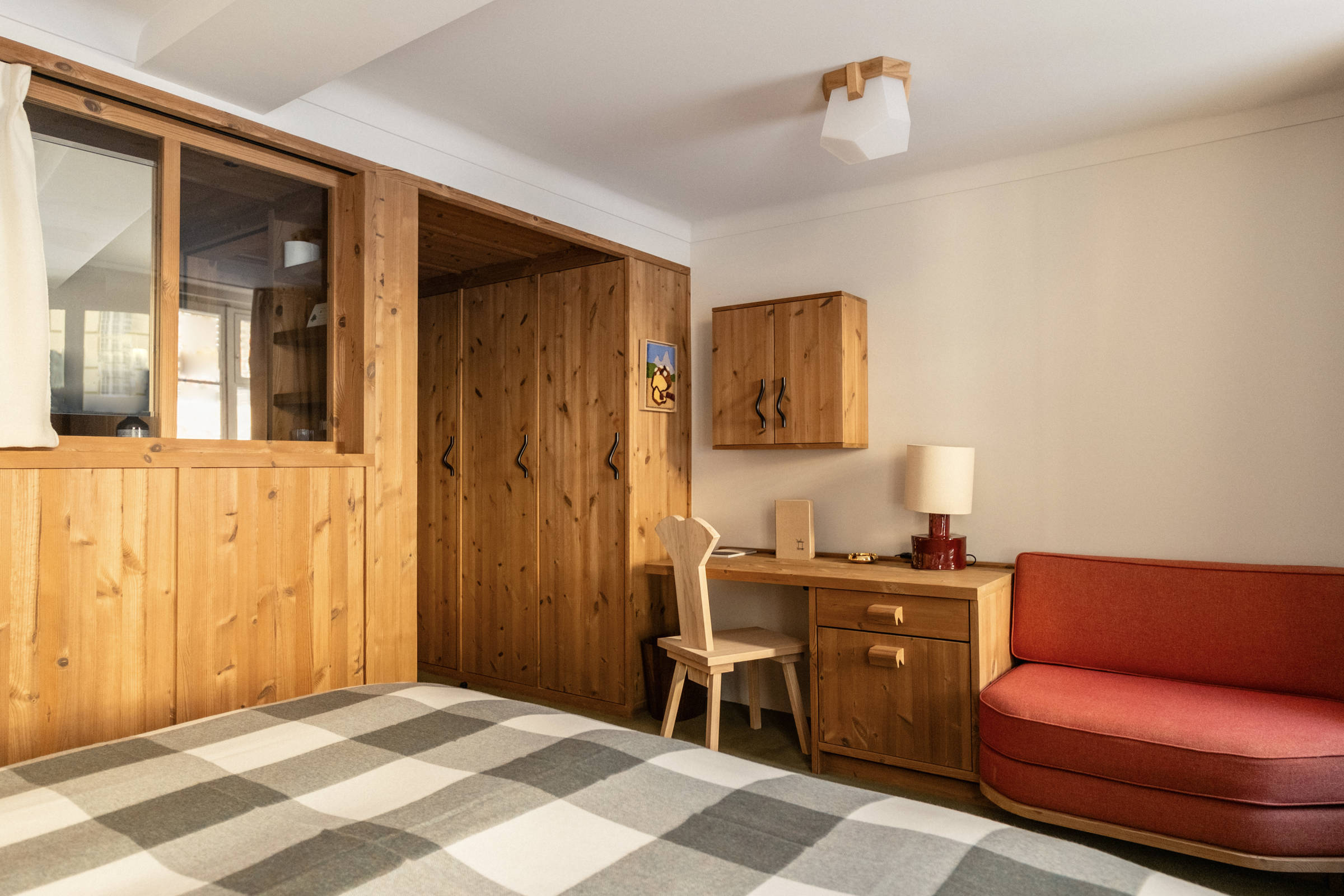
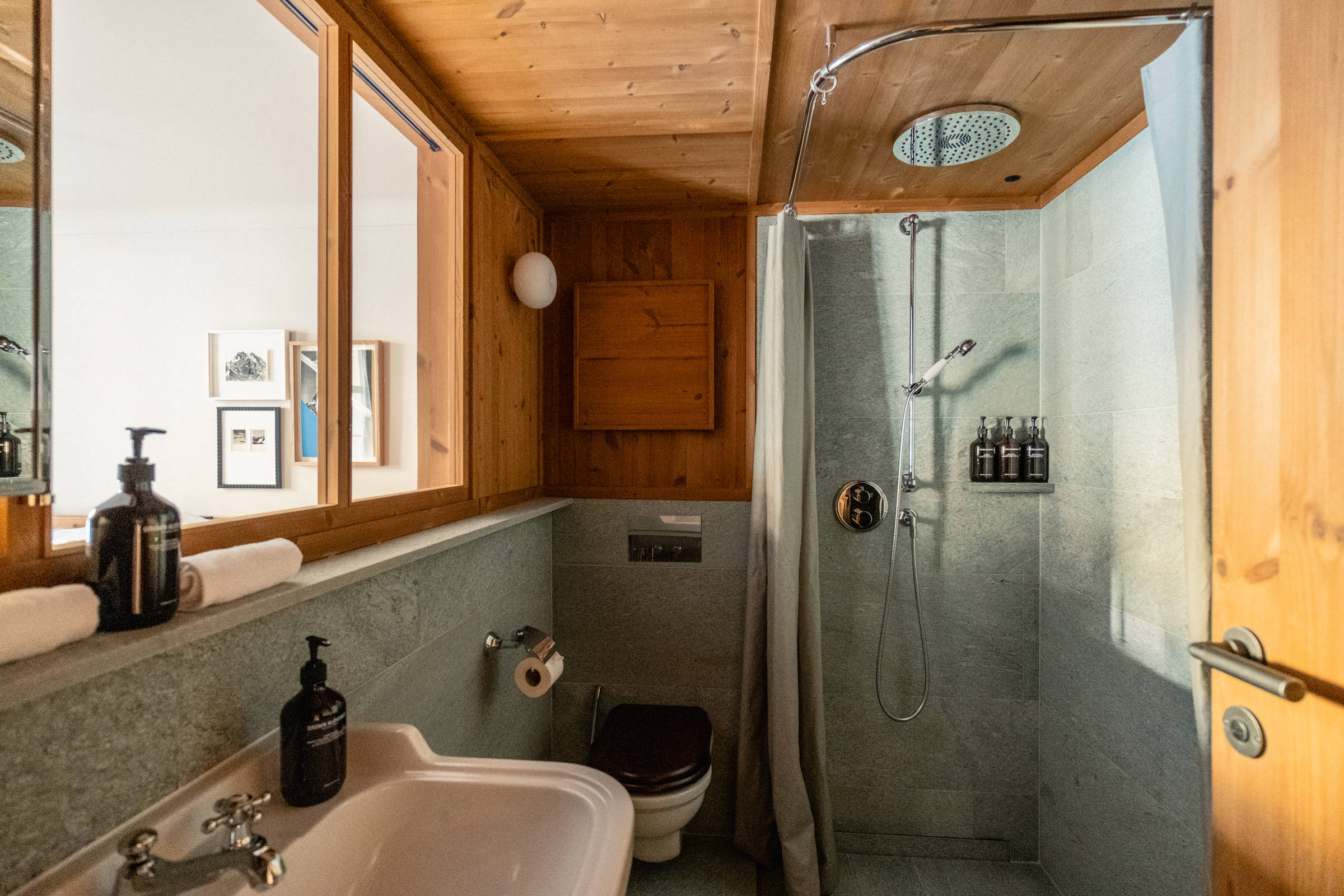
Prestige Family Garden View
Two connecting Prestige rooms made for family stays — four guests, two bathrooms, and the garden and forest on both sides.
Prestige Family Garden View
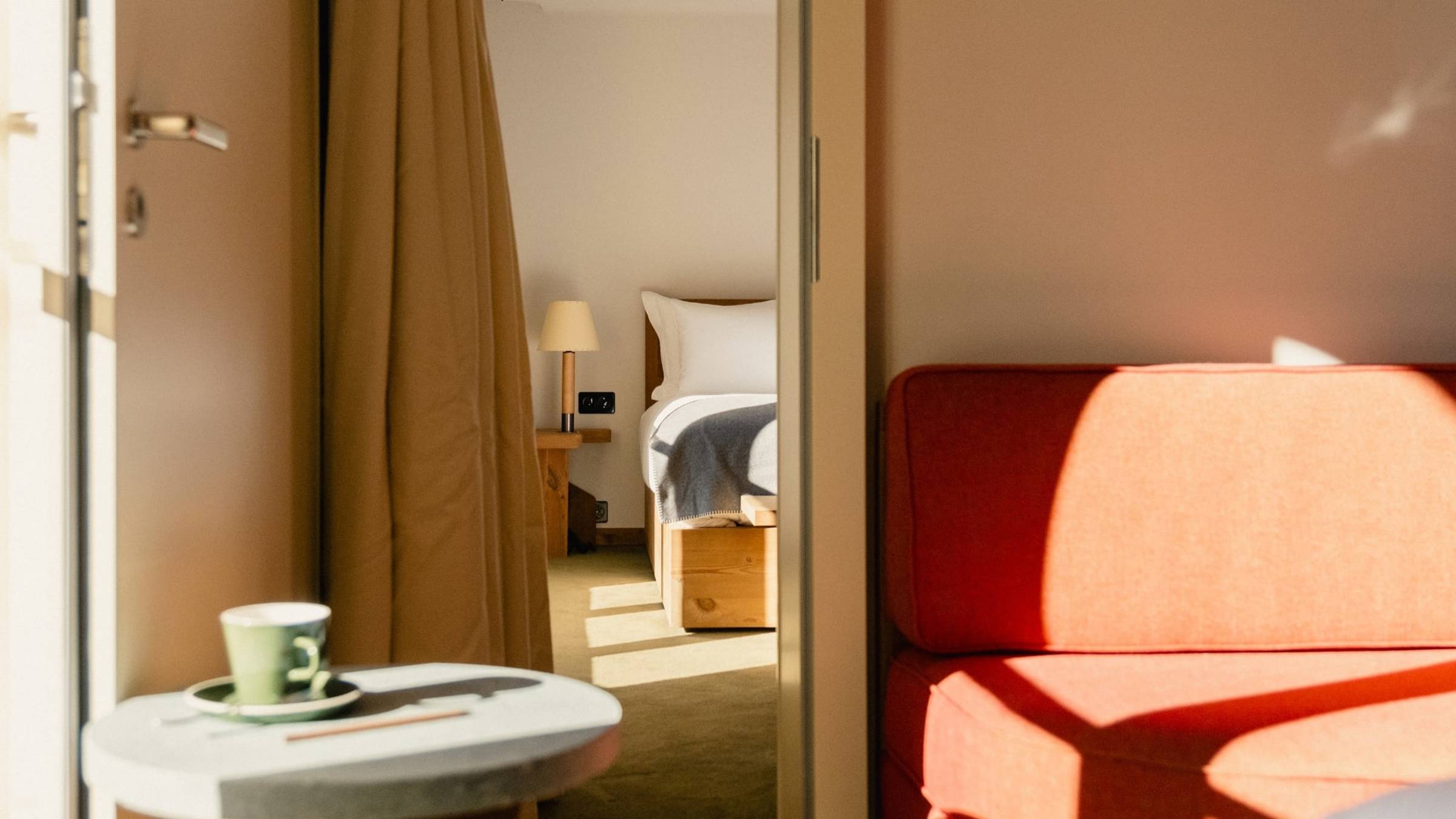

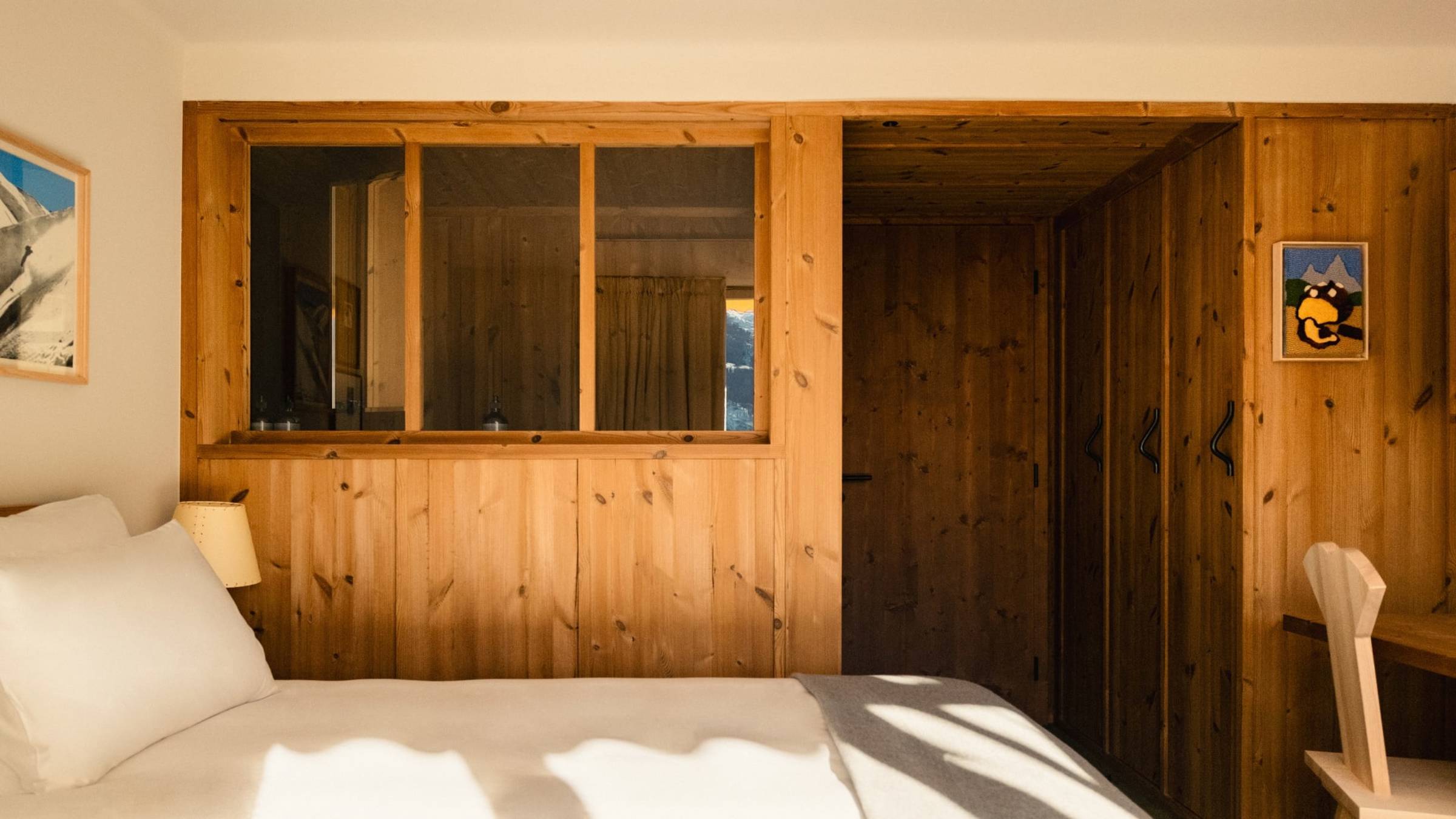
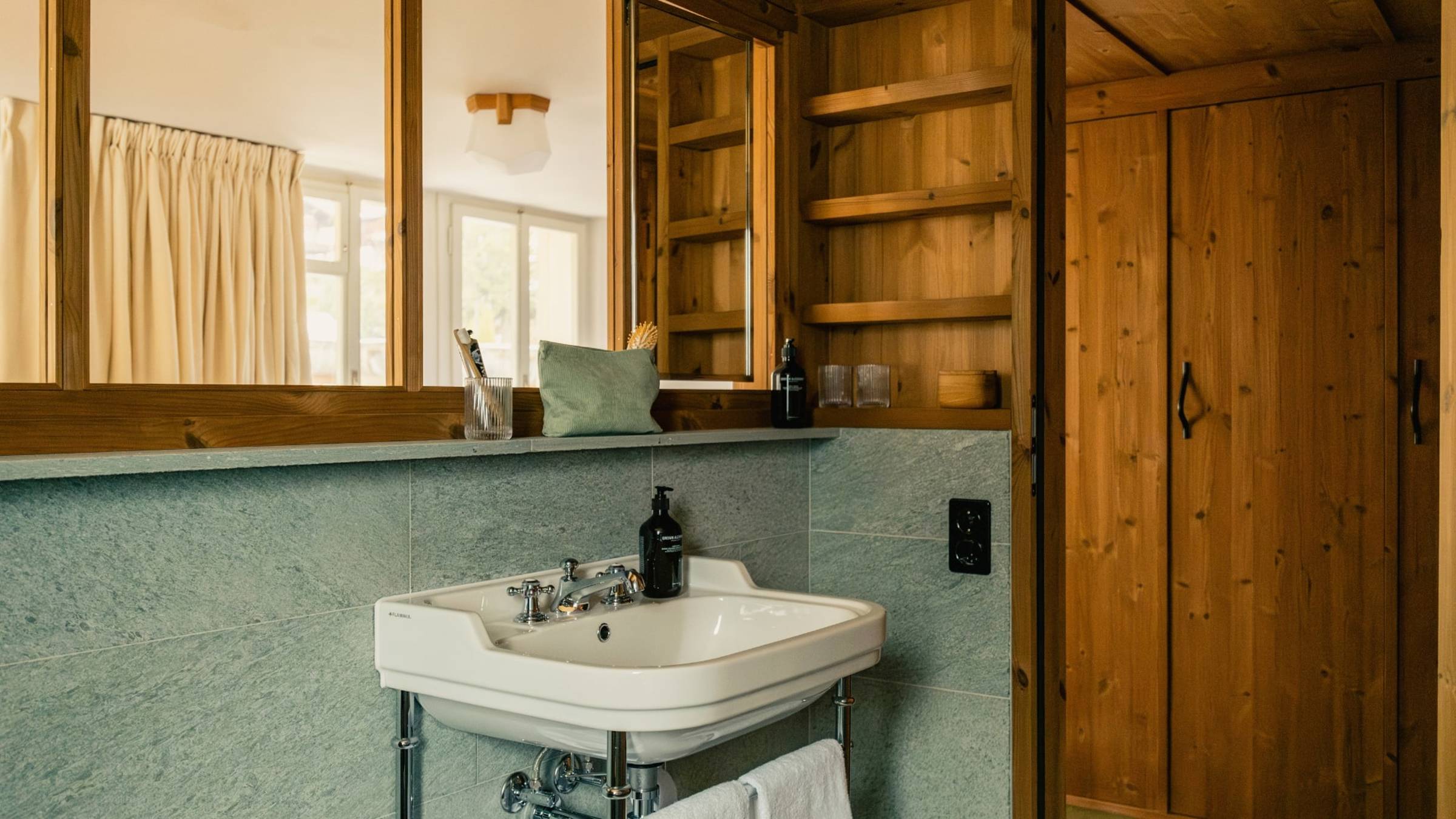
Prestige Family Jungfrau View
Two connecting Prestige rooms facing the Jungfrau — spacious, elegant and made for four, with the mountain in view from both.
Prestige Family Jungfrau View
Why book with us

Best Price Guarantee

Full Access to Content Library

Personalized Itinerary

A Gift with Every Booking

24/7 Support
Amenities
Three pools, a sauna and hammam, a ski room and a terrace over the Lauterbrunnen valley — all reached without a car, because Wengen has none.

Photography by Benoit Linero.
WENGEN | MAY 2026
The Belle Époque Landmark Reinventing Swiss Hospitality in Wengen
Wengen, perched on a south-facing mountain terrace above the Lauterbrunnen Valley, is one of the last car-free villages in the Alps. Travellers reach it only by the rack-railway that grinds its way up from Lauterbrunnen through the meadows, and the silence that follows on arrival — broken only by cowbells and the occasional distant rumble of snow — is one of the village’s great virtues. For more than a century, the Grand Hotel Belvedere has occupied a prime stretch along that terrace, its Belle Époque façade one of the first silhouettes visitors see as the train rounds the curve into the village.
Built in 1912 and listed as a heritage property, the Belvedere was acquired in 2024 by the French hotel group Beaumier, which has made a quiet speciality of restoring storied European properties without sanding away their character. The renovation was led by the Swiss architect Valery Clavien of Clavien & Associés, with interiors by Arnaud Christin of Complete Works, Paris. The pair approached the project as two tasks in one: preserving the hotel’s original Heimatstil and Art Nouveau décor — carved wood panelling, painted friezes, stencilled corridors — while uniting two neighbouring buildings under a single contemporary Alpine sensibility.
The ninety rooms and suites have been stripped back to their bones and re-clothed in solid, thermally modified Swiss pine, custom-built by regional joiners using traditional techniques. Bathrooms pair the pale warmth of that pine with green-grey Andeer stone quarried in nearby Graubünden; linens run to raw cotton and wool; tufted textile works by the Swiss artist Manon Daviet — drawn from local folklore and Alpine flora and fauna — hang in every room. The effect is Alpine without being costume Alpine: warm, tactile, quiet.
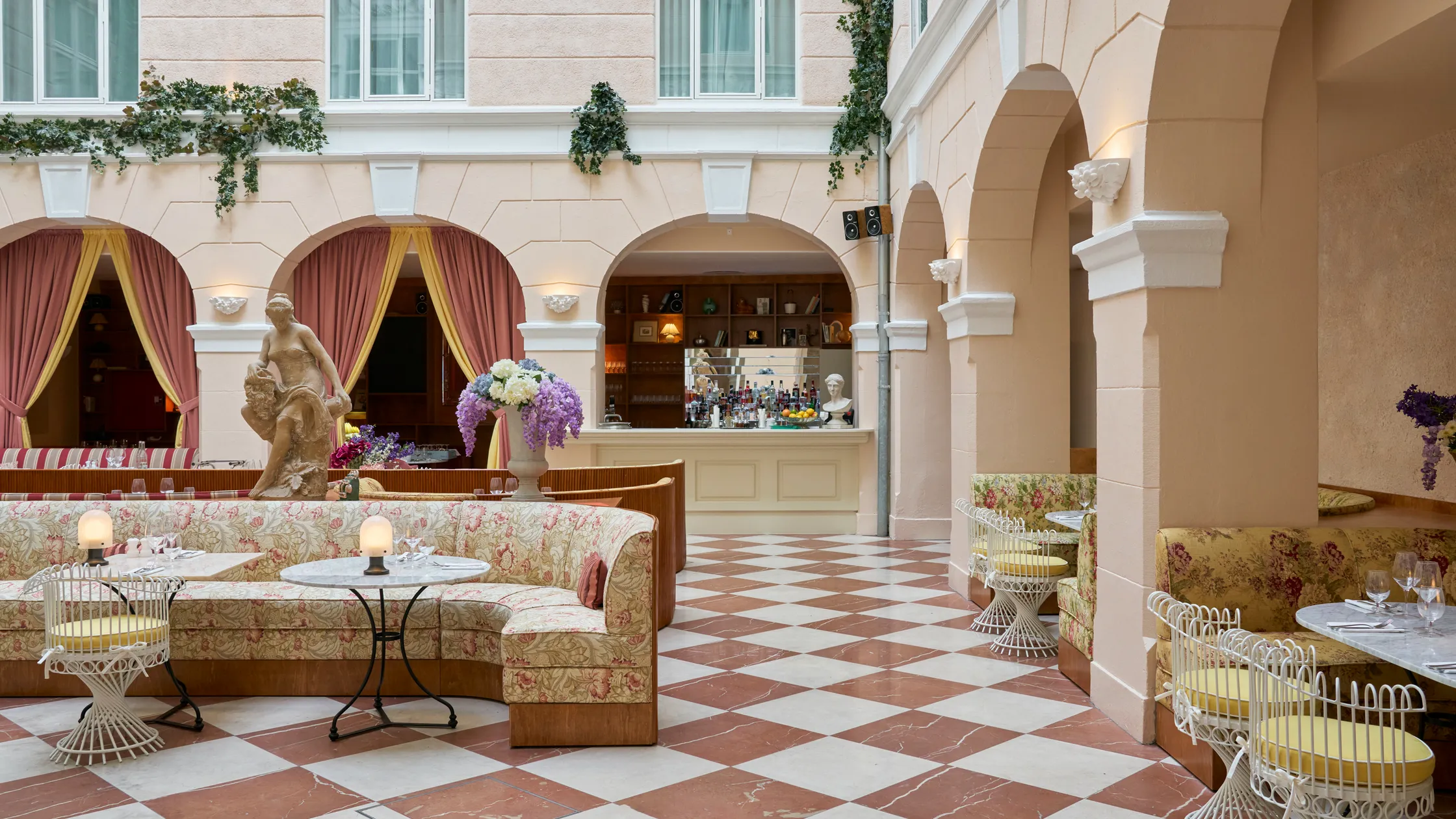
Downstairs, the Belvedere’s public rooms have been loosened back into life. The brasserie serves a modern Alpine menu — raclette lifted onto a chef’s plate, line-caught fish from Swiss lakes, fondues and farm-to-table vegetables — while the bar, all wood panelling and library lamps, doubles as a refuge after the last lift. Perhaps the most striking architectural gesture is the new spa, built under the hotel as a near-brutalist counterpoint: monolithic stone, deep pools, light falling in slow axes, water held in almost meditative silence. The sum is a hotel that understands its view — the Jungfrau rising directly opposite, the Eiger just beyond — as the permanent first guest, and everything else as a series of quiet deferrals to it.